
In brief: A clean carpet starts with regular deep cleaning and targeted stain treatment. Vacuum thoroughly, treat dirt immediately with suitable household remedies such as gall soap or baking soda, and allow the carpet to dry completely after wet cleaning. Proper care can significantly extend its lifespan.
Clean Your Carpet: Effective Methods for Spotless Results
A well-maintained carpet enhances any room. However, everyday use leaves its mark. With the right approach, you can remove stains effectively and preserve the carpet’s vibrant colours. This guide explains effective household remedies and professional techniques.
How should I start cleaning my carpet?
Thorough dry cleaning should always come before wet cleaning. Vacuum the carpet intensively in both directions. This loosens deeply embedded dirt from the fibres. Then beat out the edges and fringes.
Check the care label. It tells you what material the carpet is made from and which cleaning methods it can tolerate. A wool carpet requires different care from a polyester carpet.
Expert tip
Always test any cleaning product on an inconspicuous area first, such as a corner. This helps ensure colourfastness and material compatibility.
Prepare your tools. You will need clean, white microfibre cloths, a soft-bristled brush, a spray bottle and your chosen cleaning products. White cloths prevent colour transfer.
Which household remedies remove stubborn carpet stains?
You can tackle many types of dirt with products from your kitchen cupboard. They are inexpensive, environmentally friendly and often just as effective as specialist cleaners.
Removing grease and oil stains
Gall soap is a traditional remedy for grease. Rub the soaped area with a damp sponge. Leave the soap to work briefly, then rinse with clean water. Blot up any excess moisture.
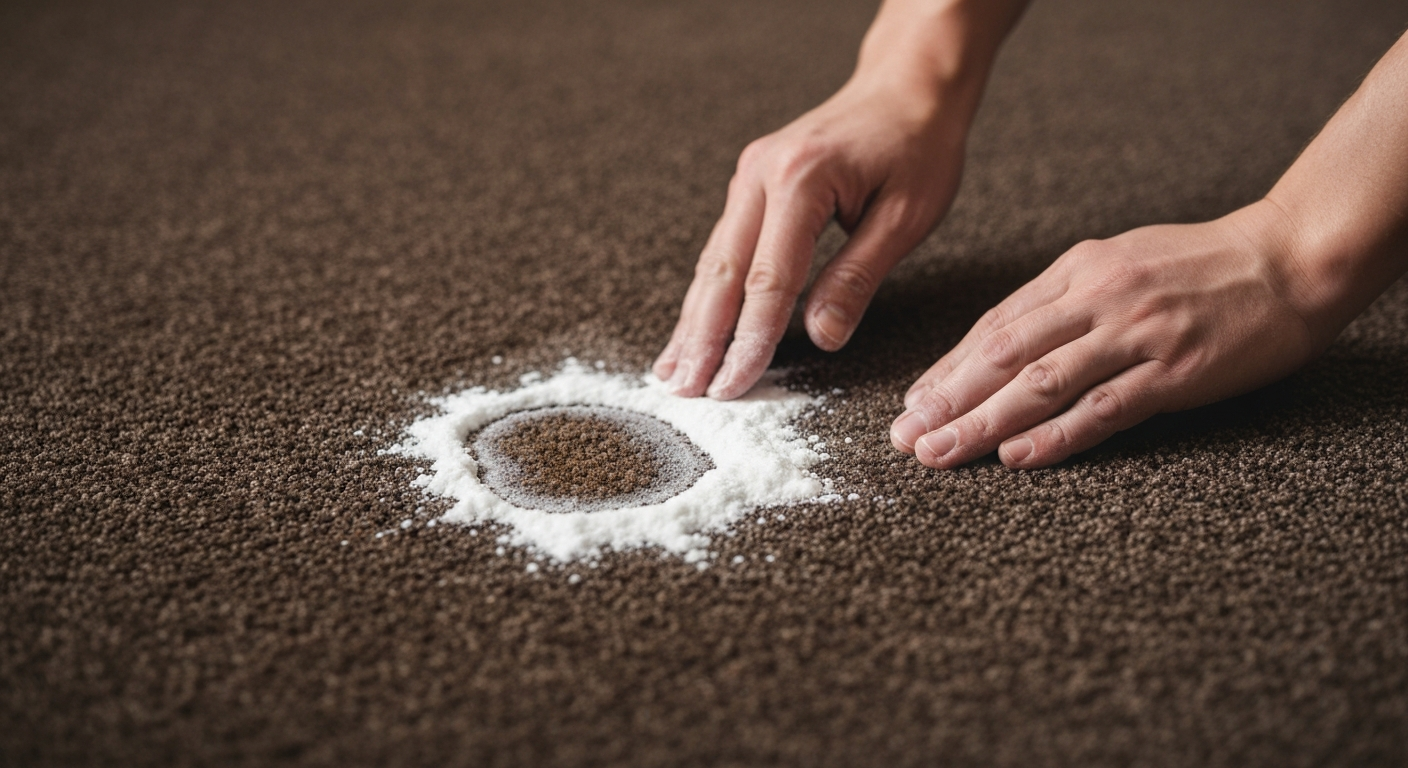
Cornstarch or baby powder absorbs grease. Sprinkle the powder over the stain, leave it to work for several hours and vacuum it up. Repeat the process for heavy soiling.
For coloured stains and odours
Baking soda is a versatile all-rounder. It neutralises odours and loosens light dirt. Sprinkle it generously over the carpet, wait several hours and vacuum thoroughly. For a fresh scent, mix in a little lemon oil.
“The combination of vinegar and baking soda also loosens dried-on dirt through the chemical reaction. It is important to leave the mixture on only briefly and not rub it in, so the fibres are not damaged.”
Sparkling water is suitable for red wine, juice or coffee stains. The carbonation loosens the colour pigments. Pour it onto the stain, blot it with a cloth and repeat the process. Then treat the area with a mixture of washing-up liquid and water.
Why is proper carpet care so important?
Regular care prevents dirt from becoming deeply embedded in the fibres. It can extend your carpet’s lifespan by years and preserve its appearance. Special carpets, such as high-quality children's rugs with designs, benefit from careful treatment.
Important note
Avoid using too much moisture when cleaning. A soaked carpet dries slowly and can develop mould. Work in sections and always blot up liquid immediately.
Do not place wet items directly on the carpet. Use coasters under plant pots and vases. Rotate your carpet every few months to prevent uneven wear. This is particularly useful for large carpets positioned under furniture.
How do I clean different types of carpet?
Not every material can tolerate the same treatment. The right method depends on the fibre.
Cleaning natural-fibre carpets
Carpets made from wool, cotton or sisal are sensitive. Never use hot water or harsh abrasive cleaners. A lukewarm, damp cloth with a little wool detergent is usually sufficient. Dry the carpet quickly and thoroughly in the air.
Caring for synthetic carpets
Carpets made from polyamide or polyester are more robust. Here, you can also use a steam cleaner or the
cordless upholstery and carpet cleaner 3 in 1. The rotating brush loosens deep-seated dirt. Make sure to use a gentle rotation speed.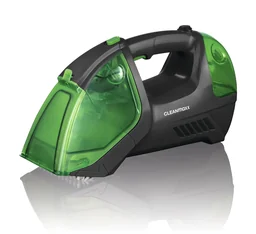
For families, practical solutions such as the washable children's carpet are ideal. The
is waterproof and can simply be wiped clean when needed.
Additional advice
Do not use a coloured cleaning cloth on white or light-coloured carpets. Even cloths that appear clean can transfer colour particles and cause the carpet to turn grey.
What should I do about extremely stubborn stains?
Some stains resist standard methods. These include ink, glue and dried blood.
For ink, carefully test hairspray or alcohol on a cotton pad. Dab the stain without rubbing. Change the pad frequently to avoid spreading the colour. Remove blood with cold water and pure soap. Hot water causes the protein to coagulate and sets the stain.
“For old, dried-on stains, a steam cleaner used with a pre-cleaner has proven effective. The steam loosens the bond between the fibre and the dirt. The subsequent suction removes the loosened particles completely.”
If you are unsure, consider professional carpet cleaning. Professionals have more powerful machines and specialist chemicals for extreme cases. This is particularly worthwhile for valuable or antique carpets.
How can I protect my freshly cleaned carpet for the long term?
Once your carpet is clean, it’s time to protect it.
Anti-slip carpet corner grips prevent the carpet from slipping and wearing at the edges. They are discreet and protect your floor.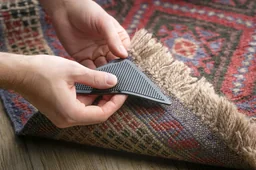
Apply a carpet protector. This treatment makes liquids bead up, giving you time to wipe them away. It is available for many carpet materials.
Vacuum regularly, ideally several times a week. This removes abrasive dirt that roughens the fibres. Use a vacuum cleaner with a rotating brush designed for carpets.
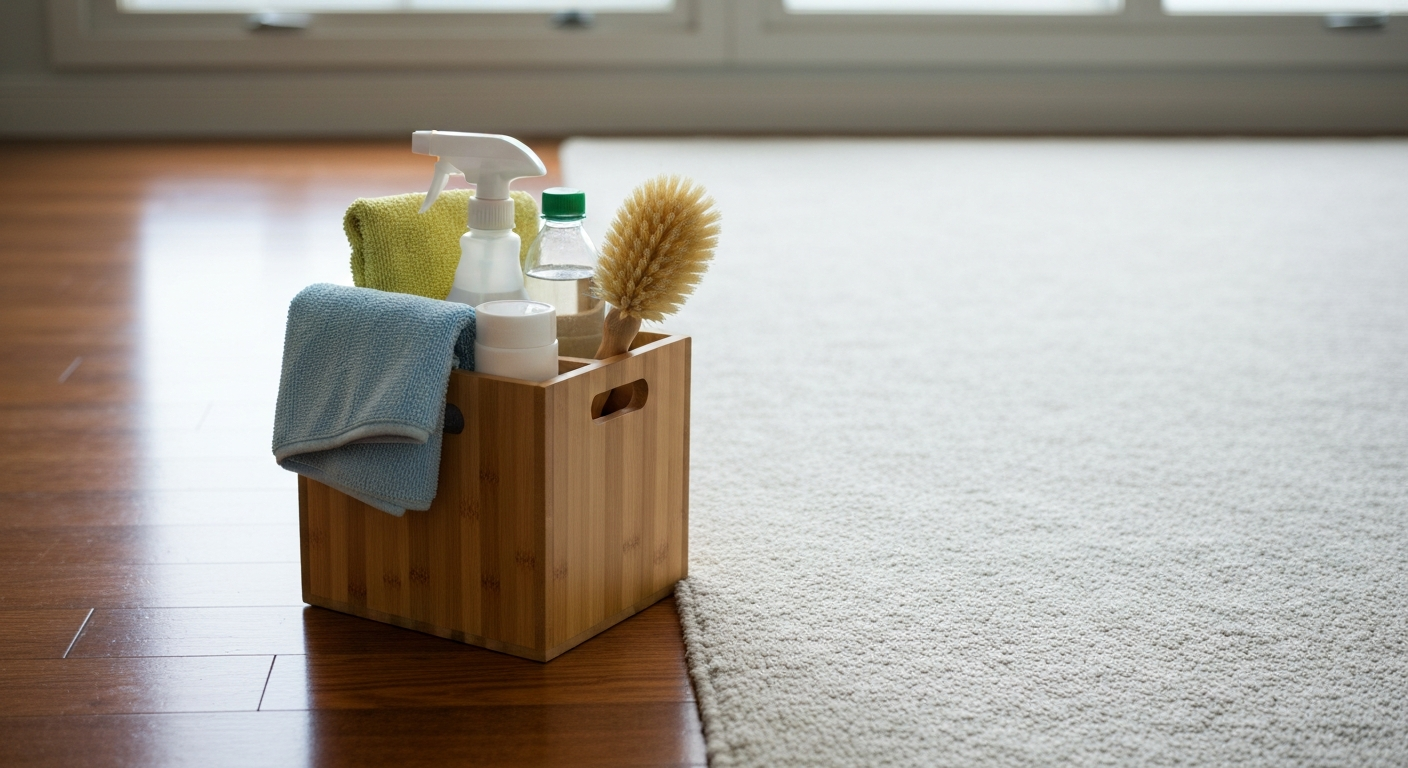
Schedule regular deep cleans. A thorough clean in spring and autumn keeps your carpet fresh for longer. Make a note of the products you use so you can use them again on similar stains.
With this systematic approach, your carpet will retain its fresh appearance. The combination of quick stain treatment, regular care and the right tools makes all the difference. Your clean carpet will become a long-lasting source of comfort in your home.
Frequently asked questions
- How do I remove red wine stains from a carpet?
- Blot the stain immediately with kitchen paper. Then soak the area with mineral water or sparkling water and absorb it with a clean cloth. Next, treat the stain with a mixture of washing-up liquid and lukewarm water. For older stains, gall soap can help.
- Can I clean every carpet with a steam cleaner?
- No. Check the care label first. Steam cleaners are suitable for hard-wearing synthetic carpets, but they can damage delicate natural fibres such as silk or wool. If you are unsure, test the cleaner on an inconspicuous area.
- Which household remedy works best for removing odours from carpets?
- Baking powder or bicarbonate of soda are excellent odour neutralisers. Sprinkle generously over the dry carpet, leave for several hours, ideally overnight, and vacuum thoroughly. This reliably absorbs unpleasant odours.
- How often should I deep-clean my carpet?
- A thorough deep clean once or twice a year is recommended. Homes with pets or allergy sufferers, or heavily used areas such as entrances, may require more frequent cleaning. Regular vacuuming is the foundation of carpet care.
- What should I do about dried chewing gum in a carpet?
- Harden the chewing gum with an ice cube wrapped in a plastic bag. Once it becomes brittle, carefully crumble it away. Residue can be loosened with peanut butter or a specialist chewing gum remover and then washed out.
You may also be interested in
- How to clean grout: Make it bright and spotless again
- How to clean tiles: Get sparkling results throughout your home
- Hard floor cleaner: Tips for spotless floors
- How to clean windows without streaks: Tips for sparkling glass
- How to remove red wine stains from carpets and sofas
- How to clean a glass ceramic hob: Tips for a sparkling shine