
In brief: You can clean your mattress effectively and naturally with home remedies. Regular airing, vacuuming and treatment with baking soda help combat dust mites. For stains, use stain-remover soap, lemon juice or hydrogen peroxide. It is important to let the mattress dry thoroughly after cleaning to prevent mould. These methods are gentle on the material and the environment.
Clean Your Mattress: Natural Tips for Dust Mites and Stains
Over the years, your mattress collects skin flakes, sweat and dust. This creates an ideal environment for dust mites and causes stains. Chemical cleaners can pollute indoor air and damage the material. Natural home remedies such as baking soda offer a gentle and effective alternative. They are kinder to your health, your mattress and your wallet.
Proper mattress care can significantly extend the life of your bed. It noticeably improves sleep hygiene, especially for allergy sufferers. This guide shows you step by step how to create a fresh and hygienic place to sleep using simple household products.
Why is mattress cleaning so important?
A mattress is more than just a base to lie on. It is an everyday item that is used heavily. The human body loses up to a litre of fluid through sweating during the night. Skin flakes and hair add to this.
These organic materials are the main food source for dust mites. Their droppings are among the most common triggers of allergies and asthma. Regular cleaning reduces this burden at its source.
Stains are not just a cosmetic problem. Dried-in sweat can damage the material and make unpleasant odours more persistent. Liquids such as urine, especially from children, can penetrate deep into the mattress and encourage mould growth if not treated properly.
Important note
Never use too much moisture when cleaning. A soaked mattress dries very slowly in the core. This almost inevitably leads to mould forming inside. Always work with damp, not wet, cloths and then leave the mattress to air-dry for several hours.
How do I prepare the mattress for cleaning?
Preparation is the key to a good result. Start by clearing the mattress. Remove all bedding, including the mattress protector or topper. Wash these textiles at the highest temperature permitted by the material.
Move the mattress to a well-ventilated area. A balcony, terrace or large, airy room is ideal. If possible, stand the mattress upright against a wall or place it over two sturdy chairs. This allows air to reach all sides.
Vacuum the entire mattress surface thoroughly using an upholstery attachment. Move slowly and methodically across the surface in parallel lines. Do not forget the sides and edges, where a particularly large amount of dust collects.
Thoroughly vacuuming the mattress first already removes up to 80% of loose household dust and dust mites. This mechanical step is more effective than many people think and significantly reduces the biological load.
The right equipment for basic cleaning
You do not need any special equipment. A standard vacuum cleaner with an upholstery nozzle is sufficient. Keep a soft brush ready for stubborn stains. Gather your home remedies: baking soda, soft soap or stain-remover soap, white household vinegar and lemon juice.
For the application, you will need several clean, white cotton cloths. White cloths have the advantage that they do not transfer colour to the mattress. A spray bottle filled with water makes the job easier. Also have a hand brush and dustpan ready for the dry baking soda.
How can I naturally combat dust mites in a mattress?
Dust mites do not like dry cold or extreme heat. Therefore, air your mattress outdoors regularly, even in winter. Frost kills a large proportion of the mite population. In summer, direct sunlight can help.
Baking soda, also known as sodium bicarbonate, is a versatile home remedy. It neutralises odours and removes the moisture dust mites need to survive. Sprinkle a thin, even layer of baking soda over the dry, vacuumed mattress.
Expert tip
Before sprinkling it, mix the baking soda with a few drops of essential tea tree oil. This oil also has an antimicrobial effect and leaves a fresh scent. Leave the mixture to work for at least eight hours, preferably overnight. Then vacuum up the powder particularly thoroughly.
You cannot wash a mattress for intensive cleaning. Special devices such as a or a can provide extra support. These dust mite vacuums combine powerful suction with UV-C light. Given sufficient exposure time, the UV light is intended to kill microorganisms on the surface.
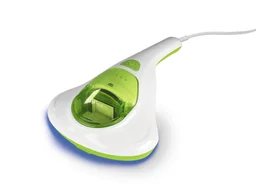
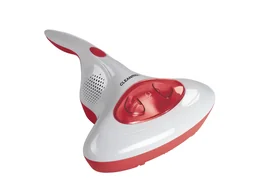
For long-term protection, especially in children's and babies' beds, you can also use special products such as an . These are often plant-based and create a barrier. However, the best preventive measure remains a dry and clean sleeping environment.

Special care for children's mattresses
Children's beds are particularly susceptible to dust mites and stains. When choosing children's mattresses, look for removable covers that can be washed at 60°C. You can also find high-quality models in our Flexa mattress range or among Oliver Furniture mattresses.
For babies, a hygienic sleeping surface is essential. Find out more about the requirements for a good baby mattress. Many parents swear by the quality of Träumeland mattresses. Regular checks and cleaning should be part of the routine.
How do I remove stains using household remedies?
Each type of stain requires different treatment. First identify the cause. For fresh stains, blot them dry immediately—do not rub. Rubbing only pushes the substance deeper into the mattress.
Enzymatic cleaners are ideal for organic stains such as sweat, urine or blood. A simple ox-gall soap solution works wonders here. Rub a damp cloth over a bar of ox-gall soap and gently dab the stain. Then wipe the area with a cloth dampened only with water.
Additional advice
Always test any household remedy on an inconspicuous area of the mattress first, such as the lower edge or side. This ensures that the material can tolerate the treatment and that no discolouration or damage occurs. Wait until the test area is completely dry.
Guide to common types of stains
- Sweat and body stains: Mix a paste of baking soda and a small amount of water. Apply it to the discoloured areas. Once completely dry, brush off the crust and vacuum up the residue.
- Blood: Cold water is your best ally. Dab the stain with a cloth soaked in cold water. For dried blood, a paste made from salt and cold water can help.
- Urine: Blot up the liquid first. Then treat the area with undiluted white vinegar to neutralise the odour. Finally, apply a layer of baking soda, leave it to dry and vacuum it up.
- Coffee, tea and red wine: Spray the area with soda water or dab it with a cloth soaked in it. The carbonation loosens the colour pigments. Treating the area afterwards with a little lemon juice can help remove any remaining discolouration.
The combination of mechanical vacuuming and treatment with moisture-binding substances such as baking soda is the foundation of hygienic mattress care. Chemical stain removers are rarely necessary and often disrupt the indoor climate.
How do I dry the mattress properly after cleaning?
Drying is the most critical step. A mattress that is dry only on the surface has a high risk of mould developing inside. Allow plenty of time for this. Ideally, choose a sunny, breezy day and dry it outdoors.
Rotate and turn the mattress several times during the drying process. This allows air to reach all sides. Lift the mattress upright from time to time to improve ventilation underneath.
Indoors, you can set up a fan to speed up air circulation. Warm air from the heating helps, but is not as effective as fresh air. Avoid using fan heaters or hairdryers close to the mattress. The concentrated heat can damage the material.
When is the mattress ready for fresh bedding?
The mattress must be completely dry throughout. Check it by touching and pressing it. If it feels cool or damp, it needs more time. The typical musty smell of wet textiles must have disappeared completely.
Only then put fresh, clean bed linen back on it. A waterproof yet breathable mattress protector is a worthwhile investment at this point. It protects against new stains and is easy to wash.
How do I maintain mattress hygiene in the long term?
Build simple routines into your household cleaning schedule. Air the bedroom thoroughly every day. Pull back the duvet after getting up so that the mattress can release moisture.
Vacuum the exposed mattress every time you change the bed linen. Rotate and turn the mattress every three months, provided the manufacturer recommends it. This distributes wear evenly.
Change and wash mattress protectors, toppers and pillows regularly. In our Pillows for children section, you will also find washable models. For general household needs, take a look at our large Shop section, including the Garden + Outdoor category for practical aids.
With these natural methods and regular care, you can create a healthy foundation for restful sleep. Your mattress will stay fresh, clean and free from unwanted guests for longer.
Frequently asked questions
- How often should I clean my mattress?
- You should deep-clean your mattress every three to six months. Vacuum it weekly when changing the bed linen. More frequent cleaning is advisable for allergy sufferers or people who sweat heavily. Thoroughly airing the mattress should be part of your weekly routine.
- Can I clean every mattress with baking soda?
- Baking soda is suitable for most mattress materials, such as cold foam, memory foam or pocket springs. Always test the mixture on an inconspicuous area first. For very sensitive natural materials such as pure latex or special covers, check the manufacturer's instructions first.
- What can I do about strong odours in my mattress?
- Sprinkle pure baking soda generously over the dry mattress and leave it to work for several hours, ideally overnight. Then vacuum it up thoroughly. For a fresh scent, you can mix a few drops of essential lavender or tea tree oil into the baking soda beforehand.
- How do I remove old, dried-in stains?
- Treat old stains with a paste made from baking soda and a small amount of water. Apply it, leave it to dry completely and brush it off. You can then treat the area with a cloth soaked in diluted lemon juice or hydrogen peroxide (3%) and leave it to dry.
- Are dust mite vacuum cleaners with UV light useful?
- These devices combine strong suction with UV-C light, which is intended to kill microorganisms. They are a useful addition to deep cleaning, but do not replace washing the covers or treating the mattress with household remedies. Make sure the light is applied to each area for long enough.
You may also be interested in
- Reduce dust mites: Effective tips for allergy sufferers
- Remove grease stains: Effective home remedies for clothing and the workshop
- Remove mildew stains: Effective home remedies and tips
- Remove stains with household remedies: The best tips
- Remove strawberry stains: Home remedies and tips
- Clean upholstered furniture: Stain-free and fresh as on day one