
In brief: Choosing the right clematis variety is key to success in your garden. Clematis are classified by flowering time, growth habit and pruning group. Some clematis bloom as early as spring, while others decorate fences into autumn. Combining early- and late-flowering types guarantees months of colour. Choose the right variety based on your location and the effect you want to create.
Clematis Types & Varieties: A Wealth of Choice for Your Garden
Clematis, also known as old man's beard, are the queens of climbing plants. Their flowers transform walls, fences and pergolas into living works of art. The choice of types and varieties is enormous.
You can choose early-flowering clematis to start the gardening season. Large-flowered hybrids create spectacular displays in summer. Late-flowering types extend the colourful display into autumn.
This guide will help you choose the right clematis for your location. We explain the differences between the groups and provide care tips.
How Do the Main Clematis Types Differ?
In general, clematis are classified by their flowering time and growth habit. These factors also determine how they should be cared for, especially when pruning.
Spring Flowers: Clematis alpina and montana
Clematis alpina blooms as early as April and May. It produces delicate, bell-shaped flowers in blue, pink or white. This type is hardy and compact.
Clematis montana is a real powerhouse. It quickly covers large areas with a cloud of small, fragrant flowers. Only plant it where it has enough room to grow.
Expert tip
Plant early-flowering clematis such as Clematis montana against a fence or garage wall. This gives the shoots enough support in the first year to grow quickly upwards. A sturdy trellis from the Garden + Plant Care range is essential.
Large-Flowered Hybrids for Summer
This group produces the most spectacular flowers. The varieties bloom from June to September, and some even flower twice. The flowers can reach up to 20 centimetres in diameter.
Popular varieties include 'Nelly Moser' with pink stripes and 'Jackmanii' in deep violet. They often need more attention and a sheltered location.
Late-Flowering and Herbaceous Clematis
Clematis viticella and its varieties bloom from July to October. They are exceptionally hardy and tolerate pruning well. The flowers are smaller but appear in abundance.
Herbaceous clematis such as Clematis integrifolia do not climb but grow in a bushy habit. They are suitable for the front of flower beds or containers.
Why Is It So Important to Know the Pruning Groups?
Incorrect pruning is the most common reason why clematis fail to bloom. Dividing them into three pruning groups gives you clear instructions on what to do.
Pruning Group 1: Little or No Pruning
This group includes spring-flowering clematis such as Clematis alpina and montana. They form their flower buds in the previous year.
Only prune these types if they become too large. Then remove a few old shoots after flowering. Use sharp, clean tools from the Garden Tools category.
The biggest mistake with Clematis montana is cutting it back hard in autumn. This removes all the flowers for the following year. Light thinning after flowering is all that is needed.
Pruning Group 2: Light Pruning
The large-flowered hybrids belong to this group. They often bloom on old wood in early summer and a second time on new shoots in late summer.
In late winter, remove weak and dead shoots. Shorten the remaining shoots to strong pairs of buds. This encourages branching.
Important note
Avoid cutting Pruning Group 2 clematis right back to ground level. You would sacrifice the first, often more abundant, flush of flowers. Instead, prune in stages to preserve flowers on both old wood and new shoots.
Pruning Group 3: Hard Pruning
All clematis that flower on new wood belong to this group. This includes Clematis viticella, the Texensis hybrids and herbaceous clematis.
Cut these types back hard in late winter or early spring. Leave only 20 to 50 centimetres above the ground. They will then produce new shoots and flower in the same year.
How Do You Choose the Perfect Variety for Your Location?
Not every clematis thrives everywhere. The combination of light, soil and space determines which one is right for you.
Clematis for Sunny to Partially Shaded Locations
Most large-flowered hybrids and Viticella varieties love the sun. Their flowers develop best in these conditions. However, the base of the plant should always be shaded and cool.
Cover the soil around the plant with a thin layer of mulch or shallow-rooted perennials. You can find suitable materials in the Garden + Plant Care section.
Clematis for Light Shade
The wild types Clematis alpina and some montana varieties tolerate more shade. They are ideal for north-east-facing walls or beneath light-canopied trees and shrubs.
The same applies here: the shadier the location, the more important good air circulation becomes. This helps prevent fungal diseases.
Additional advice
Always plant clematis slightly deeper than they were in their pot. Position the plant so that the first pair of leaves is below the soil. This encourages the formation of adventitious roots and makes the clematis more resistant to wilt diseases.
Space Considerations: Climbers vs. Ground Cover
Clematis montana needs several square metres of space. It is ideal for large, unattractive areas or tall fences.
For limited space, choose more compact types such as Clematis alpina or bushy Integrifolia hybrids. They are also suitable for growing in containers.
What Does Your Clematis Need for Abundant Flowers?
Proper care can turn a good clematis into an outstanding one. Three factors are crucial.
Proper Planting as the Foundation
Dig a generous planting hole, twice as wide and deep as the root ball. Loosen the subsoil thoroughly.
Mix the excavated soil with mature compost or potting compost. Improve heavy soils with sand. For optimum nutrient supply, you can find suitable products such as Lawn Lime & Garden Lime in our shop.
Water and Fertiliser: Moderate but Regular
Clematis need plenty of water but do not tolerate waterlogging. Water thoroughly, especially during dry periods.
Apply a balanced slow-release fertiliser in spring. A second application rich in potassium after the first flowering encourages bud formation for the next flush.
Many gardeners feed their clematis with too much nitrogen. This leads to lush leaf growth at the expense of flowers. A fertiliser with a balanced NPK ratio and sufficient potassium is the key to a profusion of blooms.
Preventing and Treating Diseases
The dreaded clematis wilt mainly affects large-flowered hybrids. It causes shoots to wilt and die suddenly.
Cut affected parts back immediately to healthy wood. Disinfect the shears afterwards. Choosing a suitable location with well-drained soil is the best prevention.
How Do You Combine Clematis with Other Plants?
Clematis work well with other plants. The classic combination is with climbing roses. The rose provides support for the clematis, and both complement each other in flowering time and colour.
Plant the clematis on the north or east side of the rose. This prevents their roots from competing for water and nutrients. The clematis shoots will still find their way towards the light.
Perennials such as catmint or lavender at the base of a clematis shade the root area. They create a good microclimate and suppress weeds.
Practical Helpers for Clematis Care
With the right tools and accessories, planting and care are easy.
For properly pruning clematis and other climbing plants, sharp, clean secateurs are essential. The
is a versatile all-purpose cutter for precise garden work.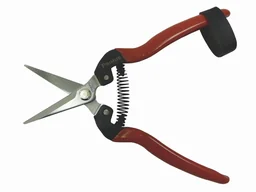
Young clematis need a sturdy climbing support from the outset. The
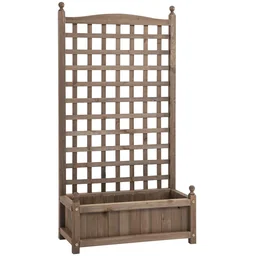
Would you like to start with several plants at once? The
contains three robust clematis plants, perfect for covering a larger area or trying out different varieties.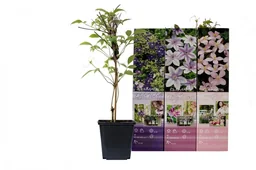
Remember the essentials, too: a suitable garden hose solution and practical storage for garden waste bags make the work easier.
With this knowledge, you can find your personal favourite clematis. Whether it is a lush spring bloomer or a delicate late-summer display, there is a suitable clematis for every corner of the garden.
Frequently Asked Questions
- When is the best time to plant clematis?
- Plant clematis in spring or autumn. The soil should be frost-free and not too wet. Container-grown plants can be planted almost year-round. Make sure the soil is deep and well-drained, and plant the clematis slightly deeper than it was in the pot.
- Why does my clematis have yellow leaves?
- Yellow leaves are often a sign of clematis wilt, a fungal disease. Cut affected shoots back immediately to healthy wood. As a preventive measure, choose a sheltered location that is not too wet. Waterlogging or nutrient deficiencies can also cause yellowing.
- How often do I need to prune my clematis?
- How often you prune depends on the pruning group. Early-flowering species (Group 1) need little pruning, only occasional thinning. Most large-flowered hybrids (Group 2) should be lightly pruned in late winter. Vigorous late-flowering varieties (Group 3) should be cut back hard in spring.
- Can I grow clematis in a pot?
- Yes, many compact or semi-shrubby clematis varieties are suitable for growing in pots. Choose a sufficiently large container with good drainage. A climbing support is essential. Water and feed regularly, as the root space is limited.
- Which clematis flowers in shade?
- Clematis such as Clematis alpina or Clematis montana tolerate light shade. Ideally, the roots should be cool and shaded, while the shoots and flowers receive sun to partial shade. Full shade is unsuitable for most varieties.
You may also be interested in
- Flowers in the Garden: Popular Types and Planting Tips
- Anthurium Types & Varieties: The Best Flamingo Flowers for Your Home
- Tomato Varieties for Growing: The Best Choice for Your Garden
- Ornamental Sage: The Most Beautiful Varieties for Your Garden
- Discover Cucumber Varieties: Variety for Your Vegetable Garden
- Climbing Plants & Supports: Create Green Walls