
In brief: Cloudy pool water is usually caused by a chemical imbalance (incorrect pH level, insufficient chlorine), inadequate filtration or organic contaminants such as algae. Test and correct the water values, backwash the filter, carry out shock chlorination and use a flocculant if necessary to clear the water again.
You look at your pool and instead of clear blue water, you see a milky, cloudy mess. This affects not only its appearance but also your enjoyment of swimming. The good news is that the problem can usually be solved quickly with the right knowledge. A clear pool is the highlight of every Garden + Outdoor area, and targeted measures will soon restore your enjoyment of the refreshing water.
Why is my pool water cloudy? The most common causes
Cloudy water is not a random occurrence but a clear sign that something in your pool’s ecosystem is out of balance. The causes can usually be traced back to a few key factors.
Chemical imbalance: pH level and disinfection
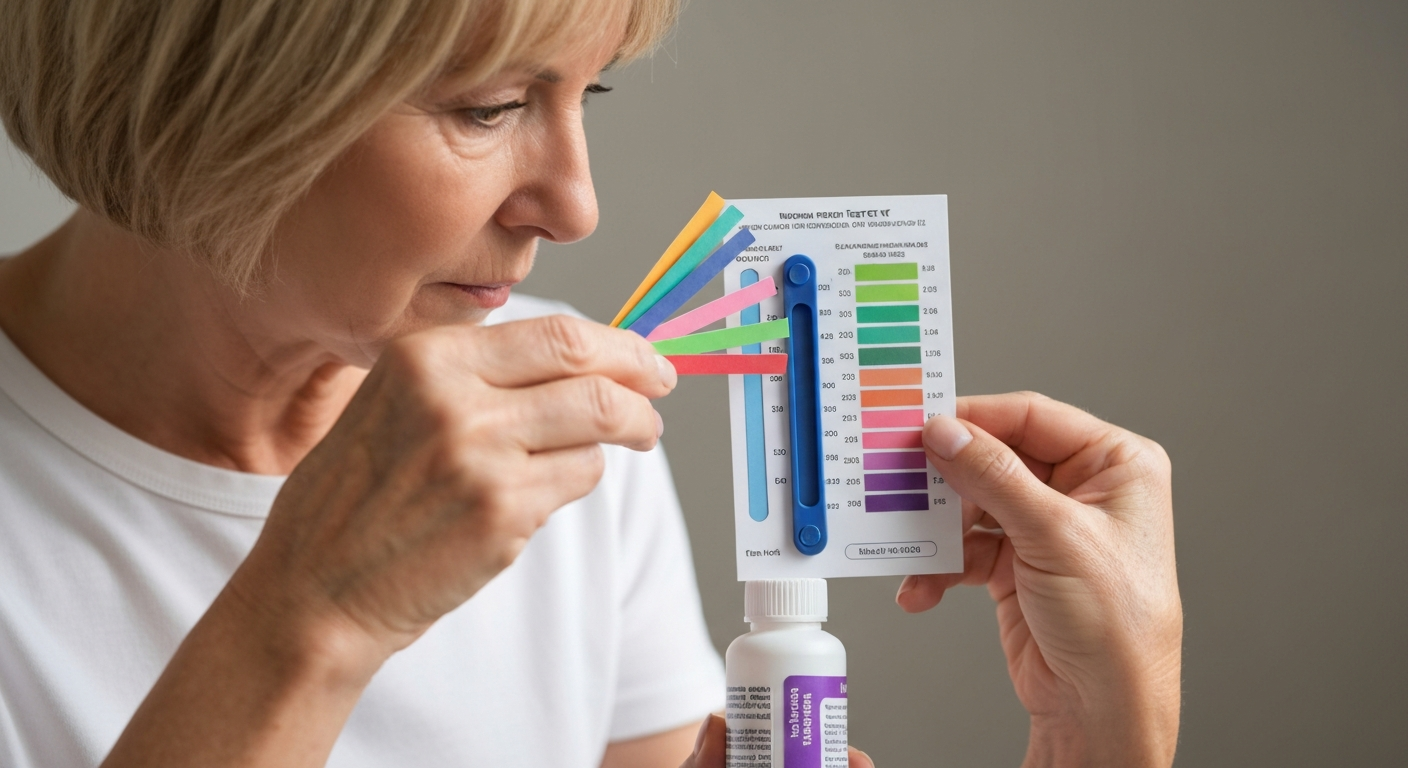
Water chemistry is the foundation of clear pool water. If the values are not right, even the best filter systems and cleaning products may fail. The pH level is the most critical factor. If it falls outside the ideal range of 7,0 to 7,4, the disinfectant, usually chlorine, loses much of its effectiveness. A pH level that is too high can also cause limescale deposits, making the water look milky. A value that is too low makes the water aggressive and can damage pool components.
Inadequate filtration: The heart of pool cleaning
Your filter system is the pool’s liver. It continuously removes dirt, suspended particles and organic residues from the water. If filtration is insufficient, these particles accumulate and cause cloudiness. Common problems include too short a filter cycle, a dirty or exhausted filter medium (e.g. sand that has clumped together) or a faulty pump. A powerful pump from the Plumbing + Irrigation range is essential for water circulation.
Organic contaminants: Algae, bacteria and more
Every swimmer brings sunscreen, skin flakes and sweat into the water. Pollen, dust, leaves and insects also enter from outside. These organic materials provide food for bacteria and algae. Once these microorganisms begin to multiply, they quickly cause visible cloudiness. Early algae growth, before the walls even turn green, can make the water appear milky green.
The pH level is the most important control factor in pool maintenance. If it is not right, none of the other pool care products can work to their full potential.
Environmental factors: When nature clouds your pool
The environment also plays a role. Heavy rainfall can suddenly change the pH level and alkalinity of the water and introduce a great deal of dirt. Saharan dust or heavy pollen in spring can quickly push the filter to its limits and cloud the water. These factors require a fast response when it comes to pool maintenance.
Step by step to crystal-clear water: A guide
Don’t worry, you don’t need to be a chemist to get your pool water back under control. Follow this tried-and-tested step-by-step guide to restore the water quality in your pool.
Step 1: Test the water values – the basis for everything
The first step is always analysis. Without accurate readings, you are working in the dark. Use test strips, tablet testers or a digital meter to determine and correct the following values:
- pH level: The ideal value is between 7,0 and 7,4. If the value is too high, lower it with “pH Minus”. If it is too low, raise it with “pH Plus”.
- Free chlorine: The value should be between 1,0 and 3,0 mg/l (or ppm). A value below 1,0 mg/l indicates inadequate disinfection.
- Alkalinity (TA value): This value buffers the pH level and should be between 80 and 120 mg/l. A correct TA value stabilises the pH level.
Adjust the values gradually and test again after a few hours before correcting the next value. Always start by adjusting the alkalinity, then the pH level and only finally the chlorine content.
Pro tip
After using flocculants, run the filter pump for 1-2 hours and then switch it off for at least 12-24 hours. This allows the flocs to settle undisturbed on the bottom, after which you can easily remove them with a pool vacuum.
Step 2: Check and clean the filter system
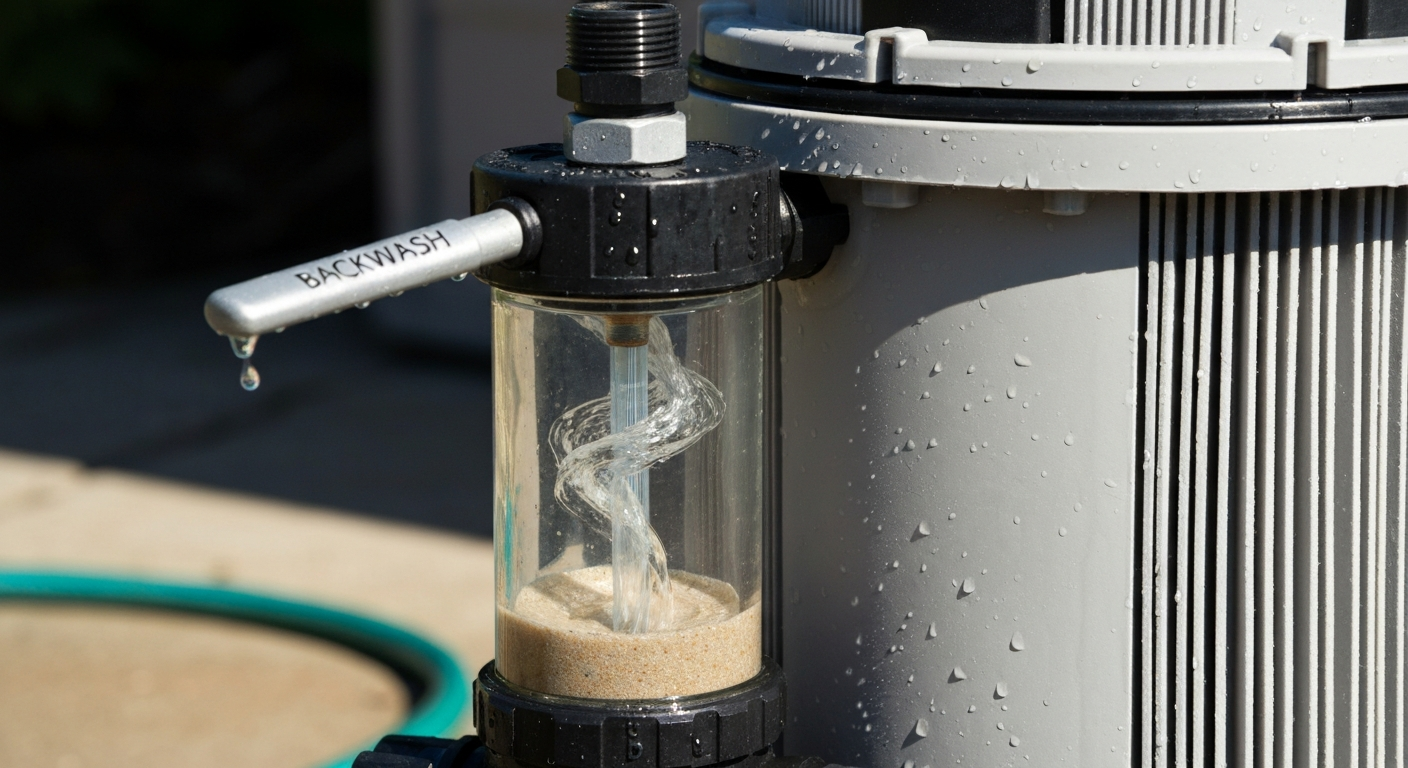
A clean filter is essential. Thoroughly backwash your sand filter system. Continue rinsing until the water in the sight glass is clear again. For cartridge filters, remove the cartridge and clean it thoroughly with a garden hose or soak it in a special cleaning solution. Also check the skimmer basket and the pump’s pre-filter for dirt.
Step 3: Carry out shock chlorination – the radical reset
Shock chlorination, also known as shock treatment, disinfects the water thoroughly and eliminates bacteria, algae and organic contaminants. Dissolve fast-dissolving chlorine granules in a bucket of water according to the dosage instructions and distribute the solution in the pool while the pump is running. It is best to do this in the evening, as UV radiation breaks down chlorine quickly.
Important note
Always wear gloves and safety goggles when handling pool chemicals, especially during shock chlorination. Never mix different chemicals directly together, as this can create dangerous gases.
Step 4: Use a flocculant – bind small particles
Sometimes suspended particles are so small that the filter cannot capture them. This is where flocculants come in. They bind these tiny particles into larger flakes, which can then be captured by the filter or vacuumed up as sediment from the bottom. Slowly add the flocculant to the skimmer while the pump is running.
Step 5: Vacuum the pool floor – the final clean
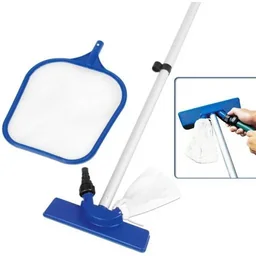
Once the chemicals have done their work and particles have settled, mechanical cleaning is next. Vacuum the pool floor thoroughly. A good pool care set , consisting of a skimmer net, brush and pool vacuum, is essential for cleaning the floor and walls manually. With a sand filter, set the lever to “Waste” to direct the vacuumed dirt straight out of the system and prevent the filter from being loaded again.
How to Prevent Cloudy Pool Water in the Future
Prevention is easier and cheaper than solving a problem. With a consistent routine, your water will stay clear all season long.
Consistency beats intensity. Consistent weekly basic care is far more effective than rare, time-consuming rescue operations.
Make It a Routine: Regular Pool Water Care
Test the water at least once or twice a week and correct the levels immediately if necessary. Remove large debris such as leaves daily with a pool skimmer. You should also regularly scrub the walls with a brush from the pool care kit () to stop algae from taking hold.
Keep the Filter Running
Don't cut back on filter run time. The entire pool volume should be circulated completely at least twice a day. In midsummer, with high temperatures and heavy pool use, three complete turnovers are also recommended. You should also backwash the filter weekly to keep it clean and operating efficiently.
Cover and Protect Your Pool
A pool cover is one of the best investments for clear pool water. It prevents dirt, leaves and rainwater from getting into the pool. This significantly reduces cleaning work and the amount of chemicals needed.
Additional Advice
A pool cover protects your pool from more than large debris such as leaves. It also reduces evaporation and heat loss and lowers the need for disinfectants, as less UV radiation breaks down the chlorine.
Special Case: Cloudy Water After Pool Shock Treatment
Sometimes the water becomes even cloudier immediately after a pool shock treatment. This is usually no reason to panic. It is often caused by calcium precipitating when the pH temporarily rises sharply, or by a large amount of dead, microscopic algae particles. Run the filtration system continuously for 24 to 48 hours. In most cases, the water will clear on its own. Then test and correct the pH level again.
A clear pool is the result of consistent care. Use the pool care kit () every week to remove leaves and insects before they sink to the bottom and decompose. With the right balance of chemical treatment, mechanical cleaning and sufficient filtration, nothing stands in the way of enjoying crystal-clear water.
Frequently Asked Questions
- How quickly does pool shock work?
- Pool shock starts working immediately, but it can take 12 to 24 hours for the water to become visibly clearer. During this time, the highly concentrated chlorine kills bacteria and algae. The filtration system must run continuously to remove the dead particles. Test the chlorine level before using the pool again.
- Can you swim in cloudy pool water?
- Swimming in cloudy water is strongly discouraged. Poor visibility increases the risk of accidents because people or obstacles under the water cannot be seen. Cloudiness can also indicate bacterial growth or chemical imbalances that may cause skin and eye irritation. Clear the water first.
- Why is my pool water cloudy despite correct chlorine and pH levels?
- If the basic levels are correct, the cause is often inadequate filtration. Check whether the filter is not running long enough, the filter is dirty (backwash it!) or the filter medium (sand, glass) needs replacing. Very fine suspended particles that the filter cannot capture may also be responsible. A pool flocculant can help in this case.
- How often should the pool pump run?
- The pool pump should run long enough to circulate the entire water volume completely at least two to three times a day. In summer temperatures and with heavy use, this often means 8 to 12 hours a day. Running the pump for too little time is one of the most common causes of poor water quality.
- What is the difference between an algae bloom and cloudy water?
- General cloudiness appears milky, whitish or grayish and is caused by fine suspended particles. An algae bloom, on the other hand, turns the water noticeably green or yellowish. The pool walls also often feel slippery when algae are present. While cloudiness is often caused by chemical or filtration problems, algae growth always requires an algaecide and pool shock treatment.
You May Also Be Interested In
- Green Pool Water? Effective Solutions and Prevention
- Foam in the Pool: Identify the Causes and Get Rid of It Effectively
- Solving Garden Pond Problems: Combat Algae and Cloudy Water
- Brown Pool Water? How Vitamin C Quickly Makes the Water Clear
- How Do I Maintain the Optimal Chlorine Level in My Pool?
- Pool pH: How to Maintain It Properly and Effectively