
In brief: You can control aphids naturally by attracting beneficial insects, using physical methods and applying plant-based treatments. Avoid chemical sprays to protect ladybugs, lacewings and birds. Instead, wash aphids off with water, use nettle tea or soapy water, and grow insect-friendly plants to create a resilient garden.
Control Aphids Naturally Without Chemical Sprays
An aphid infestation can be frustrating. These tiny sap-sucking insects weaken plants and leave behind sticky honeydew. Chemical sprays may seem like an easy fix, but they can do more harm than good by killing beneficial insects and disrupting the garden’s natural balance. Fortunately, there are effective alternatives.
Natural aphid control methods are more targeted and sustainable. They work with your garden’s natural ability to keep pests in check. This article explains how to manage aphids without pesticides, using physical methods, plant-based treatments and ways to attract beneficial insects. The result is a more resilient garden.
Why chemical sprays can make the problem worse
Systemic insecticides work from inside the plant. The plant absorbs the active ingredient, aphids ingest it as they feed, and then they die. It sounds efficient, but the method has serious drawbacks. Chemicals can also reach pollen and nectar, putting bees, butterflies and other pollinators at risk.
Broad-spectrum insecticides kill many kinds of insects. Ladybug larvae, lacewings and hoverflies can all be affected. These beneficial insects that eat aphids help control pests naturally. Without them, an infestation may return even worse after treatment. Aphids reproduce rapidly while their natural predators are gone.
Important note
Many chemical pesticides can also be harmful to people and pets. Follow the required waiting periods before harvesting fruits and vegetables. On ornamental plants in the Garden + Outdoor section, residues can remain in the ecosystem. Always try the gentlest method first.
Another concern is pesticide resistance. Aphids reproduce quickly and in large numbers. Mutations can lead to populations that no longer respond to certain pesticides. That can start a cycle of using increasingly powerful sprays. Natural methods avoid this risk by relying on a diverse garden rather than a single active ingredient.
How to remove aphids with physical methods
The simplest method takes just water. A strong spray from a garden hose or pressure sprayer can knock aphid colonies off plants. Most aphids fall to the ground and cannot find their way back. This method works well on sturdy plants such as roses and currant bushes. Use a gentler spray on young shoots and soft leaves.
For a small infestation, wipe the aphids off by hand. Put on gloves and squash them between your fingers. It works, although it may not appeal to everyone. You can also lift the insects off with sticky tape. These physical methods work right away and leave no residue.
“A strong spray of water is my first choice. It removes aphids and the sticky honeydew that attracts ants. Be sure to spray the undersides of the leaves, where most of the insects hide.”
For potted plants or small beds, you can rinse the plants in the shower or bathtub. Hold the root ball firmly so the soil does not wash away. Turn the plant carefully to reach all sides. Let it drain thoroughly before putting it back in place. Repeat as needed.
How to Use Plant Tonics and Home Remedies
Home remedies can strengthen plants and make them less attractive to pests. Nettle tea is a classic option. Soak one kilogram of fresh nettles in ten litres of water. After two to three weeks of fermentation, the liquid is ready. Dilute it at a ratio of 1:10 and water the soil around the plants.
The liquid supplies plants with nitrogen and silica, which help strengthen cell walls. Aphids have a harder time piercing sturdy plant tissue. The smell can also repel many insect pests. Use the right dilution: undiluted nettle tea can burn roots. Find suitable containers in our business supplies section.
Expert tip
Try making a decoction with tansy or wormwood instead of nettles. These plants contain stronger essential oils and bitter compounds. Boil 150 grams of fresh herbs in one litre of water, then let the mixture steep for 30 minutes. Allow it to cool, strain it and dilute it at 1:5. Spray the affected areas. The decoction deters aphids and is mildly toxic to them.
Potassium soap solution is another tried-and-true home remedy for aphids. Dissolve 20 grams of pure potassium soap in one litre of warm water. If you like, add a splash of rubbing alcohol or canola oil. Spray the solution over the aphids until they are thoroughly wet. The soap blocks their breathing openings. Rinse the plant with clean water after a few hours to help prevent leaf damage.
can provide extra support here. Healthy, active soil is the foundation for resilient plants. The soil activator improves soil structure and supports soil life. Plants growing in healthy soil are less susceptible to pests. Work it into the soil when preparing beds or spread it around established plants.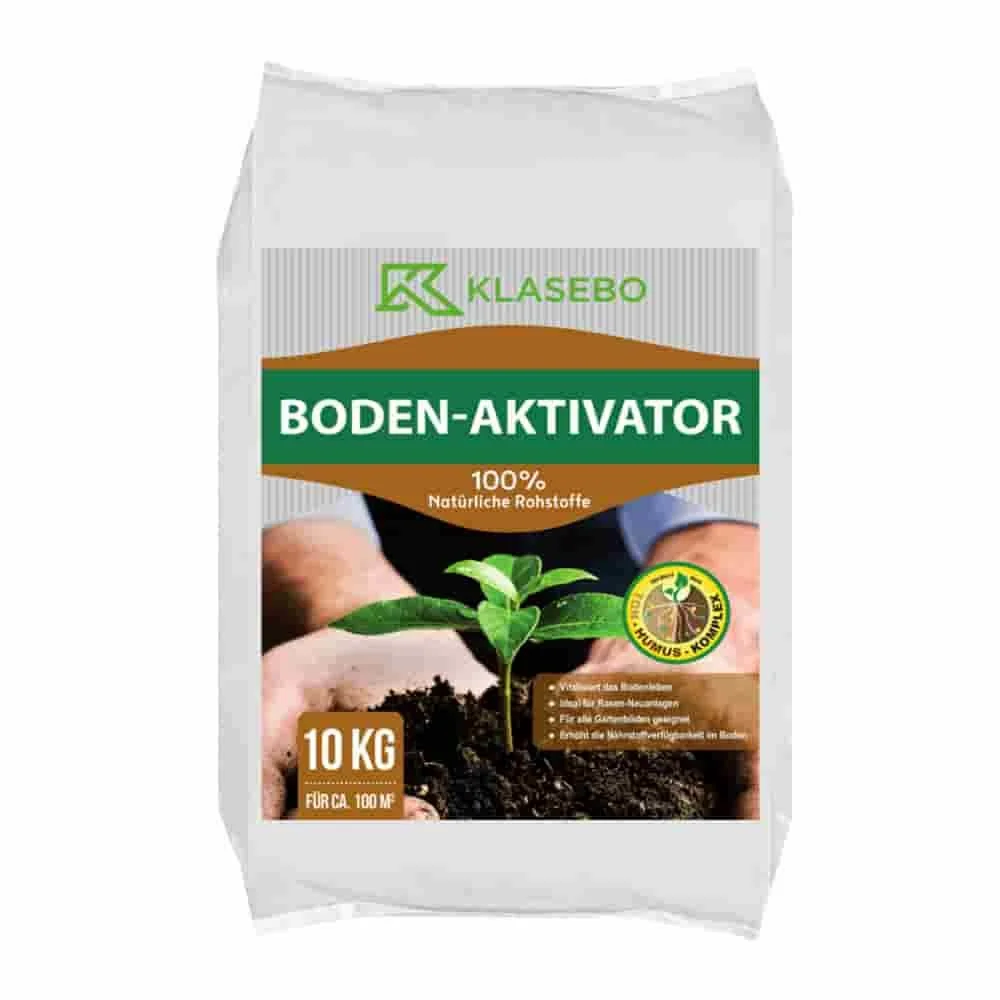
How to Attract Beneficial Insects to Your Garden
Biological pest control relies on natural predators. Your garden is home to many helpful creatures—you just need to attract them. Ladybugs are among the best-known beneficial insects for aphids. A single larva can eat up to 800 aphids, while adult ladybugs eat another 100 a day. Attract them with shallow dishes of water and places to overwinter, such as leaf piles or insect hotels.
Green lacewing larvae are also known as “aphid lions” because of their voracious appetite. Adult lacewings feed on pollen and nectar, so plant flowering herbs such as dill, fennel and wild carrot. Hoverflies look like small wasps, and their larvae are efficient aphid hunters. Adult hoverflies need nectar-rich flowers throughout the season.
“A garden without places for beneficial insects is an open invitation to pests. I always leave one area with nettles and wild herbs. Ladybugs and lacewings develop there before moving into the beds. That’s active plant protection.”
Birds such as chickadees, sparrows and robins feed aphids to their young. Put up nesting boxes and provide water year-round. Avoid insecticides so birds do not eat poisoned insects. A diverse, slightly untidy garden offers the best habitat for all these helpful creatures. Our pet and animal supplies range includes nesting boxes designed for different species.
Prevention: How to Make Your Plants More Resilient
The best way to control aphids is to prevent them in the first place. Healthy plants growing in good soil can often fend off pests on their own. Choose plants suited to their location. A sun-loving plant grown in the shade will become weak and more susceptible to pests. Avoid overfertilising with nitrogen. Lush, soft growth is especially attractive to aphids.
Companion planting can confuse pests. Plant strongly scented herbs such as lavender, thyme or summer savory between your vegetable rows. Their strong scent masks the host plant’s smell, making it harder for aphids to find it. This method is a cornerstone of organic gardening.
Additional tip
Inspect new plants thoroughly before adding them to your garden. Potted plants can bring aphids with them. Isolate new arrivals for a few days and keep an eye on them. When shopping in Garden + Plant Supplies, look for healthy, vigorous plants without sticky residue or distorted shoots.
Regular inspections are essential. Walk around your garden every week and check the undersides of leaves. An infestation caught early is easy to manage. Remove infested shoot tips right away. You can compost them if your compost pile gets hot enough. Otherwise, dispose of them with your household waste.
When Home Remedies Aren’t Enough: Biological Treatments
In severe cases, you can use approved biological treatments. These contain natural active ingredients and are gentler on beneficial insects. Neem oil or neem extract works against sap-sucking insects by disrupting their hormone balance and inhibiting their development. It is safe for humans, warm-blooded animals and beneficial insects such as bees.
Specialist retailers also offer treatments based on potassium soap or rapeseed oil. They work by physically suffocating the insects. Their effectiveness is limited because they only affect insects that are directly sprayed. Spray thoroughly and repeat the application. These treatments are a good next step before using chemical products.
can add a little joy to everyday gardening. Even pest control can leave room for enjoyment. An unexpected gift can lift your mood. Focus on the best parts of your garden: the hum of beneficial insects and your plants’ healthy growth.
You can find products for biological plant care in our extensive Shop. Always consider the bigger picture. What you do to control aphids today affects your garden’s ecosystem tomorrow. Choose ways to strengthen plants instead of destroying pests. Your garden will reward you with healthy growth and natural balance.
Conclusion: A Balanced Garden Doesn’t Need Chemical Sprays
Natural aphid control is no compromise. It is a better strategy that protects biodiversity in your garden. Chemical sprays offer a short-term fix with long-term consequences. The methods in this article help break the cycle of infestation and pesticide use.
They combine prevention, physical removal and support for beneficial insects. They use home remedies that strengthen plants instead of adding to their stress. This approach takes a little more attention and patience. The reward is a resilient, thriving garden where plants, animals and people feel at home.
Start today. Inspect your roses, beans or blackcurrant bushes. Encourage ladybugs. Make a cold-water nettle infusion. Every step away from chemicals benefits your harvest, the environment and your peace of mind in the garden.
Frequently Asked Questions
- What home remedy gets rid of aphids right away?
- A mild insecticidal soap solution works quickly. Dissolve 20 grams of potassium soap in one litre of warm water and spray the affected plants until they are thoroughly wet. The soap coats the aphids and blocks their breathing openings. Repeat the treatment every two to three days. Rinse the plants with clean water after a few hours to help prevent leaf damage.
- Can I spray aphids off with water?
- Yes, a strong stream of water is an effective way to knock aphids off your plants. Use a garden hose with a spray nozzle or a pressure sprayer. Pay special attention to the undersides of the leaves, where aphids like to hide. Most of the insects will be knocked off and won’t return. This method is harmless to plants and beneficial insects. Repeat if the infestation returns.
- Which plants attract beneficial insects that help control aphids?
- Plant dill, fennel, borage or marigolds. These herbs and flowers provide lacewings, hoverflies and ladybugs with food and shelter. Hoverflies lay their eggs in aphid colonies, and the larvae that hatch eat hundreds of aphids. A diverse garden bed with supplies from the Garden + Plant Accessories section is one of the best ways to prevent infestations.
- Does nettle tea damage plants?
- Not when used correctly. Dilute finished, fermented nettle tea with water at a ratio of 1:10. Undiluted nettle tea can burn plants because of its high nitrogen content. Apply the mixture around the roots, not over the leaves. Nettle tea works as a strengthening fertiliser and helps plants become more resilient. You can find suitable watering cans in the Garden Irrigation range.
- Why should I avoid chemical aphid sprays?
- Chemical insecticides kill valuable beneficial insects such as bees, ladybugs and lacewings, along with pests. They can build up in the food chain and disrupt the ecological balance over time. Natural methods are more targeted and sustainable, and help protect biodiversity in your garden. Aphids can also quickly develop resistance to chemical active ingredients.
You may also be interested in
- How to Get Rid of Aphids Effectively: Natural Remedies & Tips
- How to Control Aphids Naturally: Using Hoverflies as Beneficial Insects
- How to Get Rid of Aphids with Milk: The Natural Solution
- Garlic Spray for Aphids: Effective Natural Protection
- How to Identify and Control Aphids: Effective Strategies for Your Garden
- Natural Mosquito Repellents: Home Remedies for a Bite-Free Summer