
In brief: In our 2026 cordless reciprocating saw comparison, 18V models stand out for their power and versatility. Compatibility with your existing battery platform is key. A 12V tool is enough for light work, while we recommend an 18V model for demanding jobs. Look for comfortable ergonomics and a good selection of blades.
Looking for a powerful cordless saw to cut wood, metal or plastic? A cordless reciprocating saw could be the right tool for you. Compared with corded models, it gives you more freedom to work in the garden, on a jobsite or in tight spaces. Our 2026 comparison will help you find the right model for your needs. We cover the key features and compare selected tools.
Contents
What is a cordless reciprocating saw?
A cordless reciprocating saw, also known as a recip saw, cuts with a back-and-forth motion. The blade moves in a straight line, making it suitable for cutting a range of materials. Its key advantage is the battery: you can work without being tied to a power outlet.
That makes the tool especially versatile. You can use it outdoors or in rooms without a power outlet. Modern lithium-ion batteries offer enough power and capacity for most projects. They charge quickly and last for a long time.
Tip: Check that the battery is compatible with your tools. If you already own cordless tools from a manufacturer, buying a bare tool can be a good value. You can use your existing batteries and avoid buying extras.
Advantages at a glance
A cordless reciprocating saw offers some clear advantages. The biggest is freedom from power cords. You can move around without a cord getting in the way or needing an extension cord. That makes the tool more convenient and can help reduce trip hazards.
Other advantages include:
- Versatile: With the right blade, you can cut wood, metal, plastic and even stone.
- Easy to handle: Its compact design makes it easier to work in tight spaces.
- Quick to set up: No cord to unwind—just insert the battery and get started.
- Quieter operation: Cordless models are often quieter than many other saws.
Among cordless saws, the reciprocating saw has become an essential all-around tool.
Buying tips: What should you look for?
Before buying a cordless reciprocating saw, check a few key features. They can help you decide whether a tool is right for the jobs you have in mind.
Voltage and battery capacity
Voltage (such as 12V or 18V) gives you an initial indication of a tool’s power. Higher voltage usually means more power for demanding materials. Battery capacity, measured in Ah, affects runtime. A higher-capacity battery is useful for longer work sessions.
Stroke rate and speed control
The stroke rate, measured in strokes per minute (SPM), affects cutting speed. Variable speed control lets you adjust the blade speed to suit the material and the job.
Ergonomics and accessories
An ergonomic handle with a secure grip feels comfortable in your hand and can help reduce fatigue. An integrated dust blower keeps the cutting line clear. A tool-free blade change saves time. Also check the availability of suitable cordless reciprocating saw accessories.
Important: Don’t choose a reciprocating saw based on power alone. Ergonomics and handling matter just as much. A bulky tool that becomes uncomfortable to hold after five minutes won’t be much use.
Cordless Reciprocating Saw Test & Comparison
In the following section, we present selected models to suit different needs. Our comparison helps you see how they differ.
Here are the highest-rated cordless reciprocating saws in our range:
| Model | Customer rating | Availability |
|---|---|---|
| Westfalia 18V Cordless Reciprocating Saw ASSG18 – without battery and charger 🏆 Test winner | ★ 4,7 (26) | In stock |
| 12V Li-Ion Cordless Reciprocating Saw "Shark" | ★ 4,7 (15) | In stock |
| 12V Reciprocating Saw (without battery and charger) | – | Currently unavailable |
| ASE 18 LTX (602269850) Cordless Reciprocating Saw without battery pack or charger | – | Currently unavailable |
| Cordless Reciprocating Saw / Pruning Saw – 152 mm Saw Blade WITH 4 Matching Saw Blades | – | Currently unavailable |
For occasional jobs around the home or garden, a 12V reciprocating saw may be all you need. The
is a good entry-level choice, thanks to its compact design and lithium-ion technology. It is lightweight and easy to handle.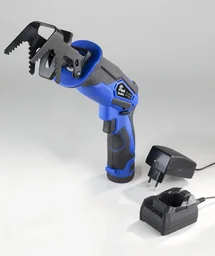
If you use your saw more often or take on tougher jobs, consider an 18V system. The
runs on an 18V battery system and is suitable for professional use. It is especially practical if you already own compatible batteries.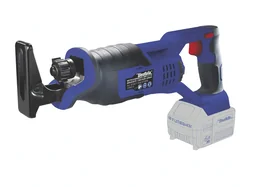
A model such as the
delivers a good balance with its 14,4V battery. It offers more power than a 12V model while often being easier to handle than some 18V versions. There is a wide range of tools, so consider which features matter most to you.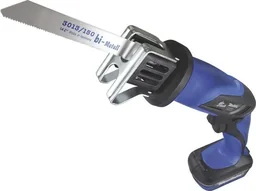
Note: Battery and charger availability may vary. Some offers include both, while others do not. Check the product details carefully so you can get started right away after purchase.
Care and maintenance
To keep your cordless reciprocating saw working reliably for years, give it a little regular care. Remove dust and dirt from the tool after each use with a dry or slightly damp cloth.
The blade holder needs particular attention. Keep it clean so you can change blades easily. Store the tool in a dry place. Charge the batteries according to the manufacturer's instructions and avoid deep discharge.
Safety when working
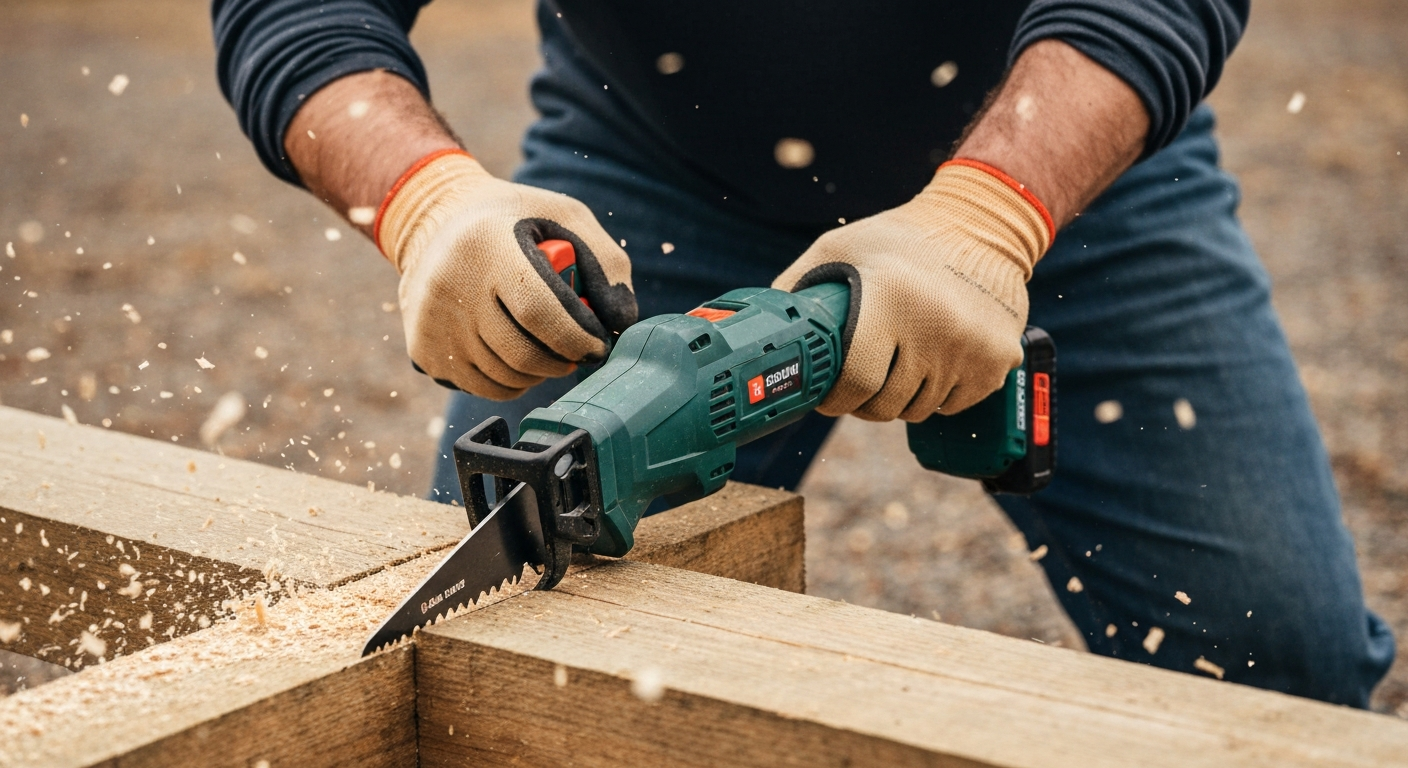
Safety comes first when using a reciprocating saw. Always wear safety glasses to protect your eyes from flying debris. Work gloves protect your hands and give you a better grip.
Wear hearing protection during extended use. Stand securely and hold the tool with both hands. Make sure the material you are cutting is firmly secured. Never use a dull or damaged saw blade.
Conclusion
The right cordless reciprocating saw for you depends largely on the projects you have planned. For light, occasional jobs, compact 12V models are an excellent choice. They are affordable and easy to handle.
For tougher jobs and frequent use, consider an 18V model. Its greater power and cutting performance can make a real difference. Before buying, check whether the battery and charger are included or need to be purchased separately. Keep these buying criteria in mind and you are sure to find the right model for your workshop.
Frequently Asked Questions
- What can you use a cordless reciprocating saw for?
- A cordless reciprocating saw is a highly versatile tool. It’s ideal for pruning branches, cutting down small trees, cutting lumber to size, sawing through metal pipes, and removing old roots. Its key advantages are easy handling and the freedom to work without a cord.
- Which voltage should I choose: 12V or 18V?
- It depends on how you plan to use the saw. 12V models are lighter and easier to handle, making them a good choice for occasional, lighter jobs around the home and yard. 18V reciprocating saws deliver more power and cutting performance for frequent, demanding projects, such as cutting thick lumber or tackling remodeling work.
- Do I need to buy the battery and charger separately?
- It depends on the model. Many reciprocating saws are sold as a “bare tool,” especially professional models. That’s a good option if you already own compatible batteries and a charger. Starter kits that include a battery and charger are also available.
- How important are the impact rate and stroke rate?
- The stroke rate (SPM) affects how quickly the saw cuts soft materials such as wood. The impact rate (BPM), on the other hand, is important for hard materials such as metal. A saw with a variable impact mechanism and adjustable stroke rate gives you more flexibility when cutting different materials.
- Can I use any saw blade?
- No. Make sure the blade has the right shank, usually SDS or a universal fitting. Choose the blade length, tooth pattern, and material to suit what you’re cutting. Special blades are available for wood, metal, and plastic.