
In brief: Crate gardening works on balconies, patios and in small courtyards when you choose a deep enough container, loose soil, good drainage and suitable plants. With plenty of sun, regular watering and companion planting, you can harvest lettuce, herbs, radishes, tomatoes and beans in a small space.
Crate gardening works on balconies, patios and in small courtyards when you choose a deep enough container, loose soil, good drainage and suitable plants. With plenty of sun, regular watering and companion planting, you can harvest lettuce, herbs, radishes, tomatoes and beans in a small space.
How can you create a crate garden in a small space?
A crate can turn just a few square feet into a well-defined growing space. You can manage the soil, watering and plant spacing more easily than in a garden bed. Crate gardening works well on balconies, rooftop patios, in courtyards and by house entrances, as long as the spot gets enough light.
Choose a spot that gets at least six hours of sunlight a day if you want to grow tomatoes, peppers or beans. Lettuce, spinach, radishes and many herbs can also grow with four to five hours of light. Check how windy the spot is, how far it is from a water source and whether the surface can support the weight.
Choose a crate to suit the plant and its root depth
A soil depth of 20 to 25 cm is enough for cut-and-come-again lettuce, radishes, chives and basil. Swiss chard, strawberries, bush beans and short carrot varieties need around 25 to 30 cm. Tomatoes, peppers, cucumbers and larger root vegetables grow more reliably in a depth of 30 to 40 cm.
A sturdy fruit or vegetable crate with a base measuring about 60 x 40 cm provides enough room for several small crops. Large crates can be tempting, but they get very heavy when filled with damp soil. Put the crate in its final spot before filling it.
Check the drainage and base before filling the crate
Water must be able to drain from every crate. If you’re using a closed wooden crate, drill several holes about 8 to 10 mm in diameter in the base. If the crate has large gaps, line the sides with water-permeable fabric and leave the base open.
Set the container on small feet or battens. This helps the underside dry faster and keeps the wood from sitting in water. A saucer can protect your balcony, but don’t let it fill up with water, or the soil may become waterlogged.
“Urban gardening makes it possible to grow vegetables and herbs even where you do not have your own garden.”
How can you build a raised bed yourself?
You only need a few materials to build a raised bed from a single crate. It works like a small raised bed, but is lighter and easy to adapt to the space. On balconies and patios, focus on a stable surface and reliable drainage.
Materials and dimensions for your crate
Use a sturdy crate made from untreated wood or a suitable planter. A base measuring 60 x 40 cm is easy to plant and can still be moved while empty. For climbing plants, you’ll also need a trellis, stakes or string for support.
Leave about 3 cm of space between the soil and the rim. The rim helps keep water and soil in the crate. If you fill it to the top, generous watering can spill soil onto paths and balcony floors.
How to build a crate garden, step by step
- Choose the location: Put the empty crate in a sunny spot with enough room to move around it.
- Create drainage: Drill holes in the base or check that existing gaps let water drain freely.
- Line the sides: Use water-permeable fabric on the sides to keep soil from falling out. Leave the base open to air and water.
- Add drainage material: If the crate is almost closed, add a thin layer of expanded clay or coarse material to the base.
- Fill with growing medium: Fill the crate with loose vegetable soil to just below the rim and press it down lightly.
- Water thoroughly: Water the growing medium slowly, let it settle and add more soil if needed.
- Plant: Follow the spacing instructions on the seed packet and add supports for climbing plants before they get big.
Pro tip
Start with a 60 x 40 cm crate and picture it divided into four planting areas. You can combine, for example, two lettuce plants, radishes, parsley and a row of bush beans without overcrowding the crate.
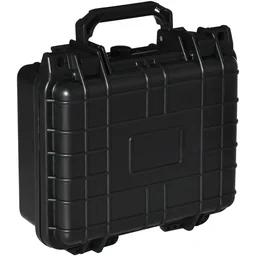
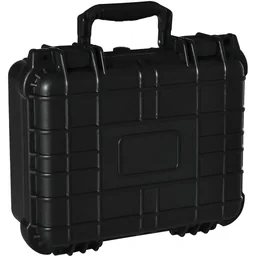
You only need a few basic tools for crate gardening. A compact tool case such as
Which soil and plants are suitable for growing vegetables in crates?
The soil determines water retention, air circulation around the roots and nutrient supply. Pure garden soil quickly becomes compacted in a crate and allows water to drain poorly. Instead, use loose vegetable compost and mix in mature compost if the growing medium is low in nutrients.
A tried-and-tested mix consists of approximately two parts peat-free vegetable compost and one part mature compost. If you buy pre-fertilised compost, reduce the amount of additional compost. Fresh manure, uncomposted material and coarse pieces of wood do not belong in a crate for edible plants.
Choose plants according to root depth and space requirements
- Shallow crates: Cut-and-come-again lettuce, radishes, rocket, chives, basil and cress grow well with a depth of just 20 to 25 centimetres.
- Medium-depth crates: Swiss chard, strawberries, bush beans, beetroot and short carrot varieties need around 25 to 30 centimetres.
- Deep crates: Tomatoes, peppers, cucumbers and larger root vegetables need 30 to 40 centimetres of growing medium and sturdy support.
Follow the instructions on the seed packet. For example, a crate measuring 60 by 40 centimetres has room for four lettuce plants spaced 20 centimetres apart. You can sow radishes more densely, while no more than one vigorous tomato plant should be planted in a container of this size.
Plan companion planting in a confined space
Place tall plants on the northern side of the crate so they do not shade shorter crops. Radishes grow quickly between young carrots and make room before the carrots reach their full size. Lettuce and herbs fill gaps while beans or cucumbers grow upwards on the trellis.
For your first attempt, choose a few reliable crops. A crate with lettuce, radishes and parsley will produce a harvest sooner than an overcrowded container with ten different plants. Find suitable seeds in the Vegetables category.
Important note
For edible plants, use only clean, untreated containers or containers clearly certified as food-safe. Pressure-treated wood, old painted crates and containers of unknown origin may release unwanted substances into the soil. If you cannot establish the origin with certainty, choose a new planter.
How can you keep a crate garden healthy and productive?
Crates dry out faster than beds. Therefore, check the soil regularly with your finger to a depth of two to three centimetres. If the top layer is dry, water slowly and directly onto the soil until a little water runs out of the drainage holes.
Watering without waterlogging
Water in the morning whenever possible. The plants then start the day with enough water, while the leaves and soil surface dry more quickly. On hot, windy days, small crates often need water every day, whereas a shady location may manage for several days.
A mulch layer made from shredded straw or dry grass clippings reduces evaporation. Keep the mulch a few centimetres away from the plant stem. For several crates or longer absences, a simple drip irrigation system makes watering easier; find suitable solutions in the Garden Irrigation category.
Feed, support and harvest regularly
Compost and pre-fertilised vegetable compost initially provide young plants with nutrients. After around four to six weeks, the supply in a small crate decreases, particularly for tomatoes, cucumbers, peppers and beans. Apply organic liquid fertiliser according to the dosage instructions and use the selection of Fertilisers suited to the plants' nutrient requirements.
Support tomatoes, cucumbers and beans early on. A trellis from the Garden and Plant Accessories range prevents shoots from lying on the ground. Harvest lettuce leaves, beans and herbs regularly, as young shoots regrow more quickly afterwards.
Check plants and keep tools clean
When watering, check the undersides of leaves and shoot tips. Remove badly affected leaves, brown plant parts and fallen foliage immediately. Good spacing, an airy canopy and watering directly at the roots help to prevent many fungal problems.
A sharp pair of scissors, a dibber and a small hand trowel are sufficient for daily care. Clean the tools after use and store them in a dry place. Find more suitable helpers among the Garden Tools. Store seeds, string and plant labels safely in a closed storage box such as
, but only in a dry indoor area.
“Using peat-free compost helps protect peatlands as important habitats and carbon stores.”
How can a crate garden be used throughout the season?
An urban gardening crate provides more than just one harvest and can change several times over the course of the year. Use the space for several rounds of planting instead of leaving it empty after the first harvest. This means that something new can keep growing in the same area from spring through to autumn.
Spring: sow fast-growing crops
As soon as the soil is frost-free and workable, start with radishes, cut-and-come-again lettuce, spinach, parsley and chives. Cover young plants with fleece during cold nights. Radishes and lettuce are ready after just a few weeks, leaving space for a second sowing.
Do not move tender herbs and fruiting vegetables outdoors permanently until after the last night frosts. If necessary, a crate can be moved more easily to a sheltered wall of the house than a permanently planted bed.
Summer: create climbing space and sow new crops in gaps
In summer, tomatoes, cucumbers, beans and peppers grow vigorously. Check the ties every day, guide shoots upwards along the trellis and remove wilted leaves. After harvesting radishes or early lettuce, sow more cut-and-come-again lettuce, rocket or bush beans.
Position tall plants so that they do not permanently shade smaller crops. In a south-facing position, a layer of mulch helps protect against heat, while light-coloured walls reflect additional warmth. It is better to harvest small amounts more often than to leave plants unharvested for too long.
Autumn and winter: keep using the crate
In late summer, sow lamb's lettuce, winter spinach, Asian greens and radishes for the cooler season. Remove harvested plants along with diseased roots and top up the soil with a little mature compost. Healthy plant material can be chopped up and composted.
Protect the crate from persistent rain and frost in winter. On a balcony, a sheltered position against the house wall is helpful. Do not allow the container to freeze completely if it contains perennial herbs or strawberries.
Additional advice
Plan three planting waves per crate: first radishes and lettuce, followed by beans or fruiting vegetables, and finally lamb's lettuce or winter spinach. Make a note of sowing dates, harvests and water requirements. These records quickly show you which varieties produce the best yields in your location.
Start with one deep crate and a few robust plants. When the location, soil and watering are right, you can expand your crate garden every year. This turns a small space into a reliable harvest of vegetables, herbs and lettuce.
Frequently Asked Questions
- What kind of crate is best for a crate garden?
- A sturdy crate at least 20 to 25 centimeters deep is enough for lettuce, herbs and radishes. Tomatoes, peppers, cucumbers and root vegetables need 30 to 40 centimeters of depth. Choose untreated material, sturdy handles and drainage holes to keep the crate from rotting or becoming waterlogged.
- How deep should a crate be for growing vegetables?
- For shallow-rooted vegetables, 20 to 25 centimeters is enough. Carrots, Swiss chard and bush beans grow better in 25 to 30 centimeters of soil. Tomatoes, peppers, cucumbers and larger root vegetables need 30 to 40 centimeters. The variety matters, too: dwarf varieties can grow in shallower containers.
- How often should I water vegetables in crates?
- Check the soil moisture two to three centimeters below the surface with your finger. Water when the top layer is dry. In summer, you may need to water daily. Water slowly and directly onto the soil, and make sure excess water can drain away. Wind, sunlight, crate size and the number of plants all affect how much water is needed.
- Can I make a raised bed from a wooden crate?
- Yes, as long as the crate is sturdy, clean and made from untreated material. Drill several drainage holes, line only the sides with water-permeable material and leave the bottom open. Fill it with loose potting soil, and check that your balcony or patio can support the weight before you fill it.
- Which plants grow well together in a crate?
- Lettuce, radishes and herbs grow well in shallow crates. In deeper containers, you can grow Swiss chard, bush beans, short carrot varieties and strawberries. Tomatoes and cucumbers need plenty of space and support. Pair a tall plant with low-growing crops, and sow quick-growing radishes between slow-growing carrots.
You might also be interested in
- Get the most from a small space: Tips for small garden beds
- Plan a balcony garden: Grow more in less space
- Balcony vegetables for beginners: Grow your own fresh produce
- Growing vegetables in a raised bed: Tips and advice
- Low-maintenance vegetable garden: Less work, more produce
- Build your own planter box: Ideas for balconies and gardens