
In brief: A shade garden offers its own fascinating world. Instead of relying on full sun, choose plants that thrive in low light. These include barrenwort, hostas and ferns. The design comes to life through contrasting leaf shapes, structural elements and a carefully chosen colour palette of white, blue and violet.
How do I create a vibrant shade garden?
Many gardeners see shady corners as a problem. In fact, they offer unique opportunities. They have a cool, moist microclimate that suits many plants which would scorch in full sun.
Designing a shade garden follows different rules from creating a sunny border. Bright flower colours are not the main focus. Instead, leaf shapes, textures and subtle shades take centre stage. A shade garden has a calm, natural feel.
Start by assessing the area. How many hours of sunlight does it actually receive? Is it dappled shade beneath a tree canopy or deep shade on the north side of the house? The answer determines which plants you can choose.
Expert tip
Observe the sun's path throughout a full day. Make a note of when light reaches the area. Even an hour of morning or evening sun can significantly expand your choice of plants.
Preparing the right soil
Shady areas are often beneath trees or close to buildings. The soil may be dry because of root competition or become compacted. Good preparation is essential.
Loosen the soil deeply with a garden fork. Work in mature compost or leaf mould. This improves the soil structure, retains moisture and supplies nutrients. Avoid mineral fertilisers that act too quickly.
A layer of bark mulch or shredded leaves after planting keeps the soil moist and suppresses weeds. In the Garden + Plant Accessories section, you will find practical tools for this work.
Which plants are suitable for shade?
There is a wide choice of shade plants. You can divide them into groups for light partial shade and full shade. Also consider their flowering times to create interest for many months.
For shady to partially shaded locations, astilbes, bleeding heart (Dicentra) and goat's beard are ideal. They tolerate morning or evening sun well. In deep shade, foliage plants really shine.
Hostas offer countless leaf colours and shapes. Combine them with the delicate fronds of ferns such as lady fern or hart's-tongue fern. These pairings are hard to beat.
In a shade garden, nuances are what matter. The interplay of light and shadow across different leaf surfaces – glossy, matt and hairy – creates more depth and drama than any garish summer flower.
Do not forget shrubs. Rhododendrons, hydrangeas and viburnums thrive in light shade. They give the border structure and height. Evergreen plants such as yew and cherry laurel provide greenery in winter too.
For flowering accents in darker corners, plant barrenwort (Epimedium), lungwort (Pulmonaria) or lesser periwinkle (Vinca minor). They are robust and spread slowly.
Important note
Do not plant shade perennials too closely together. Good air circulation helps prevent fungal diseases such as powdery mildew. Follow the recommended planting distances. The plants need room to develop their characteristic shape.
Adding colour to the shade
White, pale yellow, soft pink and violet are the key colours. In semi-darkness, they look like patches of light. The white flowers of foamflower (Tiarella) or white astilbes can brighten any corner.
Blue and violet create a mysterious, deep atmosphere. Perennials such as columbine, woodland forget-me-not and coral bells (Heuchera) in dark shades add attractive accents. Heuchera also offer fantastic foliage in bronze, purple or silver.
With a
, you can experiment affordably with a premium perennial flower seed mix for shady locations. Sow the mix in pots or prepared beds. Find more inspiration for a flower-filled garden in the Flowers + Mixes category.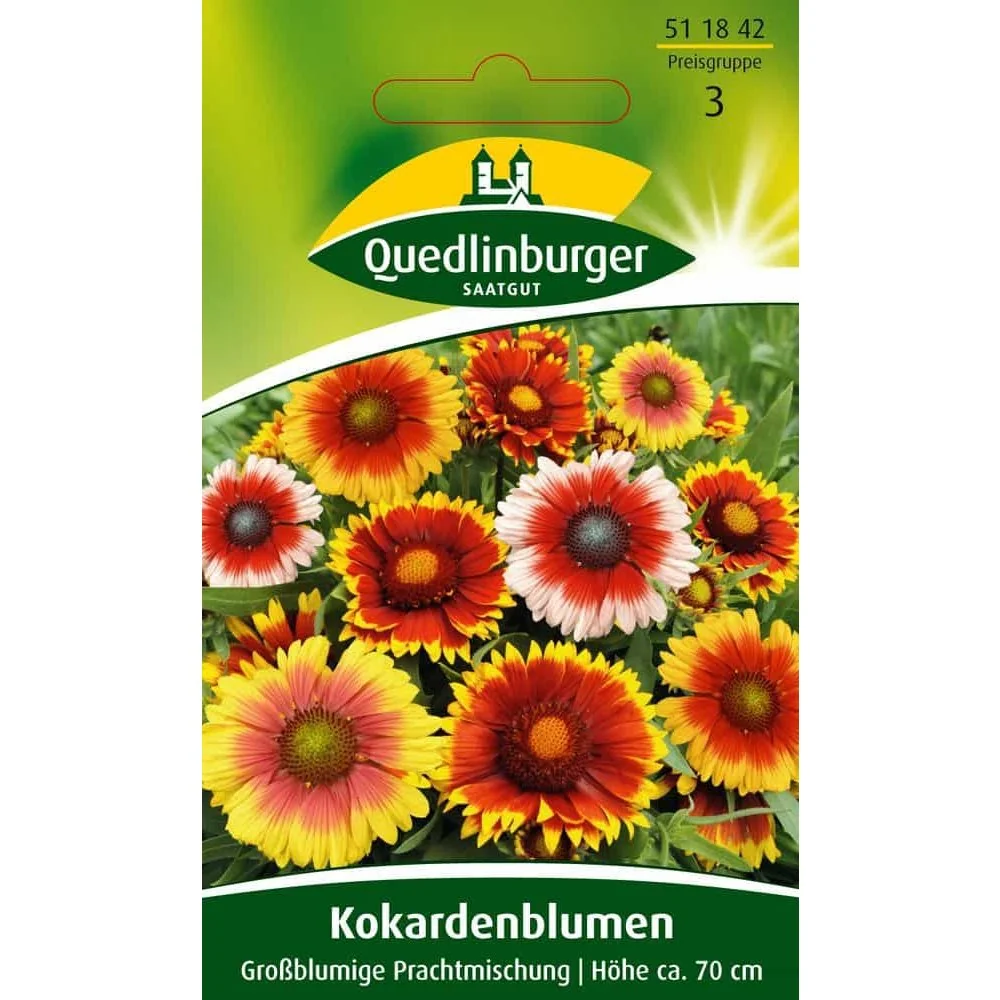
How do I plan a structured shade border?
A successful border has a clear structure. This is even more important in shade, as the eye is not drawn by bright colours. Plan with height, texture and the seasons in mind.
Use taller specimen perennials or small shrubs as feature plants at the back or in the centre. Arrange medium-height and ground-covering species in front of them. This creates depth.
Play with contrasts. Combine large-leaved, robust hostas with delicate, finely feathered ferns. Place glossy leaves next to matt, hairy ones. These textures work in every type of light.
Additional advice
Draw a rough plan. Note the mature height and flowering period of your chosen plants. This helps you avoid gaps in the border and ensures there is something interesting to see in every season – whether flowers, fruit or autumn colour.
Think about winter. Evergreen ferns such as polypody, grasses such as sedge (Carex) and the seed heads of perennials such as black cohosh add structure during the colder months. Leave faded stems standing.
Low, spreading plants such as lesser periwinkle, Japanese spurge (Pachysandra) or barren strawberry (Waldsteinia) are ideal for the edge of the border. They create a neat, attractive finish and suppress weeds.
Low-maintenance and close to nature
A well-planned shade border is easy to care for. Water during dry periods, especially in the first year and beneath trees. A layer of mulch greatly reduces the work involved.
Feed moderately in spring with compost or an organic slow-release fertiliser from the Plant & Flower Fertilisers category. Cut back faded flowers in early autumn or wait until spring, depending on the plant.
Shade gardens are often natural habitats. They provide nesting sites and food for birds and insects. Leave some fallen leaves in place. They provide shelter over winter and break down into valuable humus.
The greatest challenge in a shade garden is patience. The plants often grow more slowly, but more sustainably. Give the border three years to become fully established and reveal its full potential.
What are creative ideas for designing a shade garden?
Besides a classic flower bed, there are many options. Green up shady walls or fences with climbing plants. Ivy is extremely hardy. Climbing hydrangea (Hydrangea petiolaris) charms with white flower clusters and beautiful fall color.
Create a moss garden in damp, acidic areas. Mosses create a timeless, meditative look. Combine them with shade-loving dwarf conifers and boulders.
Add accents with decorative features. A large moss-covered stone, a simple wooden bench or a wrought-iron lantern draws the eye and becomes a focal point. For accessories like these, it is worth browsing the extensive shop section.
Water loves the shade. A small, still pond or a minimalist fountain stone reflects the limited light and brings movement to the scene. Dragonflies and other insects will quickly make it their home.
Shade on balconies and patios
Shade plants also thrive in containers. Choose sufficiently large pots with good drainage. A drainage layer of expanded clay is essential.
Plant window boxes with barrenwort, coral bells and low-growing ferns. Use taller containers for hydrangeas, rhododendrons or elegant Japanese pieris (Pieris). Do not forget to water regularly and apply a weak fertilizer during the growing season.
Protect your plants from pests even in the shade. You can find information and products for gentle plant protection in our range.
From planning to a thriving garden
Start small. Create a test bed and gain experience. Which plants grow especially well in your garden? Which combinations do you like?
Visit gardens with shady areas or perennial nurseries. There you can see the plants at their full size and gather inspiration. Make a note of the names you like.
A shade garden is never static. Trees grow and light conditions change. Stay flexible and adjust the planting from time to time. Divide perennials that have outgrown their space and replant them.
Enjoy the special atmosphere. A shade garden invites you to relax. It is a cool retreat on hot days and a place of constant, subtle discovery. Your efforts will be rewarded with unique, abundant blooms – all without blazing sun.
Frequently Asked Questions
- Which plants bloom in deep shade?
- In deep shade, plants with decorative foliage such as hostas and ferns thrive particularly well. For flowers, choose woodland cranesbill, barrenwort or lesser periwinkle. These perennials manage with very little direct sunlight and bring color to dark corners.
- How can I make a shade garden bed look attractive?
- An attractive shade garden bed relies on contrasts. Combine large-leaved hostas with delicate ferns. Add bright accents with white-flowering plants such as astilbes. Different heights and textures are also important for creating visual interest, even without intense colors.
- Do shade plants need special fertilizer?
- Shade plants generally need fewer nutrients than sun-loving plants. Apply an organic, balanced fertilizer in spring. Do not overfertilize, as this can lead to soft, vulnerable growth. You can find suitable products in our plant and flower fertilizer range.
- Can I create a shade garden under trees?
- Yes, this is ideal. Choose robust, drought-tolerant species such as lungwort or Balkan cranesbill. Loosen the soil deeply and work in compost to offset competition from tree roots. A layer of mulch helps retain moisture.
- Which mistakes should I avoid when planning a shade garden?
- The biggest mistake is choosing the wrong sun-loving plants. Avoid planting too densely. Leave space between plants to help prevent fungal diseases. Do not underestimate the impact of foliage structures – in shade, they are often more important than flowers.
You may also be interested in
- Plants for Partial Shade: Make the Most of Your Garden
- Designing a Garden Corner: Ideas for Shady Nooks
- A Biodiversity-Friendly Garden: Support Insects and Abundant Blooms
- Planting Hanging Baskets for Shade
- Designing Narrow Gardens: 6 Principles for Smart Planning
- Creating Cozy Spots in the Garden: Designing Peaceful Retreats