
In brief: An organic garden avoids chemical pesticides and synthetic fertilizers and works with natural cycles instead. The key is healthy soil, resilient plants and a diverse garden that attracts beneficial insects. Start by assessing your site and improving the soil with compost and mulch.
How to Start an Organic Garden: A Beginner’s Guide
An organic garden is about more than avoiding chemicals. It’s a way of gardening that works with nature, not against it. The goal is a resilient cycle of healthy soil, strong plants and diverse wildlife.
This guide covers the basics. You’ll learn how to improve your soil, choose the right plants and care for them naturally. The result is a garden that’s not only beautiful but full of life.
Why Start an Organic Garden?
There are plenty of reasons. You can harvest healthy fruits and vegetables without pesticide residues, create a habitat for insects and birds, and enjoy caring for your land responsibly.
Over time, an organic garden can also take less work. Healthy soil holds water more effectively, resilient plants need less care, and beneficial insects help keep pests in check.
How Do I Start Planning?
Start by observing your garden. Where does the sun shine, and for how long? Which areas are shady or windy? What kind of soil do you have—sandy, loamy or rich in organic matter? Your answers will help you choose the right plants.
Sketch out your yard and divide it into areas: a vegetable garden, herb spiral, wildflower meadow and compost area. Plan paths so you can easily reach every section, and remember to consider your water sources.
Expert tip
Start small. You don’t need to create all your garden beds at once. Begin with a manageable raised bed or small vegetable garden. This helps you avoid feeling overwhelmed and gives you time to learn as you go.
Choosing the Right Tools
Good tools make gardening easier. You’ll need a sturdy garden fork to loosen the soil gently. A sharp pair of pruning shears is essential for clean cuts.
Our
are great for a variety of jobs around the home and garden. They help you make precise cuts with less effort.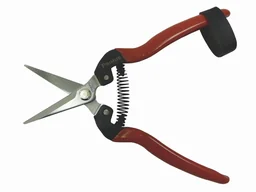
You’ll find all the gardening tools you need in our dedicated category. High-quality tools can last for decades.
How Can I Improve Soil Health?
Soil is the foundation of your garden. Living soil, full of microorganisms, earthworms and fungi, gives plants what they need to thrive. Chemical fertilizers can harm this delicate ecosystem.
Add organic matter to your soil. Well-rotted compost is a gardener’s gold: it adds nutrients and improves soil structure. Spread it over your beds in spring and lightly work it into the surface.
Cover the soil with mulch. Grass clippings, shredded hedge trimmings or leaves help prevent the soil from drying out, suppress weeds and gradually break down into humus.
Soil fertility is not a chemical factory but a living organism. We feed the soil life, not the plant.
Pay Attention to Crop Rotation
Don’t plant the same type of crop in the same bed year after year. This can deplete nutrients and encourage disease. Rotate heavy feeders (e.g. cabbage, tomatoes), moderate feeders (e.g. lettuce) and light feeders (e.g. beans, peas).
Legumes such as beans or clover take nitrogen from the air and add it to the soil. Grow them as a cover crop in beds after harvesting.
Important note
Don’t use unfinished compost. It can damage seedlings and contain unwanted substances. Finished compost smells pleasantly earthy, feels crumbly and is cool to the touch. The decomposition process takes several months.
Which Plants Are Best for an Organic Garden?
Choose resilient, open-pollinated varieties. Heirloom vegetables and native wildflowers are often more disease-resistant and better suited to the local climate than highly bred hybrids.
Grow a variety of plants. Monocultures can attract pests. With companion planting, plants can support each other’s growth and offer one another protection.
Classic companion planting combinations include carrots and onions or tomatoes and basil. Basil may help deter some pests from tomatoes.
To get started, explore a wide range of ideas in the Garden & Plant Accessories section.
Attract Beneficial Insects
A garden full of life can help keep many problems in check. Plant nectar-rich flowers for bees and butterflies, and leave a patch of nettles for butterfly caterpillars.
Build an insect hotel for solitary bees and wasps. These insects are harmless and eat large numbers of pests. A pile of dead wood and leaves gives hedgehogs a place to shelter.
A garden is complete only when it not only feeds people but also provides a home for a community of creatures.
How Does Natural Plant Care Work?
Prevention is better than cure. Healthy seeds, enough space between plants and suitable growing conditions all help reduce the risk of disease.
Water at the roots in the morning. This gives leaves time to dry and helps prevent fungal spores from taking hold. Avoid overhead watering.
A strong stream of water is often enough to remove aphids. Cut off heavily infested shoots, and encourage helpful insects such as lacewing larvae and ladybugs.
Additional advice
Strengthen your plants with homemade plant feeds. A brew made from field horsetail helps prevent fungal diseases thanks to its high silica content. Nettle liquid feed works as a nitrogen-rich fertilizer.
Managing Weeds Without Chemicals
Weeds are simply plants growing where you don’t want them. Suppress them with mulch or ground cover plants, and weed regularly before they set seed.
Use sharp-edged tools such as a weeding knife to cut through roots cleanly. A garden fork can loosen deep-rooted weeds such as dandelions.
For larger areas or paths, landscape fabric can help suppress weeds while allowing water and air to pass through.
How Can I Water My Garden Sustainably?
Water is a precious resource. Collect rainwater in rain barrels or cisterns. It’s naturally soft and ideal for watering plants. A suitable garden irrigation system helps distribute water efficiently.
Water less often but more deeply to encourage deep roots. Shallow daily watering leads to shallow root growth and makes plants more vulnerable to drought.
Install drip irrigation hoses in your beds. They deliver water directly to the roots, reduce evaporation and keep leaves dry.
Preparing the Garden for Winter
Leave spent perennials standing. Their seed heads provide food for birds, while their hollow stems give insects a place to overwinter. Clear them away in spring.
Cover delicate beds with a layer of leaves or brushwood. This protects the soil and the organisms living in it from frost and erosion.
Store your outdoor furniture under cover or use a patio furniture cover. This helps it last longer and makes it easier to get started next season.
The organic garden through the seasons
Every season has its own tasks. In spring, prepare the soil and sow seeds. Summer is the time to care for your plants and harvest. In fall, gather crops and seeds, then prepare the garden for winter dormancy.
Winter is a good time to plan, maintain your tools and enjoy the quiet. Take a look at your garden’s structure without its leaves.
An organic garden is never finished. It evolves. You learn more each year, see how everything is connected and adapt your methods. That’s the greatest reward.
Start now, with a healthy patch of soil, the right tools and a willingness to observe nature and learn from it. Your garden will thank you.
Frequently Asked Questions
- What is the most important first step when starting an organic garden?
- The most important step is preparing the soil. Check its structure and quality, then improve it with mature compost, which adds nutrients and supports soil life. Healthy soil is the foundation for resilient plants and significantly reduces the maintenance your garden needs.
- Can I grow vegetables in an organic garden?
- Yes, an organic garden is ideal for growing vegetables. Choose hardy varieties and rotate your crops to prevent nutrient depletion. Companion planting, such as growing carrots alongside onions, can naturally help deter pests. Keep the soil well nourished with compost and organic fertilizers such as horn meal.
- How can I control pests without chemicals?
- Focus on prevention and natural pest control. Attract beneficial insects such as ladybugs and birds with wildlife-friendly features. Physical barriers such as garden netting can protect plants from pests. If pests appear, homemade sprays made with insecticidal soap or tansy may help. Accept that some damage is part of gardening.
- Which plants are best for beginners?
- Start with easy-care native perennials such as bellflowers, catmint or sedum. For vegetables, try radishes, bush beans and zucchini. Herbs such as chives and rosemary are easy to grow and can also help deter pests. Find suitable plants and accessories in our category.
- Is organic gardening more expensive than conventional gardening?
- The initial investment may be higher, for example, if you buy high-quality seeds and compost bins. Over time, you can save money by avoiding expensive chemical fertilizers and pesticides. You can produce your own seeds and compost to create a self-sustaining system. Nature does the work for you.
You might also be interested in
- Permaculture in the Garden: Principles and How to Get Started
- Attract Bees to Your Garden: How to Create a Pollinator Paradise
- Sustainable Gardening Trends: How to Redesign Your Organic Garden
- Create a Wildlife Garden: Encourage Natural Beauty and Biodiversity
- Mulching in an Organic Garden: Benefits for Soil and Plants
- Build a Sustainable Raised Bed: Eco-Friendly Gardening