
In brief: A good steam mop combines strong steam output, a practical tank size and a useful range of accessories. In our 2026 review and comparison, models such as PRODUCT_117838 stand out for their cleaning performance on tile, laminate and vinyl. The main choice is between a steam mop and a combination model with a vacuum, depending on your floor-cleaning needs.
Looking for a hygienic, effective way to clean your floors? A steam mop could be the answer. Unlike traditional mops, it uses hot steam to loosen dirt and kill germs without chemical cleaners. Our 2026 review and comparison looks at the most important models and features to help you find the right appliance for your floors and cleaning routine.
Contents
What is a steam mop, and how does it work?
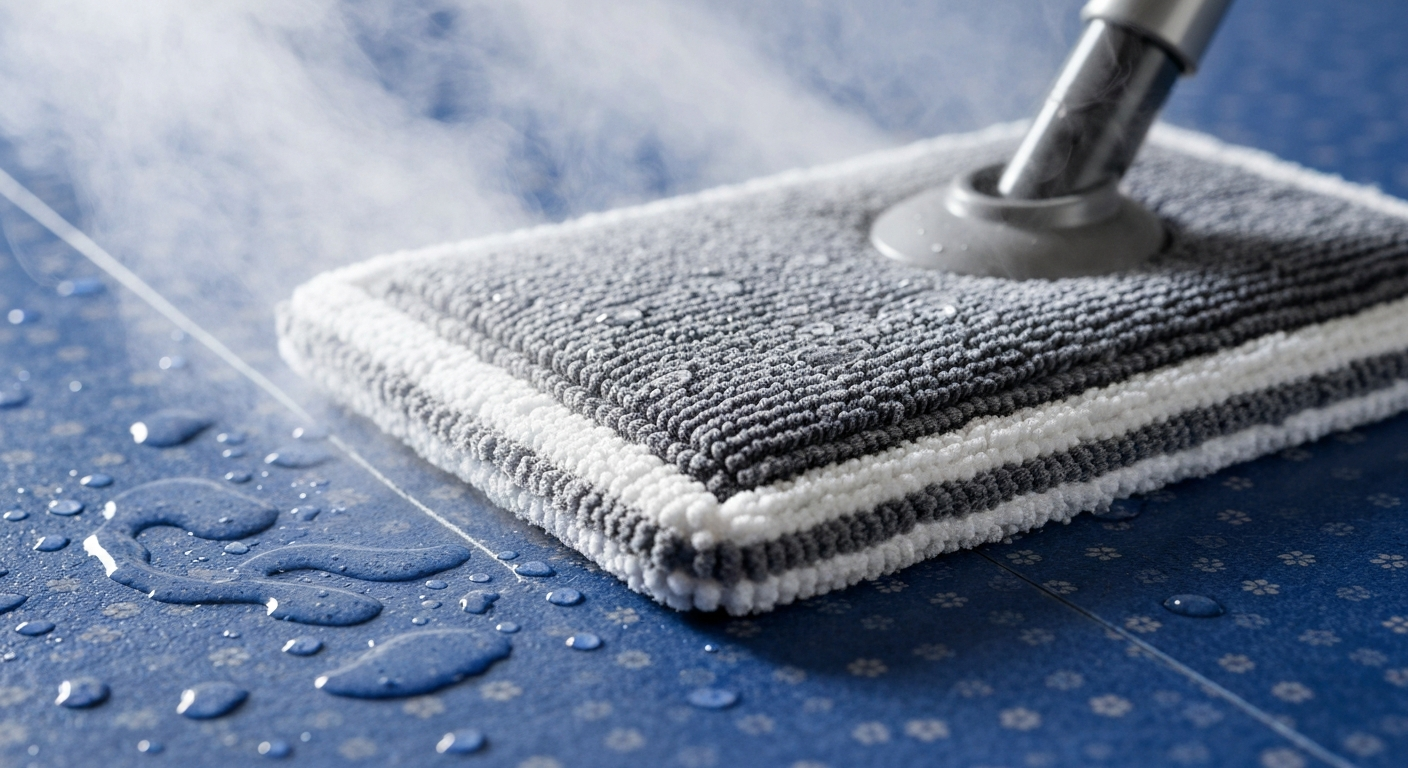
A steam mop is a compact electric appliance for cleaning floors. Inside, a boiler heats water to up to 120 degrees Celsius. The resulting pressure pushes hot steam through a nozzle and onto the floor pad. The steam loosens dried-on dirt, cuts through grease and kills bacteria and dust mites. Cleaning relies on heat and steam, without added chemicals.
Many models come with a range of attachments, so you can clean more than just hard floors. Depending on the accessories, you may also be able to clean windows, tiles and upholstery. Another advantage is that floors dry quickly. While a wet mop can leave floors damp for a long time, water from a steam mop evaporates almost immediately.
Tip: If possible, use descaled or distilled water. This can help extend the boiler’s service life and reduce how often it needs maintenance. Visit our Household category for more appliance care tips.
Steam mop vs. steam cleaner: what’s the difference?
The terms are often used interchangeably, but there are clear differences. A traditional steam cleaner is usually a larger upright appliance with a hose and a separate nozzle. It is versatile enough to clean surfaces throughout the home and often operates at higher pressure.
A steam mop, on the other hand, is compact, lightweight and as easy to handle as a stick vacuum. It is designed for quick, regular floor cleaning, making it a good choice for daily or weekly use. A larger steam cleaner is better suited to deep cleaning.
Steam mop advantages at a glance
- Quick to heat up: Usually ready in about one minute.
- Lightweight: Easy to maneuver, even during longer cleaning sessions.
- Easy to maneuver: Reaches into corners and under furniture.
- No bucket needed: Everything is built into one appliance.
What to look for: key buying criteria
Steam mops vary in their features and performance. Our comparison highlights the key things to check before you buy.
Steam output and heat-up time
Wattage indicates how much electrical power an appliance uses. Higher wattage can mean greater steam output and a shorter heat-up time, but not always. The stated steam pressure, measured in bar, is more useful. A pressure of 3 bar or more is considered good for most household cleaning tasks. The
offers 4,5 bar, for example, for powerful cleaning.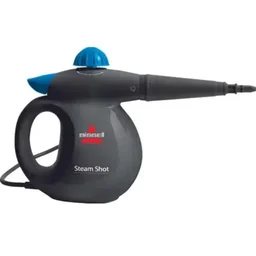
Tank capacity and cord length
The tank capacity determines how long you can clean before refilling. A 0,3 to 0,5 litre tank provides around 30-60 minutes of cleaning time. Check that the cord is long enough to clean a large room without switching outlets. Cordless models are also available, but they are less common.
Floor pads and accessories
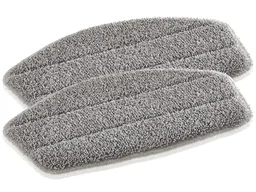
The floor pad is essential. It should pick up dirt effectively and be easy to replace. Microfibre pads are a good choice. A generous set of accessories, such as a crevice nozzle, window squeegee or upholstery nozzle, makes the appliance more versatile. Replacement pads such as the
or are handy for rotating between uses.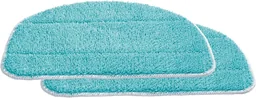
Warning: Before using a steam mop for the first time, test it on an inconspicuous area of your flooring. Not all sealed surfaces tolerate hot steam equally well. Take extra care with parquet flooring.
Best Models Compared in 2026
Our comparison presents a selection of current and proven models. The following table summarizes the most important data and features for you.
The highest-rated steam mops in our range compared directly:
| Model | Customer rating | Availability |
|---|---|---|
| 3in1 Wet/Dry Vacuum Cleaner with Steam Function VCW 6270 400W | – | Currently unavailable |
| 5 in 1 Floor/Handheld Steam Cleaner, Steam Cleaner, 1500 Watt | – | Currently unavailable |
| Accessory Set for Wet and Dry Vacuum Cleaner 602057 "VCW 6270" and "VCW 4270 L" | – | Currently unavailable |
| Bissel Steam Cleaner 4.5 bar - with Attachments | – | Currently unavailable |
| Descaling Cartridge for Steam Cleaner | – | Currently unavailable |
Following the table overview, here is a more detailed look at selected products.
CleanTenso Power: The All-Rounder
The
is a solid all-rounder in our test. With 1300 Watt of power and a practical floor cloth, it reliably produces steam for everyday floor cleaning. Its strengths are its simple operation and fast heat-up time.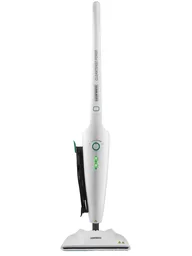
3in1 Wet/Dry Vacuum Cleaner with Steam Function: The All-in-One Solution
For anyone who wants to vacuum as well as steam clean, the
is an interesting option. This combination appliance combines the functions of a vacuum cleaner and a steam mop. You can avoid buying a separate appliance and vacuum and steam clean in a single step.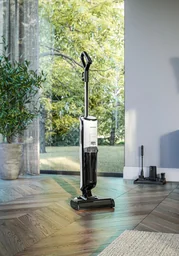
Bissel Steam Cleaner: Focused on Steam Power
The uses a high steam pressure of 4.5 bar. This makes it particularly effective against dried-on and stubborn dirt. The included accessory set extends its range of uses beyond floors.
Note: The availability of spare parts and accessories is an important factor in your appliance's longevity. Make sure that pads such as the or descaling cartridges such as the
are readily available for your model.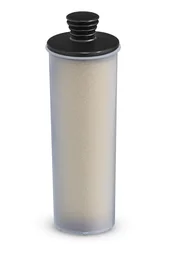
Care and Maintenance: How to Keep Your Steam Mop in Top Condition
Proper care can significantly extend your appliance's service life. After each use, empty the water tank and leave it to dry with the tank flap open. This prevents limescale and odors from forming.
Regular descaling is the most important maintenance task. How often you need to do this depends on your water hardness. Use either a commercially available descaler or special cartridges such as the . A look at our Cleaning Appliances category offers further care tips.
Replacing Wear Parts
The floor cloth is a wear part. Replace it regularly to ensure optimum cleaning results. A 2-pack such as is practical here. Also check the nozzles occasionally for limescale and clean them carefully with a soft brush.
Conclusion and Buying Recommendation
A steam mop is a worthwhile investment for a hygienically clean home without chemicals. For regular floor cleaning alone, a classic steam mop such as the is an excellent choice. It is lightweight, quick to use and effective.
If you also frequently need to remove heavy dirt or hair, it is worth considering combination appliances such as the . For stubborn dirt on tiles or in grout, models with higher pressure such as the have the advantage.
Always remember to care for your appliance: use the right water and plan regular descaling with products such as the . Enjoy your appliance for years to come. Explore our wide range of steam mops and find your perfect model.
Frequently Asked Questions
- Which floor types are suitable for a steam mop?
- Steam mops are ideal for water-resistant, sealed floors such as tile, stone, vinyl and laminate. Use caution with parquet or oiled wooden floors and follow the manufacturer's instructions to prevent damage from penetrating moisture.
- How long do I have to wait for the steam to heat up?
- Heating time varies depending on the model and power. Modern steam mops are often ready to use within 30 to 60 seconds. Models with a large tank or particularly high steam output may take a little longer, but usually no more than two minutes.
- Can a steam mop replace a vacuum cleaner?
- No, a steam mop on its own cannot replace a vacuum cleaner. It sanitizes surfaces and loosens dirt, but does not pick up coarse debris or hair. For a thorough clean, you should vacuum first. Combination devices such as PRODUCT_110088 combine both functions.
- How often does a steam mop need to be descaled?
- How often you need to descale it depends on your water hardness and how frequently you use it. With regular use and hard water, descaling every one to two months is recommended. Use descaled or distilled water to extend the intervals. Products such as PRODUCT_77087 make maintenance easier.
- What are the advantages over a conventional mop?
- A steam mop cleans more hygienically because hot steam kills bacteria and allergens without chemicals. You also avoid carrying a bucket and water around. Floors dry much faster, and heat loosens stubborn dirt more effectively.