
In brief: Deep-rooted vegetables such as carrots, parsnips, beets, salsify and root parsley thrive particularly well in raised beds. The loose, deep and uncompacted soil encourages their growth downwards. These plants access nutrients and water from lower soil layers and are often more resistant to drought. They make optimal use of the space in a raised bed.
Why deep-rooted vegetables are perfect for raised beds
A raised bed provides ideal conditions for plants that send their roots deep into the soil. The soil is loose, well aerated and free from the compaction often found in garden beds. Deep-rooted vegetables such as carrots and parsnips do not encounter hard ground. They can develop without obstruction.
The layered filling of a raised bed stores heat. This supports germination and early growth. The plants are also less susceptible to pests that come from below. Slugs have a harder time reaching them. The ergonomic working height makes care and harvesting easier.
A raised bed creates a controlled growing space. Here, the soil can be tailored to the needs of deep-rooted vegetables – well drained, nutrient-rich and deep. That is the key to perfect root vegetables.
The best deep-rooted vegetables for your raised bed
Not every taproot vegetable is equally suitable. Your choice determines the success and flavor of your harvest.
Classics: carrots
Carrots are the queens of the raised bed. Choose varieties that suit the depth of your bed. 'Nantaise' grows long and slender. 'Paris Market' stays round and short. Sow the seeds directly in the bed. Thin the seedlings later so each root has enough space.
Loosen the soil deeply before sowing. Remove every stone. Fine sand improves heavy soils. Keep the seed bed consistently moist until germination. This can take two weeks.
Pro tip
Mix carrot seeds with a little sand and radish seeds. The sand helps distribute the seeds evenly. The fast-germinating radishes mark the row. Harvest them early to make room for the slower-growing carrots.
Flavorful powerhouses: parsnips and root parsley
Parsnips require patience. They take a long time to germinate. In return, they reward you with a sweet, nutty flavor. They tolerate light frost and may taste even better after the first frost. Sow them early in the year.
Root parsley is a forgotten vegetable with an intense celery-parsley flavor. It needs very loose, deep soil. It grows much better in a raised bed than in heavy garden soil. You can use its leaves like parsley.
Colorful and healthy: beets and Swiss chard
Beets are reliable deep-rooted vegetables. They germinate dependably and grow quickly. You can eat the young leaves like spinach. The roots store well. Try different varieties such as 'Ronde de Détroit' or the yellow 'Burpee's Golden'.
Swiss chard does not form a beet, but it does develop a strong taproot. It is perennial and keeps producing new growth. Plant it at the edge of the raised bed because it takes up a lot of space above ground. Always harvest the outer leaves.
For successful sowing, you can find high-quality seeds in our Vegetable category.
How to prepare your raised bed properly
Proper preparation is half the battle for a successful harvest. It starts at the bottom of the bed.
The drainage layer: protection against waterlogging
Deep-rooted vegetables hate wet feet. A layer of coarse clippings, branches or expanded clay at the bottom drains away excess water. This layer should be about 10 to 20 centimeters high. It decomposes slowly and later releases nutrients.
The soil: loosening depth is crucial
The actual planting soil must be deeply loosened. Mix high-quality garden soil with mature compost and sand. The sand ensures good drainage. Fill the bed in layers and loosen each layer thoroughly.
For deep-rooted vegetables, I always mix one part sharp sand with two parts vegetable soil. The result is straight, unbranched roots without forking. The sand prevents compaction, even after repeated watering.
Important note
Do not compact the soil when filling and watering the bed. Do not press or tread it down. Let the substrate settle for a few days after filling, then top it up carefully if necessary. Compacted soil is the most common cause of misshapen root vegetables.
The location: light and warmth
Most deep-rooted vegetables love the sun. Place your raised bed in a spot with full sun. At least six hours of direct sunlight per day is ideal. The south side of a house or wall provides additional protection from the cold.
Care during the growing season
After sowing, the real work begins. Consistent care ensures a healthy harvest.
Watering properly: deeply and infrequently
Water deep-rooted vegetables thoroughly, but do not water shallowly every day. Leave the hose or watering can in one spot long enough for the moisture to soak deep into the soil. Then wait until the top layer has dried out again. This encourages the roots to grow deeper in search of water.
A mulch layer made from grass clippings or straw reduces evaporation. It keeps the soil moist for longer and suppresses weeds. Only mulch once the plants are well established.
Fertilizing: moderately and selectively
Most deep-rooted vegetables are moderate feeders. They do not need an excess of nitrogen. Too much nitrogen would only encourage leaf growth. Work a slow-release fertilizer or mature compost into the soil before sowing. Additional fertilizing is rarely necessary.
Liquid fertilizer added to the irrigation water can help during the main growing phase. Use a balanced organic fertilizer from our range of plant fertilizers.
Additional advice
Check your plants regularly for pests. The raised position protects against many soil pests, but not against aphids or carrot flies. Crop protection nets placed over the bed early are the most effective protection. You can find them in our plant protection section.
Thinning: room to grow
Most deep-rooted vegetables are sown too closely together. Thin the seedlings in good time. For carrots, allow a spacing of three to five centimeters. Beets need about ten centimeters. Carefully pull out excess seedlings or cut them off at the base.
The right raised beds for deep-rooted vegetables
Not every raised bed is suitable for long root vegetables. The internal depth is the decisive factor.
The
offers not only a protected environment with its polycarbonate construction, but also sturdy side walls that keep the soil in shape. The option to use it as a greenhouse extends the growing season for warmth-loving parsnips.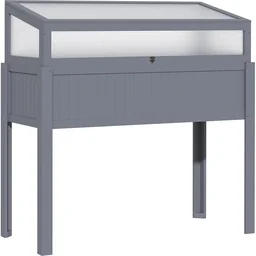
For generous planting, the
is an excellent choice. The four parts allow you to create custom shapes and sizes. The rattan look adds a decorative touch to the garden. Its depth provides enough room for demanding varieties.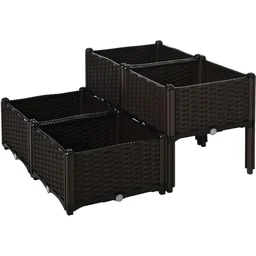
The space-saving
is ideal for a patio or small garden. The 5-in-1 planter system enables staggered planting and makes good use of vertical space. Deep-rooted vegetables also benefit from this thoughtfully designed structure.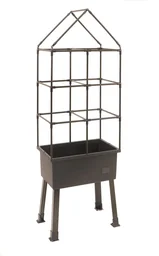
You can find all raised beds and more gardening accessories in our extensive range.
Harvesting and storing: How to enjoy your vegetables for longer
Harvest root vegetables in dry weather. Loosen the soil from the side with a garden fork before pulling them up. This prevents the roots from breaking.
You can often leave carrots and parsnips in the bed and harvest them as needed. Some varieties tolerate light frost. In severe frost, protect them with a thick layer of leaves or straw.
Harvest beetroot when it has reached the desired size. It can be stored for months in damp sand in a cool cellar. Cut off the leaves, but not too close to the root.
Conclusion: Greater success with the right depth
Growing deep-rooted vegetables in a raised bed is a smart choice. They make full use of the benefits of the elevated position and loose growing medium. With the right varieties, thorough soil preparation and tailored care, you can harvest crisp, healthy vegetables.
Start with robust varieties such as beetroot. Then move on to more demanding parsnips. Your raised bed will become a productive and attractive highlight in your garden.
Frequently asked questions
- Which deep-rooted vegetables are best for beginners growing in a raised bed?
- Beetroot and radishes are ideal starter crops. Beetroot germinates reliably and is robust. Radishes grow quickly and show results after just a few weeks. Both tolerate minor care mistakes. Start with these varieties before growing more demanding root vegetables such as carrots or parsnips.
- How deep should a raised bed be at minimum for deep-rooted vegetables?
- A raised bed for classic deep-rooted vegetables should have a usable depth of at least 40 centimetres. Many carrot and parsnip varieties need 50 cm or more. Measure the internal filling height, not the outside dimensions. A deep bed allows roots to grow longer and straighter and ensures a better water supply.
- Can I grow deep- and shallow-rooted plants together in the same raised bed?
- Yes, this can even be beneficial. Plant tall deep-rooted crops such as leeks in the centre. Place low-growing shallow-rooted crops such as lettuce or spinach around the edges. This prevents the root systems from competing heavily for space. Make sure they have similar water and nutrient requirements. This mixed planting makes optimal use of the available volume.
- Why do my carrots sometimes rot from the tip in a raised bed?
- Tip rot indicates a calcium deficiency or uneven watering. Dry periods followed by heavy watering are a common cause. Keep the soil evenly moist. A pH value of around 6.5 promotes calcium uptake. Use balanced plant fertilizer and mulch the surface.
- Do I need to prepare the soil specially for deep-rooted vegetables in a raised bed?
- Absolutely. Loosen the bottom layers thoroughly. Remove stones and root remnants. The soil should be crumbly and well drained. Mix sand into heavy soil to prevent compaction. A drainage layer of coarse material at the bottom of the bed helps prevent waterlogging and promotes healthy root growth.
You may also be interested in
- Raised beds: Crop rotation and companion planting for maximum harvests
- How to create and plant a raised bed: The complete guide
- How to layer a raised bed: The perfect setup for a bountiful harvest
- Build a herb raised bed: Instructions, filling and the best herbs
- Build your own raised bed – step by step to your own harvest
- Raised bed review and comparison 2026