
In brief: A good pair of diagonal cutters has sharp, well-aligned cutting edges, a powerful joint and comfortable handles. Angled models are ideal for precision electronics work. For thicker wire or nails, choose heavy-duty cutters. Check the cutting edge quality and select a material suited to the jobs you tackle most often.
Table of contents
Diagonal cutters are an essential tool for workshops, electricians and homeowners. Whether you're trimming cable, cutting wire or tackling a specialist job, there are plenty of models to choose from. Our 2026 test and comparison will help you find the right pair for your needs.
What do you need diagonal cutters for?
Before choosing a pair, think about how you'll use it. A tool for precision electronics work has different requirements from one for cutting heavy wire or caring for animal hooves.
Electronics and precision work
Precision is key. Sharp, pointed cutting edges help you cleanly cut thin wires or trim component leads on circuit boards. Angled cutting edges make it easier to reach tight spots. The handles should feel comfortable, even during extended use.
Household and DIY projects
For everyday jobs such as cutting zip ties, floral wire or thin nails, choose a sturdy all-purpose pair. Look for efficient force transfer and durable cutting edges that are less likely to chip.
Special use: animal hoof care
Specialized tools are essential for this delicate task. They need to be sharp enough for a clean cut without crushing, with an ergonomic shape for safe handling. One example of this type of tool is the
.
Tip: It can be useful to keep separate diagonal cutters for different jobs. A precision pair for electronics and a heavy-duty pair for tougher materials make a good starting set.
What to look for in diagonal cutters
These features set high-quality diagonal cutters apart. Compare models using the following criteria.
Cutting edge quality and shape
The cutting edges are the most important part. They should be ground, hardened and precisely aligned. Serrated edges help keep wire from slipping. The shape, straight or angled, determines which jobs the cutters can handle.
Joint and force transfer
A good joint moves smoothly without wobbling and transfers hand force efficiently to the cutting edges. High-leverage models, including some pliers, use compound joints or telescoping handles for extra cutting power.
Handle comfort and safety
Soft, ergonomic grips help reduce hand fatigue. Insulated handles can help protect against electric shock when working on electrical equipment. Make sure the tool feels well balanced.
Material and construction
High-quality tool steel holds an edge and resists chipping. Stainless or rust-resistant versions are a good choice for outdoor use or damp conditions.
Warning: Never use diagonal cutters on live electrical equipment! Even insulated handles offer limited protection. Always disconnect the power source first.
Side Cutters: Test and Comparison
We took a close look at a range of models. The table below gives you a quick overview of key features.
Here are some of the highest-rated side cutters in our range:
| Model | Customer rating | Availability |
|---|---|---|
| CoBolt Compact bolt cutters 160 mm | – | Currently unavailable |
| Compact side cutters "X-Cut" | – | Currently unavailable |
| Fritz Göbel Offset hoof knife 48 mm - tool for hoof care | – | Currently unavailable |
| Fritz Göbel Double-sided hay rake, 64 cm working width, 16 tines, 1,27 Ohm/m | – | Currently unavailable |
| Fritz Göbel hoof side cutters with curved jaws, 60 cm hoof trimmer | – | Currently unavailable |
Alongside classic side cutters, you'll also find specialized tools. The
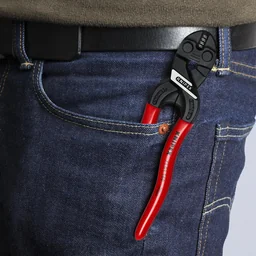
is a compact all-purpose model for precise cuts. For demanding wire-cutting jobs, a powerful pair of bolt cutters such as the is worth considering.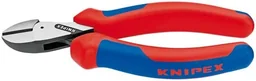
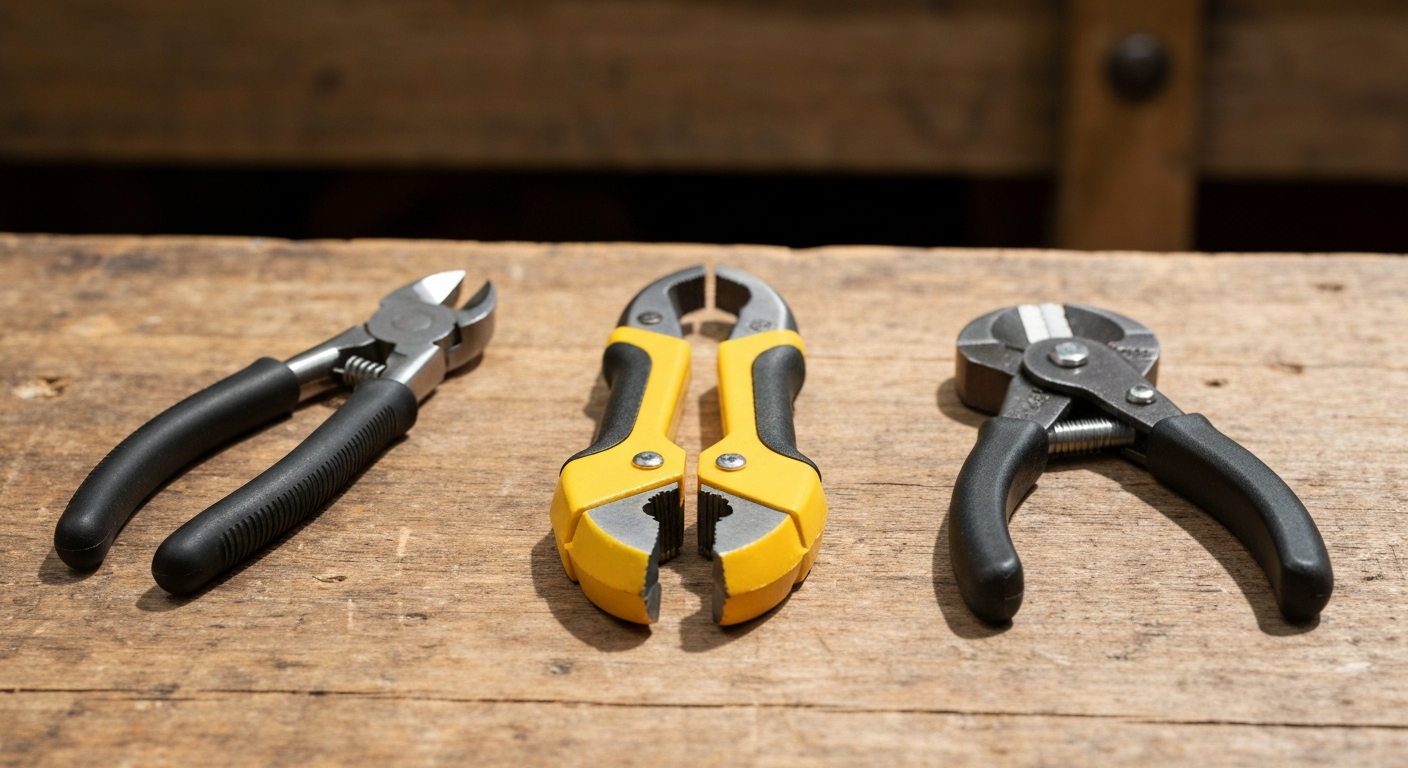
Specialized cutting tools are essential for animal care. These products stand out for their exceptional sharpness and ergonomic handles, as seen in the
.
Note: Product availability may change. Check the shop for the latest models in the hand tools category.
How to Use and Care for Diagonal Cutters
Get the most from your tool and extend its service life with these tips.
Making the Right Cut
Position the cutting edges perpendicular to the workpiece to help prevent chipping. When cutting thick wire, use the stronger section of the blades near the pivot.
Sharpening and Maintenance
Dull diagonal cutters crush material instead of cutting cleanly. Sharpen the blades with a fine whetstone. A drop of oil on the joint keeps the tool moving smoothly.
Proper Storage
Store your diagonal cutters in a dry, protected place. A toolbox or wall mount helps protect the delicate cutting edges from damage.
Safety Tips for Using Diagonal Cutters
Even a seemingly harmless tool can pose a hazard. Keep these points in mind.
Protect Yourself from Flying Debris
Small pieces can fly off when you cut hard materials. Always wear safety glasses. Secure the workpiece and cut in a controlled manner.
Prevent Pinched Fingers
Watch your fingers, especially when working in tight spaces. Make sure there is enough clearance between the handles and any obstacles.
When Should You Choose an Alternative?
Diagonal cutters aren't the best choice for every task. In some cases, other tools work more efficiently or safely.
Cable Knives and Wire Strippers
For stripping cables, dedicated wire strippers or cable knives offer greater precision and are gentler on the conductor. They reduce the risk of damaging the wire.
Bolt Cutters for Tough Materials
If you regularly cut steel wire, chains, or nails, a sturdy pair of bolt cutters is the right choice. Their long handles multiply your cutting force.
Cable Cutters for Large Diameters
For thick cables or bundles, cable cutters with long handles and short, sturdy blades are a better choice than standard diagonal cutters.
With the right choice and proper care, a good pair of diagonal cutters can last for many years. Consider the tasks you need them for, and look for quality materials and construction. Use our 2026 test and comparison to find the right model for your toolbox.
Frequently Asked Questions
- What's the difference between diagonal cutters and bolt cutters?
- Diagonal cutters are designed for softer materials such as copper wire and plastic. Bolt cutters have more powerful leverage and hardened cutting edges, so they can cut harder materials such as nails and steel wire.
- Are angled or straight cutting edges better?
- Angled cutting edges provide better access in tight or recessed spaces, such as on circuit boards. Straight cutting edges often deliver more cutting force and are more versatile for flush cuts.
- What should I keep in mind when trimming an animal's hooves?
- Use only hoof cutters or nippers designed for this purpose. Their ergonomic shape and sharp, rounded cutting edges help make a clean cut without crushing. Using the wrong tool can injure the animal.
- Can I use diagonal cutters to cut nails?
- We don't recommend it. Standard diagonal cutters aren't designed for hardened steel, and their cutting edges can chip or become dull. Use sturdy bolt cutters for nails or hard wire.
- How do I care for diagonal cutters?
- Clean the cutting edges after use and store the tool in a dry place. Occasionally lubricate the pivot bolt with a drop of machine oil. Have dull blades professionally sharpened or reground.