
Kurz erklärt: Die beste Blumenerde für Ihre Topfpflanzen ist keine Universal-Lösung, sondern eine spezifische Erdmischung. Sie muss die Bedürfnisse der Pflanzenart, den Standort und die Topfgröße erfüllen. Hochwertige Topferde besteht aus strukturstabilen Komponenten wie Torf, Kokosfasern, Rindenhumus und mineralischen Anteilen. Sie speichert Wasser und Nährstoffe, bleibt dabei locker und gewährleistet eine gute Belüftung der Wurzeln.
Die beste Blumenerde für gesunde Pflanzen im Topf
Die Qualität Ihrer Blumenerde bestimmt maßgeblich den Erfolg mit Topfpflanzen. Im begrenzten Raum eines Gefäßes sind die Wurzeln auf eine optimale Versorgung angewiesen. Die richtige Erdmischung liefert Halt, Wasser, Luft und Nährstoffe.
Sie ist das Fundament für gesundes Wachstum. Eine schlechte Wahl führt dagegen zu Staunässe, Wurzelfäule oder Mangelerscheinungen. Investieren Sie deshalb von Beginn an in eine hochwertige, passende Blumenerde.
Warum Universalerde nicht immer die universelle Lösung ist
Der Name ist verlockend, doch Universalerde deckt nur Grundbedürfnisse ab. Sie eignet sich für die meisten klassischen Balkon- und Zimmerpflanzen. Für spezielle Ansprüche reicht sie nicht aus.
Orchideen, Kakteen, Rhododendren oder Zitruspflanzen haben eigene Bedürfnisse. Ihre Wurzeln reagieren empfindlich auf falsche Substrate. Eine Universalerde kann hier mehr schaden als nützen.
Profi-Tipp
Lesen Sie das Kleingedruckte auf dem Sack. Die Deklaration 'für Balkon- und Kübelpflanzen' oder 'torfreduziert' gibt erste Hinweise auf die Eignung. Achten Sie auf Angaben zur Strukturstabilität.
Wie setzt sich hochwertige Topfpflanzenerde zusammen?
Gute Blumenerde ist eine durchdachte Mischung verschiedener Komponenten. Jeder Bestandteil erfüllt eine spezifische Funktion. Das Ziel ist ein stabiles, langfristig funktionierendes Gefüge.
Zu den wichtigsten Komponenten gehören Weißtorf oder Schwarztorf für die Wasserspeicherung. Kokosmark oder Kokosfasern lockern das Substrat auf und verbessern die Struktur. Rindenhumus oder Kompost liefern erste Nährstoffe und organisches Material.
Mineralische Zusätze wie Blähton, Perlite oder Sand sorgen für Durchlässigkeit und verhindern Verdichtung. Ein Basisdünger versorgt die Pflanzen in den ersten Wochen nach dem Umtopfen.
Die Rolle von Torf und torfreduzierten Alternativen
Torf speichert Wasser und Nährstoffe sehr effizient. Aus ökologischen Gründen wird sein Anteil in vielen Erden reduziert. Torfreduzierte oder torffreie Mischungen verwenden Ersatzstoffe wie Kokosprodukte, Holzfasern oder Rindenhumus.
Diese Alternativen müssen oft intensiver aufgedüngt werden, da sie weniger Nährstoffe binden. Testen Sie torffreie Erden zunächst mit einer anspruchslosen Pflanze. Das Gießverhalten kann sich ändern, da die Wasserspeicherung unterschiedlich ist.
Die Strukturstabilität ist der Schlüssel zur erfolgreichen Topfkultur. Eine Erde, die nach zwei Gießvorgängen im Topf zusammensackt und verdichtet, erstickt die Wurzeln. Investitionen in Qualität zahlen sich über Jahre aus.
Welche Blumenerde brauchen meine Pflanzen? Die Typen im Überblick
Stellen Sie die Bedürfnisse Ihrer Pflanze in den Mittelpunkt. Fragen Sie nach ihrem natürlichen Lebensraum. Eine mediterrane Kräuterpflanze benötigt andere Bedingungen als eine tropische Zimmerpalme.
Für Blühpflanzen wie Geranien oder Petunien wählen Sie eine nährstoffreiche Balkonblumenerde. Sie enthält oft einen Langzeitdünger für die ganze Saison. Kräuter und mediterrane Pflanzen wie Lavendel bevorzugen eine magere, durchlässige Kräutererde mit Sandanteil.
Zimmerpflanzen wie Ficus oder Monstera gedeihen in strukturstabiler Zimmerpflanzenerde. Für Orchideen ist spezielle Orchideenerde aus Rindenstücken unverzichtbar. Kakteen und Sukkulenten brauchen ein sehr mineralisches, schnelltrocknendes Substrat.
Wichtiger Hinweis
Verwenden Sie niemals reine Gartenerde in Töpfen. Sie ist zu schwer, verdichtet sich und enthält oft Unkrautsamen oder Krankheitserreger. Im Topf kann sie nicht austrocknen und führt zwangsläufig zu Wurzelfäule.
Spezialfall: Erde für Kübelpflanzen und große Töpfe
In großen Kübeln wirken starke Drücke durch das Substratvolumen. Die Erde muss besonders strukturstabil sein, um nicht zu verdichten. Spezielle Kübelpflanzenerden enthalten oft grobe Anteile wie Rindenhumus oder Holzfasern.
Sie sind für die langfristige Kultur über mehrere Jahre ausgelegt. Ein hoher Anteil an mineralischen Komponenten wie Blähton gewährleistet eine gute Drainage am Topfboden. Schwere, lehmhaltige Mischungen sind für große Kübel ungeeignet.
Was zeichnete eine gute Erdmischung aus? Die Qualitätsmerkmale
Riechen Sie an einer geöffneten Packung Blumenerde. Frische, hochwertige Erde riecht angenehm nach Wald und Humus. Ein fauliger, saurer oder stechender Geruch weist auf Zersetzungsprozesse und schlechte Qualität hin.
Fassen Sie die Erde an. Sie sollte krümelig und locker sein, nicht klumpig oder staubtrocken. Gießen Sie etwas Wasser auf eine Probe. Gute Erde saugt es schnell auf, ohne dass es oben stehen bleibt oder sofort unten wieder herausläuft.
Die Struktur bleibt auch im nassen Zustand erkennbar. Billige Erden zerfallen zu einer matschigen, homogenen Masse. Sie enthalten oft zu viele feine Partikel und zu wenig grobe Strukturkomponenten.
Der größte Fehler ist Sparsamkeit am falschen Ende. Billige Blumenerde besteht häufig aus unausgereiften, homogenen Materialien. Sie verdichtet sich nach wenigen Wochen und die Pflanze steht buchstäblich auf dem Trockenen, obwohl man gießt.
Der pH-Wert: Eine oft unterschätzte Größe
Der pH-Wert der Blumenerde beeinflusst die Nährstoffverfügbarkeit. Die meisten Topfpflanzen bevorzugen einen leicht sauren bis neutralen pH-Wert zwischen 5,5 und 6,5. In diesem Bereich können die Wurzeln die meisten Nährstoffe optimal aufnehmen.
Spezialpflanzen wie Rhododendren oder Heidelbeeren benötigen einen deutlich saureren Boden. Verwenden Sie hier zwingend spezielle Rhododendronerde. Ein falscher pH-Wert führt zu Chlorosen, also gelben Blättern trotz ausreichender Düngung.
Zusätzlicher Rat
Mischen Sie bei der Neubepflanzung grober Blähton oder Tongranulat unter die Blumenerde. Dies verbessert die Drainage im unteren Topfbereich deutlich und beugt Staunässe vor. Ein Verhältnis von 4 Teilen Erde zu 1 Teil Drainagematerial ist ein guter Richtwert.
Praktische Tipps: Blumenerde richtig auswählen und verwenden
Kaufen Sie Blumenerde nach Bedarf und lagern Sie geöffnete Säcke nicht zu lange. In feuchten, geschlossenen Säulen können sich anaerobe Bakterien und Schimmelpilze bilden. Lagern Sie Reste trocken und luftig.
Befeuchten Sie trockene, sackfrische Blumenerde vor dem Umtopfen leicht. Dies aktiviert die wasserspeichernden Bestandteile und verhindert, dass das Wasser zunächst ungenutzt durchläuft. Verwenden Sie abgestandenes Wasser oder Regenwasser.
Setzen Sie die Pflanze nicht tiefer ein, als sie im alten Topf stand. Füllen Sie die Erde locker ein und drücken Sie sie nur leicht an. Ein zu festes Andrücken verdichtet das Substrat und nimmt den Wurzeln den notwendigen Luftraum.
Die Ergänzung: Dünger und Bodenhilfsstoffe
Blumenerde enthält einen Startvorrat an Nährstoffen. Dieser ist nach etwa sechs bis acht Wochen aufgebraucht. Danach müssen Sie regelmäßig nachdüngen. Ein Blumendünger oder spezieller Pflanzendünger ist dafür essentiell.
Für eine biologische Langzeitversorgung eignen sich Produkte wie unser
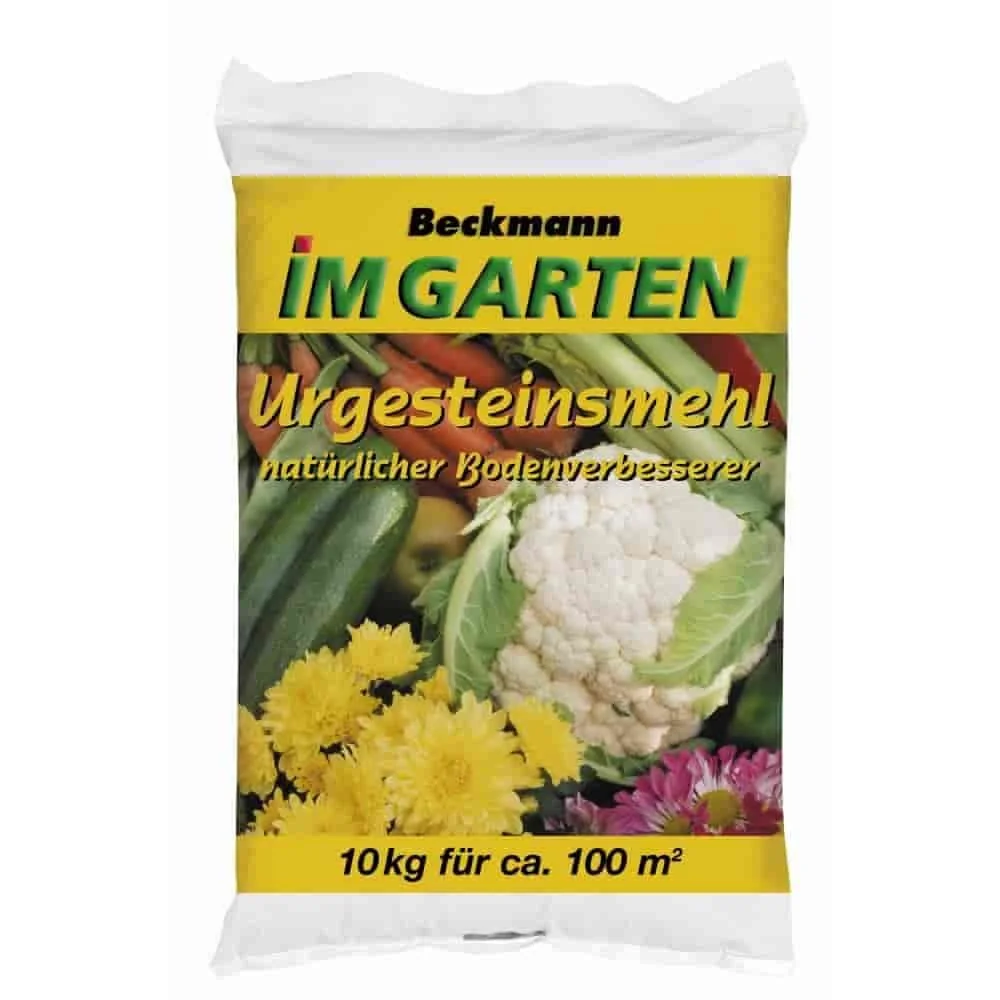
. Er versorgt Ihre Kübelpflanzen über die ganze Saison. Bodenhilfsstoffe wie unser verbessern die Bodenstruktur und liefern wertvolle Mineralien. Sie können sie unter die frische Erde mischen.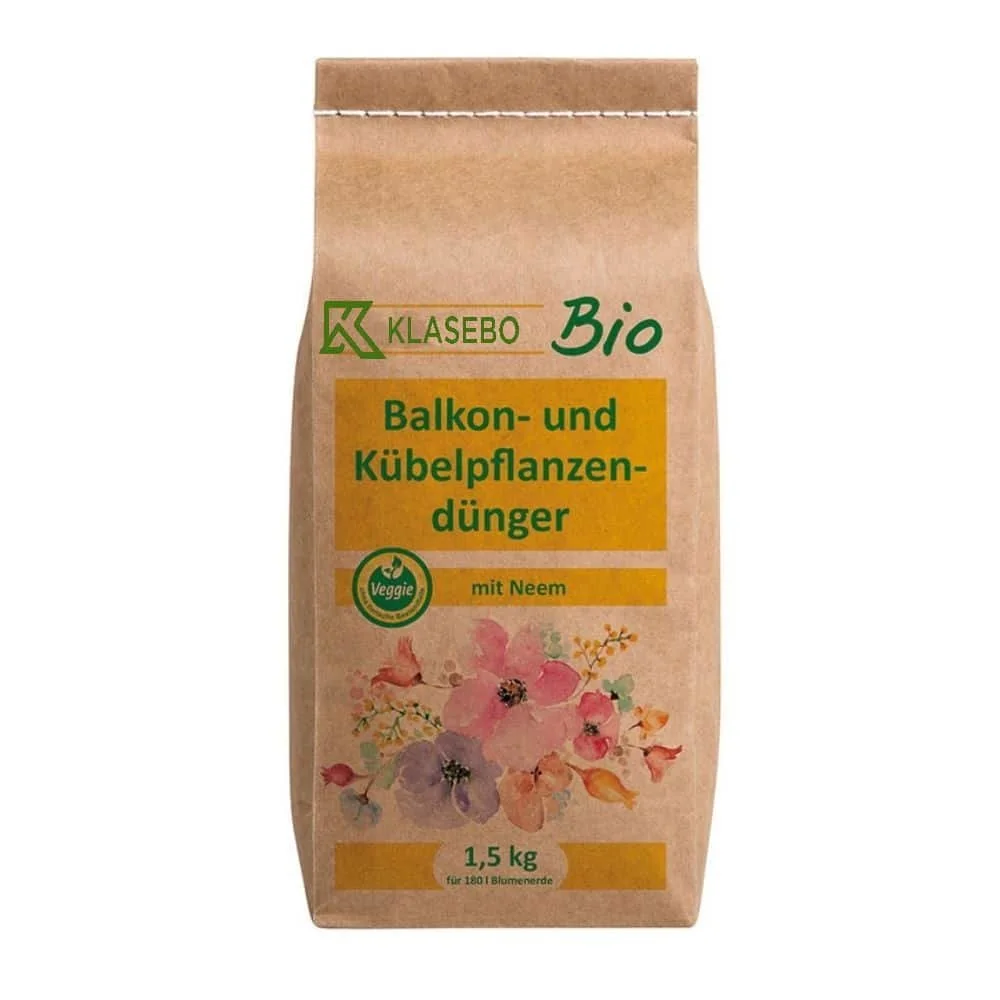
Für eine nachhaltige Basis entscheiden Sie sich vielleicht für eine torfreduzierte Option wie
. Denken Sie bei der Pflanzenpflege auch an den Pflanzenschutz, um Ihre Investition zu schützen.
Die richtige Pflege nach dem Umtopfen
Gießen Sie Ihre neu eingetopfte Pflanze einmal gründlich an. Lassen Sie überschüssiges Wasser aus dem Abzugsloch ablaufen. Stellen Sie den Topf in den nächsten Tagen etwas geschützter auf, vor direkter Mittagssonne.
Die Wurzeln müssen sich erst im neuen Substrat verankern. In dieser Phase ist die Pflanze etwas stressanfälliger. Verzichten Sie in den ersten vier Wochen auf zusätzlichen Dünger, da die frische Erde genug Nährstoffe enthält.
Beobachten Sie das Wachstum. Frische, neue Triebe zeigen, dass sich die Pflanze wohlfühlt. Gelbe Blätter oder Wachstumsstopp können auf Probleme mit dem neuen Substrat hinweisen. In diesem Fall prüfen Sie die Wurzeln auf Fäulnis.
Die Wahl der perfekten Blumenerde ist der erste und wichtigste Schritt zu gesunden, kräftigen Topfpflanzen. Sie legt das Fundament für alles weitere Wachstum. Nehmen Sie sich Zeit für die Auswahl und vertrauen Sie auf Qualität und Spezialisierung. Ihre Pflanzen werden es Ihnen mit üppigem Grün und reicher Blüte danken.
Häufige Fragen
- Kann ich normale Gartenerde für meine Topfpflanzen verwenden?
- Nein, das ist nicht empfehlenswert. Gartenerde ist zu schwer, verdichtet sich im Topf schnell und bietet keine ausreichende Drainage. Sie kann Krankheitserreger und Unkrautsamen enthalten. Spezielle Blumenerde ist strukturstabil, lockerer und auf die besonderen Bedingungen im begrenzten Topfvolumen abgestimmt.
- Wie oft sollte ich die Blumenerde in meinen Töpfen komplett austauschen?
- Tauschen Sie die Blumenerde Ihrer Topfpflanzen alle ein bis zwei Jahre vollständig aus. Mit der Zeit zersetzt sich die organische Substanz, die Struktur sackt zusammen und der Nährstoffgehalt ist aufgebraucht. Frische Erde bringt neue Struktur und Nährstoffe. Bei schnellwachsenden Pflanzen kann ein jährlicher Wechsel nötig sein.
- Was bedeutet 'strukturstabile' Blumenerde?
- Strukturstabile Blumenerde behält ihre lockere, krümelige Beschaffenheit über lange Zeit. Sie sackt nicht zusammen und verdichtet sich nicht, auch bei regelmäßigem Gießen. Dies gewährleistet eine permanente Belüftung der Wurzeln und verhindert Staunässe. Hochwertige Komponenten wie Kokosfasern oder Rindenhumus sorgen für diese Stabilität.
- Brauchen verschiedene Pflanzentypen wie Orchideen oder Kakteen spezielle Erde?
- Ja, absolut. Orchideen benötigen eine extrem luftige, grobkörnige Rindenmischung. Kakteen und Sukkulenten brauchen ein sehr durchlässiges, mineralisches Substrat mit viel Sand oder Bims. Diese Spezialerden imitieren die natürlichen Standortbedingungen und sind für das Überleben dieser Pflanzen unverzichtbar. Universalerde wäre hier schädlich.
- Kann ich Blumenerde aus dem Vorjahr noch verwenden?
- Alte, unbenutzte und trocken gelagerte Blumenerde können Sie in der Regel noch verwenden. Lockern Sie sie gründlich auf. Mischen Sie sie jedoch zu etwa 50% mit frischer Erde, da die Struktur bereits nachgelassen haben kann. Verwenden Sie alte Erde niemals für neue Aussaaten oder empfindliche Jungpflanzen.
Das könnte Sie auch interessieren
- Pflanzerde wählen: Optimale Böden für gesunde Pflanzen
- Blumenerde und Pflanzenerde: Die feinen Unterschiede verstehen
- Pflanzen richtig gießen im Sommer
- Pflanztöpfe: Material, Größe und Design für Ihre Pflanzen
- Staunässe vermeiden: Gesunde Pflanzen im Garten und Topf
- Trauermücken bekämpfen: Die besten Mittel & wirksame Hausmittel