
In brief: The best office plants improve the indoor climate, filter pollutants and demonstrably boost wellbeing. Hardy classics such as pothos and spider plants can do this even in low light. The key is to choose easy-care species that suit the light conditions at your workplace. The right selection can transform your desk into a true green oasis.
How do office plants affect your wellbeing?
Office plants are more than decoration. They physically change the air and have a noticeable effect on your mind. Green plants increase humidity in dry offices with air conditioning or central heating. This helps prevent irritated mucous membranes and headaches.
Many species filter pollutants such as formaldehyde from furniture or benzene from printers. Studies demonstrate a positive effect on concentration and stress reduction. Looking at green plants lowers blood pressure and gives your eyes a break from the screen.
Office workers in green offices report 15 % higher wellbeing and 6 % higher productivity than colleagues in plant-free environments.
The psychological effect is direct. Plants create a naturally calming atmosphere. They break up the monotonous office aesthetic and encourage a positive emotional connection with the workplace.
What makes the perfect office plant?
The ideal office plant is hardy and undemanding. It can survive a long weekend without water and thrive with changing temperatures. Easy care is the top priority for busy working days.
Choose plants that can cope with the light conditions in your space. A desk in a windowless interior area needs different species from a bright meeting room. Humidity is another factor. Cacti love dry air, while ferns need more moisture.
Expert tip
Keep new plants separate for two weeks initially. This allows you to check whether they have brought in pests such as fungus gnats. During this time, also observe how the plant responds to the microclimate in its spot before placing it permanently.
Avoid plants with heavy pollen or poisonous plant parts if colleagues have allergies or children enter the room. The size must suit the available space. A spreading Ficus benjamina can quickly obstruct a walkway.
The great benefit of air-purifying plants
Air-purifying plants metabolise volatile organic compounds. They absorb pollutants through their leaves and break them down in their roots. The best-known study on this subject comes from NASA, which investigated plants for enclosed habitats in space.
The most effective air purifiers include snake plants, pothos and dragon trees. These species are particularly effective against formaldehyde, xylene and toluene. For a measurable effect, experts recommend one large plant per approximately ten square metres of office space.
Plants improve air quality, but they are not a substitute for mechanical ventilation. They are an ideal complement. Your garden and plant care supplies help you organise plant care.
The best plants for bright to partially shaded offices
A spot with indirect sunlight or morning/evening sun is ideal for most houseplants. Classics and flowering plants thrive particularly well here. Keep plants one metre away from a south-facing window in summer to prevent scorching.
Spider plants are all-rounders for bright locations. They produce lots of plantlets, filter the air and show they are thirsty through paler leaves. The rubber plant is a hardy specimen plant that adds volume. Its large leaves trap dust and release plenty of oxygen.
Anthuriums add a splash of colour. Their red spathes last for weeks. They like bright conditions but no direct midday sun and need higher humidity. A regular visit to the seeds and seed-growing range can inspire your own growing projects.
Plants in the workplace not only reduce stress but can also increase employee creativity by up to 45 %. They create an environment that encourages associative thinking and problem-solving.
The 'Janet Craig' dragon tree is almost indestructible. It tolerates low light, needs watering only rarely and grows slowly. Its sword-shaped leaves make a striking feature in any corner.
The best plants for dark corners and windowless rooms
True shade plants are rare. Most need at least several hours of bright artificial light. Particularly hardy species are suitable for corridors, bathrooms or interior offices. They survive, but grow more slowly.
The cast iron plant is the classic choice for shady locations. It tolerates drought, draughts and low light levels. Its dense green foliage always looks well cared for. The snake plant, also known as mother-in-law's tongue, can stand almost anywhere. Its upright leaves store water for long periods.
Important note
No plant can survive permanently in complete darkness. Even shade plants need a light source. For completely windowless rooms, plan a regular rotation schedule. Swap the plants every four to six weeks with specimens from a brighter location.
The ZZ plant is another option for low-light conditions. Its glossy, leathery leaves are resilient. It grows very slowly and retains its shape for a long time. For a temporary green accent in windowless meeting rooms, high-quality artificial plants can also be a practical solution.
Pothos copes with low artificial light. It can grow as a hanging plant or trail along shelves. Its heart-shaped, variegated leaves add a lightness to the room. Water it only when the soil is dry.
Easy-care: The indestructible office classics
These plants forgive almost any care mistake. They are the first choice for busy people or teams without green fingers. Their adaptability makes them reliable companions.
Pothos tops this list. It grows in water and soil, in bright and low light. Its vines can grow several metres long. It is one of the most efficient air-purifying plants. The ZZ plant is a modern alternative. It produces upright, glossy leaves and flowers with a white spadix. It needs very little water.
Additional advice
Avoid placing plants directly above a radiator or beneath the cold air from an air conditioner. Dry, hot or draughty air stresses plants. A simple water sprayer from the household section increases humidity locally around the plant.
The jade plant is a succulent with fleshy leaves. It stores water and can go for weeks without watering. Its gnarled stem gives it character. The right plant fertiliser is essential for the health of all plants.
Philodendron scandens is a climbing plant with heart-shaped leaves. It thrives in almost any corner and is easy to propagate from cuttings. Its shoots draw the eye upwards and make use of vertical space.
Practical Tips for Integrating and Caring for Plants in the Office
Plan ahead before buying. Measure the available space on your desk, shelf or floor. Consider how much the plant will grow over the next few years. A pot that is too small restricts growth, while one that is too large encourages waterlogging.
Choose planters with a water reservoir or use systems with watering aids. These release water gradually over several days or weeks. They are ideal for holidays. A simple but effective way to protect sensitive flooring beneath large pots is a sturdy

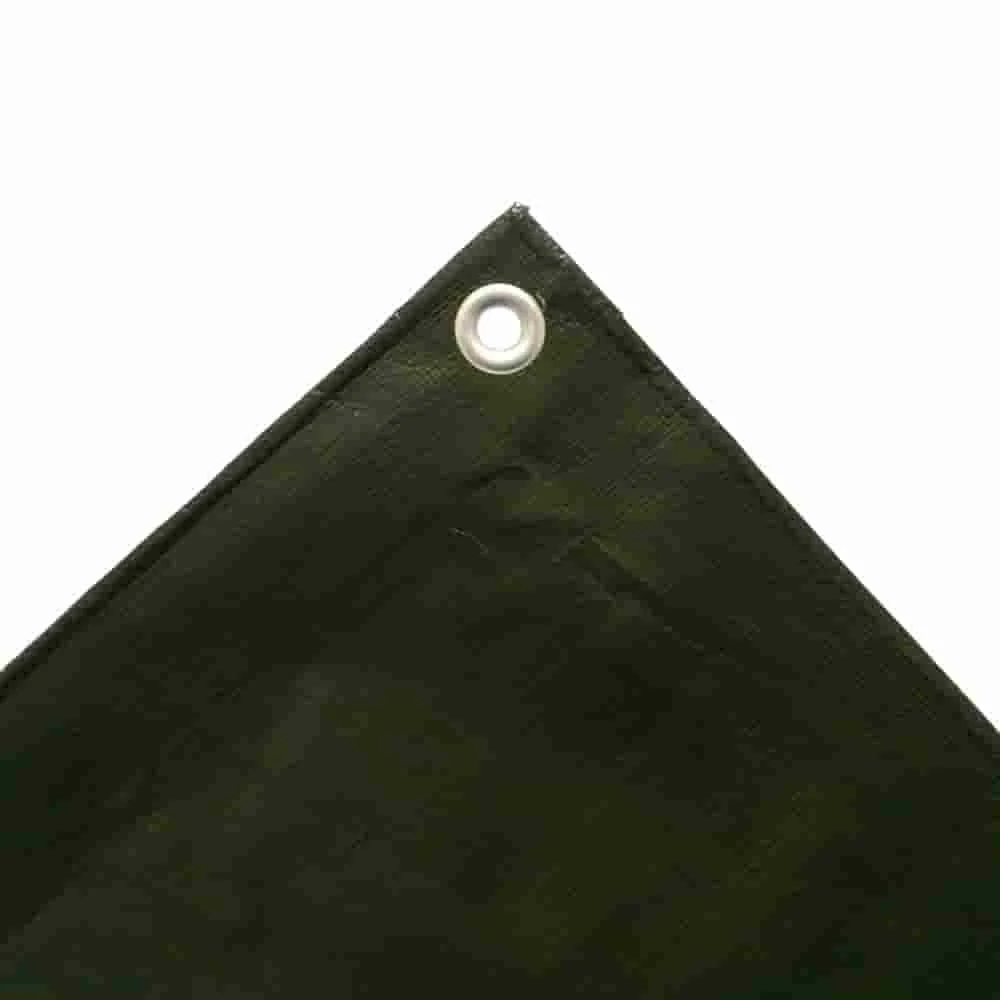
Water your plants when needed, not according to the calendar. Push your finger two centimetres into the soil. If it feels dry, it is time to water. Avoid cold tap water. Room temperature is ideal. Pour away excess water from planters and saucers after ten minutes.
Clean the leaves every few weeks with a soft, damp cloth. This removes dust that blocks the light. While doing so, check the undersides of the leaves for pests such as spider mites. If you find an infestation, isolate the plant immediately. You can find suitable pest control products in Plant Protection.
Only fertilize during the growing season from March to September. Use a liquid houseplant fertilizer at half strength. Stop fertilizing in winter. A heavy-duty
is ideal for transporting large plants or protecting furniture while repotting.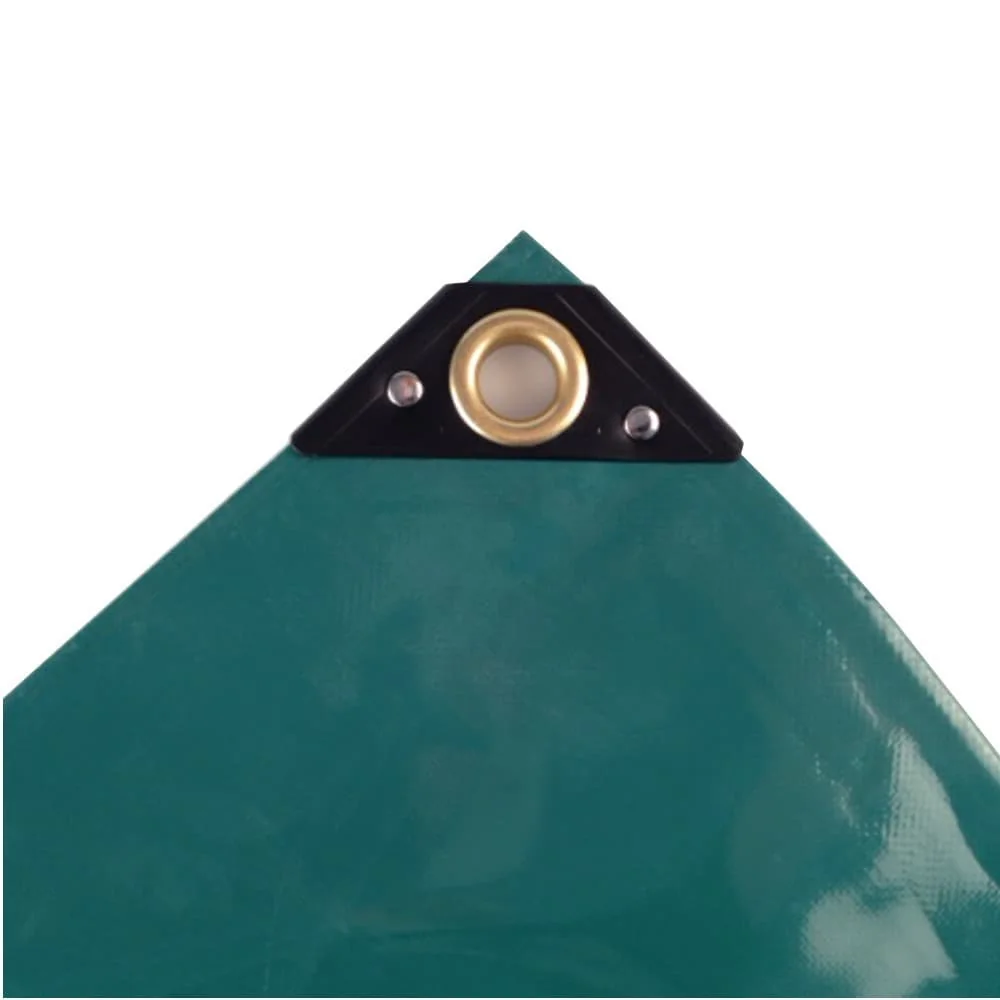
The Right Soil and the Perfect Pot
Use high-quality potting soil. It is loose, structurally stable and retains water without becoming waterlogged. Special mixes for houseplants, cacti or orchids provide the ideal foundation. Repot every two to three years in spring.
The pot must have a drainage hole. Waterlogging is the most common cause of death for office plants. A planter without a hole catches excess water. Make sure it is stable, especially for tall, narrow plants. A pot that tips over causes chaos.
The pot's appearance affects the overall look. A neutral, single-color pot lets the plant take center stage. A decorative, colorful planter adds an accent. Match the look to your office style. Anything from minimalist and modern to playful is possible.
How to Start Your Green Office Project
Start small. A single, healthy plant on your desk can make a difference. Observe how it develops. Then build up your collection gradually. A mix of different sizes and leaf shapes looks more dynamic than several identical plants.
Involve your team. Perhaps a colleague can take responsibility for caring for plants in shared areas. A plant day, when everyone repots plants together, helps build team spirit. Share cuttings from your most successful plants with others.
Document your results. Take before-and-after photos. You could even measure the team's subjective satisfaction. These arguments can help convince skeptical managers of the benefits of office greenery. A well-planned purchase from the Shop provides everything at once.
Your green oasis will grow over time. It will become a vibrant part of your working environment. Investing in office plants pays off every day through better air quality, greater wellbeing and increased productivity. Get started today.
Frequently asked questions
- Which plants are best suited to an office without windows?
- Extremely shade-tolerant plants are ideal for windowless offices. These include the snake plant, cast iron plant and ZZ plant. These species can manage with little artificial light. Moving them into daylight every few weeks helps keep them healthy. Artificial light alone is often not enough for photosynthesis.
- How often do I need to water my office plants?
- How often you need to water them depends on the species, pot size and room climate. Check the soil moisture with your finger before watering. The top layer of soil should have dried out. In winter, plants often need more water because of dry central heating. Always avoid waterlogging in the saucer to prevent root rot.
- Do office plants really clean the air?
- Yes, certain plants filter volatile organic compounds such as formaldehyde and benzene from the air. The 1989 NASA study identified species such as the dragon tree and peace lily as effective. However, several large plants per room are needed for a noticeable effect. They are a useful addition, but do not replace regular ventilation.
- Which plant is the easiest for office beginners to care for?
- The spider plant is the ideal office plant for beginners. It forgives watering mistakes, thrives in bright and partial shade, and shows signs of dryness through drooping leaves. Pothos and snake plants are also virtually indestructible. These species are perfect for gaining your first experience with office greenery.
- Can employers ban office plants?
- A blanket ban is uncommon and could conflict with workplace health and safety requirements, as plants can improve the room climate. Restrictions may apply for fire safety reasons or in response to allergies within the team. Check the placement of large pots with facilities management. If in doubt, the details may be governed by the workplace agreement.
You may also be interested in
- Low-maintenance houseplants: Green oases with minimal effort
- Healthy indoor air: Which plants improve air quality
- Houseplants: The best plants for your home
- Urban jungle: Turn your home into a green oasis
- How do I care for houseplants properly? Top tips for healthy greenery
- Balcony ideas: Turn your balcony into a green oasis