
In brief: Your dishwasher can clean much more than plates and cups. It works well for heat-resistant items made of plastic, metal and glass, especially those with stubborn dirt. Use it to clean grill grates, oven racks, trash cans, children's toys and even garden tools. Check that each item is dishwasher-safe, remove large debris first and choose the heavy-duty cycle for tough messes.
Your Dishwasher as a DIY Helper
A dishwasher is designed to clean efficiently. You use it every day for plates, glasses and silverware, but its potential often goes untapped. The combination of hot water, water pressure and detergent makes it a powerful tool for tackling tough cleaning jobs around the home, garden and even during grilling season.
Think of dirty trash cans, greasy range hood filters or sand-covered children's toys. You can clean all of these items thoroughly with little effort. You save time, water and elbow grease while the machine does the hard work.
The key is understanding how it works. Hot water reaches items from all sides, while specialized detergents break down grease, protein and starch. Powerful jets can even rinse into narrow crevices. You can put these features to clever use.
Understanding Materials: What Can Withstand the Heat?
Not every item is suitable for a dishwasher cycle. The basic rule is simple: choose materials that are heat-resistant and dishwasher-safe. These include stainless steel, heat-resistant plastic, glass, ceramic and durable silicone.
Wood, painted surfaces, knives with wooden handles, aluminum and cast iron are not suitable. Wood can swell and crack, paint can peel, aluminum can darken, and cast iron can rust if its protective coating is damaged. Also watch out for small parts that could come loose.
A dishwasher is a machine that cleans with heat and detergent. Use it for items that can withstand and benefit from this kind of treatment. It can save you a lot of scrubbing.
How Do I Clean My Grill Grate in the Dishwasher?
Cleaning the grill grate after a cookout can be a challenge. Burnt-on grease and dried marinade are hard to scrub away. Your dishwasher can help. The grate must be made of a dishwasher-safe material, such as stainless steel or chrome-plated steel.
First, remove large food scraps with a grill brush or scraper. Then place the grate vertically or at an angle in the dishwasher rack. Make sure it does not block the spray arms. Run a heavy-duty cycle at a high temperature, ideally 65°C or 70°C.
Pro tip
Place a dishwasher tablet directly in the bottom of the machine instead of the detergent compartment. This lets its full cleaning power work on the heavily soiled grate right away. For extra shine, briefly rinse the grate with clean water after the cycle, then dry it immediately with a cloth to prevent water spots.
After the cycle, the grate will look almost new, with grease residue washed away. This method also works for grill tongs, grease drip trays and heat-resistant plastic grill parts. Always check your grill manufacturer's instructions.
Thoroughly Clean Oven and Cooktop Parts
Oven racks, baking sheets and removable cooktop parts collect grease splatters and baked-on residue over time. Washing them by hand can be tedious. Instead, place these parts in the dishwasher.
Place racks and trays vertically, too. You can pre-treat especially stubborn spots, but it is not necessary. The extended exposure to hot water and detergent during the cycle can loosen baked-on grime. For best results, choose a cycle with both a prewash and a main wash.
For a thoroughly clean kitchen setup, add metal range hood filters, too. They are usually made of heat-resistant aluminum or stainless steel and are dishwasher-safe. Put them back in place once they are dry.
Which Household Items Benefit from a Dishwasher Deep Clean?
Your home is full of surprising items that can go in the dishwasher. Take a plastic kitchen trash can, for example. Over time, it can develop odors and a sticky film. A dishwasher cycle sanitizes it and removes residue thoroughly.
Durable plastic children's toys, such as building blocks, toy cars and Barbie accessories, can also be cleaned in the dishwasher. Make sure they do not have battery compartments or electronic parts. The machine removes saliva, dirt and germs, which is especially helpful for toys used by young children.
Important note
Never put items with batteries, electric motors or sensitive electronics in the dishwasher. Water and pressure can permanently damage components and cause short circuits. Check toys for hidden battery compartments or electronic parts first.
Other items to consider include brushes and combs, showerheads, glass ashtrays, vases, candle holders and even plastic insoles from athletic shoes. The machine can reach corners that are hard to clean by hand.
Cleaning Bathroom and Sanitary Accessories
Soap scum and limescale build up in the bathroom, and your showerhead can become clogged. Place it in the dishwasher. A dishwasher tablet or specialized descaler can dissolve limescale in the fine nozzles, helping the water flow evenly again.
Toothbrush holders, plastic or glass soap dispensers and even the plastic base from an electric toothbrush can all come out hygienically clean. You can also clean razor trays and plastic storage baskets. The dishwasher removes typical soap scum and sanitizes at the same time.
This method is ideal for cleaning and caring for bathroom accessories. It can replace spray cleaners and often gives items a more thorough clean. Dry all parts well after the cycle before using them again.
Can the dishwasher also help in the garden and workshop?
Absolutely. Small garden tools made of stainless steel or plastic can benefit from a thorough cleaning. Think hand trowels, dibbers, small rakes or pruning shears. Remove large clumps of soil by hand first.
The dishwasher removes dried-on soil, plant sap and dirt. Dry metal parts thoroughly as soon as the cycle ends. Then lightly oil moving parts, such as the joints on pruning shears, to help prevent rust. Plastic or terracotta flower pots can come out spotless, too.
Cleaning garden tools in the dishwasher is a little-known tip among home gardeners. It can help prevent plant diseases from spreading and keep tools working properly for longer. The key is to dry and care for metal parts right away.
In the workshop or craft area, you can clean plastic paint roller trays, containers used for cleaning brushes or empty paint cans. Make sure any water-soluble paint or adhesive residue has already been removed. The machine can rinse away what's left.
Cleaning car accessories and outdoor items
Some car accessories can go in the dishwasher, including replaceable interior air filters (the plastic housing only), empty oil containers used for top-ups and sturdy water bottles for sports cars. Rinsed-out antifreeze containers can also be reused for storage.
For outdoor use, suitable items include rinsed-out camping dishware, insulated water bottles without their insulation layer and sturdy plastic containers for pet supplies, such as food or litter. The machine can reliably remove odors and germs.
Additional advice
For very stubborn dirt, such as dried-on soil or old grease, run a prewash cycle first. Let the machine run for 10-15 minutes to soak the dirt, then stop it. Leave the items to soak for an hour before starting the full cycle. This can significantly improve the results.
Always consider how durable the material is. Lightweight plastic containers can warp at high temperatures. Test an inconspicuous item or check what the material can withstand. If in doubt, choose a gentler cycle with a lower temperature.
How do I choose the right dishwasher detergent?
Not all dishwasher tablets are equally effective for these tough cleaning jobs. Greasy grill grates, baking sheets and tools need a powerful detergent with plenty of enzymes and degreasing agents. All-in-one tablets are often too mild.
Choose tablets made for heavily soiled dishes or use classic dishwasher powder. You can sprinkle powder directly into the bottom of the dishwasher, where it starts working at full strength right away. Products such as or deliver powerful cleaning for stubborn messes.
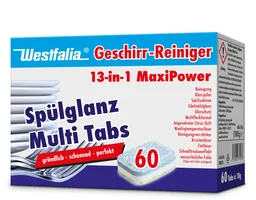
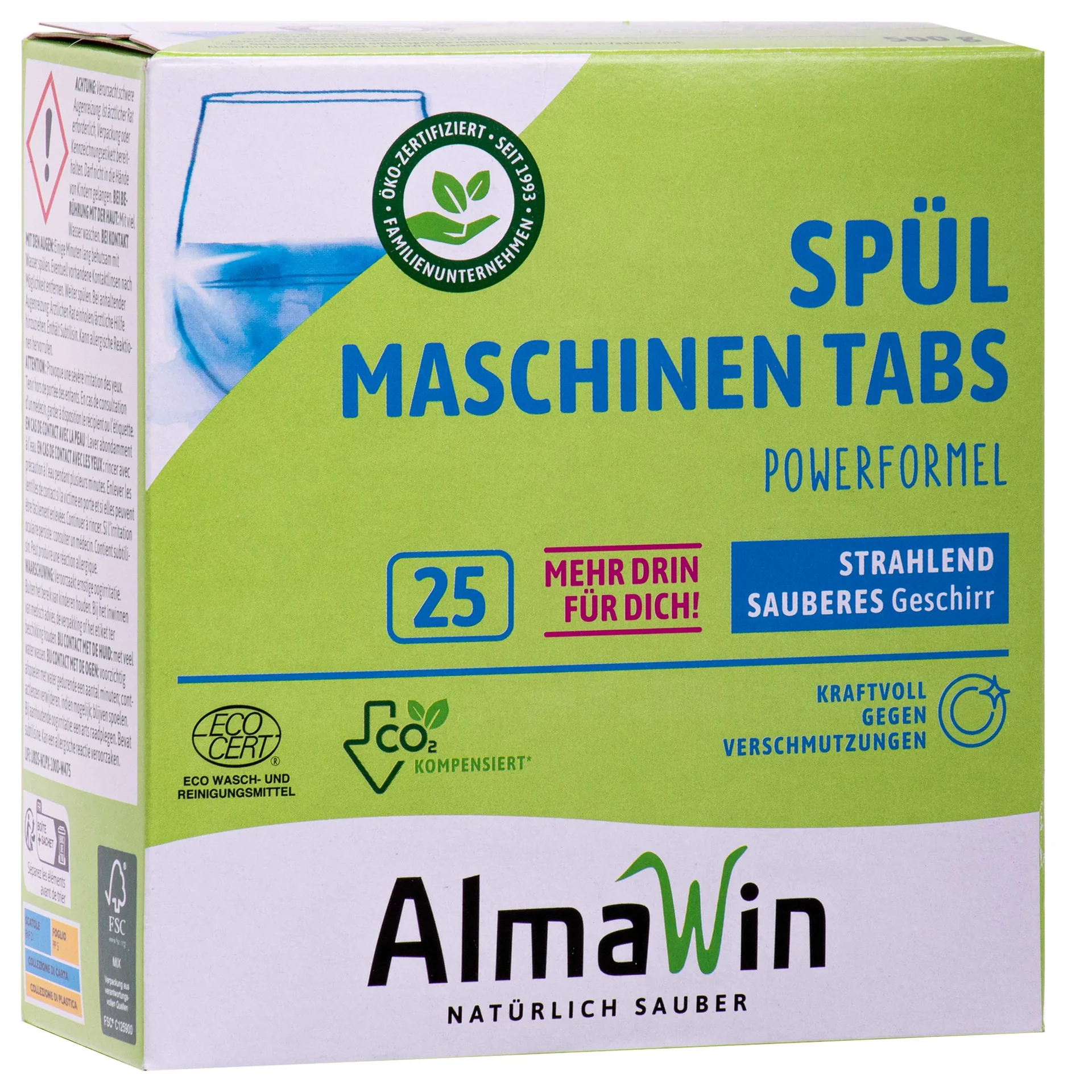
Standard tablets work well for lightly soiled toys and plastic containers. Rinse aid isn’t necessary for many of these items, but it can help glass and metal come out streak-free. Experiment with the amount you use.
How to care for your dishwasher
If you use your dishwasher for messy jobs, keep the machine clean, too. Regularly clean the filter at the bottom to remove food scraps and larger debris. Check the door seals for dirt.
Run an empty cleaning cycle at least once a month. Add a cup of white vinegar or dishwasher cleaner to the bottom of the machine, then run the hottest cycle. This helps remove limescale and grease from the interior.
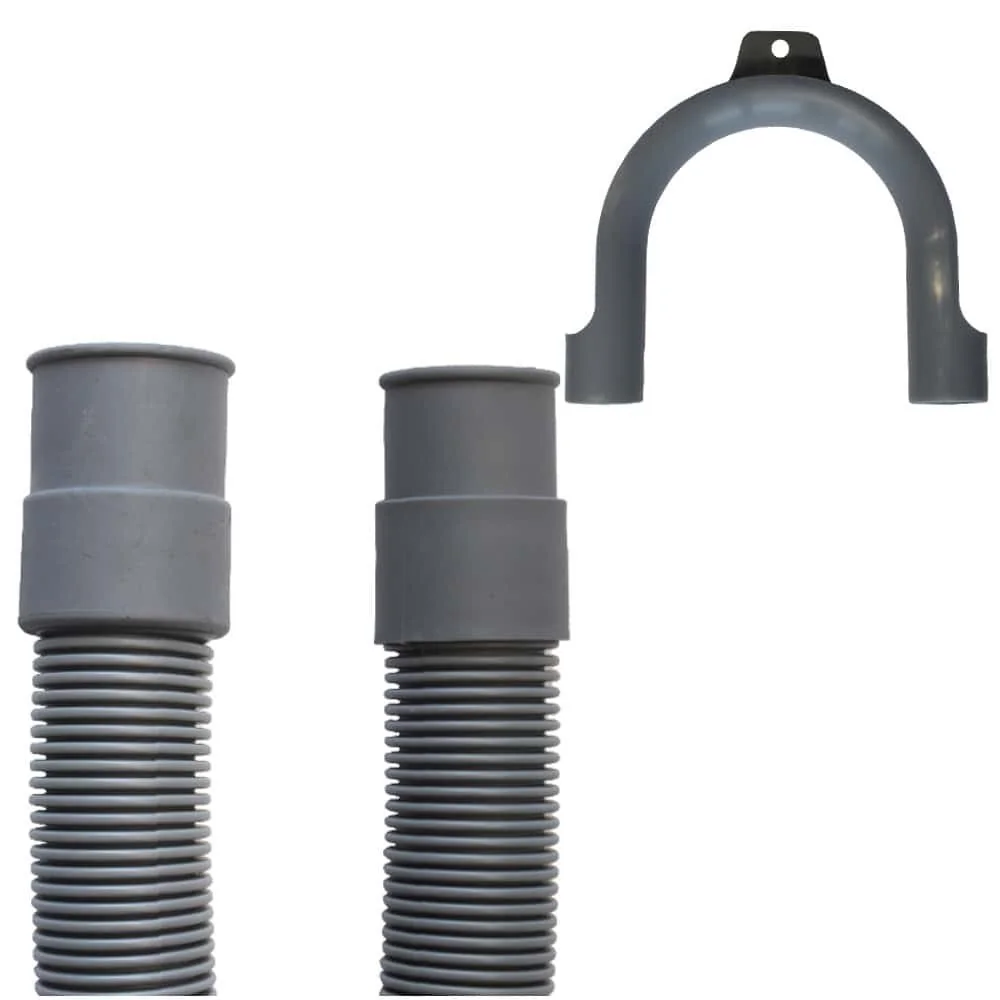
Also check the . An undamaged drain hose is essential for smooth operation, especially when rinsing away larger particles such as soil. A clogged hose can cause water damage.
Conclusion: Make household cleaning more efficient
Your dishwasher is a versatile cleaning tool. It handles jobs that would otherwise take a lot of time and effort. From cleaning the grill and kids’ toys to washing gardening gear, it expands your cleaning toolkit.
The key is to check the material and prepare items properly. Remove large bits of debris, choose a hot cycle and use a powerful detergent. Remember to clean and care for your dishwasher afterward.
Give it a try with a simple item, such as a plastic bin or oven rack. You may be surprised by the results and discover even more ways to use your dishwasher around the house. An everyday appliance can become a real problem-solver.
Frequently Asked Questions
- Which items should never go in the dishwasher?
- Wood, knives with wooden handles, fine steel wool, aluminum, cast iron, painted or coated items, and electrical appliances should stay out of the dishwasher. High heat and harsh detergent can damage materials, cause discoloration or rust, and permanently damage electronics.
- Can I clean my grill grate in the dishwasher?
- Yes, under the right conditions. Use a stainless steel or chrome-plated grill grate with no plastic parts. Brush off large food scraps first, then position the grate so it doesn’t block the spray arms. A high-temperature cycle can loosen baked-on grease. Dry the grate right away to prevent water spots.
- How can I clean my dishwasher effectively?
- Run an empty cleaning cycle once a month. Add a cup of white vinegar or dishwasher cleaner to the bottom of the machine. Alternatively, put a cup of citric acid powder in the silverware basket. Select the hottest cycle, usually 70°C. Regularly clean food scraps from the filter, seals and spray arms. This helps keep the dishwasher working well and prevent odors.
- Do I need special dishwasher tablets for these cleaning hacks?
- High-quality tablets or powders with enzymes and descaling agents are a good choice, especially for stubborn, baked-on grime on grill grates. They break down grease and proteins more effectively than mild all-in-one tablets. Standard tablets work for light dirt on toys and plastic containers. Choose a product suitable for high temperatures.
- Can I clean garden tools in the dishwasher?
- Yes. Small and medium-sized garden tools made of stainless steel or durable plastic, such as hand trowels, planting tools, pruning shears or pots, can be cleaned effectively. Remove large clumps of soil first. The dishwasher can loosen dried soil and plant sap. Dry metal parts right away, then oil moving parts such as the joints on pruning shears to help prevent rust.
You might also be interested in
- How to Clean a Dishwasher: Home Remedies and Tips for a Cleaner Machine
- How to Save Energy When Using Your Dishwasher
- Effective Home Remedies for Natural Cleaning
- Clean Smarter: Efficient Tips for a Cleaner Home
- How to Use Your Washing Machine Correctly: Tips for Clean Clothes and a Longer Lifespan
- How to Use a Steam Cleaner: Cleaning and Disinfecting