
In short: Make your own Christmas gift wrapping with natural materials such as fir branches, cinnamon sticks or dried orange slices. Use simple basic packaging such as brown kraft paper or cardboard boxes. Decorate each piece with jute string, stamps or homemade salt dough seals. These DIY ideas save money, reduce packaging waste and make every gift unique.
Table of contents
Why make your own gift wrapping?
Every year, you buy metres of wrapping paper that ends up in the bin after the holidays. DIY gift wrapping breaks this cycle. You use what you already have.
Handmade wrapping tells a story. It shows thoughtfulness. A gift wrapped with pinecones and jute feels different from a glossy store-bought product.
You save money. You can often find the materials in the garden, your craft box or around the home. Leftovers become useful.
“The wrapping is the first thing the recipient sees. It sets the mood and adds emotional value to the contents. Handmade wrapping amplifies this effect enormously.”
Sustainability meets personality
Manufacturing conventional wrapping paper uses energy and resources. Your DIY version often does not.
Use recycled cardboard boxes, old newspapers or kraft paper. Combine them with natural materials. This way, you create no new waste.
Every piece is unique. No two wrapped gifts are exactly alike. That makes your presents truly distinctive.
The basics: Which materials do you need?
Start with plain basic packaging. Brown kraft paper is versatile, sturdy and inexpensive. It is easy to paint, print on or decorate.
Old maps, sheet music or book pages make unique wrapping paper. Use transparent parchment paper for a modern look. It holds up well and lets you see the contents through it.
Top tip
Build up a supply of brown cardboard boxes in different sizes. You can often get them free from supermarkets or from deliveries. Remove old stickers thoroughly.
You need glue to keep everything in place. Liquid craft glue is suitable for paper and lightweight natural materials. Hot glue securely fixes pinecones or branches. Use it sparingly.
Replace plastic ribbons and cords with natural alternatives. Jute string, cotton yarn or raffia are ideal. Cut fabric scraps into strips. Leather scraps from old belts add an elegant touch.
Basic tools
You do not need any specialist tools. Sharp scissors, a craft knife and a ruler are enough for precise cuts.
Double-sided tape is invisible and keeps paper edges neatly together. A hole punch makes holes for ribbons or threading string through.
For stamps or embossed decorations, you will find plenty of ideas in the gifts section.
Decorations from nature: The garden and outdoors as a treasure trove
Your garden provides the most beautiful Christmas decorations for free. Collect fir cones, pinecones and attractive branches from coniferous trees. Make sure they are clean and dry.
Clumps of moss give packages a magical woodland character. Take small pieces and let them air-dry.
“The geometry of a pinecone, the texture of bark—these natural forms bring calm and authenticity to our hectic Christmas season. They are design at its best.”
Cinnamon sticks and star anise smell wonderful. Tie them directly onto the gift with ribbon. Dried orange or apple slices add colour as gift tags or glued-on decorations.
Cut thin slices from a branch and sand the edges smooth. Write on these wooden discs to make gift tags.
Important note
Check collected natural materials for insects. Place cones and branches in the oven at 50°C for a few hours to remove unwanted inhabitants. Do not use poisonous plants or berries.
Preserving materials for longer-lasting decorations
Wet moss or branches collected outdoors quickly become mouldy on a gift. Dry everything thoroughly in the air.
Lightly spray dried materials with hairspray or special spray adhesive. This fixes small particles in place and prevents crumbling.
For a glossy effect, briefly dip pinecones in diluted white glue and roll them in glitter. Alternatively, spray them with gold paint outdoors.
Simple techniques for creative designs
Stamping creates patterns without requiring artistic talent. Cut shapes such as stars or Christmas trees from a potato. Dip the stamp in paint and press it onto kraft paper.
Marbling creates elegant, unique papers. Drip nail polish onto the surface of a bowl of water. Place the paper on it briefly, then lift it out. The polish leaves behind marbled patterns.
You can also brush paint onto leaves and press them onto paper. This creates natural-looking patterns.
Extra advice
Test every technique on a scrap of paper first. This lets you check the colour intensity and the result. Work on a covered surface and wear old clothes.
Embossing and punching
Embossing tools or even a ballpoint pen without its refill can score patterns into soft paper. Draw lines or dots on the reverse side. On the front, this creates a raised, elegant relief.
Punch shapes from coloured paper and glue them on as a collage. A heart- or star-shaped hole punch is ideal for this.
For a quick solution, use
as a base and decorate them with your natural finds. This saves time.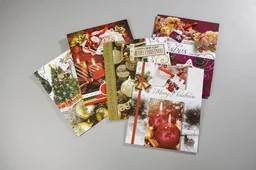
How do you wrap special gifts?
Bottles can be tricky.
Christmas bottle bags provide a practical starting point. Fill the bag with fragrant natural materials such as cedar shavings. The gift will smell wonderful and stay protected.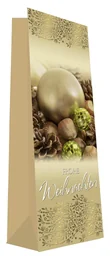
Fill a small gift bag with homemade biscuits or barbecue seasoning. Seal the bag with a wooden clip and a sprig.
For garden gifts such as seeds or small tools, use a small jute bag. Label it with a small wooden tag.
Large or irregularly shaped gifts
Wrap a barbecue gift voucher in an old grill tray. Place the voucher inside and arrange sprigs of rosemary on top. Wrap everything in cellophane.
Place a new garden sign in a flowerpot filled with moss. It instantly becomes part of the decoration.
For a large book or platter, use a sturdy paper bag. Reinforce the base with cardboard. Decorate the front with a large homemade salt dough tag.

Add personal touches
Handwritten labels add warmth. Use attractive lettering and cut out the label with pinking shears. Attach it with a natural wooden peg.
Salt dough tags are easy to make. Shape the dough, bake it and paint it once cool. Thread jute string through a hole.
Stamp the recipient's name directly onto the wrapping paper. Alternatively, use a personalised stamp with their initials.
Create a cohesive look
Consistency is important. Choose a colour theme: natural shades (brown, green, beige), red with gold or wintry shades (white, silver, blue). Stick to it.
Combine no more than two or three materials. Too many elements can look cluttered. A jute ribbon, a pine cone and a wooden tag make a strong trio.
Lighting adds highlights. Add small lights such as a
Christmas garland 5m with 80 LEDs in your gift display. It creates a magical atmosphere.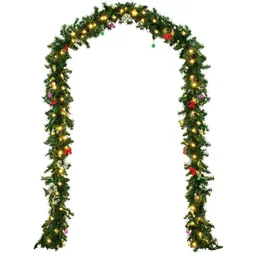
Think about the presentation. Place all the gifts under the tree on a layer of fir branches or on a large piece of jute fabric. This completes your DIY concept.

Start early. Collect materials in autumn. Dry orange slices and moss. Then nothing will stand in the way of your creative Christmas crafting. Your gifts will be remembered long after everyone else's wrapping paper has been thrown away.
Frequently asked questions
- Which natural materials are suitable for DIY gift wrapping?
- Fir branches, pine cones, cinnamon sticks, star anise, dried orange slices, cedar shavings and moss you've collected yourself are all perfect. These materials smell wonderful, look festive and can easily be tied to boxes with jute string or raffia. Make sure the materials are dry and clean.
- How can I make my own sustainable wrapping paper?
- Simply use plain brown kraft paper or recycled paper bags as a base. Print patterns on it with potato stamps (stars, Christmas trees) or natural dyes. Marbling with nail polish in water or pressing painted leaves onto the paper also creates unique patterns. Use eco-friendly paints.
- What can I use as an eco-friendly ribbon or bow?
- Jute string, raffia, cotton yarn or fabric scraps are ideal alternatives to plastic ribbons. Cut strips from old fabric scraps. Use thin willow branches for a natural look. Thick wool remnants or strips of fabric cut from old T-shirts work well too.
- Can I make gift tags from salt dough?
- Yes. Mix salt, flour and water into a dough, shape tags (stars, hearts) and make a hole for the ribbon. Bake the pieces at a low temperature until dry. Once cool, paint them or decorate them with gold accents. These tags are personal and reusable.
- How do I wrap unusual gifts such as plants or barbecue accessories?
- Use practical and decorative packaging. A small jute sack or a PRODUCT_114333 bottle bag is suitable for bottles. Wrap plants in a plant pot made from natural materials. For barbecue seasoning, use small jars decorated with wooden tags. Visit our BBQ + Smoking category for inspiration.
You may also be interested in
- Make your own DIY Christmas decorations: Creative ideas for your home
- Sustainable gift wrapping with recycled paper DIY: Here's how
- Make sustainable DIY gifts: Ideas and inspiration
- Make your own Christmas garland: Your guide to festive DIY decorations
- Make Christmas decorations: Personalised DIY Christmas tree ornaments
- Christmas paper crafts: Festive decoration ideas for the whole family