
In brief: Using horse chestnuts as a spider repellent is a widespread myth. There is no scientific evidence that their smell or saponins repel spiders. The substances supposedly responsible are enclosed in the hard shell and do not create a scent that spiders can detect. Physical barriers, regular cleaning and sealing potential entry points are more effective.
Do Chestnuts Keep Spiders Away? Myth or Fact?
Every autumn, the same advice resurfaces: Place horse chestnuts in the corners of your rooms and spiders will stay away. The idea sounds temptingly simple and natural. But does it really work? We investigate the myth and show you what actually helps keep unwanted eight-legged visitors out.
How did the myth about chestnuts as a spider repellent begin?
The origin of this folk belief is unclear. It may be based on the assumption that the smell of chestnuts or the bitter compounds they contain (saponins) repel spiders. These substances are supposedly unpleasant to spiders. Another theory attributes the effect to the smooth, hard surface, which supposedly makes it difficult for spiders to walk on—an implausible explanation for such agile creatures.
“In the study of urban legends, chestnuts regularly appear as a supposed cure-all against spiders. This is a classic superstition that persists through word-of-mouth and the desire for a simple solution.”
Why don’t chestnuts work as a spider repellent?
The claim does not stand up to scientific scrutiny. There are several reasons for this.
The chemistry doesn’t add up
Horse chestnuts do in fact contain saponins. However, these are firmly bound within the cells of the hard shell and fruit flesh. They do not evaporate at room temperature or spread through a room as an effective scent. The concentration in the air is zero.
Important note
Horse chestnuts are poisonous, especially to children and pets. Swallowed pieces can cause nausea, vomiting and stomach pain. Do not use chestnuts in homes with small children or curious animals.
Spiders navigate differently
Spiders perceive their surroundings primarily through vibrations and tactile stimuli. Their sense of smell is geared towards specific attractants (pheromones) from prey or potential mates. The subtle smell of a chestnut, barely perceptible to humans, falls outside their relevant sensory range. To a spider, a chestnut is simply a neutral obstacle.
What attracts spiders into my house?
To get rid of spiders, you need to understand what attracts them. Spiders are hunters. They follow their prey.
- Insects: Flies, mosquitoes, moths and silverfish are their main food sources. Where these insects are found, spiders will eventually follow.
- Quiet corners: Undisturbed areas such as cellars, lofts, cupboards or hidden spaces behind furniture provide ideal nesting sites.
- Moisture: Some species prefer a damp environment, such as bathrooms or cellars.
- Entry points: Open windows, gaps beneath doors, ventilation shafts and cracks in walls provide ways in.
Instead of collecting chestnuts, give your Garden & Outdoor a thorough check. The invasion often starts outside.
What really works against spiders in the house?
Effective spider control addresses the factors that make your home attractive to them. The aim is to make your house unappealing to spiders.
1. Create physical barriers
This is the most effective measure. Simply prevent spiders from getting inside.
- Fly screens: Fit them to all windows and balcony doors. Make sure they fit properly without gaps.
- Door seals: Add draught excluders beneath exterior doors.
- Seal gaps: Seal joints around pipe penetrations, window frames and masonry with silicone or acrylic sealant.
Pro tip
Check your outdoor lighting regularly. Light attracts insects at night, which in turn attract spiders. Use specialist insect LEDs with low insect-attracting properties, or place light sources a little further away from windows and doors.
2. Reduce the food supply
No prey, no spiders. Control insects in your home.
- Always store food in sealed containers.
- Empty bins regularly and use ones with lids.
- Avoid standing water in saucers or bowls.
- If necessary, use sticky traps for flies or silverfish.
For larger problems, you will find professional solutions in Commercial Supplies.
3. Clean regularly and avoid clutter
Spiders love undisturbed hiding places. Take those away from them.
- Vacuum regularly, especially in corners, beneath furniture and along ceilings.
- Remove webs immediately. This destroys the spider’s “living room”.
- Tidy cellars, lofts and sheds and clear out old materials.
“The best spider prevention is good household hygiene. A spider that can find neither a quiet hiding place nor enough food will not settle permanently. Removing webs is more important than killing the spider itself, because it makes the territory unattractive.”
Are there any effective home remedies or scents?
Unlike chestnuts, some essential oils have a demonstrable, although often short-lived, effect. Spiders are sensitive to strong smells.
- Peppermint oil: Mix 10-15 drops with water in a spray bottle. Spray window frames, door thresholds and other entry points.
- Lemon and vinegar: A homemade mixture of lemon juice, water and a little vinegar has a similar effect.
- Lavender and tea tree oil: These oils are also described as having a deterrent effect.
Additional advice
The effect of the oils wears off after a few days. You will need to repeat the treatment regularly. Test the mixture on an inconspicuous area first to prevent staining. The vapours may irritate sensitive people.
Products for professional spider control
When home remedies aren’t enough, specialist products can help. Here are three relevant products from our range.
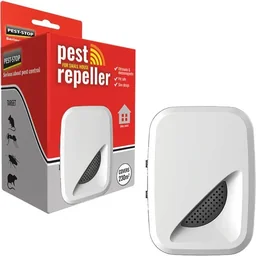
– This ultrasonic pest repeller is designed for smaller homes and apartments. It emits sounds that people can’t hear but are intended to bother rodents and insects. It’s a passive, chemical-free approach.
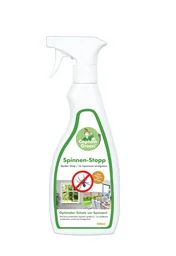
– “Spider Stop” is a product for directly treating spiders. Spray the special foam into cracks and crevices to create a barrier and kill pests. It’s ideal for targeted use in areas where spiders are known to nest.
– This product doesn’t control spiders, but it offers a smart prevention tip: use a sturdy ground anchor for your rotary clothesline. A clean, securely anchored clothesline in the garden attracts fewer insects—and therefore fewer spiders—than a wobbly one. Well-designed garden equipment can be part of the solution.
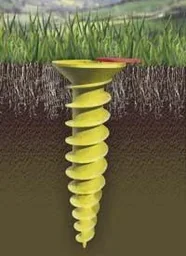
How do I deal with a spider infestation?
A few spiders can be helpful. An infestation, however, can be a nuisance. Here’s how to tackle the problem step by step.
- Identify: Are there many spiders of the same species? That may point to a nearby nesting site.
- Find the source: Check basements, attics, roller shutter boxes, and exterior cladding.
- Clean: Thoroughly vacuum the affected area and remove any egg sacs.
- Seal: Immediately close any entry points you find with suitable materials.
- Protect your home long term: If needed, install professional insect screens or contact a pest control professional.
For many jobs around the home and garden, you’ll need the right tools from our garden tools and power tools categories.
Conclusion: Chestnuts are just a placebo
Using horse chestnuts to keep spiders away is a myth. The hoped-for chemical deterrent effect doesn’t happen, so you can skip the effort of collecting and placing them around your home.
Instead, use proven methods: seal entry points, keep your home clean, and reduce the number of insects. For persistent problems, physical barriers and specialist products are available. These steps make your home less inviting to spiders—without relying on superstition.
Frequently asked questions
- How long do chestnuts keep spiders away?
- Fresh chestnuts dry out and shrivel within a few weeks. They don’t release any new active compounds as they dry. The supposed effect is based on superstition, not on a scent that fades over time. If there’s any placebo effect, it ends once the chestnuts have dried out.
- Do chestnuts keep other insects away, too?
- No. There’s no reliable evidence that horse chestnuts repel moths, silverfish, ants, or other household insects. The claim that their saponins repel insects is unfounded, since these substances aren’t released into the air indoors. Effective insect control requires methods suited to the specific pest.
- Where should I put chestnuts to keep spiders away?
- Since chestnuts don’t release any proven spider-repelling scents, where you put them doesn’t matter. Windowsills, corners, and doorways are often suggested. It’s more useful to vacuum these areas, remove dust, and check for cobwebs. That helps remove what attracts spiders to these spots.
- Are chestnuts dangerous for pets?
- Yes. Raw horse chestnuts are poisonous to many pets, especially dogs and horses. The saponins and other compounds they contain can cause vomiting, diarrhea, and seizures. Keep chestnuts out of your pets’ reach. They’re not suitable for pest control anyway.
- Are there any effective home remedies for spiders?
- Some scents may have a limited effect. Essential oils such as peppermint, lemon, or tea tree oil, diluted with water and sprayed, may temporarily irritate spiders. Physical prevention is more effective: seal cracks, install window screens, and keep your home clean. These steps remove the conditions spiders need to live.
You may also be interested in
- YACHTICON vs. home remedies: the ultimate spider repellent comparison
- Spider season: How to protect your boat and home from cobwebs
- Buy spider spray: Your guide to a spider-free home
- Fall crafts with acorns and chestnuts
- Cellar spiders in your home: Helpful guests, not pests
- How to get rid of spider mites: Identification and home remedies