
In brief: A good drain cleaner reliably clears clogs, is easy to use, and suits your specific plumbing problem. Drain snakes are especially effective for stubborn clogs in sinks, showers, and toilets. Pneumatic models use compressed air and work well on light to moderate clogs. Make sure the cleaner fits your pipe diameter and has enough reach for the job.
A clogged drain in the bathroom or kitchen is a nuisance. Before calling an expensive plumber, it’s worth choosing the right drain cleaner. There are plenty of options, from a simple plunger and chemical solutions to electric drain augers and high-pressure cleaners. But which type is right for your problem? Our 2026 test and comparison looks at the best drain cleaners, weighs their strengths and weaknesses, and helps you choose the right one.
Contents
How the different systems work
Drain cleaners don’t all work the same way. The technology you choose can make a big difference.
Mechanical drain cleaners
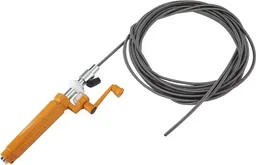
These classic tools use a flexible drain snake or cable that you feed into the pipe by hand or with a crank. The tip breaks up the clog or hooks onto it so you can pull it out. Mechanical cleaners are especially effective against solid objects and heavy buildup. One example is the drain cleaning auger with crank drive . Its sturdy construction transfers force effectively to the clog.
Pneumatic drain cleaners
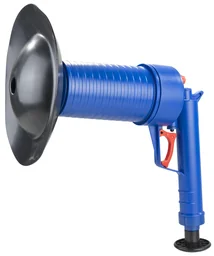
Pneumatic models, often called compressed-air drain cleaners, release a controlled burst of air pressure. The pressure loosens the clog and pushes it through the pipe. These cleaners are easy to use and gentle on pipes because they don’t make physical contact with the clog. The Power Air Pressure Drain Cleaner works on this principle and is a good choice for lighter clogs in the kitchen or bathroom.
Chemical drain cleaners
Liquid and gel drain cleaners use caustic or enzyme-based ingredients to break down organic buildup. They’re easy to use, but often work only on the surface and are best suited to light clogs. They can be harsh on the environment and your pipes, so use them only as a last resort.
Warning: Use chemical drain cleaners with extreme care. Always wear protective gloves and safety goggles. Never mix different products, as they may produce toxic gases. Keep them out of reach of children.
What to look for in a drain cleaner
What makes a drain cleaner stand out in a test? We looked closely at several factors.
Effectiveness: This is the most important factor. How reliably does the device clear different types of clogs? We tested it on hair, grease buildup, and solid objects.
Ease of use: A good device is intuitive to use. How easily does the drain snake feed into the pipe? Is the handle sturdy? Is the device easy to clean after use?
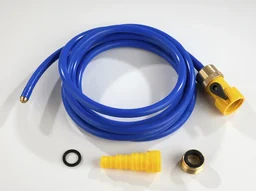
Compatibility and reach: Does the cleaner fit standard pipe diameters in kitchens, bathrooms, and toilets? How long is the snake or hose? Clogs deep in drain lines require more reach. The Rohrfrei-Power drain cleaning hose has a useful 2,5 m reach for most household jobs.
Materials and construction: Quality materials, such as rust-resistant steel cables and durable plastic housings, help a drain cleaner last. Cheap products can break or corrode quickly.
Safety: A reliable valve system is especially important for pneumatic models to prevent uncontrolled pressure release. A check valve, like the one on the Rohrfrei-Power with non-return valve , helps protect you from splashing water.
The best drain cleaners in our test
Our hands-on test shows which models performed best in the most important categories. Remember that using the right technique is just as important as choosing the right tool.
Here’s how our top-rated drain cleaners and drain snakes compare:
| Model | Customer rating | Availability |
|---|---|---|
| Rohrfrei-Power with return valve 🏆 Test winner | ★ 4,7 (30) | In stock |
| Drain snake with crank handle | ★ 4,9 (22) | In stock |
| Rohrfrei-Power drain cleaning hose with nozzle, 2,5 m, Blue/Yellow | ★ 4,6 (20) | In stock |
| Pneumatic drain cleaner | ★ 4,8 (13) | In stock |
| Rohrfrei-Profi drain pump, 3-piece | ★ 4,5 (2) | In stock |
Tip: Always start with the gentlest method. Try a plunger or pneumatic drain cleaner first. Use a drain snake only if that doesn’t work. This helps minimise the risk of damaging your pipes.
Test winner for stubborn clogs
For deep, stubborn clogs, the drain snake with crank handle proved unbeatable. The crank gives you plenty of power and control. The sturdy snake reliably worked its way through even caked-on buildup. It takes some effort to use, but the results were impressive.
Best all-around solution
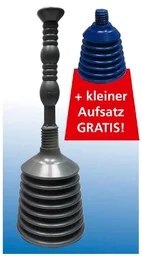
As a versatile set, the Rohrfrei-Profi drain pump . The 3-piece set includes different attachments for various pipe sizes and types of buildup. The pump creates powerful suction and pressure. It’s a good mechanical option between a basic plunger and a powered drain snake.
Buying guide: Which drain cleaner is right for you?
The right choice depends on the clogs you typically deal with, your DIY experience and your budget.
For occasional, minor clogs: A traditional plunger or a pneumatic drain cleaner such as should do the job. They’re affordable, easy to store and ready to use in seconds.
For homes with long hair or frequent kitchen clogs: Invest in a drain snake. Models such as or can reliably clear hair clogs and grease buildup. Browse all the options in our drain cleaners and drain snakes category.
For commercial use or very old pipes: Professional-grade, heavy-duty sets such as are a better choice. If you’re unsure about the condition of your pipes, consult a professional.
Note: Battery-powered drain snakes are more convenient, but they cost more and require maintenance. For occasional household use, they’re often not worth the investment. You can also find them in our cleaning equipment range.
How to use a drain cleaner: Tips for clearing your pipes
Choosing the right tool gets you halfway there. The rest comes down to using the right technique.
- Preparation: Remove the strainer or drain cover. Lay old towels around the drain to protect the area from splashes.
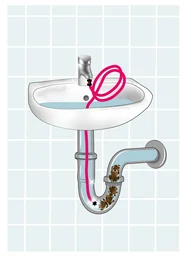
- Insertion: Carefully feed the tip of the snake or hose into the drain. With a manual model, turn the crank gently as you feed it in to keep it from getting stuck.
- Clearing the clog: If you feel resistance, work forward with gentle turning and pushing motions. Don’t force it, as too much pressure could damage pipe connections.
- Removal and cleaning: Slowly pull the snake back out. Clean it thoroughly under running water right away.
- Flushing: Flush the drain with plenty of hot water to wash away loosened debris.
Prevention and care
The best drain cleaning is the kind you never need. A few simple habits can help prevent clogs.
Never pour fats or oils down the drain. Use a hair catcher in the shower and bathtub. Flush your drains regularly with hot water. Store your equipment clean and dry. Check the seals on multi-piece sets regularly. Find more useful products for keeping your home running smoothly in our shop.
Conclusion
Choosing the right drain cleaner saves time, money and hassle. For most households, a manual drain snake is the best investment because it can handle a wide range of clogs. Models such as or the set offer excellent value and dependable performance over time. For light, surface-level clogs, pneumatic drain cleaners such as are a quick, clean alternative. Avoid harsh chemical cleaners whenever possible. With the right technique and a little prevention, clogged drains can become a thing of the past.
Frequently Asked Questions
- What is the best drain snake for stubborn clogs?
- For stubborn, deep clogs, a hand-crank drain snake with enough length is usually the most effective option. It reaches the blockage and breaks it up or pulls it out. Models with interchangeable attachments give you more ways to clear a clog. A chemical treatment may help loosen buildup, but rarely solves the problem on its own.
- Can I use a drain snake in a toilet?
- Yes, you can use a drain snake designed for toilets. These models often have a reinforced cable and a protective sleeve to help prevent scratches to the porcelain. Don’t use a sink drain snake in a toilet unless the manufacturer specifically says it’s safe for that use. Check the product specifications, and call a plumber for a severe clog.
- What is the difference between a mechanical and a pneumatic drain cleaner?
- A mechanical drain snake uses a cable to bore through or pull out a clog, making it suitable for solid blockages. A pneumatic drain cleaner uses a burst of compressed air to loosen and dislodge loose buildup. It’s gentler on pipes, but may not work on hardened clogs. The best choice depends on the type and severity of the blockage.
- How do I clean and maintain a drain snake after use?
- Rinse the cable or hose thoroughly with clean water after each use. Dry all parts completely before putting the tool away to help prevent rust and unpleasant odors. Check the seals on pneumatic models regularly, and store the tool in a dry place. Proper care can significantly extend its service life.
- When should I call a plumber instead of trying to clear the clog myself?
- Call a plumber if your DIY attempts don’t work, the clog keeps coming back, or you’re concerned about damaging the pipes. Professional help is also a good idea with old plumbing, blocked main drains, or if you’re unsure how to use the tool. A plumber can identify structural problems and make a lasting repair.