
In brief: A good drain cleaner reliably clears blockages, is easy to use and suits your specific pipe problem. Mechanical cleaners with a spiral are particularly suitable for stubborn blockages in sinks, showers or toilets. Pneumatic models work with compressed air and are ideal for light to medium blockages. Make sure the cleaner is compatible with your pipe diameters and offers the reach you need.
A blocked drain in the bathroom or kitchen is a nuisance. Before you reach for the phone and call an expensive plumber, it is worth choosing the right drain cleaner. There is a wide range to choose from: From a simple plunger and chemical solutions to electric high-pressure drain cleaners, you can find everything in stores. But which system is right for your problem? Our 2026 test and comparison shows you the best pipe cleaners, assesses their strengths and weaknesses, and helps you make the right buying decision.
Contents
How the different systems work
Not every pipe cleaner works on the same principle. The choice of technology has a major impact on success.
Mechanical pipe cleaners
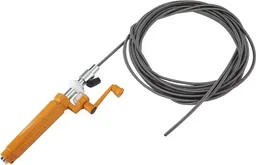
These classics use a flexible spiral or shaft that is inserted into the pipe manually or with a crank drive. The tip drills into the blockage, breaks it up or pulls it out. They are particularly effective against solid objects or heavily encrusted deposits. One example is the drain cleaning auger with crank drive . It impresses with its robust construction and powerful transfer of force to the blockage.
Pneumatic drain cleaners
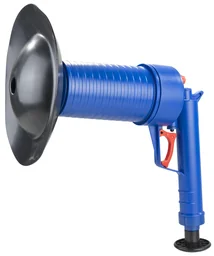
Pneumatic models, often called compressed-air or power drain cleaners, generate a controlled burst of air pressure. This pressure loosens the blockage and pushes it through the pipe. They are clean to use and gentle on pipes because there is no physical contact. The Power Air Pressure Drain Cleaner uses exactly this principle and is ideal for lighter blockages in the kitchen and bathroom.
Chemical drain cleaners
Liquid or gel cleaners are based on caustic or enzymatic substances that dissolve organic deposits. They are easy to use, but often work only superficially and on light blockages. They are the most aggressive choice for the environment and your pipes. They should always be the last resort.
Warning: Be extremely careful when using chemical drain cleaners. Always wear protective gloves and safety goggles. Never mix different products, as toxic gases may form. Keep them out of the reach of children.
Test criteria for good drain cleaners
What makes a drain cleaner the winner in a test? We took various factors under close examination.
Effectiveness: This is the decisive criterion. How reliably does the device remove different types of blockage? We tested it with hair clumps, grease deposits and solid foreign objects.
Ease of use: A good device is intuitive to operate. How easily can the spiral be inserted? How stable is the handle? Is it easy to clean after use?
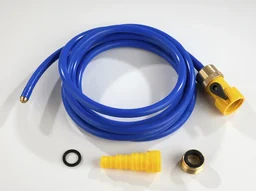
Compatibility and reach: Is the cleaner suitable for the standard pipe diameters in kitchens, bathrooms and toilets? How long is the spiral or hose? Deep blockages in drain stacks require greater reach. The Rohrfrei-Power drain cleaning hose offers a good length of 2,5 m for most household applications.
Materials and workmanship: High-quality materials such as rust-resistant steel spirals and robust plastic housings ensure durability. Cheap products break quickly or corrode.
Safety: A safe valve system is particularly important for pneumatic models to prevent uncontrolled pressure releases. A non-return valve, such as the one on the Rohrfrei-Power with non-return valve , protects the user from splashing water.
The best drain cleaners in our test
Our practical test shows which models performed best in the most important categories. Remember that using the right technique is just as important as the tool itself.
The most highly rated drain cleaners and pipe cleaners from our range compared directly:
| Model | Customer rating | Availability |
|---|---|---|
| Rohrfrei-Power with return valve 🏆 Test winner | ★ 4,7 (30) | In stock |
| Drain cleaning snake with crank handle | ★ 4,9 (22) | In stock |
| Rohrfrei hose “Rohrfrei-Power”, with nozzle, 2,5 m, Blue/Yellow | ★ 4,6 (20) | In stock |
| Power air pressure drain cleaner | ★ 4,8 (13) | In stock |
| Rohrfrei-Profi, Rohrfrei pump, 3-piece | ★ 4,5 (2) | In stock |
Tip: Always start with the gentlest method. Try a plunger or pneumatic drain cleaner first. Only use a mechanical drain snake if that does not work. This minimises the risk to your pipes.
Test winner for stubborn blockages
For deep and solid blockages, the drain cleaning snake with crank handle proved unbeatable. The crank handle gives you plenty of power and control. The robust snake reliably worked its way into even encrusted deposits. It requires some effort to use, but the results were convincing.
Best all-round solution
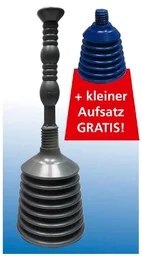
As a versatile set, the Rohrfrei-Profi, Rohrfrei pump . The 3-piece set combines different attachments for various pipe sizes and types of dirt. The pump creates powerful suction and pressure. It is a good mechanical alternative between a simple plunger and a motorised drain snake.
Buying guide: Which cleaner is right for you?
The choice depends on the problems you typically encounter, your DIY skills and your budget.
For occasional, minor blockages: A traditional plunger or a pneumatic drain cleaner such as is perfectly adequate. They are affordable, easy to store and ready to use in no time.
For households with long hair or frequent kitchen blockages: Invest in a mechanical cleaner with a snake. Models such as or reliably remove hair clumps and grease deposits. See all the options in our drain cleaners and pipe cleaners category.
For commercial use or very old pipes: Professional, robust sets such as are the better choice here. If you are unsure about the condition of your pipes, always consult a professional.
Note: Battery-powered electric drain cleaners offer greater convenience, but they cost more to buy and require maintenance. For very occasional household use, the investment is often not worthwhile. You can also find them in our cleaning equipment range.
How to use a drain cleaner: Tips for successful pipe cleaning
With the right device, half the job is done. The other half is using the correct technique.
- Preparation: Remove the strainer or drain cover. Protect the surrounding area from splashes with old towels.
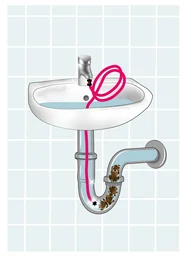
- Insertion: Carefully insert the tip of the snake or the hose into the drain. With mechanical models, turn it gently as you do so to prevent it from getting stuck.
- Working on the blockage: If you feel resistance, work your way forward with gentle turning and pushing movements. Do not apply excessive pressure, as this could damage pipe connections.
- Retraction and cleaning: Slowly pull the snake back out. Clean it immediately and thoroughly under running water.
- Rinsing: Rinse the drain with plenty of hot water to wash away loosened residue.
Prevention and care
The best drain cleaning is the kind you never need. A few simple habits can help prevent blockages.
Never pour fats or oils down the drain. Use a hair catcher in the shower and bath. Flush your drains regularly with hot water. For equipment care, always store everything clean and dry. Regularly check the seals on sets with multiple parts. Discover more useful helpers for a smoothly running home in our shop.
Conclusion
Choosing the right drain cleaner saves you time, money and hassle. For most households, a mechanical cleaner with a snake is the best investment, as it can tackle the widest range of problems. Models such as or the set offer excellent value for money and long-term reliability. For light, surface-level blockages, pneumatic cleaners such as are a clean and fast alternative. Avoid harsh chemicals wherever possible. With the right technique and a little prevention, blocked drains can become a thing of the past.
Frequently Asked Questions
- Which drain cleaner is best for stubborn clogs?
- For stubborn, deep-seated clogs, mechanical drain augers with a crank handle and sufficient length are the most effective. They physically penetrate and break up the blockage. Models with different attachments increase the chances of success. Chemical pre-treatment can make the job easier, but is rarely a solution on its own.
- Can I use a drain cleaner in the toilet?
- Yes, special drain cleaners for toilets are available. They often feature a reinforced spiral and protection for the ceramic. Never use a cleaner designed for sinks in the toilet unless it is explicitly approved for this purpose. Check the product specifications. For severe blockages, call in a professional.
- What is the difference between mechanical and pneumatic drain cleaners?
- Mechanical drain cleaners use a physical spiral to bore through or pull out the blockage. They are suitable for solid obstructions. Pneumatic models generate a burst of compressed air that loosens and pushes away loose deposits. They are gentler on the pipes, but are often ineffective against hardened obstructions. The right choice depends on the extent of the blockage.
- How do I clean and maintain my drain cleaner after use?
- Rinse the cleaning spiral or hose thoroughly with clean water after use. Dry all parts completely before storing them to prevent rust and unpleasant odours. Check the seals on pneumatic models regularly. Store the device in a dry place. This will significantly extend its service life.
- When should I call a plumber instead of trying to fix it myself?
- Call a professional if all DIY attempts fail, the blockage keeps recurring or you are worried about damaging the pipes. Professional help is also advisable for old pipework, accessible main drains or if you are unsure how to use the cleaner. A plumber can identify structural problems and fix them permanently.