
In brief: A drill bit sharpener significantly extends the life of your drill bits and saves money in the long run. Choosing the right device depends on the precision required, the range of drill bits and your working environment. Electric models offer convenience and consistent results, while manual systems may be sufficient for occasional use. Compatibility with your drill bit types and sizes is crucial.
Blunt drill bits are a nuisance in any workshop. They cost time and effort while delivering disappointing results. The solution: a drill bit sharpener. With the right device, you can turn old, worn drill bits into sharp and precise tools again. Our 2026 test and comparison will help you find the right model for your needs. We introduce various systems and provide a detailed buying guide.
Contents
How does a drill bit sharpener work?
A drill bit sharpener removes material from the tip of the drill bit to restore its original geometry and sharpness. It creates two clean cutting edges with the correct point angle. Most devices use a rotating grinding wheel. The drill bit is secured in a guide and pressed against the wheel at a defined angle. Modern electric devices automate this process and guarantee consistent results.
Tip: A correctly sharpened drill bit almost drills itself into the material. You should need to apply very little pressure. Use this characteristic to test the quality of your sharpening work.
What types of drill bit sharpeners are available?
There are two basic types: manual and electric systems. Your choice depends on your budget, how often you use the device and the level of convenience you want.
Manual sharpeners and honing tools
These systems are often simple holders that you attach to an existing tool grinding wheel or sharpening rod. They require a good eye and some practice. One example is the Batavia honing tool. It is a precision tool for manually sharpening drill bits. Manual solutions are sufficient for occasional jobs and a small number of drill bits.
Electric drill bit sharpeners
Electric models are the top-of-the-range option. They feature an integrated motor and grinding wheel. The drill bit is secured in a holder, and the device automatically guides it against the wheel in the correct position. You get professional results without extensive prior knowledge. You can find these devices in our sharpeners category.
Battery-powered drill bit sharpeners
For maximum flexibility, especially on construction sites or in the garden, battery-powered models are ideal. They do not depend on a power socket. One example is the
. It gives you complete freedom to sharpen drill bits directly at the place of use.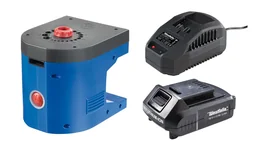
Warning: Never work at a grinding device without safety goggles! Even automatic systems can send small metal chips or sparks flying, causing serious eye injuries.
Important buying criteria for drill bit sharpeners
Before choosing a device, you should check the following points.
Compatible drill bit diameter: This is the most important criterion. Check the minimum and maximum drill bit diameter the device can handle. Typical ranges are 2.5 to 13 mm or 3 to 16 mm.
Power (watts): On electric devices, the wattage indicates the motor's power. Higher power (e.g. 110W) usually means faster and more stable sharpening, especially with larger drill bits. The
delivers high power with 110W.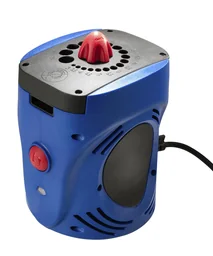
Grinding angle adjustment: Different materials require different point angles. An adjustable angle (e.g. 90° to 135°) makes the device more versatile.
Features and convenience: Useful features include an integrated LED work light, a water bath for cooling (which prevents the steel from turning blue) or a dust extraction connection.
Mains power or battery: Decide whether you need the flexibility of a battery-powered device or whether a mains-powered model is sufficient for your workshop. Remember: For battery-only devices such as this one, you need charged batteries.
Drill Bit Sharpeners Tested: Models Compared
There are a wide variety of models on the market. We took a closer look at some interesting devices for you. The following table provides a direct overview of selected models.
The highest-rated drill bit sharpeners from our range compared directly:
| Model | Customer rating | Availability |
|---|---|---|
| Electric Twist Drill Bit Sharpener 110W BSG110 🏆 Test winner | ★ 4,7 (19) | In stock |
| Electric Twist Drill Bit Sharpener 95 W/ 230 V | ★ 4,9 (16) | In stock |
| Batavia Honing Tool Red/Blue - Precision Sharpening Tool, Various Sizes | – | Currently unavailable |
| Bison 230V Mains Adapter for 12V Cordless Tools | – | Currently unavailable |
| Cordless Drill Bit Sharpener 18 V Li-ion Including 2 Ah Battery and Charger | – | Currently unavailable |
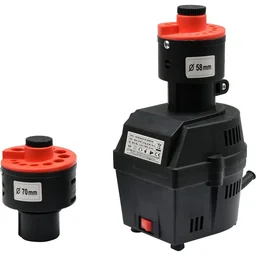
In addition to the products mentioned above, the is another noteworthy model. With 70W of power and a sharpening range of 3 to 16 mm, it meets standard requirements well. It is a typical example from the drill bit sharpeners category.
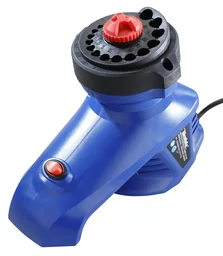
For users who value solid basic equipment, the with 95W is a good choice. It offers a balanced combination of performance and ease of use.
Note: Product availability may vary. Check the current stock status directly in the shop before making a purchase decision.
How to Sharpen Drill Bits Correctly
The process is simple with an electric sharpener. Follow these steps for the best results.
- Clean the drill bit: Remove dirt, oil or resin residue from the drill bit.
- Secure the drill bit: Insert the drill bit firmly and straight into the device's holder. The cutting edge should point towards the grinding wheel.
- Start the device: Switch on the device. The grinding wheel will start to rotate.
- Sharpening process: Press the lever or start the automatic process. The device guides the drill bit against the wheel and sharpens each side in turn.
- Check the result: After sharpening, carefully check the sharpness with your finger (side edge!) or by testing it on a scrap piece of wood.
Avoid sharpening for too long at once to prevent overheating. If necessary, briefly cool the drill bit in water.
Maintaining and Caring for Your Sharpener
A drill bit sharpener is a precision power tool and requires care.
Regularly remove metal dust from the sharpening area. Check the grinding wheel for wear and replace it if necessary. For devices with a water bath, change the water at the recommended intervals to prevent corrosion. Store the device in a dry place.
Conclusion and Recommendation
Investing in a drill bit sharpener is worthwhile for anyone who regularly works with drill bits. You save money on new drill bits and improve the quality of your work.
For frequent use in a home workshop, powerful electric devices such as the are the best choice. They offer precision and convenience.
For occasional sharpening, a simpler electric model such as the is perfectly adequate.
For professionals and flexible use on construction sites, cordless models such as the are unbeatable because they can be used anywhere.
Choose the device that suits your drill bit collection and workflow. With a good drill bit sharpener, you can turn a blunt tool back into a reliable helper.
Frequently Asked Questions
- Is buying a drill bit sharpener worthwhile for DIY enthusiasts?
- Yes, buying one can be worthwhile for DIY enthusiasts who drill regularly. You save the cost of constantly replacing blunt drill bits and achieve consistently good drilling results. A simple, inexpensive model is often sufficient.
- Can I sharpen all types of drill bits with a drill bit sharpener?
- No, not every device is suitable for all types of drill bits. Most standard drill bit sharpeners are designed for HSS twist drill bits. Special drill bits such as masonry bits, Forstner bits or carbide-tipped bits often require special attachments or devices.
- How often should I sharpen my drill bits?
- Sharpen your drill bits as soon as you notice that drilling requires significantly more effort or the results deteriorate. A blunt drill bit generates more heat, wears out faster and may even break. Regular sharpening significantly extends its service life.
- What is the difference between manual and electric drill bit sharpeners?
- Manual devices require skill and practice, but they are cheaper to buy and portable. Electric drill bit sharpeners work more precisely and consistently because the sharpening angle is guided automatically. They are the better choice for frequent use and demanding results.
- What safety features should I look for?
- Look for a stable base, secure footing and adequate spark protection. For electric devices, overheating protection and a well-shielded sharpening area are important. Always wear safety goggles when sharpening.