
In brief: To prevent mold when drying clothes indoors, use a high spin speed. Put the drying rack in an open area of a heated room, and air the room thoroughly for 5-10 minutes several times a day. Keep the door to the drying room closed to stop moisture spreading through your home.
In fall and winter, a clothes airer can become a permanent fixture. If you do not have a balcony or yard, drying clothes indoors may be your only option. But wet laundry can quickly become a hidden hazard. It releases a lot of moisture, which affects indoor air quality and, in the worst case, can lead to mold. With the right approach, you can dry clothes indoors quickly, efficiently and safely.
This guide explains how to manage moisture while drying clothes indoors, prevent mold and maintain a healthy indoor environment. From choosing the right room and ventilating effectively to using helpful drying aids, here is what you need to know.
Why is drying clothes indoors a problem for indoor air quality?
A freshly washed load may feel only slightly damp, but it contains a considerable amount of water. As it dries on an airer, that water evaporates into the room. An average five-kilogram load of laundry can release two to three litres of water, significantly increasing the relative humidity.
When the air becomes saturated with water vapor, moisture settles on the coldest surfaces in the room. These are usually windows, poorly insulated exterior walls or corners behind furniture. Areas that stay damp are ideal breeding grounds for mold, whose spores can harm your health. A musty smell is often the first warning sign, but mold may already have spread by then.
Each wash cycle can quickly add one and a half to four litres of water to the indoor air.
The ideal relative humidity in living spaces is between 40 and 60 percent. When you dry clothes indoors, humidity can quickly rise above 70 or 80 percent. Managing moisture is essential to protect your home and your health.
Which room is best for drying clothes?
Not every room is equally suitable for a clothes airer. Choosing the right spot is the first step in preventing mold. Consider the pros and cons of the different options in your home.
Living room and bedroom
These rooms are usually well heated, which helps clothes dry faster. However, you spend a lot of time in them. High humidity that persists can disrupt your sleep, cause headaches and affect your overall well-being. Use these rooms only when necessary, and air them out regularly.
Bathroom and kitchen
The bathroom may seem like an obvious choice because it is designed to handle moisture. However, bathrooms are often small, may not have large windows and are already humid after showers or baths. Without a powerful ventilation system, the bathroom is usually not a good choice. Avoid the kitchen, where clothes can absorb cooking smells and grease vapors.
Important note
Avoid drying clothes in unheated rooms such as a basement or cold attic. Cold air holds very little moisture. Clothes will take much longer to dry and may start to smell musty. Moisture can also settle on cold walls, creating ideal conditions for mold.
The ideal drying room
The best place is a heated room with a window that you do not use all the time. A guest room, home office or spacious heated hallway are all good options. You can close the door to stop humid air spreading through the rest of your home. This lets you focus ventilation and heating in one area.
5 golden rules for drying laundry indoors
With a few simple steps, you can make drying laundry indoors a safe routine. Follow these five basic rules to prevent moisture problems from the start.
1. Spin your laundry thoroughly
Start with the washing machine. The less water left in your laundry, the less moisture will evaporate into the air. Use a high-speed spin cycle, ideally at 1,400 revolutions per minute or more. Modern fabrics can handle this. A faster spin reduces residual moisture and significantly shortens drying time.
2. Position and load the drying rack properly
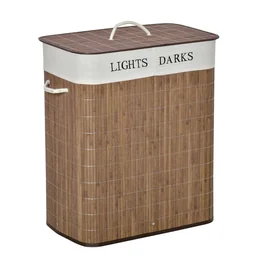
Do not place the drying rack directly against a wall or in a corner. Position it as freely as possible so air can circulate around it. Leave enough space between items as you hang them, and do not overload the rack. It is better to use two smaller drying racks than one overloaded rack. Before putting laundry on the rack, sort it into a well-ventilated laundry basket to prevent mildew stains. A large model such as the

Pro tip
Hang shirts, blouses, and T-shirts on hangers, then place them on the drying rack or a separate clothes rack. They will dry faster, wrinkle less, and save you time ironing later.
3. Keep the room moderately warm
Warm air can hold significantly more moisture than cold air. Keep the drying room at a steady temperature of around 20 °C. Do not turn off the heat completely, even at night. A cold room encourages condensation on the walls. The goal is to maintain a consistently warm environment that helps moisture evaporate without overheating the room.
4. Ventilate regularly and thoroughly
This is the most important step. The moisture absorbed by the warm air needs to be vented outside. Do not leave the window cracked open: it is inefficient, wastes heat, and cools the walls, which can encourage mold.
Instead, open the window all the way for 5 to 10 minutes. Do this every few hours while the laundry is drying. Cross-ventilation is even more effective: open a window on the opposite side or a door to create a draft. This replaces humid indoor air with fresh air in just a few minutes.
Airing out a room thoroughly for a few minutes is much more effective and energy-efficient than leaving a window cracked open. It is the best way to quickly replace stale, humid indoor air with fresh, dry outdoor air.
5. Keep the drying room door closed
Keep humid air from spreading throughout your home by closing the door to the room with the drying rack. This keeps the high humidity in one area, where you can heat and ventilate the room as needed without affecting the air in other rooms.
Which tools can help you dry laundry quickly and safely?
Sometimes the basic rules are not enough, especially in poorly ventilated homes or on very humid days. The right appliances can significantly speed up the process and make it safer.
Use a hygrometer to monitor humidity
A hygrometer is a small, inexpensive device that measures relative humidity. It is an essential tool for assessing conditions objectively. Place it in the drying room. If the reading rises above 60%, it is time to ventilate. This helps you understand your indoor climate and air out the room when needed.
Additional tip
Check your hygrometer before and after airing out the room. You may be surprised by how quickly the humidity drops by 10-20 percentage points. Seeing the immediate results can help you stick with your ventilation routine.
Electric dehumidifiers
An electric dehumidifier is the most effective solution for challenging situations. The appliance draws in humid air and cools it inside, causing water to condense and collect in a tank. The dry air is then released back into the room. This significantly speeds up laundry drying and keeps humidity within the ideal range. Dehumidifiers are especially useful in bathrooms without windows or in basements.
Use a fan to improve air circulation
A fan is a simple but effective option. Set it to a low speed and point it at the drying rack. The steady airflow breaks up the stagnant, humid layer around the laundry and speeds up evaporation. This can cut drying time by several hours. A fan also makes it easier to dry large items such as bed sheets.
Tumble dryer as an alternative
If you have the space and budget, a tumble dryer is the most convenient option. Modern heat pump dryers are energy-efficient and gentle on laundry. They solve the moisture problem completely because the water is collected in a tank or sent directly down the drain. Modern tumble dryers offer special gentle cycles, especially for delicate fabrics such as those often used in kids' bedding. Looking for new bedding? Find bedding available for immediate delivery here.
Persistent Myths About Drying Laundry Indoors
There are several misconceptions about this topic that can lead to mistakes. Here, we debunk the most common myths.
Myth 1: “Turning the heat all the way up dries laundry fastest.”
False. Extreme heat alone does not solve the problem. Although the air becomes saturated with moisture, if that moisture is not removed, it condenses even faster on cold walls. A moderate temperature of around 20 °C combined with regular ventilation is the most efficient and safest method.
Myth 2: “Outdoor air is humid in winter and does not help.”
False. This misconception is based on a misunderstanding of relative and absolute humidity. Due to physical limitations, cold air can hold very little water. Even if the relative humidity outside is 90%, this cold air contains far less water in absolute terms than the warm, humid air in your home. When you ventilate, dry cold air flows in, warms up and can then absorb much more moisture. Ventilating in winter is extremely effective.
Myth 3: “Leaving a small gap in the window is enough.”
False. As mentioned earlier, leaving a window tilted open is the worst option. Air exchange is minimal, heating costs increase and the risk of mold around the window frame grows. Always opt for short, intensive ventilation or create cross-ventilation.
Drying laundry indoors is not a problem if you do it carefully and correctly. With the right combination of spinning, heating and, above all, ventilation, you can protect your home from mold and maintain a healthy indoor climate, even during the cold season.
Frequently Asked Questions
- How much water evaporates from a load of laundry?
- An average washing machine load containing 5 kg of laundry releases around 2 to 3 liters of water into the room air while drying. This extra moisture must be removed through targeted ventilation to prevent excessive humidity and the resulting risk of mold growth.
- Is a tilted window suitable for ventilation?
- No, a tilted window is unsuitable and even counterproductive. Air exchange is minimal, while the walls around the window cool down significantly. Moisture condenses particularly easily on these cold spots, increasing the risk of mold and also wasting energy. Short, intensive ventilation is always the better choice.
- Which room is best for drying laundry?
- Ideally, use a room that is well heated (approx. 20 °C) and easy to ventilate, but is not regularly used as a living room or bedroom. A home office or guest room is a good choice. Keep the door closed so that moisture does not spread throughout the home.
- Does turning the heat all the way up help?
- Only to a limited extent. Warm air can absorb more moisture, but that moisture must also be removed from the room. Heating without regular ventilation only increases the absolute humidity in the air. The key is a combination of moderate warmth (approx. 20 °C) and consistent short, intensive ventilation.
- Can I dry laundry in a cold basement?
- This is not recommended. Cold air can absorb very little moisture, so the laundry dries extremely slowly or not at all. Instead, it often develops a musty smell, and the moisture can condense on the cold basement walls, causing mold there too.
You may also be interested in
- How to ventilate properly in winter: Prevent mold and improve your indoor climate
- How to ventilate properly in muggy weather: Tips for a healthy indoor climate
- Mold in the home: How to identify, prevent and remove it
- Moisture & mold? 5 tips for dry rooms with granules
- Prevent mold: Keep your home mold-free long-term with Schimmelstop
- How to remove mold properly