
In brief: The right dumper depends on your needs, including the terrain, payload and type of drive. For challenging terrain, choose an all-wheel-drive model with high ground clearance. For frequent hauling on firm surfaces, a compact electric dumper offers easy maneuverability and quiet operation. Our 2026 comparison highlights models for durability, handling and value.
Table of contents
What is a dumper?
A dumper is a compact transport vehicle used mainly on construction sites, farms and in landscaping. It is designed to move bulk materials such as sand, gravel, soil and construction debris efficiently.
Its key feature is the large tipping bed at the front of the vehicle. A hydraulic or mechanical tipping mechanism lets you unload the contents quickly and precisely.
Dumpers are built to handle the tough conditions of rough terrain. They supplement or replace wheelbarrow work and can significantly boost productivity.
Dumper test: Our evaluation criteria
To make our comparison useful, we evaluate dumpers against several practical criteria. This helps you choose the right model for the job.
Off-road capability and drive system: How well does the vehicle handle uneven terrain, slopes and soft ground? A robust all-wheel-drive system is often essential.
Payload and handling: We look at payload, tipping capacity and stability while loading and driving. Easy handling makes the workday smoother.
Durability and build quality: The frame, bed and other components need to stand up to everyday use. Quality materials and solid construction are essential.
Ease of use and comfort: Intuitive controls, good visibility and, where applicable, a comfortable seat can make a long workday more pleasant.
Value: We also consider factors such as energy use, maintenance needs and the cost of any tools or accessories you may need.
Dumper comparison 2026: The best models
Our comparison features models that stood out in 2026 for their performance and build quality. We’ve compared their key features to help you choose.
Top-rated dumpers in our selection at a glance:
| Model | Customer rating | Availability |
|---|---|---|
| ALLRADDUMPER GAD 300/4X4 | – | Currently unavailable |
| Allweiler L5 pressure flap for valve system - Robust construction for agricultural applications | – | Currently unavailable |
| Electric chain hoist GEKZ 300 | – | Currently unavailable |
| Electric hoist support arm 600 kg maximum load | – | Currently unavailable |
| Electric wire rope hoist - Winch - Max. 600 kg | – | Currently unavailable |
Tip: If possible, try the dumper in real-world conditions. Pay close attention to how it handles at full load and how it tips on uneven ground.
A rugged all-rounder for challenging terrain
For jobs where off-road capability is a priority, a powerful all-wheel-drive dumper is an excellent choice. The
delivers powerful performance and plenty of ground clearance.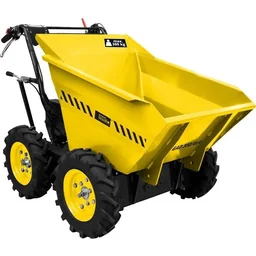
Its sturdy construction and full-time all-wheel drive make it a reliable choice on soft ground and slopes. The large tipping bed helps you move materials efficiently.
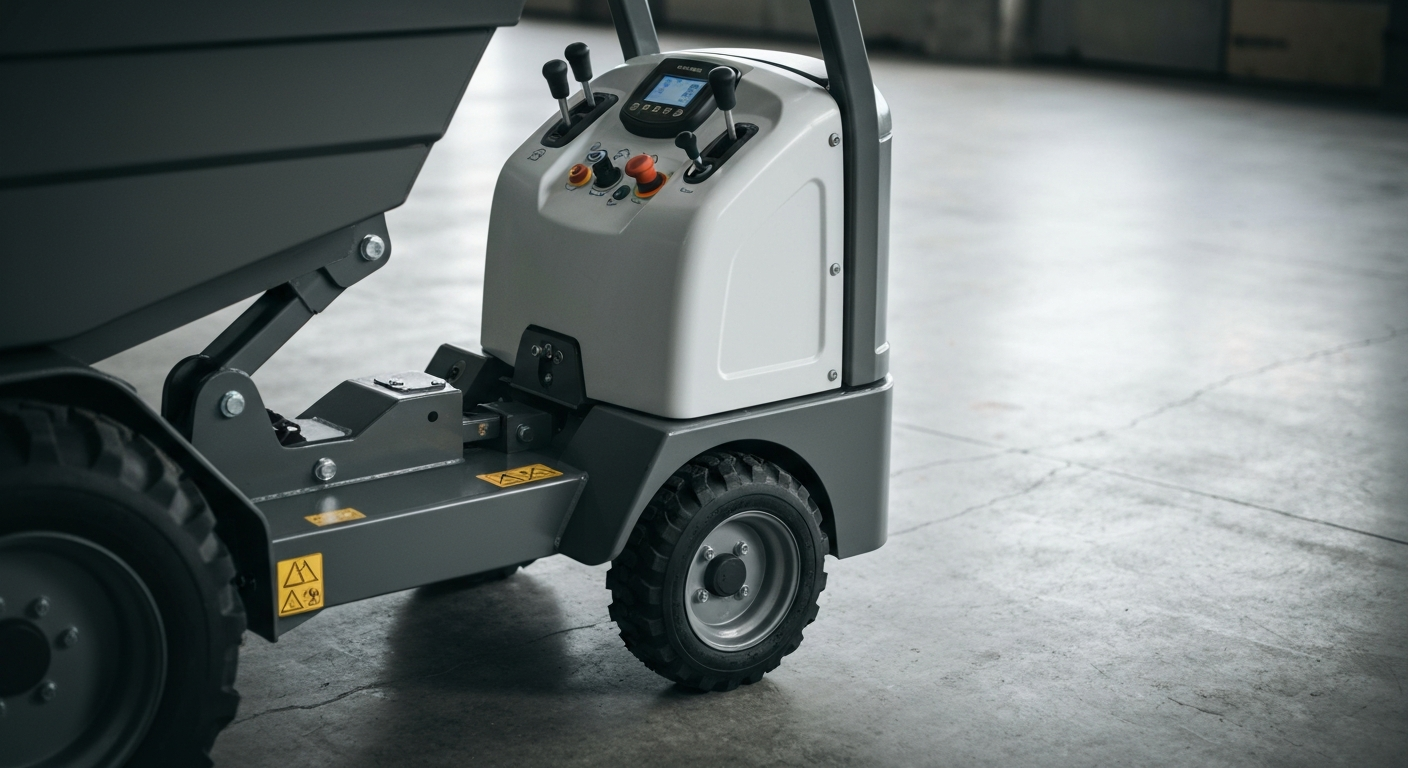
A quiet, clean-running electric option
Electric dumpers are growing in popularity. They run quietly and produce no exhaust emissions, making them a good fit for indoor use and noise-sensitive areas. One example is the
.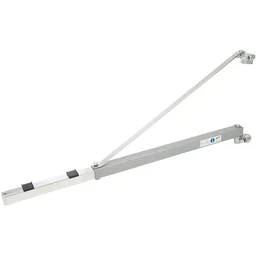
Its battery-powered lifting and drive system helps keep operating costs and maintenance to a minimum. It’s a practical choice for regular hauling on paved surfaces.
A compact option for frequent material hauling
When maneuverability and a compact footprint matter, specialized electric towing solutions are worth considering. The
offers maximum flexibility.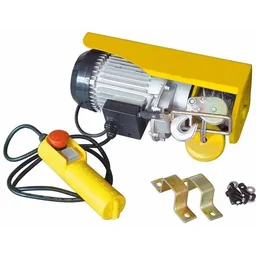
Designed as an electric wire rope hoist or winch, it can be paired with different trailers or transport containers. Its compact design saves space and suits a wide range of tasks.
Warning: Never exceed the maximum payload specified by the manufacturer. Overloading reduces stability, can damage the vehicle and may cause serious accidents.
All-wheel drive vs. two-wheel drive: Which drivetrain is right for you?
Choosing the right drivetrain is an important decision. It determines where you can use your dumper effectively.
All-wheel-drive dumpers (4x4): These models provide the best traction and off-road capability. They’re a good choice for muddy, sandy or steep terrain. Full-time all-wheel drive helps keep the dumper moving and reduces the risk of getting stuck, even with a partial load.
Two-wheel-drive dumpers (4x2 or 2x2): Dumpers powered on just one axle often cost less upfront. They’re well suited to paved roads, asphalt and firm, level ground. Traction may be limited on loose surfaces.
Ask yourself: What kind of terrain will you use the dumper on most? If you need to handle a variety of surfaces or challenging ground, all-wheel drive is usually a worthwhile investment.
Buying Guide: How to Choose the Right Dumper
Answer these key questions before you buy. They will help you find the right model for your needs.
Decide how you plan to use it: Will you use the dumper mainly on construction sites, in landscaping, or in agriculture? The work environment determines the requirements for size, drivetrain, and durability.
Determine the load capacity and volume you need: How much of each material do you need to move regularly? Choose a dump bed capacity and payload that let you work efficiently without overloading the machine.
Choose a power source: Decide between an electric motor and an internal combustion engine. Electric models are quieter and produce no emissions, while gas-powered models often provide greater range and pulling power for extended use away from an outlet.
Consider space and storage: Will the model fit through your gates and in your garage or storage building? Also consider whether you can transport it on a trailer.
Check service and parts availability: Make sure spare parts are easy to find and that the manufacturer or dealer offers good customer service. This can help you get years of use from your machine.
Note: Choosing the right tires is essential for performance and protecting the ground. Tires suited to asphalt may not be right for farmland. Ask about the best options for your needs.
Dumper Safety and Maintenance
Safe operation helps extend your dumper's service life and protects you and others. Follow these basic rules.
Perform a safety check before use: Before each use, check the brakes, tires, lights, and all safety-critical components, including the dump bed locking mechanisms.
Perform regular maintenance: Follow the manufacturer's maintenance schedule. This includes checking and changing the oil, retightening fasteners, and lubricating moving parts.
Drive and dump safely: Always drive at a safe speed, especially with a full load. Dump only on firm, level ground, and keep a safe distance from pits and edges.
Wear personal protective equipment: Always wear a hard hat and sturdy footwear on construction sites. Wear safety glasses and hearing protection when appropriate.
Dumper Accessories: More Versatility
The right accessories can greatly expand what you can do with your dumper. Turn it from a transport vehicle into a versatile workhorse.
Flatbed attachment: A removable flatbed turns the dump bed into a stable platform for transporting long or bulky items such as pipes, pallets, or fence posts.
Side extensions: Increase the dump bed's capacity for lightweight bulk materials such as leaves or straw. This can make certain jobs more efficient.
Specialty tires: For extremely muddy terrain, wide tires with deep treads are a good choice. On asphalt, rubber track tires help reduce marks on the surface.
Tow hitch: A standard or aftermarket tow hitch lets you pull an additional trailer and increase your transport capacity.
Ask your dealer which accessories are available for your dumper model. High-quality manufacturer accessories designed to fit your machine are often a worthwhile investment. Find a wide selection of construction equipment and accessories in our shop.
Frequently Asked Questions
- When is a dumper worth buying?
- A dumper is worth buying if you regularly move heavy or bulky materials such as soil, rubble, or gravel on construction sites, in landscaping, or in agriculture. Compared with moving materials by hand with a wheelbarrow or using a trailer, a dumper saves time and physical effort.
- What is the difference between a dumper and a mini excavator?
- A dumper is primarily a transport vehicle with a large tipping dump bed. A mini excavator is designed for digging, lifting, and moving soil with its hydraulic arm and various attachments. For transport alone, a dumper is usually more efficient and maneuverable.
- What are the advantages of an electric dumper?
- Electric dumpers run more quietly, produce no emissions, and have lower operating costs. They are ideal for indoor use, residential areas, and sensitive surfaces. They are also easier to maintain than models with internal combustion engines.
- What specs should I look for when buying a dumper?
- Check the maximum payload and the dump bed's tipping capacity. Off-road performance depends on the drivetrain, such as all-wheel drive, as well as ground clearance and tires. Other important factors include the tipping mechanism, battery range, and overall build quality.
- Can I use a dumper with different attachments or trailers?
- Many dumpers can handle more tasks with optional accessories such as a flatbed or specialized body attachments. Trailer compatibility depends on the towing capacity and hitch. Check the manufacturer's specifications for available accessories.