
Kurz erklärt: Die Wahl des richtigen Dumpers hängt von Ihren konkreten Anforderungen an Geländegängigkeit, Kippvolumen und Antrieb ab. Für schwieriges Gelände empfehlen sich Allradmodelle mit hoher Bodenfreiheit. Bei häufigen Materialtransporten auf festem Untergrund punkten kompakte Elektro-Dumper mit Wendigkeit und geringem Geräuschpegel. Unser Vergleich 2026 zeigt, welche Modelle in Sachen Robustheit, Handling und Wirtschaftlichkeit überzeugen.
Inhaltsverzeichnis
Was ist ein Dumper?
Ein Dumper ist ein kompaktes Transportfahrzeug, das vorrangig auf Baustellen, in der Landwirtschaft oder im Gartenbau eingesetzt wird. Seine Hauptaufgabe ist der effiziente Transport von Schüttgut wie Sand, Kies, Erde oder Bauschutt.
Das Herzstück ist die große, kippbare Mulde vorne am Fahrzeug. Durch hydraulischen oder mechanischen Kippmechanismus können Sie die Ladung schnell und präzise entleeren.
Dumper sind robust gebaut, um den harten Bedingungen auf unwegsamem Gelände standzuhalten. Sie ergänzen oder ersetzen den manuellen Transport per Schubkarre und steigern die Produktivität erheblich.
Dumper Test: Unsere Bewertungskriterien
Für einen aussagekräftigen Test bewerten wir Dumper nach mehreren praktischen Kriterien. Diese geben Ihnen Sicherheit bei der Auswahl.
Geländegängigkeit und Antrieb: Wie gut bewältigt das Fahrzeug unebenes Gelände, Steigungen oder weichen Untergrund? Ein robuster Allradantrieb ist hier oft entscheidend.
Transportleistung und Handling: Wir prüfen die Nutzlast, das Kippvolumen und die Stabilität beim Beladen und Fahren. Ein gutes Handling erleichtert die Arbeit.
Robustheit und Verarbeitung: Die Qualität von Rahmen, Mulde und allen Komponenten muss den täglichen Belastungen standhalten. Hochwertige Materialien und solide Verarbeitung sind ein Muss.
Bedienung und Komfort: Ein intuitives Bedienpanel, gute Sichtverhältnisse und gegebenenfalls ein komfortabler Sitz machen den Arbeitstag angenehmer.
Wirtschaftlichkeit: Hier fließen Faktoren wie Energieverbrauch, Wartungsaufwand und potenzielle Anschaffungskosten für nötiges Werkzeug oder Zubehör mit ein.
Dumper Vergleich 2026: Die besten Modelle
Unser Vergleich stellt Ihnen die Modelle vor, die in den Tests 2026 durch Leistung und Verarbeitung überzeugt haben. Wir haben für Sie die wichtigsten Eigenschaften gegenübergestellt.
Die meistbewerteten Dumper aus unserem Sortiment im direkten Vergleich:
| Modell | Kundenbewertung | Verfügbarkeit |
|---|---|---|
| ALLRADDUMPER GAD 300/4X4 | – | Derzeit nicht verfügbar |
| Allweiler L5 Druckklappe für Ventilsystem - Robuste Konstruktion für landwirtschaftliche Anwendungen | – | Derzeit nicht verfügbar |
| Elektrischer Kettenzug GEKZ 300 | – | Derzeit nicht verfügbar |
| Elektrischer Hebezeug-Tragarm 600 kg maximale Last | – | Derzeit nicht verfügbar |
| Elektrischer Drahtseilzug - Winde - Max. 600 kg | – | Derzeit nicht verfügbar |
Tipp: Testen Sie den Dumper nach Möglichkeit unter realen Bedingungen. Achten Sie dabei besonders auf das Handling bei voller Last und das Kippverhalten auf unebenem Grund.
Robuster Allrounder für anspruchsvolles Gelände
Für Einsätze, bei denen Geländegängigkeit Priorität hat, bietet sich ein leistungsstarker Allrad-Dumper an. Das Modell
überzeugt mit seiner kraftvollen Performance und hohen Bodenfreiheit.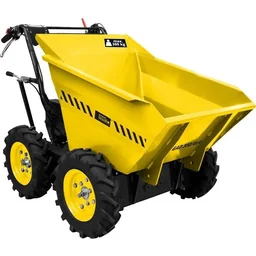
Seine stabile Konstruktion und der permanente Allradantrieb machen ihn zum idealen Partner auf weichen Böden oder bei Steigungen. Die große Kippmulde ermöglicht effiziente Transporte.
Elektrische Alternative für leisen und sauberen Betrieb
Immer beliebter werden elektrische Dumper. Sie arbeiten emissionsfrei und leise, was sie für Innenräume oder sensible Umgebungen prädestiniert. Ein Beispiel ist der
.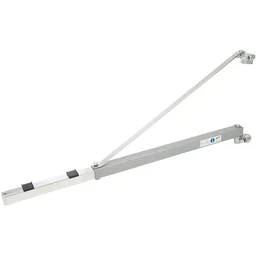
Mit seiner akkubetriebenen Hebe- und Fahreinheit punktet er durch geringe Betriebskosten und minimalen Wartungsaufwand. Er ist eine clevere Wahl für regelmäßige Transporte auf befestigten Flächen.
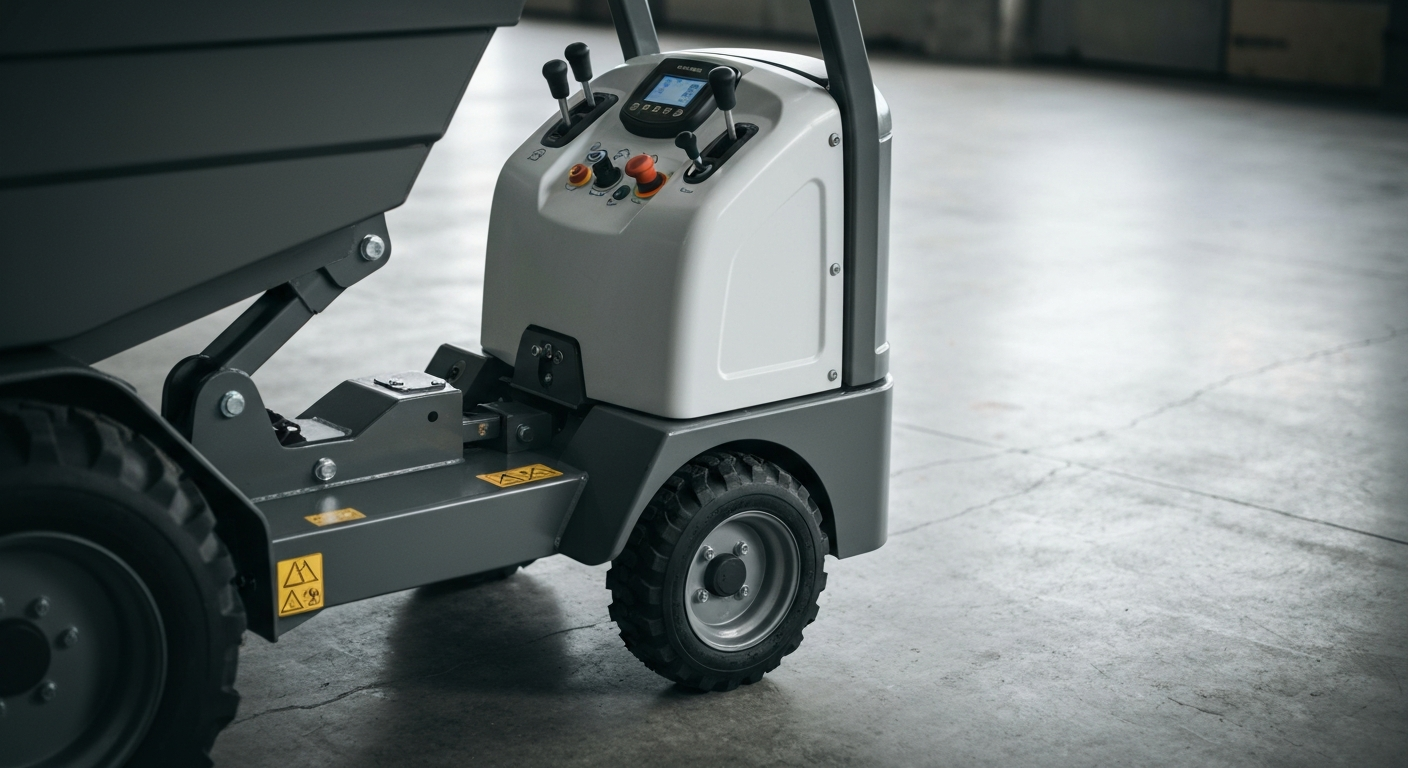
Kompakte Lösung für häufige Materialtransporte
Wenn es auf Wendigkeit und kompakte Maße ankommt, sind spezialisierte elektrische Zuglösungen eine Überlegung wert. Der
bietet hier maximale Flexibilität.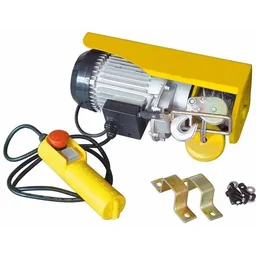
Als elektrischer Drahtseilzug oder Winde konzipiert, kann er mit verschiedenen Anhängern oder Transportbehältern kombiniert werden. Er ist besonders platzsparend und für vielfältige Aufgaben einsetzbar.
Warnung: Überschreiten Sie niemals die vom Hersteller angegebene maximale Nutzlast. Überladung gefährdet die Stabilität, beschädigt das Fahrzeug und kann zu schweren Unfällen führen.
Allrad vs. Zweiachser: Welcher Antrieb ist der richtige?
Die Wahl des Antriebs ist eine grundlegende Entscheidung. Sie bestimmt, wo Sie Ihren Dumper effektiv einsetzen können.
Allrad-Dumper (4x4): Diese Modelle bieten die beste Traktion und Geländegängigkeit. Sie sind die erste Wahl für schlammige, sandige oder steile Untergründe. Der permanente Allradantrieb verhindert ein Festfahren und sorgt für sicheren Vortrieb auch bei teilweiser Beladung.
Zweiachser (4x2 oder 2x2): Dumper mit Antrieb nur auf einer Achse sind oft in der Anschaffung günstiger. Sie eignen sich sehr gut für befestigte Wege, asphaltierte Flächen oder festen, ebenen Untergrund. Auf losem Boden kann die Traktion jedoch limitiert sein.
Fragen Sie sich: Auf welchem Untergrund wird der Dumper hauptsächlich fahren? Bei vielseitigem oder anspruchsvollem Gelände ist die Investition in einen Allradantrieb meist gerechtfertigt.
Kaufberatung: So finden Sie den perfekten Dumper
Beantworten Sie sich vor dem Kauf diese Schlüsselfragen. Sie führen Sie zum optimalen Modell für Ihre Bedürfnisse.
Einsatzgebiet definieren: Wird der Dumper vorwiegend auf der Baustelle, im Gartenbaubetrieb oder in der Landwirtschaft eingesetzt? Die Umgebung bestimmt Anforderungen an Größe, Antrieb und Robustheit.
Transportvolumen und Last ermitteln: Welche Mengen welchen Materials müssen regelmäßig bewegt werden? Wählen Sie Kippvolumen und Nutzlast so, dass Sie wirtschaftlich arbeiten, ohne das Gerät zu überlasten.
Energieversorgung wählen: Entscheiden Sie zwischen Elektro- und Verbrennermotor. Elektro bietet Vorteile bei Lärm und Emissionen, Verbrenner oft mehr Reichweite und Durchsetzungsvermögen im Dauereinsatz abseits der Steckdose.
Platzverhältnisse und Lagerung bedenken: Passt das gewählte Modell durch Ihre Tore, in Ihre Garage oder Lagerhalle? Denken Sie auch an die Transportmöglichkeit auf einem Anhänger.
Service und Ersatzteile prüfen: Achten Sie auf die Verfügbarkeit von Ersatzteilen und einen guten Kundenservice des Herstellers oder Händlers. Das gewährleistet lange Freude an Ihrem Gerät.
Hinweis: Die richtige Bereifung ist entscheidend für Leistung und Bodenschonung. Für asphaltierte Flächen eignen sich andere Reifen als für Ackerland. Fragen Sie nach den passenden Optionen.
Sicherheit und Wartung Ihres Dumpers
Ein sicherer Betrieb verlängert die Lebensdauer Ihres Dumpers und schützt Sie und andere. Beachten Sie diese Grundregeln.
Sicherheitscheck vor dem Einsatz: Überprüfen Sie vor jeder Nutzung die Bremsen, die Reifen, die Beleuchtung und alle sicherheitsrelevanten Teile wie Verriegelungen der Kippmulde.
Regelmäßige Wartung durchführen: Halten Sie die Wartungsintervalle des Herstellers ein. Dazu gehören das Prüfen und Wechseln von Ölen, das Nachziehen von Verschraubungen und das Schmieren beweglicher Teile.
Sicher fahren und kippen: Fahren Sie stets mit angepasster Geschwindigkeit, besonders bei voller Ladung. Kippen Sie nur auf festem, ebenem Untergrund und halten Sie ausreichend Abstand zu Gruben oder Kanten.
Persönliche Schutzausrüstung tragen: Tragen Sie auf der Baustelle immer einen Schutzhelm, festes Schuhwerk und bei entsprechender Gefährdung auch Schutzbrille und Gehörschutz.
Zubehör für Dumper: Mehr Vielseitigkeit
Mit dem richtigen Zubehör erweitern Sie die Einsatzmöglichkeiten Ihres Dumpers erheblich. So machen Sie aus einem Transportfahrzeug ein Multitalent.
Flachbett-Aufsatz: Ein austauschbares Flachbett verwandelt die Kippmulde in eine stabile Transportfläche für lange oder sperrige Güter wie Rohre, Paletten oder Zaunpfähle.
Seitenverlängerungen: Erhöhen Sie das Volumen der Mulde für leichte Schüttgüter wie Laub oder Stroh. Das steigert die Effizienz bei bestimmten Aufgaben.
Spezialreifen: Für extrem matschiges Gelände bieten sich Breitreifen mit tiefem Stollenprofil an. Für asphaltierte Flächen reduzieren Gummikettenradreifen die Bodenmarkierung.
Anhängerkupplung: Eine serienmäßige oder nachrüstbare Anhängerkupplung verdoppelt praktisch Ihre Transportkapazität, indem Sie einen weiteren Anhänger ziehen können.
Informieren Sie sich bei Ihrem Händler über das für Ihr Dumper-Modell verfügbare Zubehör. Oft lohnt sich die Investition in hochwertiges, passgenaues Zubehör vom Hersteller. Eine große Auswahl an Baugeräten und Zubehör finden Sie in unserem Shop.
Häufige Fragen
- Für welche Einsätze lohnt sich die Anschaffung eines Dumpers?
- Ein Dumper lohnt sich bei regelmäßigen Transporten schwerer oder sperriger Materialien wie Erde, Schutt oder Kies auf Baustellen, im Garten- und Landschaftsbau oder in der Landwirtschaft. Er spart Zeit und körperliche Belastung im Vergleich zum manuellen Transport mit Schubkarre oder Anhänger.
- Was ist der Unterschied zwischen einem Dumper und einem Minibagger?
- Ein Dumper ist primär ein Transportfahrzeug mit großer Kippmulde. Ein Minibagger dient zum Graben, Heben und Bewegen von Erdreich mit seinem hydraulischen Arm und unterschiedlichen Anbaugeräten. Für reine Transportaufgaben ist der Dumper meist effizienter und wendiger.
- Welche Vorteile bietet ein elektrischer Dumper?
- Elektrische Dumper arbeiten leiser, emissionsfrei und mit geringeren Betriebskosten. Sie sind ideal für den Einsatz in geschlossenen Räumen, in Wohngebieten oder auf sensiblen Flächen. Die Wartung ist einfacher als bei Verbrennermotoren.
- Auf welche technischen Werte sollte ich beim Dumper-Kauf besonders achten?
- Achten Sie auf die maximale Nutzlast und das Kippvolumen der Mulde. Die Geländegängigkeit wird durch Antriebsart (z.B. Allrad), Bodenfreiheit und Bereifung bestimmt. Wichtige Faktoren sind auch die Kippmechanik, die Reichweite bei Akkubetrieb und die allgemeine Robustheit der Konstruktion.
- Kann ich einen Dumper auch mit verschiedenen Aufsätzen oder Anhängern nutzen?
- Viele Dumper sind durch optionales Zubehör wie ein Flachbett oder spezielle Aufbauten vielseitiger einsetzbar. Die Kompatibilität mit Anhängern hängt von der Anhängelast und der Vorrichtung ab. Prüfen Sie die Herstellerangaben zu möglichem Zubehör.