
Kurz erklärt: Ein Duschabzieher ist ein einfaches Werkzeug für die tägliche Badpflege. Sie ziehen ihn nach dem Duschen über die nassen Flächen, um stehendes Wasser zu entfernen. Das verhindert Kalkflecken und Wasserstreifen, reduziert den Reinigungsaufwand deutlich und verlängert die Lebensdauer Ihrer Duschkabine. Die regelmäßige Anwendung ist die beste Prophylaxe gegen hartnäckige Verschmutzungen.
Warum jeder Haushalt einen Duschabzieher braucht
Wasserflecken auf dem Duschglas sind kein Zufall. Sie sind das Ergebnis verdunstenden Wassers. Zurück bleibt Kalk. Jeder Tropfen hinterlässt eine mikroskopische Spur.
Mit einem Duschabzieher unterbrechen Sie diesen Prozess. Sie wischen das kalkhaltige Wasser weg, bevor es trocknen kann. Das Ergebnis sind klar bleibende Scheiben und saubere Fliesen.
Der Aufwand ist minimal. Der Effekt ist enorm. Sie sparen Zeit, Reinigungsmittel und Nerven. Entdecken Sie in unserem Shop weitere praktische Helfer für den Haushalt.
Die häufigste Ursache für trübe Duschwände und verkalkte Armaturen ist stehendes Wasser. Die einfache mechanische Entfernung ist die effektivste und umweltfreundlichste Gegenmaßnahme.
Wie funktioniert die streifenfreie Reinigung?
Die Physik ist simpel. Eine Gummilippe streicht über die nasse Oberfläche. Sie bricht die Oberflächenspannung des Wassers und schiebt es vor sich her.
Wichtig ist der richtige Winkel. Halten Sie den Abzieher schräg, damit das Wasser abfließt. Ziehen Sie von oben nach unten in gleichmäßigen, überlappenden Bahnen.
Beginnen Sie an der Wand und arbeiten Sie sich zum Bodenablauf vor. So vermeiden Sie, dass Sie bereits abgezogene Flächen wieder nass machen.
Profi-Tipp
Spülen Sie die Duschkabine vor dem Abziehen kurz mit kaltem Wasser ab. Das spült Seifenreste weg und kühlt das Glas. Auf kühleren Oberflächen trocknet das Restwasser gleichmäßiger und hinterlässt weniger sichtbare Ränder.
Die richtige Wahl: Materialien und Formen im Vergleich
Nicht jeder Duschabzieher ist gleich. Die Wahl des Materials entscheidet über das Ergebnis.
Edelstahl: Der Klassiker für Langlebigkeit
Ein Griff aus Edelstahl ist robust, rostfrei und hygienisch. Er überlebt auch eine feuchte Umgebung problemlos. Das
ist ein solcher Klassiker.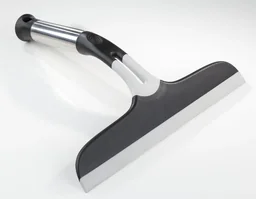
Die Gummilippe sollte weich und flexibel sein. Hochwertiger Kautschuk gleicht Unebenheiten aus und zieht streifenfrei ab. Achten Sie auf austauschbare Gummis.
Praktische Extras: Halterung und Drehgelenk
Ein fester Platz für den Abzieher fördert die regelmäßige Nutzung. Der
wird mit einer praktischen Halterung aus Edelstahl geliefert.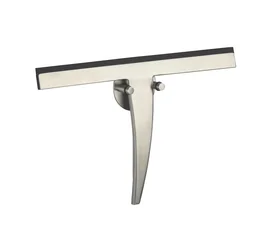
Ein drehbarer Kopf wie beim Modell „Exklusiv“ erleichtert das Arbeiten in Ecken. Sie erreichen damit auch schwer zugängliche Stellen, ohne den Griff ungünstig abknicken zu müssen.
Wichtiger Hinweis
Lagern Sie den Duschabzieher nicht direkt auf der Heizung oder in praller Sonne. Extreme Hitze lässt die Gummilippe schneller altern, sie wird hart und rissig. Dann zieht sie nicht mehr sauber ab und kann sogar Kratzer verursachen.
Kalk entfernen: Prophylaxe ist besser als Chemie
Kalk ist der natürliche Feind jeder glänzenden Oberfläche im Bad. Er haftet in den mikroskopischen Unebenheiten von Glas und Keramik.
Chemische Entkalker lösen diese Ablagerungen. Sie greifen aber auch oft Fugen und Metalloberflächen an. Der tägliche Abzieher macht den Großeinsatz dieser Mittel überflüssig.
Für den Garten gilt ein ähnliches Prinzip. Auch hier hilft die richtige Pflege. Informationen zum Ausgleich des pH-Werts finden Sie unter Rasenkalk & Gartenkalk.
In Regionen mit hartem Wasser können sich durch tägliches Duschen pro Jahr mehrere Kilogramm Kalkablagerungen in den Rohren und auf Oberflächen bilden. Präventive Maßnahmen wie Abziehen sparen langfristig hohe Sanierungskosten.
Die optimale Routine für Ihr Bad
Integrieren Sie das Abziehen in Ihre Duschroutine. Es dauert weniger als eine Minute.
Beenden Sie Ihre Dusche. Drehen Sie das Wasser ab. Nehmen Sie den Abzieher von der Halterung und beginnen Sie sofort.
Ziehen Sie zuerst die Wände und Türen ab. Arbeiten Sie sich dann zu den Fliesenspiegeln vor. Vergessen Sie nicht die Armaturen und den Duschkopf. Ein kurzer Abstreifer genügt.
Der letzte Schritt: Boden und Ablauf
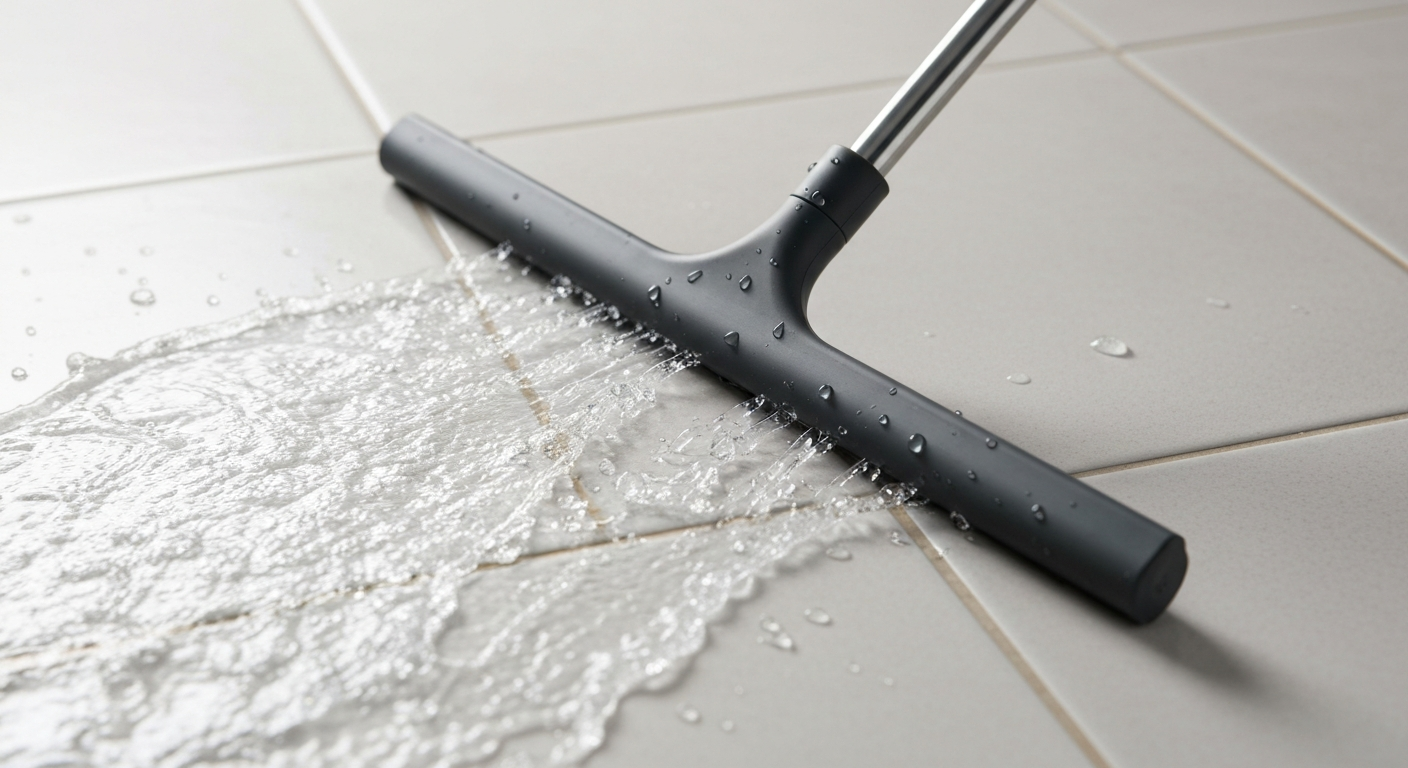
Zum Schluss ziehen Sie den Duschboden ab. Schieben Sie das Wasser gezielt in Richtung des Ablaufs. Ein funktionierender Ablauf ist dabei essentiell.
Produkte wie der
sorgen für einen zuverlässigen Wasserabfluss. Ein verstopfter Ablauf macht die mühevollste Arbeit zunichte.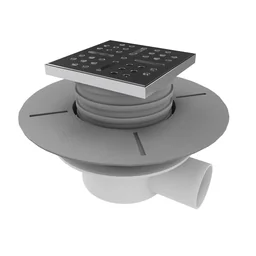
Wischen Sie die Gummilippe des Abziehers zum Abschluss mit einem Tuch trocken. Hängen Sie ihn zurück an seinen Platz. Fertig.
Zusätzlicher Rat
Für besonders hartnäckige Wassertropfen auf eingeseiften Oberflächen hilft ein kleiner Trick: Benetzen Sie den Abzieher selbst leicht mit Wasser. Die feuchte Gummilippe gleitet besser und nimmt die letzten Tropfen zuverlässig mit.
Pflege und Reinigung des Duschabziehers
Ihr Werkzeug verdient auch etwas Pflege. Reinigen Sie den Abzieher alle paar Wochen.
Entfernen Sie eventuelle Haar- oder Seifenreste von der Gummilippe. Spülen Sie den gesamten Abzieher unter klarem Wasser ab.
Bei Kalkablagerungen am Edelstahlgriff genügt ein weicher Schwamm mit etwas Zitronensaft oder verdünntem Haushaltsessig. Spülen Sie danach gründlich nach.
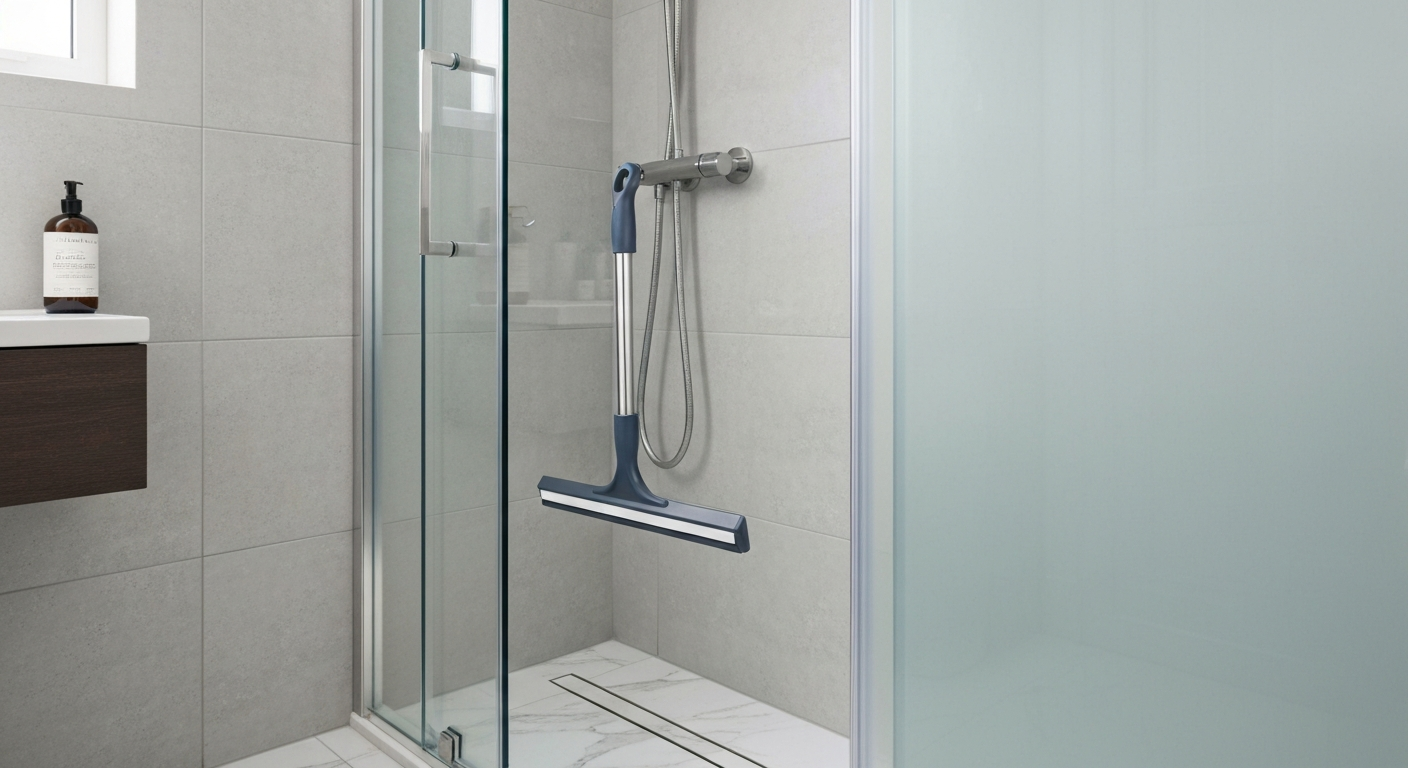
Mehr als nur Dusche: Weitere Einsatzorte
Den Duschabzieher können Sie überall dort einsetzen, wo stehendes Wasser stört. Nach dem Fensterputzen ziehen Sie damit die Scheiben streifenfrei ab.
Er eignet sich für glatte Küchenrückwände, Spiegel oder auch die Außendusche. Für die komplette Ausstattung Ihres Outdoor-Bereichs schauen Sie in Garten + Outdoor.
Sogar beim Autowaschen leistet er gute Dienste. Er entfernt das Wasser schnell von Lack und Scheiben, bevor es in der Sonne trocknet und Flecken bildet.
Investition in Sauberkeit und Werterhalt
Ein Duschabzieher kostet wenig. Die Ersparnis ist groß. Sie reduzieren den Verbrauch von Reinigungsmitteln und schützen die Umwelt.
Sie schonen die Dichtungen Ihrer Duschkabine und die Oberflächen von Armaturen. Das verlängert die Lebensdauer Ihrer gesamten Badausstattung erheblich.
Letztlich gewinnen Sie Zeit. Die wöchentliche Großreinigung des Bads wird zum Kurzputz. Die streifenfreie Dusche ist Ihr täglicher Lohn. Entdecken Sie weitere clevere Helfer für Haus und Garten in unseren Kategorien wie Gartenwerkzeuge oder Sanitär + Bewässerung.
Häufige Fragen
- Wie oft sollte ich die Dusche mit einem Abzieher reinigen?
- Ziehen Sie die Duschkabine und Fliesen nach jeder Nutzung ab. Diese Minute investierter Zeit verhindert, dass Kalk aus dem verdunstenden Wasser hartnäckige Flecken und Ränder bildet. Die tägliche Anwendung reduziert den Bedarf an chemischen Reinigern auf ein Minimum.
- Aus welchem Material ist der beste Duschabzieher?
- Ein Duschabzieher aus Edelstahl oder mit einer Gummilippe aus Kautschuk ist ideal. Edelstahl ist robust und hygienisch, während weicher Kautschuk schonend zu empfindlichen Oberflächen ist und streifenfrei abzieht. Vermeiden Sie harte oder spröde Gummi, die Kratzer hinterlassen können.
- Kann ich einen Duschabzieher auch für matte Fliesen verwenden?
- Ja, aber verwenden Sie eine weiche Gummilippe. Testen Sie den Abzieher an einer unauffälligen Stelle. Bei sehr rauen, strukturierten Oberflächen entfernt der Abzieher nur das Gros des Wassers. Feinperliges Wasser in Vertiefungen müssen Sie trotzdem nachtrocknen.
- Was tun, wenn der Gummilippe des Abziehers hart wird?
- Eine verhärtete Lippe zieht schlecht ab und hinterlässt Streifen. Tauchen Sie sie kurz in heißes Wasser, um sie zu weichen. Ist sie spröde oder rissig, tauschen Sie sie aus. Viele Modelle haben austauschbare Gummis. Bewahren Sie den Abzieher nicht direkt an der Wärmequelle auf.
- Entfernt ein Duschabzieher auch schon vorhandene Kalkflecken?
- Nein. Ein Abzieher ist ein Präventionswerkzeug. Er entfernt das kalkhaltige Wasser, bevor es trocknet und Flecken bildet. Bestehende Kalkablagerungen müssen Sie mit einem speziellen Kalkentferner lösen. Danach hilft der tägliche Abzieher, dass die Flecken nicht so schnell zurückkehren.
Das könnte Sie auch interessieren
- Schluss mit Schlieren: So bekommen Sie Fenster streifenfrei sauber
- Bad putzen: Die besten Tipps für ein strahlendes Badezimmer
- Abfluss stinkt in der Dusche: Ursachen & DIY-Lösungen für Zuhause
- Fenster putzen mit Fenstersauger: Streifenfrei und schnell
- Schwacher Wasserdruck? So machen Sie Ihre Dusche wieder fit
- Badlüfter: Frische Luft und Schutz vor Schimmel im Bad