
In brief: Choosing the right dust extractor depends on your specific requirements for suction power, mobility and dust class. In our 2026 comparison, we show which models are suitable for DIY enthusiasts, tradespeople and industrial use. We assess key factors such as filter technology, noise level and accessories. This helps you find the system that suits your projects.
A powerful dust extractor is more than just a workshop vacuum. It protects your health, improves working comfort and extends the service life of your power tools. In our comprehensive 2026 test and comparison, we present the best systems. We help you understand the key criteria and find the right extractor for your projects.
Table of contents
Which dust extractor do I need?
The best way to answer this question is to analyse your typical area of use. Do you mainly work in your home workshop, or do you work on changing building sites? The suction power required depends directly on the tools and materials involved.
Define the area of use
For occasional woodworking or metalworking in a hobby workshop, a compact mobile unit is often sufficient. Professional joiners or renovation specialists, on the other hand, need powerful systems with high filter efficiency. Also check the noise level, especially when working in living areas or late in the evening.
Tip: Always plan in some additional capacity. A dust extractor operating at its limit filters less effectively and is more prone to blockages. It is better to choose a model that reliably meets your current requirements and is also suitable for more demanding projects in the future.
Buying criteria compared
Suction power is not the only decisive factor. When comparing models, consider a whole range of features that affect everyday use.
- Dust class: Classes L, M and H define how finely dust is filtered.
- Airflow and negative pressure: These values determine how effectively dust is captured.
- Container capacity: A larger capacity reduces how often the container needs to be emptied.
- Noise level: An important comfort factor, especially during longer jobs.
- Mobility: Weight, handles and castors determine how easy the unit is to transport.
The best dust extractors in our test
Our 2026 comparison is based on practical tests and technical analyses. We examined units for various application profiles. We were particularly impressed by models that offer a well-balanced combination of performance, ease of use and filter quality.
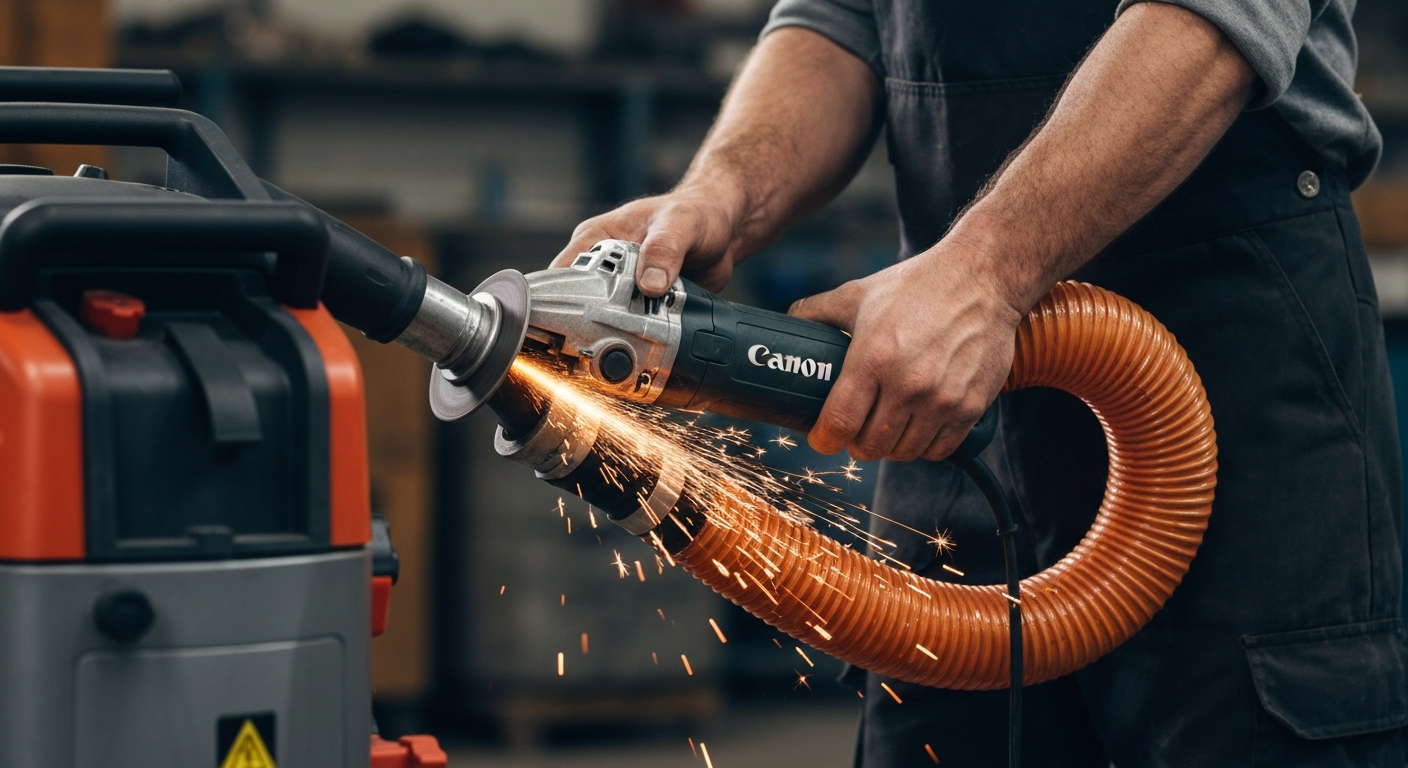
For tradespeople who need maximum flexibility, a powerful cordless mobile dust extractor is a good choice. The
combines cordless freedom with the cleaning power of a stationary unit, for example. It is the ideal choice for installation work or jobs where there is no power connection nearby.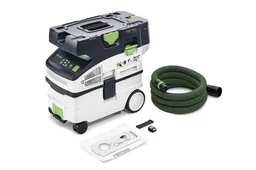
For regular use in the workshop or on smaller building sites, the
demonstrates its strengths. Its robust construction and well-designed filter system make it reliable even during longer sanding jobs.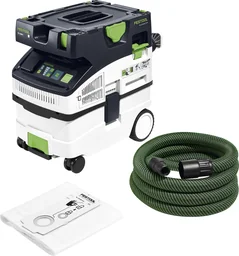
Warning: Never use a dust extractor without a filter installed. This can damage the motor as fine dust enters it and also release hazardous particles into the room air without filtration. Before every use, check that all filter elements are clean and correctly fitted.
The highest-rated dust extractors in our range compared directly:
| Model | Customer rating | Availability |
|---|---|---|
| 2,5 m hose for dust extractor 750 + 1500 W | – | Currently unavailable |
| Absaugmobil CTL MIDI I Cleantec | – | Currently unavailable |
| Absaugmobil CTM 36 E AC | – | Currently unavailable |
| Absaugmobil CTM 36 E AC-PLANEX CLEANTEC | – | Currently unavailable |
| Adapter for cooker hood | – | Currently unavailable |
Mobile vs. fixed systems
The choice between a mobile unit and a permanently installed central extraction system is fundamental. Mobile dust extractors stand out for their immediate readiness for use and flexibility. They are the first choice for anyone working in different locations.
Advantages of central dust extraction systems
Fixed systems, on the other hand, offer unbeatable advantages in a permanently equipped workshop. They are quieter because the motor can be located outside the work area. There is also no need to handle a bulky unit. Several workstations can be connected via a pipe system.
Filter Technology and Safety
The heart of every dust extraction system is its filter system. Modern units often feature multi-stage filtration. A coarse pre-filter captures larger wood chips and particles, protecting the finer main filter. This main filter, often a HEPA filter, is responsible for filtering health-hazardous fine dust.
The
sets the standard with its Cleantec filter system. Automatic filter cleaning using a pulse of compressed air keeps suction power consistently high and significantly extends maintenance intervals. This is a decisive productivity advantage for continuous, dust-intensive work.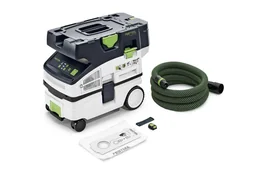
Note: The term "HEPA" is not protected. Pay attention to the exact filter class, such as H13 or H14. An H14 filter retains significantly more and finer particles than an H13 filter. The right choice depends on the potential hazards posed by the materials you are working with.
Accessories and Compatibility
The best dust extraction system is of little use if it does not work perfectly with your tools. Check whether suitable hoses, adapters and nozzles are available. Standard connections such as 35 mm or 50 mm make it easier to combine the system with tools from different manufacturers.
Special applications, such as connecting a router or thickness planer, often require special adapters. An extensive range of accessories, as offered by many manufacturers, makes your system more versatile in the long term. The
is a good example, as it is part of a modular system.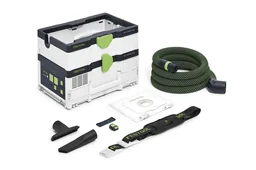
Hose Length and Handling
A sufficient hose length gives you freedom of movement in the workplace. High-quality hoses are robust, resist kinking and remain flexible even in cold conditions. A well-managed hose will not get in the way during precise work.
Care and Maintenance
Regular maintenance keeps your dust extraction system performing well for years. Always empty the dust container before it is completely full. An overfilled container reduces airflow and can overload the filter.
- Clean the filters regularly according to the manufacturer's instructions.
- Check hoses and seals for cracks or leaks.
- Store the unit in a dry room.
Investing in a high-quality tool dust extraction system is worthwhile. It not only protects your health, but also ensures cleaner work results and extends the service life of your other machines. Our comparison gives you the confidence to find the best solution for your needs.
Frequently Asked Questions
- Which dust class do I need for my work?
- The dust class defines which particle sizes are filtered. Class L is often sufficient for coarse household and construction dust. Fine sanding dust, such as dust from plaster or wood, requires class M. Hazardous dust from materials containing quartz or certain types of wood requires filter class H. Always check the hazardous substance labelling for your materials.
- What is the difference between central and mobile dust extraction systems?
- Mobile dust extraction systems are compact all-in-one units that can be used flexibly wherever you are working. They are ideal for changing work locations. Central dust extraction systems are permanently installed systems with a powerful motor and a ducting system serving several workstations. They provide high suction power without having to transport the unit, but require extensive installation.
- How important is airflow (m³/h) in a dust extraction system?
- Airflow in m³/h is a key performance specification. It indicates how much air volume the system can move per hour. High airflow is important for generating sufficient suction at the tool and safely extracting fine dust. Bear in mind that maximum performance is often measured without a hose or nozzle—the values under real-world conditions are what matter.
- Can I also use a dust extraction system for wet vacuuming?
- Not all dust extraction systems are suitable for wet vacuuming. For this, you need special wet and dry vacuum cleaners or dust extraction systems specifically designed for the purpose. These have a separate liquid container and suitable seals. Vacuuming liquids with a dry vacuum cleaner can cause serious motor damage and create electrical hazards.
- How often do I need to clean or replace the filter in a dust extraction system?
- Filter maintenance depends on the amount and type of dust. You should empty pre-filters for coarse dust after every use. Depending on the level of use, main filters such as HEPA filters need cleaning every few weeks to several months, often by tapping them or blowing them out from the inside. The filter must be replaced completely if suction power remains reduced after cleaning or if the filter is damaged.