
In brief: Effective floor cleaning starts with the right preparation: Sweep or vacuum away loose dirt. Then choose the right cleaner for your flooring – alkaline for grease, acidic for limescale. Dilute concentrates such as PRODUCT_23405 correctly. Rinse with clean water and dry the surfaces thoroughly to prevent streaks and new dirt from building up.
Effective Floor Cleaning: Tips for a Clean Home & Garden
Clean floors are the foundation of a well-kept home and garden. The right method and suitable tools save time and ensure long-lasting results. We show you how to plan and carry out your floor cleaning efficiently.
Whether you are cleaning tiles, parquet or an outdoor patio, every flooring type has different requirements. There is no universal product for every situation. Choosing the right cleaner is the first step towards success.
How should I prepare for floor cleaning?
A thorough house clean does not start with a wet cloth. First, remove all loose objects from the area. Put chairs on the table and roll up carpets and set them aside.
Sweep up or vacuum loose dirt such as crumbs, sand or leaves thoroughly. This preparation prevents dirt from dissolving in dirty water while mopping and leaving a greasy film on the floor.
Expert tip
For heavy dirt in the Garden + Outdoor area, such as soil or grass clippings, use a broom with stiff bristles. For fine dust indoors, a microfibre mop is often more effective than a broom.
Which cleaner is suitable for each type of flooring?
The chemistry makes the difference. Alkaline cleaners dissolve grease and proteins. They are well suited to kitchen floors or heavily soiled workshop surfaces. Acidic cleaners remove limescale, urine scale and rust stains, but are unsuitable for natural stone such as marble.
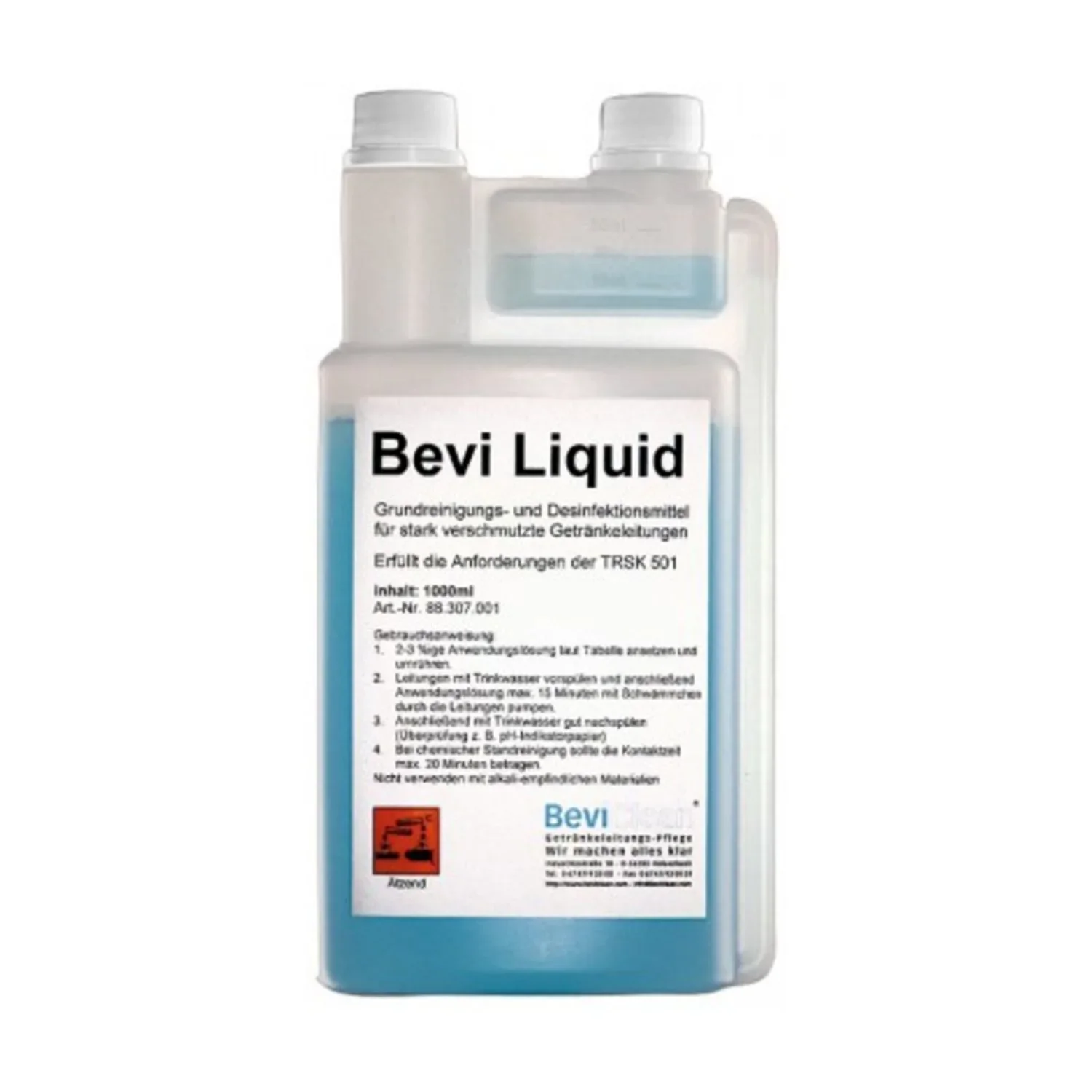
For regular care of many household flooring types, pH-neutral all-purpose cleaners are sufficient. They are gentle on surfaces. Concentrates such as offer good value for money because you can dilute them according to the level of dirt.
“The most common mistakes when cleaning floors are using too much cleaner and skipping the rinse with clean water. Both lead to dull surfaces that become dirty again quickly.”
Special cases: Disinfection and heavy dirt
Disinfection can be useful in homes with pets, small children or in sanitary areas. Only use tested products such as that work against the specific germs you need to target.
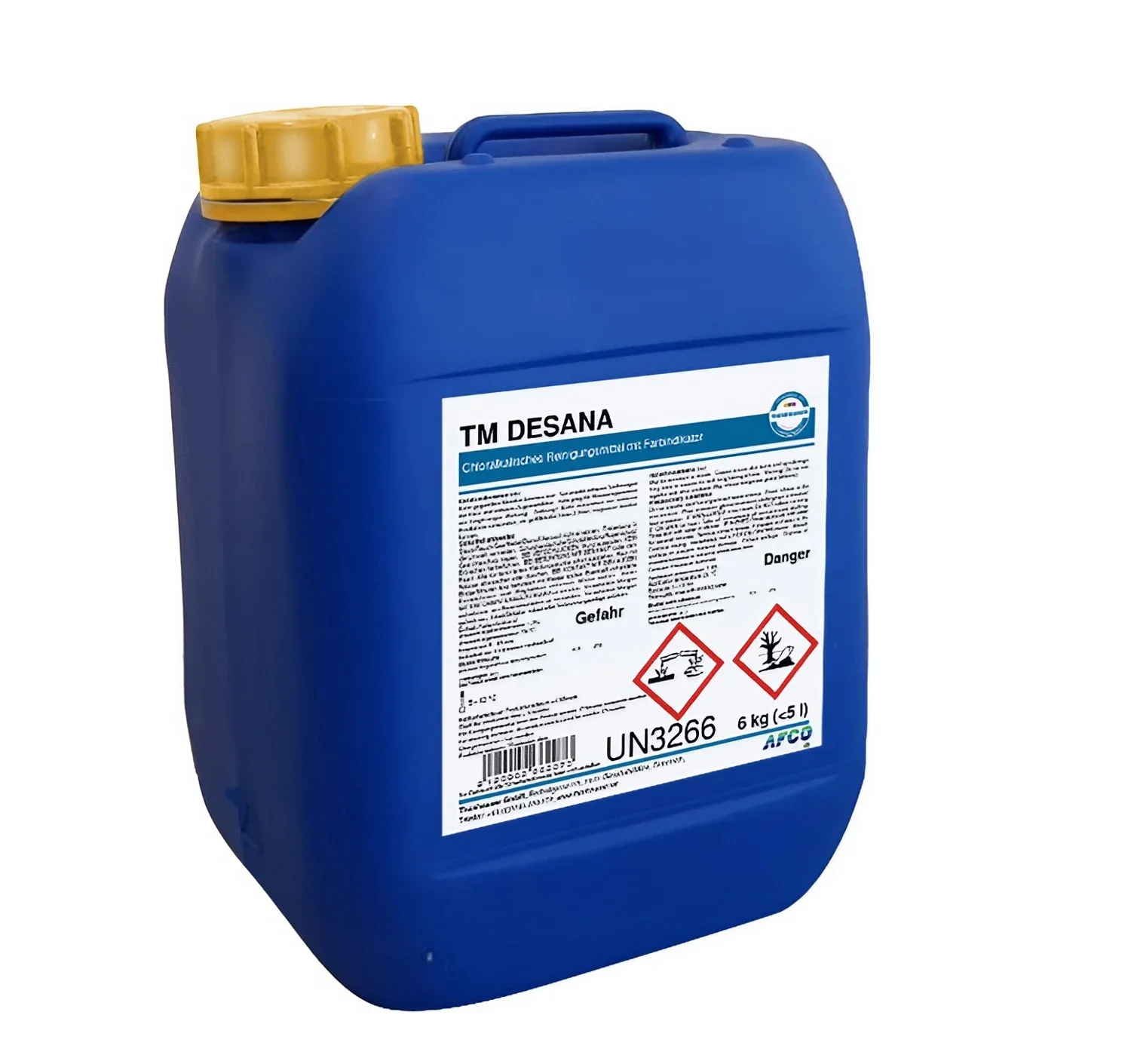
Observe the contact time. The surface must remain wet for the stated duration. After disinfection, rinse only if the product instructions require it. Many disinfectants work only while drying.
Important note
Never mix different cleaning or disinfecting products, especially chlorine-based products with acidic cleaners! This can produce harmful gases. Always follow the safety data sheets and instructions for use.
How can I clean outdoor surfaces effectively?
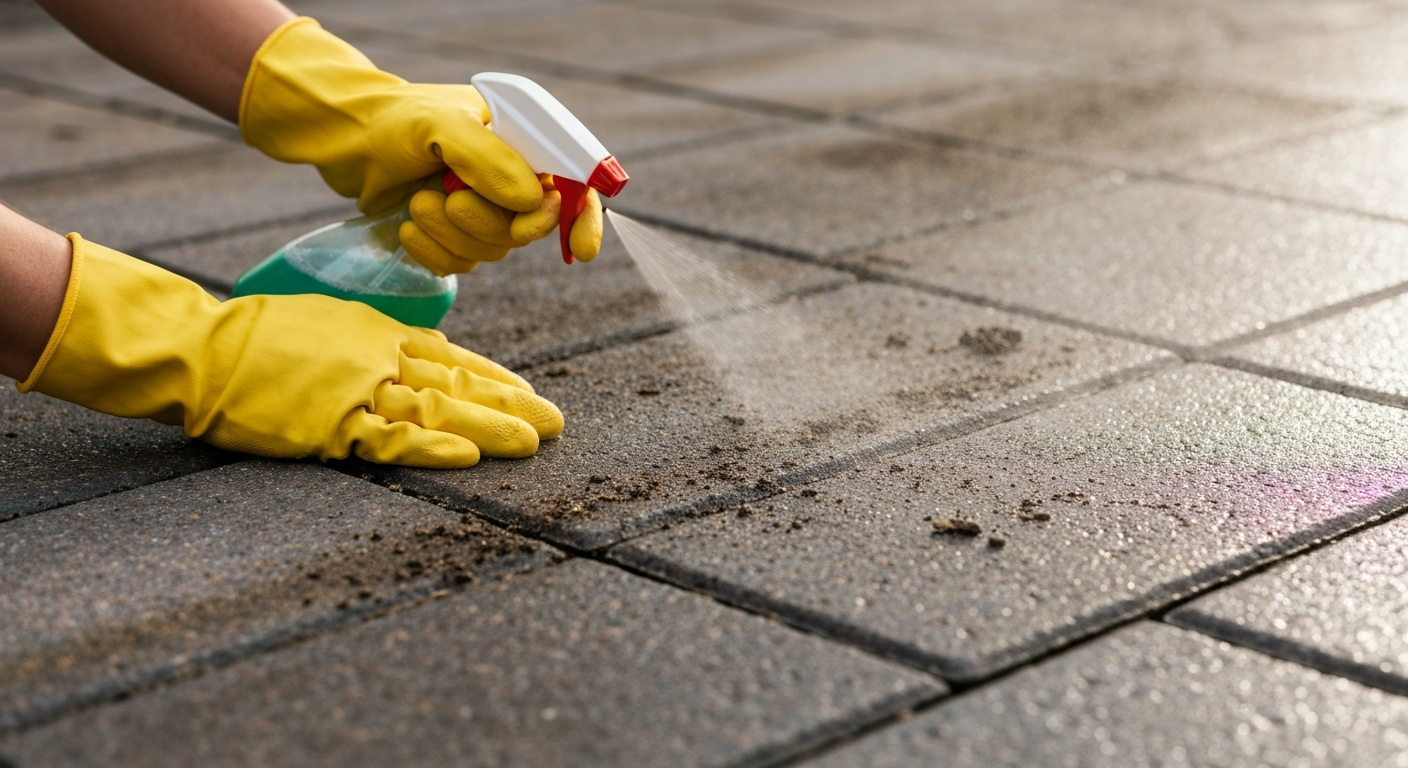
Outdoor floors such as patios, paths and garage driveways are exposed to the weather and heavy dirt. Mechanical cleaning is often the first step here. A stiff brush loosens ingrained dirt.
For moss, algae or green growth on stone or wood, use a specialist patio cleaner. Apply it, leave it to work and rinse it off thoroughly. A pressure washer is powerful, but it can wash out soft wood or joints.
Preventing weeds with ground cover fabric
Weeds between patio slabs or in gravel beds create a lot of work. A robust weed barrier fabric such as effectively prevents growth from below. It suppresses weeds while allowing water to pass through.
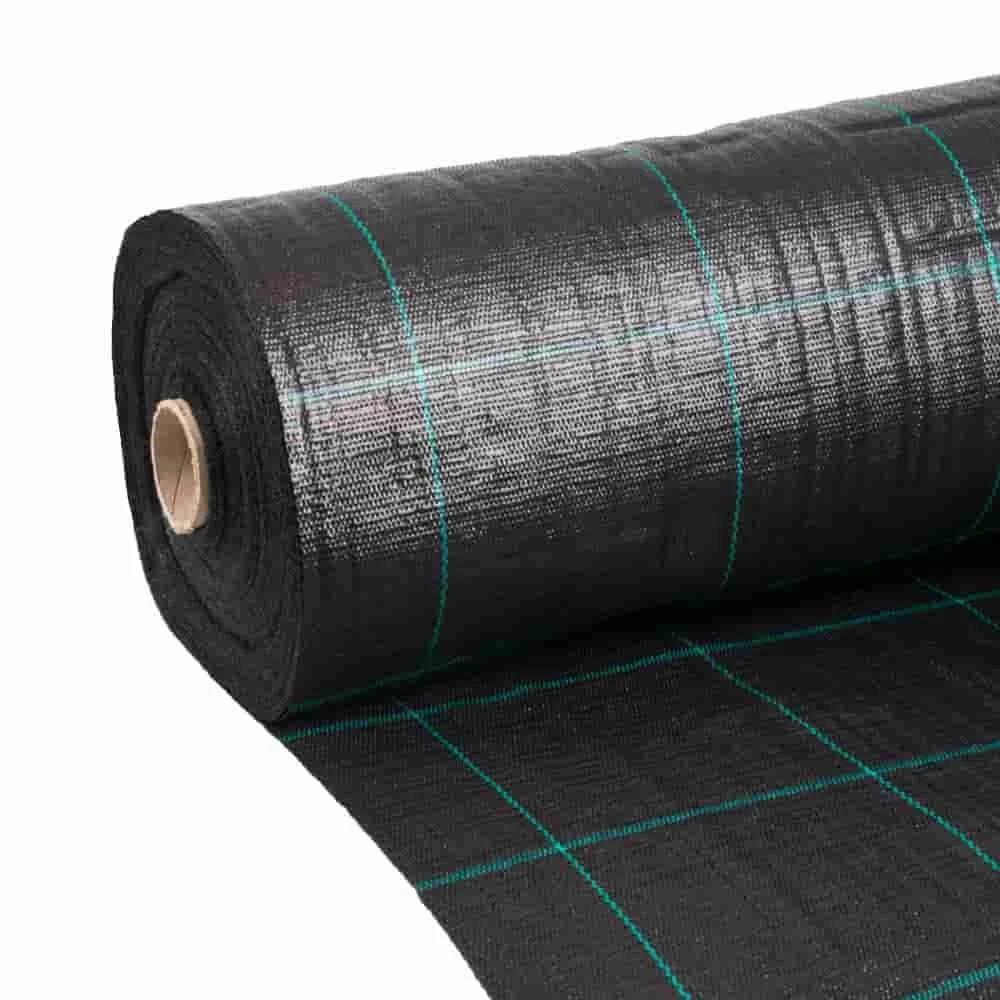
Lay the fabric before adding gravel or bark mulch. It does not replace surface cleaning, but it significantly reduces maintenance. You can find suitable gardening tools in our Garden Tools category.
Additional advice
Clean your patio furniture and barbecues regularly. Dried-on grease and food residue are difficult to remove later. Special cleaners for the BBQ + Smoking area reliably dissolve these residues.
Which tools and techniques deliver the best results?
The tool must suit the surface. For large, smooth indoor areas, a mop with a replaceable microfibre cloth is efficient. Use a hand brush for joints or corners.
Work from the farthest corner of the room towards the door. This prevents you from walking over areas you have already cleaned. Change the rinse water regularly, especially when cleaning heavily soiled floors.
“The right mopping technique is to pull the wet mop in a straight line, not scrub in circles. Circular movements only spread the dirt, while linear movements pick it up and carry it away.”
Drying prevents streaks and new dirt
Thorough drying is a step that is often neglected. Let the floor air-dry or go over it with a dry, highly absorbent cloth. This prevents streaks and immediately removes the moisture that dirt needs to stick to the surface.
Drying is particularly important on smooth tiles or laminate for a streak-free finish. The process is faster in well-ventilated rooms.
How can I keep my floors clean for longer?
Prevention is the best cleaning method. Place sturdy doormats inside and outside every entrance door. They catch most of the dirt and moisture before it gets into your home.
Regular sweeping or vacuuming removes abrasive dirt such as grains of sand, which can roughen surfaces and make them more prone to stains. For the basic equipment, take a look at our commercial supplies.
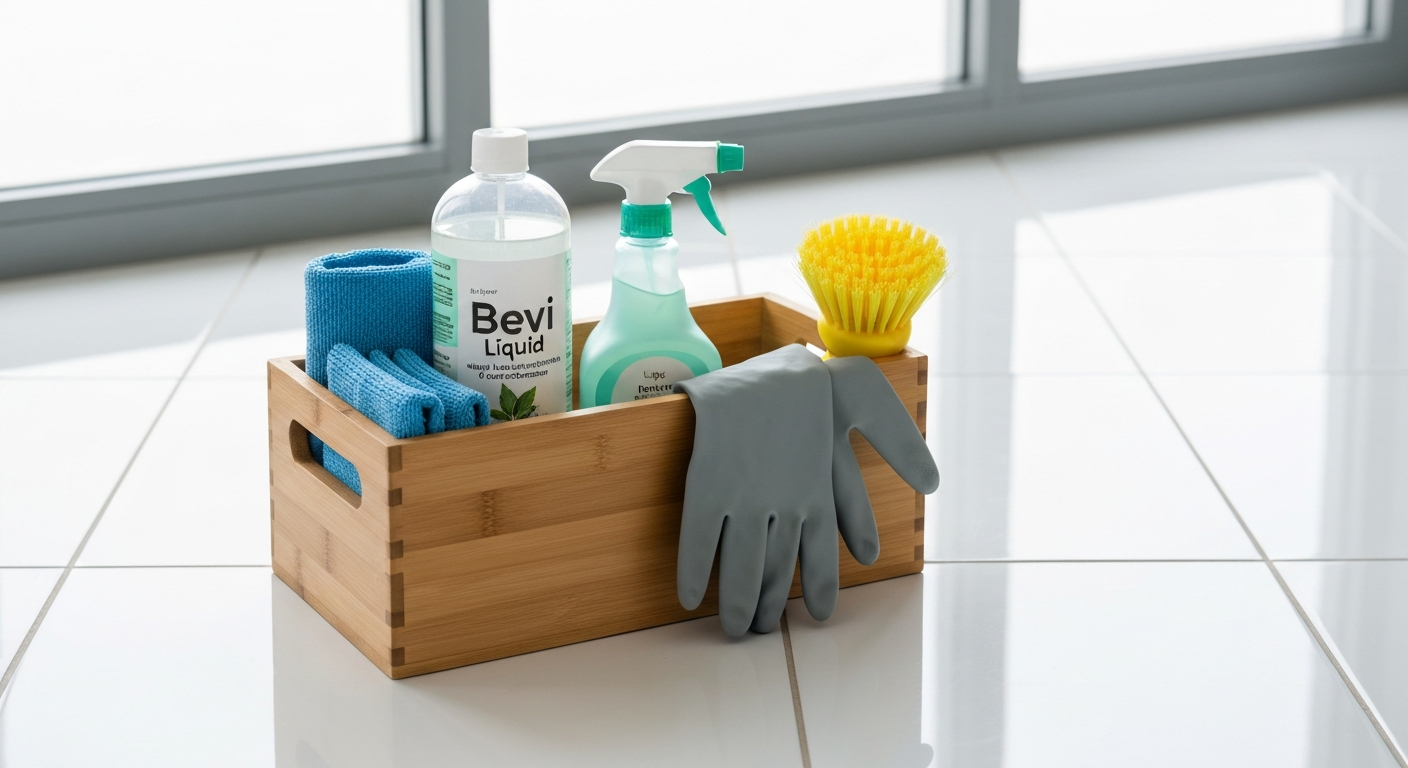
For delicate floors such as parquet, regularly apply a protective sealant or soap, such as those found in the Garden + Plant Accessories category. This protects the floor and makes daily cleaning easier.
Deal with stains immediately. A dried-in stain requires more effort and harsher products than a fresh one. Keep the right spot cleaner on hand for common stains such as red wine, grease or mud.
How to store cleaning products correctly
Store cleaning products in a cool, dry place out of the reach of children. Label any solutions you mix yourself with their contents and date. This helps you keep track of everything and avoid mix-ups.
Concentrates such as save space. For daily use, transfer a small amount into a suitable spray bottle. This helps protect the environment by reducing packaging waste and makes dosing easier.
With a well-planned strategy, the right products and a consistent routine, floor cleaning becomes not a tedious chore but an efficient task with visible, long-lasting results. Start with the right equipment in our shop.
Frequently asked questions
- How often should I deep-clean my floors at home?
- Depending on the level of use, a thorough deep clean every 1-2 weeks is advisable. High-traffic areas such as the kitchen or entrance hall need cleaning more often. Daily sweeping or vacuuming removes loose dirt and extends the intervals between wet cleaning.
- Can I use the same cleaning product for tiles and wooden floors?
- No, this is not recommended. Tiles can often tolerate alkaline or acidic cleaners. Wooden floors, especially oiled or waxed ones, require special pH-neutral care products to avoid damaging the surface. Always read the manufacturer's instructions.
- Why are there often streaks left on the floor after mopping?
- Streaks are usually caused by using too much cleaning product or by not rinsing sufficiently with clean water. Residue from the product dries on the surface. Use less concentrate and change the rinse water regularly.
- What is the best way to clean a dirty garden patio?
- Start by sweeping. A special patio cleaner can help remove algae or moss. For stubborn dirt, you can use a stiff-bristled brush and warm water. A pressure washer is effective, but is only suitable for robust materials such as concrete.
- How do I disinfect household floors properly?
- For disinfection, for example in sanitary areas or in the event of illness, use an approved disinfectant such as PRODUCT_3181. Important: First remove any loose dirt, then allow the product to work according to the manufacturer's instructions and do not rinse unless specified.
You may also be interested in
- Patio cleaning: Make your patio shine again
- Hard floor cleaners: Tips for brilliantly clean floors
- How to clean carpets: Effective methods for a spotless finish
- Effective natural cleaning remedies for your home
- Clean smarter: Efficient housekeeping tips for a clean home
- Snow removal: Effective tips for winter maintenance