
In brief: Effective kitchen organization starts with a systematic inventory. Empty everything, sort items by category and discard anything past its expiration date. Then use vertical storage space with shelves and hooks, organize drawers with dividers and create zones for baking, cooking and pantry items. This clear structure creates lasting space.
Effective Kitchen Organization: Practical Tips for More Space
An unorganized kitchen costs time and causes stress. The solution is a systematic kitchen storage system. This article shows you practical steps to optimize your pantry and create lasting kitchen organization.
How do I start organizing my kitchen properly?
Start by taking inventory. Empty one cupboard at a time completely. Place everything on the table or countertop.
Sort everything into three categories: keep, discard and donate. Be strict with expired food, broken appliances and items you never use. This initial decluttering creates mental and physical space for something new.
Expert tip
Give yourself time to take inventory in each zone. Work on one cupboard at a time instead of tackling the whole kitchen at once. This helps you avoid chaos and stay motivated.
Analyze your cooking habits. Do you spend a lot of time at the stove? Then keep oil, spices and cooking utensils within easy reach. Do you bake regularly? Flour, sugar and baking pans need their own zone. Adapt your kitchen storage to your daily routine, not the other way around.
What zones does an efficient kitchen need?
Think in terms of workstations. A typical kitchen needs five zones: pantry, storage, sink, preparation and cooking. Each zone has a specific purpose.
Keep dishes and cutlery close to the dishwasher or draining rack. Store pots and pans near the stove. This arrangement minimizes unnecessary steps and speeds up your work.
The most efficient kitchen follows the triangle between the stove, sink and refrigerator. Storage should support this workflow. The things you use most often need to be within easy reach.
Don't forget waste separation. Allow space for at least two bins under the sink or in a pull-out drawer. A well-organized commercial supplies system also includes waste disposal.
Set up your pantry zone intelligently
The pantry is the heart of your kitchen storage. Make use of the full height. Install adjustable shelves or add-on pull-out shelves. This lets you adapt the space to containers of different sizes.
Stack similar cans together. Turn labels toward the front. Transfer dry goods such as pasta, rice and cereal into matching clear containers. This saves space and helps you see what you have.
Important note
Do not store food near heat sources such as the stove or radiator. Heat and light accelerate spoilage. Ideally, keep spices in a dark drawer.
How do I optimize cupboards and drawers?
Drawers can quickly become junk drawers. Prevent this with dividers. Divide cutlery and utensil drawers using custom inserts made of wood or plastic.
Access solutions are essential for tall cupboards. Pull-down shelves for upper areas or two-tier drawer organizers make every inch useful. Carousel units or pull-out shelves are indispensable for corner cupboards.
Don't forget the cupboard doors. Attach narrow shelves or holders for spices, lids or cleaning products to the inside. This is unused storage space, right in front of you.
Clear your countertop
A clear countertop is not a luxury but a necessity. Put away everything you do not use every day. The toaster, bread box or coffee maker can often be stored in a cupboard.
Make use of vertical space. A narrow wall shelf or hanging rack above the countertop provides space for frequently used oils, spices or cookbooks. This keeps the countertop itself clear.
A clear countertop is the calling card of an organized kitchen. Every appliance left there should be the result of a conscious decision. If it is not used at least twice a day, it belongs in the cupboard.
For utensils such as wooden spoons or whisks, utensil crocks or wall-mounted holders next to the stove are ideal. They are easy to reach and can air-dry after washing.
Which tools help keep the kitchen organized?
The right containers make all the difference. Choose rectangular, stackable boxes for your pantry. They make better use of the space than round containers. Look for airtight lids to keep food fresh.
Label everything. Use a consistent labeling system, whether with a label maker or waterproof markers. This makes items easier to find and helps other family members maintain the kitchen organization.
Additional advice
Start small. Optimize one cupboard first. Test the system for a week. Does it fit your workflow? Then apply the principle to the next zone. This helps you avoid costly mistakes.
Special organizers for baking sheets, pots or plastic wrap add structure to awkward items. Also look in the categories for garden equipment or garden tools. You can often find sturdy storage solutions there that can be adapted for the garage or pantry.
Safety is part of organization
A well-organized kitchen is also a safe kitchen. Store sharp knives in a block or on a magnetic strip, not loose in a drawer. Keep heavy appliances in lower cupboards.
Fire safety is especially important. A
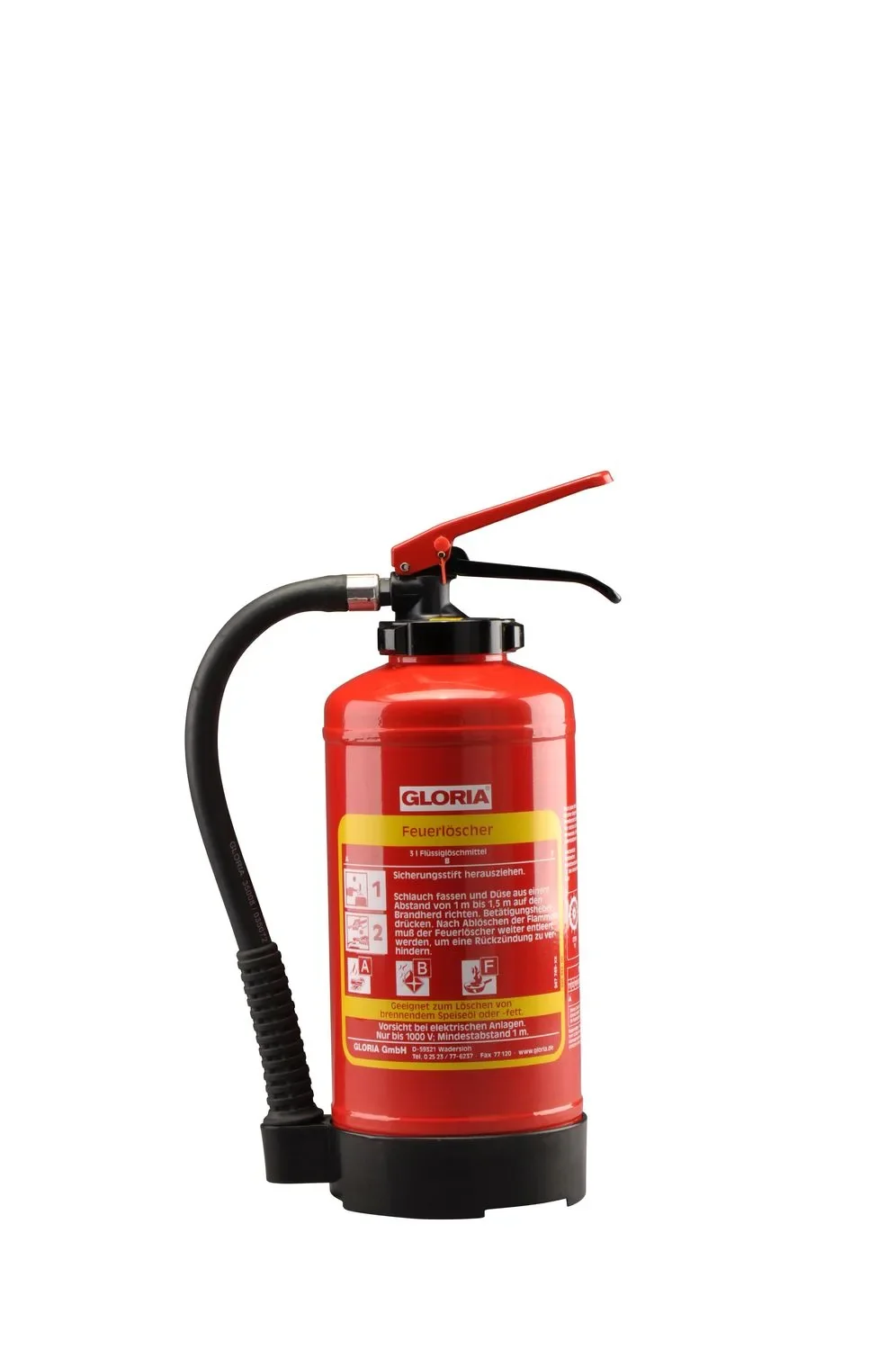
For uninterrupted BBQ + smoking fun outdoors, it is also worth considering products such as an
, to keep annoying insects away. Keeping outdoor spaces organized also makes them more enjoyable.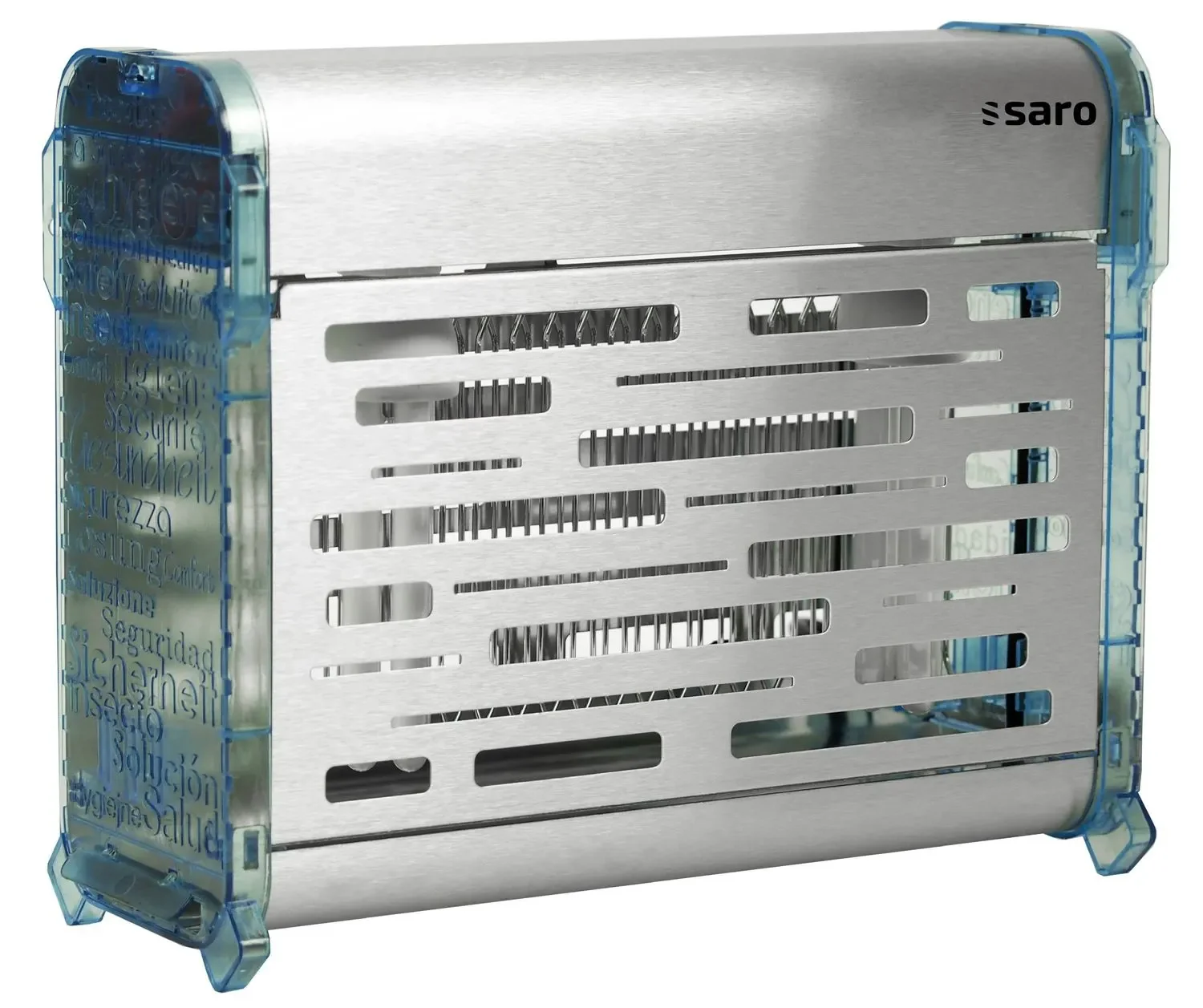
How do I establish long-term routines?
Keeping your kitchen organised isn't a project, but an ongoing process. Introduce the 'One In, One Out' rule. Buying a new frying pan? Donate an old one. This prevents your possessions from building up again.
Schedule a weekly 5-minute reset. Put misplaced items back, wipe down shelves and check your fresh food supplies. This small investment keeps your system running smoothly.
Get everyone in the household involved. Explain the system and its benefits. Clearly labelled places make it easy for everyone to put things back. This also applies to the children's play kitchens in the play area – it's never too early to learn.
Don't forget pest prevention. An organised, clean pantry without crumbs is the best protection. Just in case, an
is a discreet and effective solution for keeping pests such as ants away from your supplies.
Well-planned kitchen storage transforms your cooking experience. You save time, reduce stress and gain valuable space. Start with one drawer today.
Frequently asked questions
- How do I start organising my kitchen?
- Start with a thorough clear-out. Remove everything from the cupboards. Sort it into three piles: Keep, Discard and Unsure. Decide about anything in the 'Unsure' pile straight away. This creates a clean foundation for your new organisational system.
- What is the most common mistake when organising a pantry?
- Choosing the wrong containers. Never use unlabelled, opaque boxes. Invest in clear, stackable containers with a uniform design and label them. This lets you see the contents and keep track of everything.
- How can I make the most of narrow cupboards or corners?
- Use storage aids that improve access. Pull-out shelving systems or corner carousel shelves transform dead corners into usable storage space. For tall cupboards, stackable boxes with handles or hanging baskets are helpful.
- How do I keep my kitchen organised long-term?
- Introduce the 'One In, One Out' rule. For every new appliance or piece of crockery, an old one must go. Also carry out a monthly 5-minute check to put misplaced items back and remove anything that has expired.
- Is it worth investing in expensive organisation systems?
- Not always. Test your ideal arrangement first with inexpensive cardboard boxes or temporary solutions. Only invest in permanent systems once the workflow has proven effective. Simple dividers and containers are often all you need.
You may also be interested in
- Kitchen planning made easy: tips for your dream kitchen
- Make the most of your wardrobe: more space with clever organisation
- Clever tool storage: practical tips for a tidier workshop
- How to fold laundry properly: tricks for better organisation
- Declutter effectively: tips for an organised home
- Renovating your kitchen: planning, DIY & smart equipment