
In brief: The right electrical accessories depend on where you plan to use them. Indoors, power strips with surge protection and a switch are a practical choice. Outdoors, use a splash-proof power distributor designed for outdoor conditions. Adapters and socket units with built-in residual-current devices add another layer of protection. Our comparison helps you find the right products for your needs.
Your home's electrical system is the invisible backbone of modern life. But choosing sockets, power distributors and adapters can raise plenty of questions: Which options are safe and practical, and which products live up to their claims? Our 2026 test and comparison tackles these questions.
We looked at several types of electrical accessories, focusing on products that combine safety with everyday convenience. From a classic desk power strip to a weatherproof distributor for the patio, you'll find practical buying advice here.
Table of contents
Indoor power strips tested
A good power strip does more than extend your reach. It also helps protect your electronic devices.
Surge protection: an invisible safeguard
Reliable surge protection is essential. It helps protect valuable electronics such as TVs, computers and game consoles from voltage spikes in the mains supply, which can result from lightning strikes or switching operations. Check the product's energy absorption rating.
Tip: Always plug a surge-protected power strip directly into the wall outlet. Avoid connecting other extension leads to it, as this can compromise the protection.
The
, a 10-way aluminium power strip, puts safety and convenience first with built-in surge protection and a central switch. Its aluminium housing also helps dissipate heat.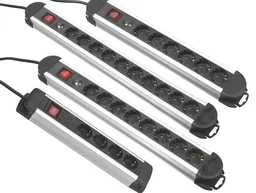
Placement and everyday use
Where will you use the power strip? At a desk, a slim design and individual switches for each device can be useful. Behind a TV cabinet, you'll want plenty of sockets in a compact layout and a particularly flat housing.
Outdoor power distributors compared
Outdoor use calls for extra care. Moisture, dust and UV exposure are among the biggest risks to electrical safety.
IP rating: a key safety measure
The IP rating (International Protection) indicates how well an enclosure resists dust, other solid objects and water. For outdoor use, choose at least IP44, which protects against splashing water from any direction.
Warning: Never use an indoor power distributor outdoors, even temporarily under a canopy. Condensation or a brief shower can create a life-threatening hazard.
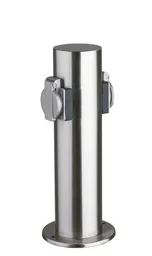
In our comparison, the BANGKOK model
(BANGKOK) and the (TOKIO) stand out because they're designed for both indoor and outdoor use. Their sturdy construction and specified IP rating make them dependable for gardening, parties and powering tools.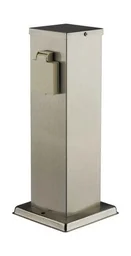
Durability and practical features
A sturdy housing that can handle an occasional knock and a cable long enough for the job are essential. Some models also come with mounting options or retractable cable reels.
Safety first: socket units with residual-current protection
In damp spaces such as bathrooms, kitchens and garden sheds, a built-in residual-current device (RCD) provides an important extra safeguard.
How an RCD can save lives
An RCD monitors the flow of electricity. If some of the current takes an unintended path, such as through a person's body, the device quickly switches off the circuit. This protection can save lives.
The two-socket units in the "Core" series, including the
, pair this essential protection with a practical flap cover. The cover helps protect the sockets when they're not in use, while keeping the RCD easy to reach. It's a neat option for a retrofit.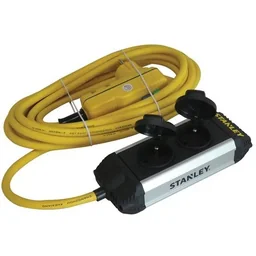
Note: An RCD or socket unit of this type should always be installed by a qualified professional. Work on fixed electrical wiring is not suitable for DIYers.
Adapters in practice: When are they worth using?
Adapters such as the
offer a flexible way to connect devices with different plugs to the outlets you already have. However, adapters have their limitations.
Continuous use vs. occasional use
Basic adapters are designed for occasional use, such as while traveling. For continuous use, such as powering an imported device every day, permanently installed solutions or higher-quality adapters with protective earth contacts (SEV) are a better choice.
They help prevent loose connections and provide a secure fit. A two-adapter set also gives you a handy spare or lets you connect devices in multiple locations.
Tips for assembly and installation
Even for seemingly simple jobs, such as connecting a power strip, there are several things to keep in mind.
Use the right tools
Make sure the screw terminals on distribution boxes such as the
are tightened securely. A loose connection can overheat. Use the right screwdriver, and always turn off the power before you start.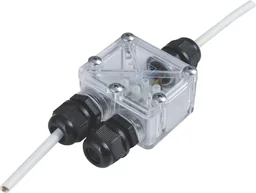
Check cable gauge and load capacity
Every cable and distributor has a maximum load capacity. Add up the power consumption of all connected devices (in watts), and do not exceed the power strip's maximum rating. This is especially important for high-power appliances such as space heaters and coffee makers.
Buying guide: How to choose the right product
Before you buy, ask yourself these questions to find the right product for your electrical setup.
Checklist to help you decide
- Where will you use it? Indoors or outdoors? This determines the level of protection you need.
- How many devices? How many outlets do you actually need? Leave room for a few extra devices.
- What will you plug in? Do you need surge protection for sensitive electronics?
- What features do you need? Individual switches, a master switch or a cable reel?
- What safety features are needed? Is GFCI protection useful or required where you plan to use it?
Once you have answered these questions, you can invest in a product that supports safety and lasts over time.
The future of electrical installation: What’s next?
Electrical installations are becoming smarter and more connected.
Smart home integration
Power outlets are increasingly becoming connected devices. Remote control, per-outlet energy monitoring and integration with automated routines are becoming standard features. Quality construction and safety remain essential.
Sustainable materials and design
Recyclable materials and long-lasting construction are taking center stage. Products such as the aluminum power strips mentioned above and durable outdoor distributors are already leading the way. Ideally, you should only have to buy an electrical installation once.
Ultimately, the best electrical installation is one that meets your specific needs and meets the highest safety standards. Our comparison gives you the information you need to choose with confidence. Choose quality to protect your home and devices for the long term.
Here are the highest-rated electrical installation products in our range, compared side by side:
| Model | Customer rating | Availability |
|---|---|---|
| 10-outlet aluminum power strip with surge protection and switch | – | Currently unavailable |
| 2-piece black adapter SEV11 2S set | – | Currently unavailable |
| 2-piece "Core" base - with hinged cover and residual-current device | – | Currently unavailable |
| 2-piece "Core" base - with hinged cover and residual-current device | – | Currently unavailable |
| 2-way distributor, M20 for 3G 1.5 mm² | – | Currently unavailable |
Frequently asked questions
- What should I look for in an indoor power strip?
- Look for reliable surge protection, a separate switch for each outlet and enough outlets for your needs. A housing made from nonflammable material and a long, flexible cord are other important signs of quality.
- What’s the difference between an indoor and outdoor distributor?
- Outdoor distributors offer greater protection from splashing water and dust, as shown by their IP rating (e.g. IP44). Their housings are weatherproof and UV-resistant to stand up to direct sunlight.
- What are the benefits of a base with a built-in residual-current device?
- A built-in residual-current device (RCD) helps protect you from potentially fatal electric shocks. It detects dangerous residual currents and switches off the circuit within milliseconds. This can be especially useful in damp areas such as bathrooms or outdoors.
- Can I use an indoor distributor outdoors for a short time?
- No. Indoor distributors are not protected against moisture, and even splashing water or dew can cause a short circuit or electric shock. For outdoor use, choose a product specifically designed for it.
- Are adapters with a protective earth contact (SEV) better than those without one?
- Yes. Adapters made to the SEV standard (Swiss standard) have a polarized protective earth contact and are often more robustly built. They provide a secure connection and are better suited to continuous use than basic travel adapters.
You might also be interested in
- Power Strip Test & Comparison 2026
- Power Tool Test & Comparison 2026: The Best Tools Reviewed
- Technology Test & Comparison 2026: The Best Products Put to the Test
- Voltage Tester Test & Comparison 2026
- Electrical Components Test & Comparison 2026
- Car Multimedia Test & Comparison 2026: The Best Devices for Your Vehicle