
In brief: Energy-efficient windows are an investment in warmth, peace and value. They replace old, draughty models with modern insulating glazing and well-insulated frames. The result: noticeably less draught, significantly lower heating costs and a comfortable indoor climate all year round. They often pay for themselves within just a few years.
Why old windows are costing you money
Old windows are often the biggest weak points in a building’s envelope. They let heat escape and cold air in, forcing your heating system to work harder.
The result is high energy costs and uncomfortable rooms. Draughts and cold surfaces significantly reduce the perceived temperature.
Modern insulating windows prevent this energy loss. They create a tight barrier against the outside world.
How to assess the condition of your windows
Check your windows for specific defects. Run your hand along the closed sash frame to feel for draughts.
Inspect the seals for cracks and brittleness. Look for condensation between the panes. This indicates a failed sealed unit.
Expert tip
Use a lit candle or a thin piece of paper. Hold it near the window joints. If the flame flickers or the paper moves, air is getting through. This lets you identify draughty spots precisely.
The U-value indicates the quality of the insulation. Old windows often have values above 2.0 W/(m²K). New windows have values below 1.0.
How the frame affects thermal insulation
The glass is not the only important factor. The frame accounts for up to 30 percent of the area and must provide insulation too.
uPVC frames with multi-chamber profiles are standard. Timber frames naturally offer good insulating properties. Timber-aluminium composites combine the advantages of both materials.
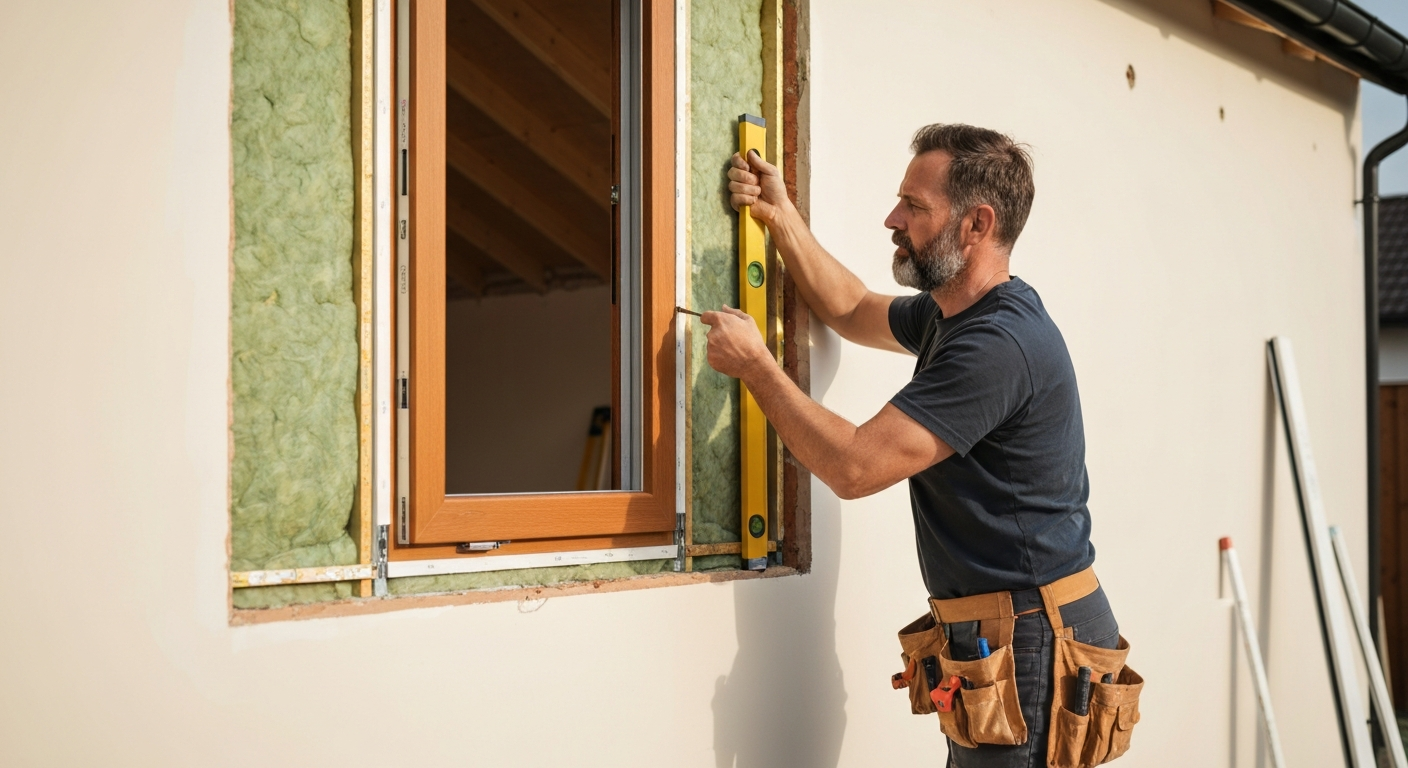
Installation into the wall is critical. The joint between the frame and masonry must be professionally insulated and sealed. Otherwise, thermal bridges can form here.
Which types of windows provide effective thermal insulation?
Triple glazing is now the benchmark for maximum energy efficiency. Two noble-gas fillings and three panes of glass reduce heat loss to a minimum.
Insulating glass has an ultra-thin, invisible metal coating. It reflects thermal radiation back into the room while still allowing solar energy to enter.
Choosing triple rather than double glazing saves around 10 percent energy in a new build. In an older building undergoing renovation, the effect is often smaller because of other weak points, but comfort noticeably improves.
Passive House windows achieve U-values below 0.8 W/(m²K). They are suitable for particularly ambitious renovations or new builds.
Glazing and the space between the panes
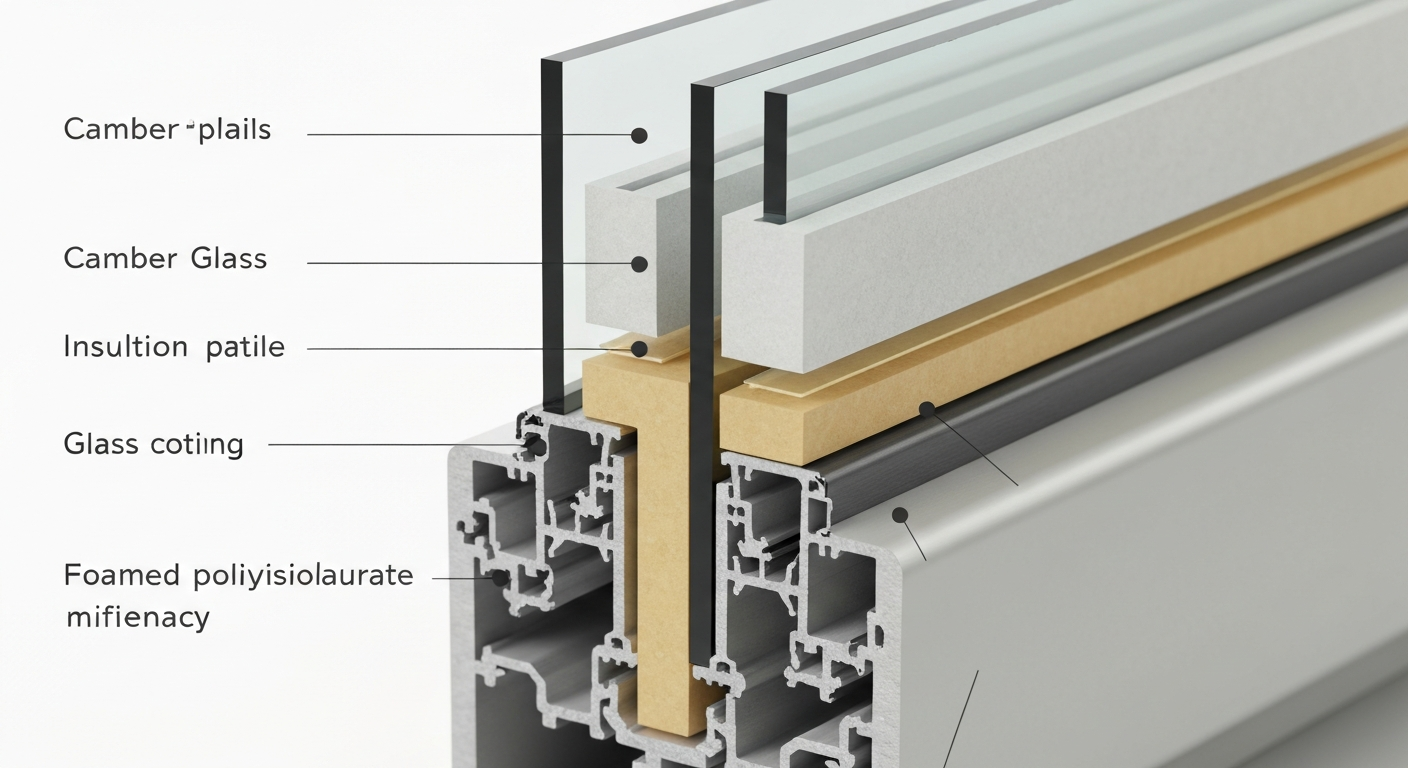
The space between the panes is filled with a noble gas such as argon or krypton. These gases conduct heat less effectively than air.
The spacer between the panes is made of plastic with low thermal conductivity. It prevents thermal bridges at the edge of the glass.
How to plan your window upgrade
Start with an energy assessment. A qualified contractor will measure the U-values of your existing windows and prepare a renovation plan.
Compare several quotes. Do not focus only on the price; also check the stated U-values, warranty and references.
Important note
Installing new windows is skilled work covered by a workmanship warranty. Only hire qualified contractors who can provide proof of expertise in window installation and sealing. Low-cost providers often cut corners on the details, which can later lead to moisture damage.
Check available funding before awarding the contract. The Federal Funding for Efficient Buildings (BEG) programme provides financial support for replacing windows. Your contractor or energy consultant can help with the application.
Choosing the right time
The best time to install windows is spring or early autumn. Temperatures are mild enough for sealing work.
Allow enough time for the project. Replacing one window takes around half a day to a full day.
Clear the areas around the windows. Protect furniture and floors from dust. Discuss the logistics with the contractors.
What else can be renovated alongside the windows?
The window sill is part of a complete solution. Old stone sills are often thermal bridges. Modern window sills made of plastic or timber are insulated.
The roller shutter box is a common weak point. Insulate it afterwards or replace it with an insulated model. This saves additional energy.
Matching Garden + Outdoor products help you enjoy your outdoor area after the renovation. For indoors, you can also find suitable furnishings in our country style.
Additional advice
Use the renovation as an opportunity to upgrade the hardware too. Tilt-and-turn fittings with mushroom-head locking bolts provide a better seal than basic models. They also significantly improve resistance to break-ins.
The benefits at a glance: More than just energy savings
Lower heating bills are the obvious benefit. Depending on the condition of the old windows, savings can amount to 10 to 20 percent of total heating costs.
Living comfort increases enormously. Draughts disappear. Cold radiation from the glass is eliminated. The room temperature feels more even.
Sound insulation improves significantly. Modern glazing effectively blocks out traffic noise. This creates more peace and quiet in your own home.
Many customers report a new feeling of comfort and security after replacing their windows. This is not only due to the warmth. The increased peace and quiet and the visual enhancement of the façade also contribute significantly to their wellbeing.
Security is also improved. New windows feature modern security fittings. They provide better resistance against attempted break-ins.
Your property's value increases. Energy-efficient windows are an important quality feature. They make your home more attractive to future buyers.
Caring for and maintaining your new windows
Modern windows are easy to care for. Clean the frames with mild cleaning products and soft cloths. Harsh chemicals can damage the seals.
Specialist cleaners are ideal for crystal-clear results. Our
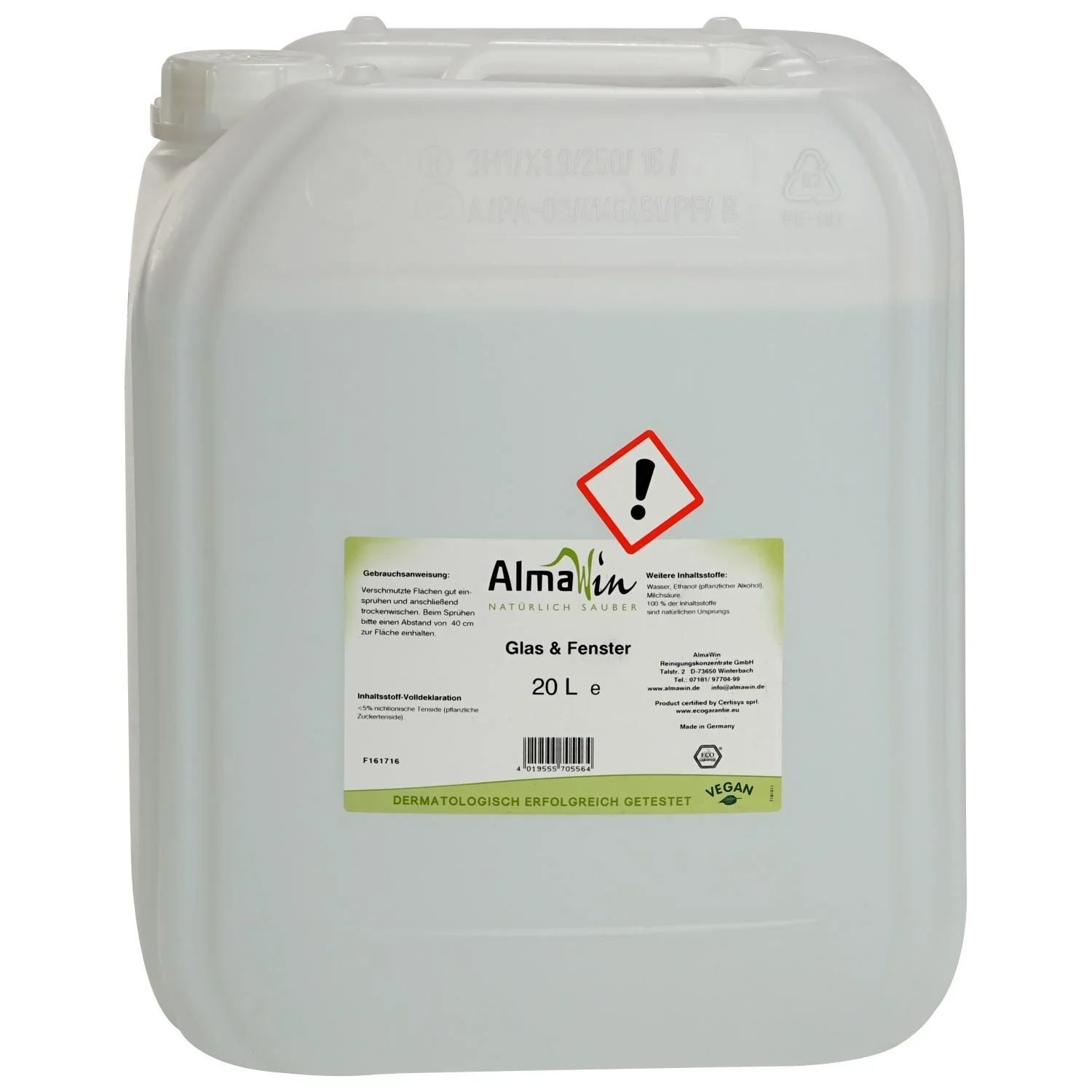
(ALMAWIN Glass and Window Cleaner 500 ml) reliably removes dirt and fingerprints. For regular deep cleaning, (ALMAWIN Glass and Window Cleaner 20 litres) is the economical choice.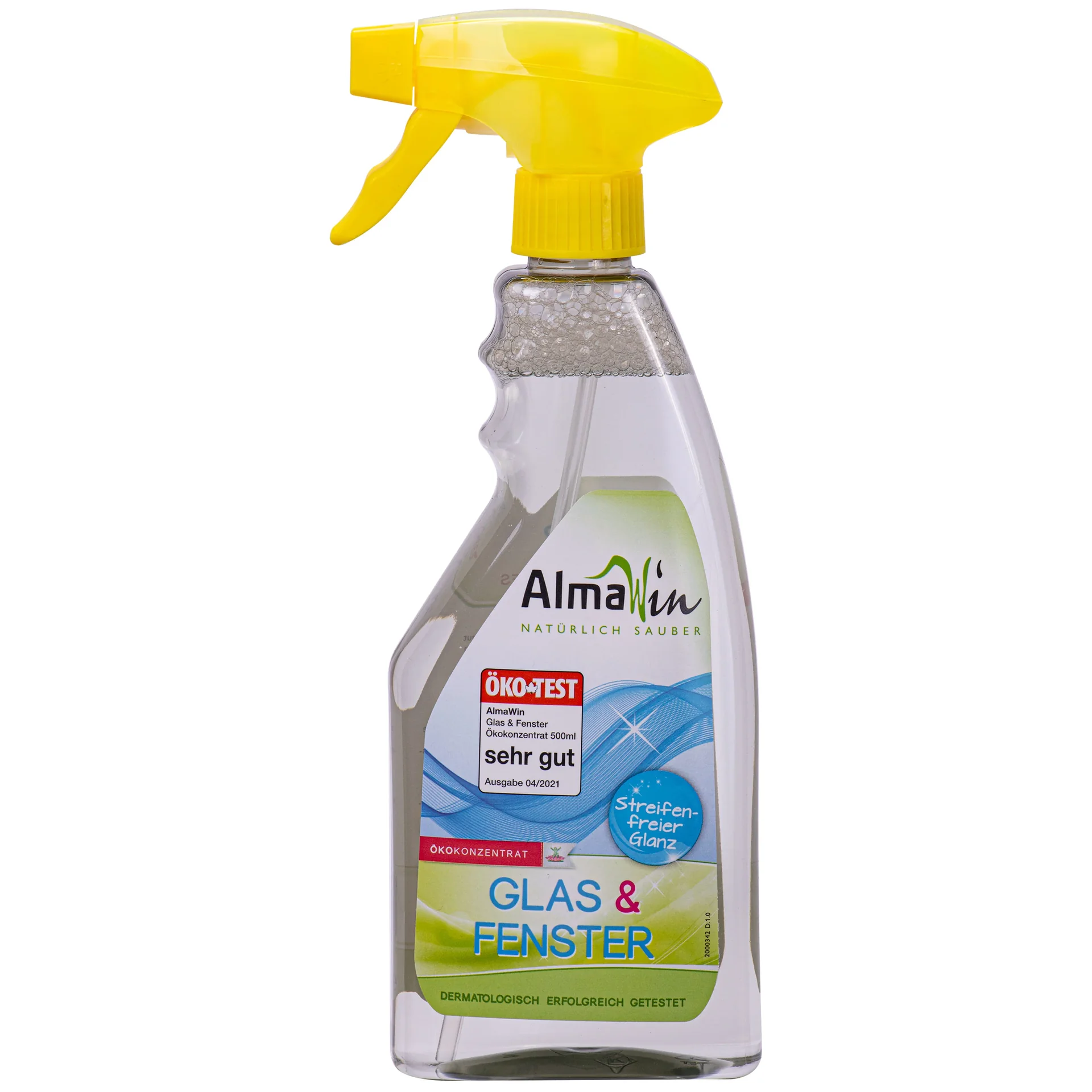
The seals remain flexible if you occasionally treat them with glycerine or a special seal conditioner. This prevents them from becoming brittle prematurely.
A practical aid for window cleaning is the
(cordless 3-in-1 window cleaner). It combines a sprayer, foamer and squeegee in one device, making cleaning faster.
Renovate your windows and protect the environment
Every kilowatt-hour of heating energy you save reduces your home's CO2 emissions. Old windows are major contributors to climate change.
Modern windows have a service life of 40 years or more. The materials used are often recyclable. After use, plastic profiles are processed back into granulate.
Manufacturing new windows requires energy. However, the savings during their service life more than offset this many times over. The overall energy balance is positive.
Further measures for an energy-efficient home
Windows are an important part of the solution. Combine them with façade insulation for maximum effect. Insulate the basement ceiling and roof as well.
A modern heating pump and hydraulic balancing complete the renovation. This ensures that all components work together optimally.
For all your other home and garden projects, Westfalia offers a wide range of products. From plumbing and irrigation technology to practical pet and animal supplies.
Take the first step towards a more energy-efficient home. Have your windows assessed by a professional. The investment pays off for your wallet, your comfort and the environment.
Frequently asked questions
- How can I tell if my windows need renovating?
- Clear signs include draughts despite the sashes being closed, condensation between the panes, a high U-value on the energy performance certificate and visible damage to the frame such as cracks or leaks. A constant feeling of cold near the glass and excessively high heating costs are also indicators.
- How much does it cost to replace windows with energy-efficient models?
- Costs vary considerably depending on the material, size and installation. Basic uPVC windows start at around 300-500 euros per unit, including installation. High-quality timber-aluminium windows can cost more than 1,000 euros. Government funding such as BEG can cover up to 20% of the costs.
- What U-value is recommended for windows today?
- For effective thermal insulation, a Uw-value (whole window) of 0.95 W/(m²K) or better is ideal. The glazing alone (Ug-value) should be between 0.5 and 0.7 W/(m²K). Compare these values with those of old windows, which often have values above 2.0.
- Can I renovate windows myself, or do they need to be replaced?
- If the frames are intact, renovation is possible. This includes replacing the glazing with energy-efficient glass, renewing the seals and adjusting the fittings. If the frames are severely damaged, complete replacement is usually the more economical and longer-lasting solution.
- How long does it take for new windows to pay for themselves?
- The payback period depends on the heat loss from the old windows and heating costs. When replacing single-glazed windows with modern models, the investment can pay for itself in 8-15 years. With double-glazed windows, it often takes 12-20 years. Funding shortens this period.
You may also be interested in
- Energy-efficient renovation: How to modernise your home efficiently
- Renovating windows: Use grants and reduce energy costs
- Energy efficiency in older homes: How to plan building renovations properly
- Timber windows: Classic style with a modern finish
- How to save energy at home: DIY tips for renovating your property
- Saving energy at home: Tips for efficient living