
In brief: A flame violet (Episcia) needs a bright spot out of direct midday sun, high humidity, and evenly moist but never waterlogged soil. Use a loose, well-draining mix of potting soil, coconut fiber, and perlite. Water with room-temperature, low-lime water and feed lightly with houseplant fertilizer every two weeks from March through October.
How do I care for a flame violet?
The flame violet, botanically known as Episcia, stands out for its velvety leaves, often patterned with silver. It is easy to care for as long as you follow a few simple rules. Light, humidity, and water are the key factors.
Don’t relegate this plant to a dark corner. It needs plenty of light, but keep it out of direct midday sun, which can scorch its delicate leaves.
Pro tip
Place your Episcia in an east- or west-facing window. It will get the morning or evening sun it needs without the harsh midday heat. A south-facing window works only if you provide light shade with a curtain.
Humidity is the second key to success. Dry indoor air from heating can quickly cause brown leaf edges. Mist the plant regularly with low-lime water, or set it on a tray filled with water and pebbles.
The right soil and proper watering round out the care routine. A loose, airy mix is essential. Water when the surface feels dry, but never let the roots sit in water.
Where should I place my Episcia?
Location affects your Episcia’s growth and color. These plants are native to the tropical rainforests of Central and South America. They grow in the understory, sheltered from direct sun but surrounded by steady warmth and high humidity.
Try to recreate those conditions at home. A bathroom with a window can be an ideal spot. A bright sunroom or glass cabinet out of direct sun can also provide the right environment.
Avoid drafts and cold windowsills in winter. Temperatures below 15°C can cause lasting damage to the plant. Keep it between 18 and 24°C year-round for best results.
If you need supplies to care for your plants, browse the wide selection in our Garden + Plant Accessories section. You’ll find everything from decorative pots to moisture meters.
How should I water and feed my flame violet?
Watering takes a little care. The rule for Episcia is consistent moisture without waterlogging. Use room-temperature water, ideally rainwater or decalcified tap water.
Lime marks on velvety leaves look unattractive and are difficult to remove. Water the soil directly instead of pouring water over the leaves. Empty any excess water from the saucer within 15 minutes.
Important note
Waterlogging is the most common reason flame violets die. Their fine roots rot quickly. Use a saucer that you can empty after watering. Well-draining soil is just as important as a drainage hole in the pot.
Fertilizer supports the growth of the plant’s lush leaves and small, trumpet-shaped flowers. From March through October, mix liquid houseplant fertilizer into the water every two weeks. Use half the dosage listed on the package.
In winter, stop feeding almost entirely. The plant grows very little and cannot use the nutrients. Excess fertilizer can damage the roots.
Our selection of fertilizers can help give your plants the nutrients they need. You’ll find specialty products for houseplants here.
What potting mix does a flame violet need?
The wrong soil can suffocate the roots. Avoid heavy, compacted standard potting soil. Make your own mix or buy a specialty mix for Gesneriads or anthuriums.
A good basic mix consists of:
- One part high-quality potting soil
- One part coconut fiber (to loosen the mix)
- One part perlite or broken expanded clay (for drainage)
This mix retains moisture while letting air reach the roots. It keeps the soil from baking into a solid clump.
“Episcia roots are fine and delicate. They need soil that can breathe. Soil that is too dense inevitably leads to root rot, even if you water sparingly.”
Adding crushed charcoal to the mix has an antiseptic effect and can help prevent fungal problems. Repot your flame violet every one to two years in spring, once its roots have filled the pot.
To improve the soil, our
can also be useful. Rock dust adds minerals to the mix and naturally improves soil structure.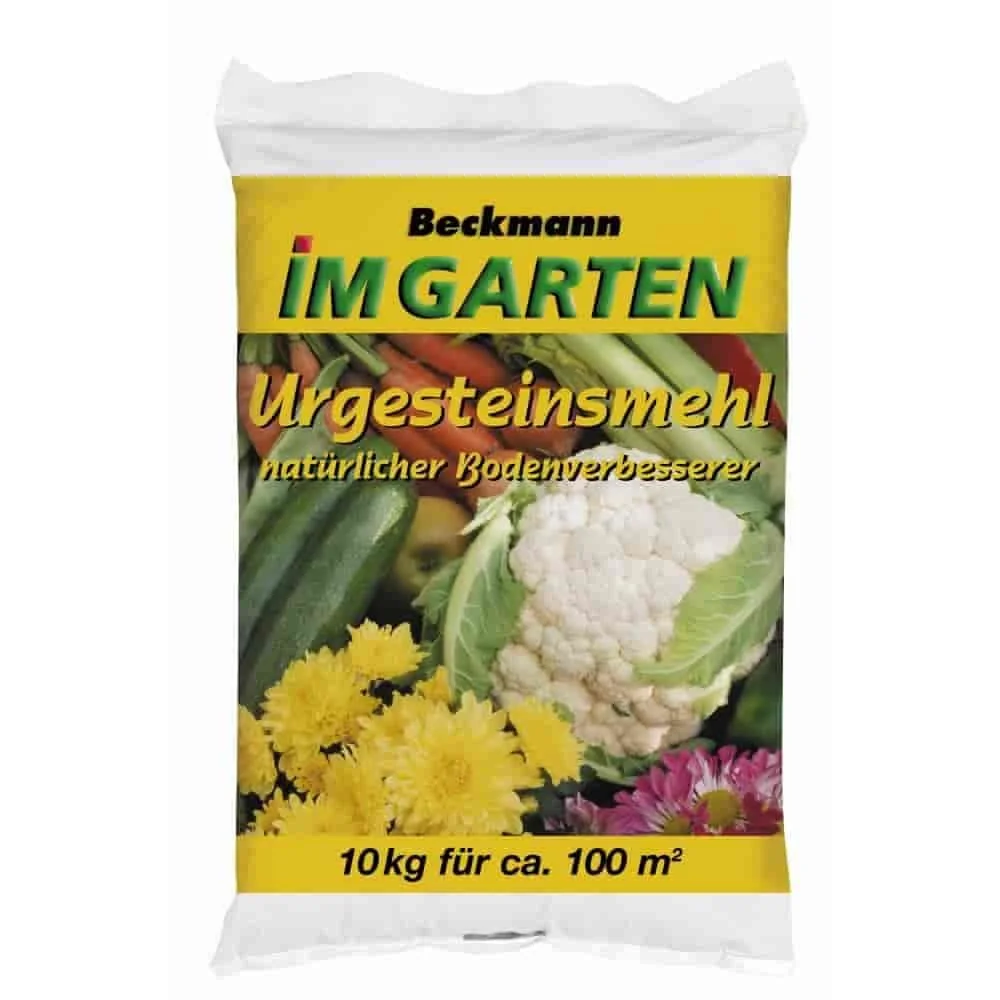
How do I propagate Episcia?
Propagating a flame violet is easy and rewarding. The plant shows you how: it sends out long, thin runners with small plantlets at the ends.
Once a plantlet has developed a few roots of its own, cut off the runner with sharp, clean scissors. Plant it in a small pot filled with the loose propagation mix described above.
Keep the soil slightly moist for the first few weeks and place the pot in a warm, bright spot out of direct sun. Covering the pot with a clear cover or plastic bag increases humidity and helps the plant get established.
Additional advice
You can also propagate Episcia from leaf cuttings. Cut off a healthy leaf with a piece of its stem and insert the stem into moist propagation mix. Covering it also encourages rooting, though this method takes longer than propagating from plantlets.
After about four to six weeks, new shoots will appear, signaling that roots have formed. You can then care for the young plant just like a mature one.
To care for your plants and clean their leaves, our
can be helpful. This wax-free care product is suitable for gently cleaning smooth leaf surfaces.
What problems can occur when caring for a flame violet?
Brown leaf tips are a classic sign that the air is too dry. Increase humidity by misting the plant or placing a humidifier nearby. Too much direct sunlight can also scorch the leaves.
Drooping, limp leaves usually indicate that the plant needs water. Check the soil. If it is completely dry, immerse the pot in water until no more air bubbles rise to the surface.
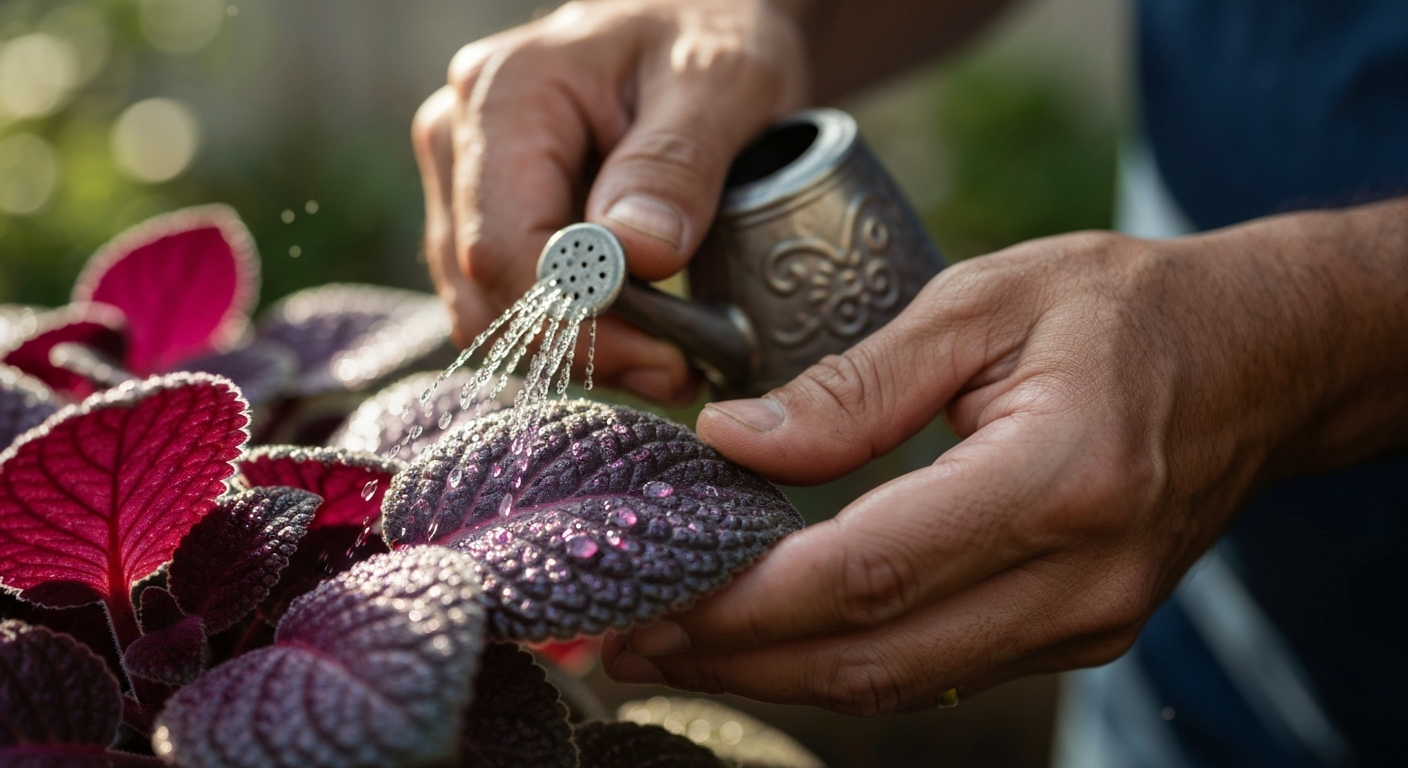
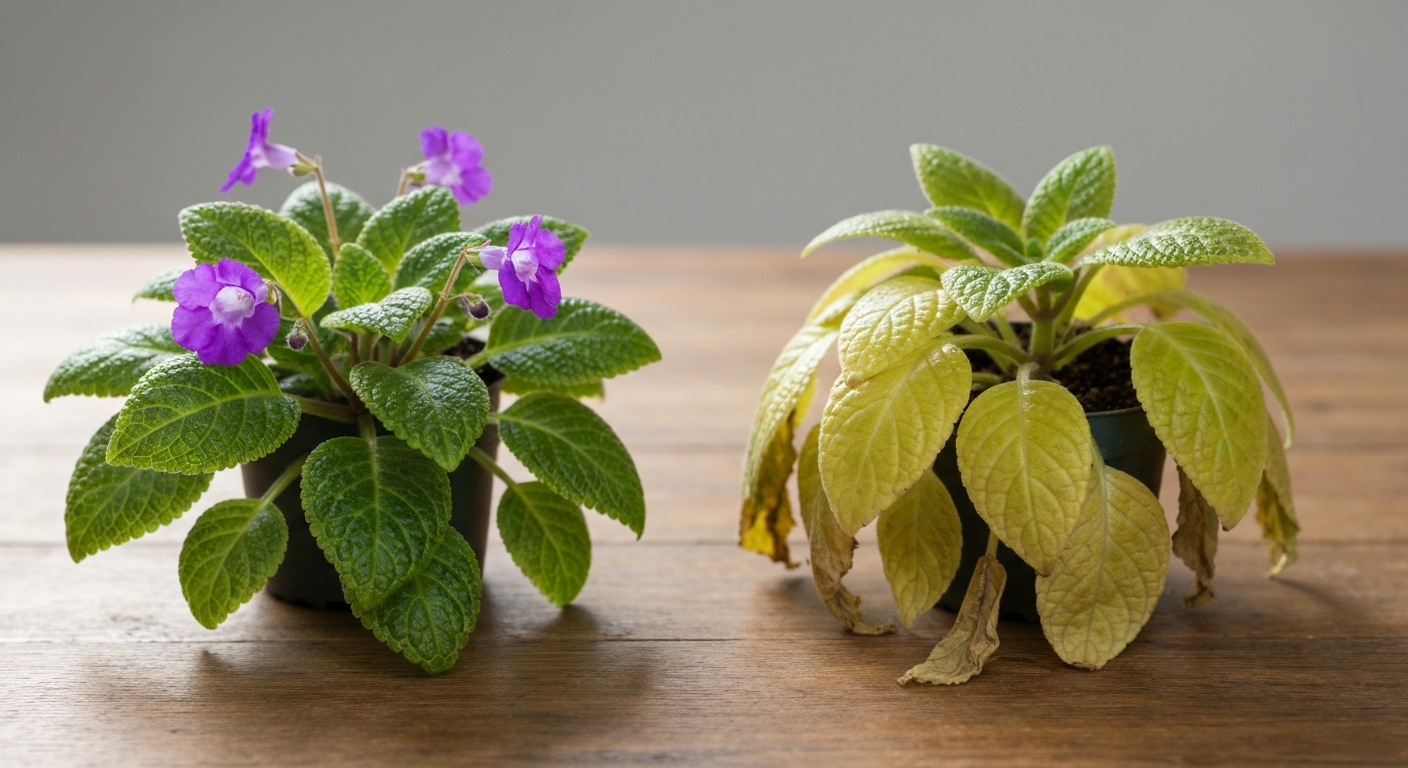
If the leaves turn yellow and fall off, overwatering or waterlogged soil is often to blame. Check the roots. If they are mushy and brown, the plant needs rescuing. Cut off all the rotten roots and repot it in fresh, dry soil. Wait several days before watering again, then water very sparingly.
Pests such as aphids or spider mites can appear when the air is too dry. Isolate the affected plant and treat it with a mild, organic remedy. Rinsing the plant regularly with lukewarm water can help prevent infestations.
“Many care problems with Episcia are caused by giving the plant too much attention. Too much water, too much fertilizer, too much direct sunlight—less is often more. Observe your plant; it will tell you what it needs.”
Greasy, sticky leaves can be a sign of scale insects. They often hide on the undersides of leaves and along the veins. Remove them with a cotton swab dipped in alcohol.
For gently cleaning leaves and removing dust, our
. This specialist cleaner is designed for delicate surfaces.
How do I overwinter my flame violet?
Cut back on care considerably in winter. Water only occasionally, just enough to keep the root ball from drying out completely. Stop fertilizing from October through February.
Keep the plant in a bright spot during winter. Avoid placing it directly above a radiator, where the air is too dry. If possible, put it by a cooler but still bright window, with temperatures around III°C.
Dry air from heating is the biggest challenge. Mist the leaves more often or place bowls of water among your plants. A humidifier can benefit both your Episcia and your own health.
Avoid drafts when airing the room. Cold air can shock the plant and cause its leaves to drop. Turn the pot from time to time so the plant grows evenly toward the light instead of becoming lopsided.
As spring arrives and the days get longer, the plant starts growing again. Gradually increase watering and resume fertilizing from March.
For all your other green space needs, browse our Garden Equipment category. From greenhouses to grow lights, you will find what you need for every season.
Frequently Asked Questions
- Why are the leaves on my flame violet turning yellow?
- Yellow leaves on a flame violet usually mean the plant has too much moisture or is sitting in waterlogged soil. Check that the pot drains well and that you are not watering too often. A nutrient deficiency, especially a lack of nitrogen, can also cause yellowing. Make sure drainage is good and adjust your watering routine.
- How often should I water a flame violet?
- Water your flame violet when the top layer of soil has dried out slightly. You can check it with your finger. In summer, this may be every 3-5 days; in winter, every 7-10 days. Use room-temperature, low-lime water and do not leave standing water in the saucer.
- Can I grow a flame violet in a north-facing window?
- A north-facing window is often too dark for a flame violet. The plant needs bright, indirect light to develop its vivid leaf colors and flowers. In a north-facing window, it may become thin and leggy, with pale leaves. An east- or west-facing window is ideal.
- What is the easiest way to propagate a flame violet?
- The easiest way is to propagate it from runners or plantlets. Episcia produces long runners with small daughter plants. Cut off a rooted plantlet and place it in its own pot filled with seed-starting mix. Keep the soil consistently slightly moist for the first few weeks.
- Are flame violets toxic to cats?
- No. Episcia belongs to the Gesneriad family and is considered non-toxic to cats, dogs, and people. It is an excellent choice for pet-friendly homes looking for colorful foliage plants.
You may also be interested in
- How to care for houseplants: Tips for healthy leaves
- How to care for moth orchids: Get abundant blooms indoors
- Exotic houseplants: Care, location & popular varieties
- Poinsettia care: How to keep it looking beautiful for longer
- Container and houseplants: Care tips for green oases
- How to care for houseplants: Avoid 7 common mistakes