
Kurz erklärt: Eine wirksame Euterpflege kombiniert Reinigung, Desinfektion und Nachbehandlung. Im Test zeigen sich spezielle Dermastitis-Blocker und Iodine-Dippmittel als besonders zuverlässig für die Prophylaxe. Für die mechanische Reinigung eignen sich robuste Brausen. Die Auswahl hängt von Betriebsgröße, Melkhygiene und spezifischen Risiken ab.
Gesunde Euter sind die Basis für wirtschaftliche Milcherzeugung. Eine systematische Pflege verhindert Mastitis und sichert die Qualität. Unser Test und Vergleich für 2026 zeigt Ihnen, welche Produkte wirklich überzeugen. Wir bewerten Dippmittel, Blocker und wichtiges Zubehör. So finden Sie die passende Lösung für Ihre Rinderhaltung.
Inhaltsverzeichnis
Warum Euterpflege wichtig ist?
Eutererkrankungen kosten Sie bares Geld. Sie führen zu Leistungseinbruch, Behandlungen und möglichen Abgängen. Die richtige Pflege ist keine Option, sondern ein Muss. Sie schützt die Tiergesundheit und Ihre Erträge.
Die drei Säulen der Eutergesundheit
Jede wirksame Strategie baut auf drei Punkten auf.
- Reinigung: Entfernt groben Schmutz vor dem Melken.
- Desinfektion: Tötet Keime während und nach dem Melken ab.
- Pflege: Unterstützt die natürliche Hautbarriere.
Unser Test prüft Produkte für alle drei Bereiche.
Die besten Euterpflege-Produkte im Test
Wir haben Dippmittel, Blocker und Zubehör unter die Lupe genommen. Die Bewertung erfolgte in der Praxis. Hier sehen Sie die Ergebnisse.
Die meistbewerteten Euterpflege aus unserem Sortiment im direkten Vergleich:
| Modell | Kundenbewertung | Verfügbarkeit |
|---|---|---|
| Alfa Schaugläser für Melksysteme - Klare Sicht & Leistung | – | Derzeit nicht verfügbar |
| Brause Gilmour- ideal auch für die Garten- und Hofarbeit | – | Derzeit nicht verfügbar |
| Demotec Easy Bloc 12er Pack: Wirtschaftliche Hufpflege für mehrere Behandlungen | – | Derzeit nicht verfügbar |
| Dermastitis-Blocker, 20 kg | – | Derzeit nicht verfügbar |
| Dermastitis-Blocker, 200 kg | – | Derzeit nicht verfügbar |
Hervorragende Blocker für anhaltenden Schutz
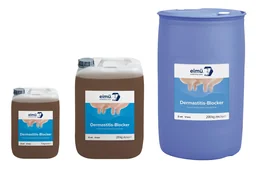
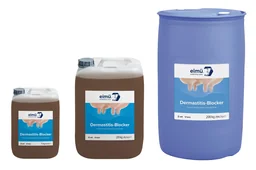
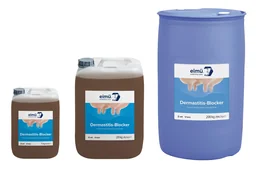
Blocker bilden einen Schutzfilm auf der Zitze. Der (Dermastitis-Blocker, 20 kg) überzeugt im Test. Seine cremige Konsistenz haftet sehr gut. Er trocknet nicht ein und schützt so über Stunden. Für größere Betriebe ist auch die 200 kg Variante eine Option. Die kleinere 5 kg Packung eignet sich für Probe-Anwendungen oder kleine Bestände.
Tipp: Tragen Sie Blocker immer vollständig und dünn auf. Ein dicker Film reißt schneller ein und verliert seine Schutzwirkung.
Effektive Dippmittel auf Iodine-Basis
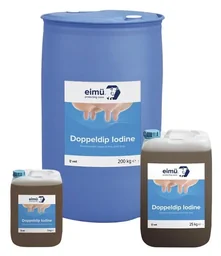
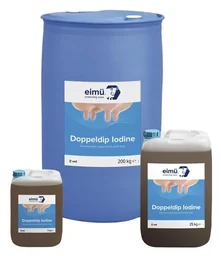
Iodine ist ein bewährter Wirkstoff. (Doppeldip Iodine, 200 kg) zeigt eine sehr gute und schnelle keimreduzierende Wirkung. Die Farbe signalisiert eine vollständige Benetzung. Für mittlere Betriebe bietet (25 kg) eine praktische Gebindegröße.
Robustes Zubehör für die Reinigung
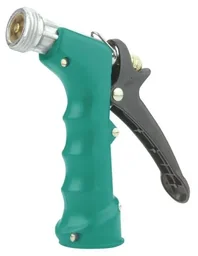
Die Vorreinigung ist entscheidend. Die (Brause Gilmour) ist robust und vielseitig. Der Strahl ist anpassbar und schonend genug für das Euter. Für die Kontrolle im Melkstand sind (Alfa Schaugläser) unverzichtbar. Sie bieten klare Sicht auf den Milchfluss.

Wie testen wir?
Unser Vergleich beruht auf praktischen Kriterien. Wir bewerten nicht nur Datenblätter.
- Wirksamkeit: Reduziert das Produkt Keime zuverlässig?
- Handhabung: Ist die Anwendung im Arbeitsalltag praktikabel?
- Materialverträglichkeit: Schont das Mittel die Zitzenhaut?
- Wirtschaftlichkeit: Welcher Verbrauch ist nötig?
- Kompatibilität: Funktioniert es mit meinem Melksystem?
Diese Faktoren geben Ihnen eine sichere Entscheidungsgrundlage.
Wichtig: Wechseln Sie nicht ständig zwischen verschiedenen Pflegemitteln. Jeder Wechsel stresst die Hautflora des Euters. Finden Sie ein passendes System und bleiben Sie dabei.
Kaufberatung: Worauf Sie achten müssen
Die Auswahl des richtigen Produkts hängt von Ihren Bedingungen ab. Beantworten Sie diese Fragen vor dem Kauf.
Wie groß ist Ihr Betrieb?
Die Gebindegröße sollte zu Ihrer Herde passen. Großgebinde sind pro Einheit günstiger. Sie benötigen aber geeignete Lager- und Dosierungsmöglichkeiten. Kleinere Packungen sind flexibler.
Welches Melkverfahren nutzen Sie?
Im Automatensystem sind andere Anforderungen entscheidend als im Fischgrätenmelkstand. Achten Sie auf Kompatibilität mit Ihrem Melksystem.
Gibt es spezielle Probleme im Bestand?
Bei erhöhten Zellzahlen oder bestimmten Erregern brauchen Sie möglicherweise spezielle Wirkstoffe. Analysieren Sie die Lage genau.
Hinweis: Billigprodukte sind oft teuer. Eine geringere Wirkstoffkonzentration oder schlechte Haftung führt zu höherem Verbrauch und mehr Erkrankungen. Rechnen Sie immer die Kosten pro geschützter Kuh und Tag.
Anwendung: Tipps für die Praxis
Das beste Produkt nutzt nichts bei falscher Anwendung. Halten Sie sich an einen strikten Ablauf.
- Reinigen Sie das Euter mit lauwarmem Wasser und einer sauberen Brause.
- Trocknen Sie jedes Euter mit einem Einweg-Papierhandtuch gründlich ab.
- Melken Sie die Kühe mit sauberem und gepflegtem Gerät.
- Tauchen oder sprühen Sie jede Zitzenspitze sofort nach dem Abmelken vollständig ein.
- Lassen Sie den Film in Ruhe antrocknen.
Kontrollieren Sie regelmäßig die Zitzenhaut auf Risse oder Trockenheit.
Hygiene im Melkkreislauf
Die Euterpflege ist nur ein Teil. Die gesamte Melkhygiene muss stimmen. Dazu gehören die Reinigung der Melkanlage, saubere Ställe und die Gesundheit der Tiere. Schaugläser helfen Ihnen, Probleme im System früh zu erkennen. Investieren Sie in eine ganzheitliche Strategie für Ihre Landwirtschaft.
Die Rolle der Schaugläser
Schaugläser wie die getesteten von Alfa sind Frühwarnsysteme. Sie sehen, ob Luft in die Leitung gelangt oder sich Rückstände bilden. Das beugt Vakuumschwankungen vor, die das Euter schädigen können.
Fazit
Die Investition in hochwertige Euterpflege rechnet sich immer. Im Test zeigen sich Blocker auf Dermastitis-Basis und Iodine-Dippmittel als starke Partner für die Prophylaxe. Kombinieren Sie diese mit zuverlässigem Zubehör wie robusten Brausen und Kontroll-Schaugläsern. Wählen Sie die Gebindegröße passend zu Ihrer Betriebsgröße. So schützen Sie Ihre Tiere effektiv und sichern Ihre Milchqualität. Ein gesundes Euter ist die beste Grundlage für Ihren Erfolg.
Häufige Fragen
- Wie oft muss ich das Euter dippen?
- Sie sollten das Euter nach jedem Melkvorgang dippen. Diese konsequente Nachbehandlung verschließt den Strichkanal und verhindert das Eindringen von Keimen. Nur so erreichen Sie einen zuverlässigen Schutz vor Neuinfektionen.
- Was ist der Unterschied zwischen einem Blocker und einem Dippmittel?
- Ein Dippmittel desinfiziert primär die Zitzenspitze nach dem Melken. Ein Blocker wie der Dermastitis-Blocker bildet zusätzlich einen länger haftenden Film. Dieser schützt mechanisch und gibt kontinuierlich Wirkstoffe ab.
- Kann ich eine normale Brause für die Euterreinigung nutzen?
- Nein. Nutzen Sie spezielle Euterbrausen. Diese haben einen sanften Strahl und oft eine ergonomische Form. Die Brause Gilmour zeigt im Test, dass sie auch für Hofarbeiten geeignet ist, ohne zu verstopfen.
- Welche Gebindegröße ist für meinen Betrieb sinnvoll?
- Die Größe hängt von Ihrer Herdengröße ab. Für kleinere Bestände sind Gebinde wie 5 kg oder 25 kg wirtschaftlich. Bei großen Herden lohnen sich Großgebinde wie 200 kg, um Kosten und Aufwand zu reduzieren.
- Warum sind Schaugläser für die Euterpflege wichtig?
- Schaugläser wie die von Alfa geben Ihnen direkte Kontrolle über Ihr Melksystem. Sie erkennen Verschmutzungen oder Luftblasen sofort. Das ist essentiell für eine hygienische Milchgewinnung und beugt Euterproblemen vor.