
In short: 2K repair resin is the best choice for uPVC windows because it consists of resin and hardener. This mixture cures through a chemical reaction and creates an extremely durable, weather-resistant and shrink-free bond that clearly outperforms conventional 1K fillers in strength and longevity.
Contents
- What is 2K repair resin and how does it work?
- Why is 2K repair resin the superior choice for uPVC windows?
- Which damage can you repair with FENOPLAST?
- Step-by-step guide: How to use the FENOPLAST repair kit
- The big comparison: 2K repair resin vs. other window fillers
- Which color is right? RAL 9016 vs. RAL 9010
A deep scratch in a brand-new uPVC window, a chipped corner on the frame after a mishap or an unsightly drill hole left by a previous tenant. Such damage is frustrating, detracts from your property's value and can lead to more serious problems if left untreated. Instead of an expensive replacement, there is a professional solution you can apply yourself: 2K repair resin.
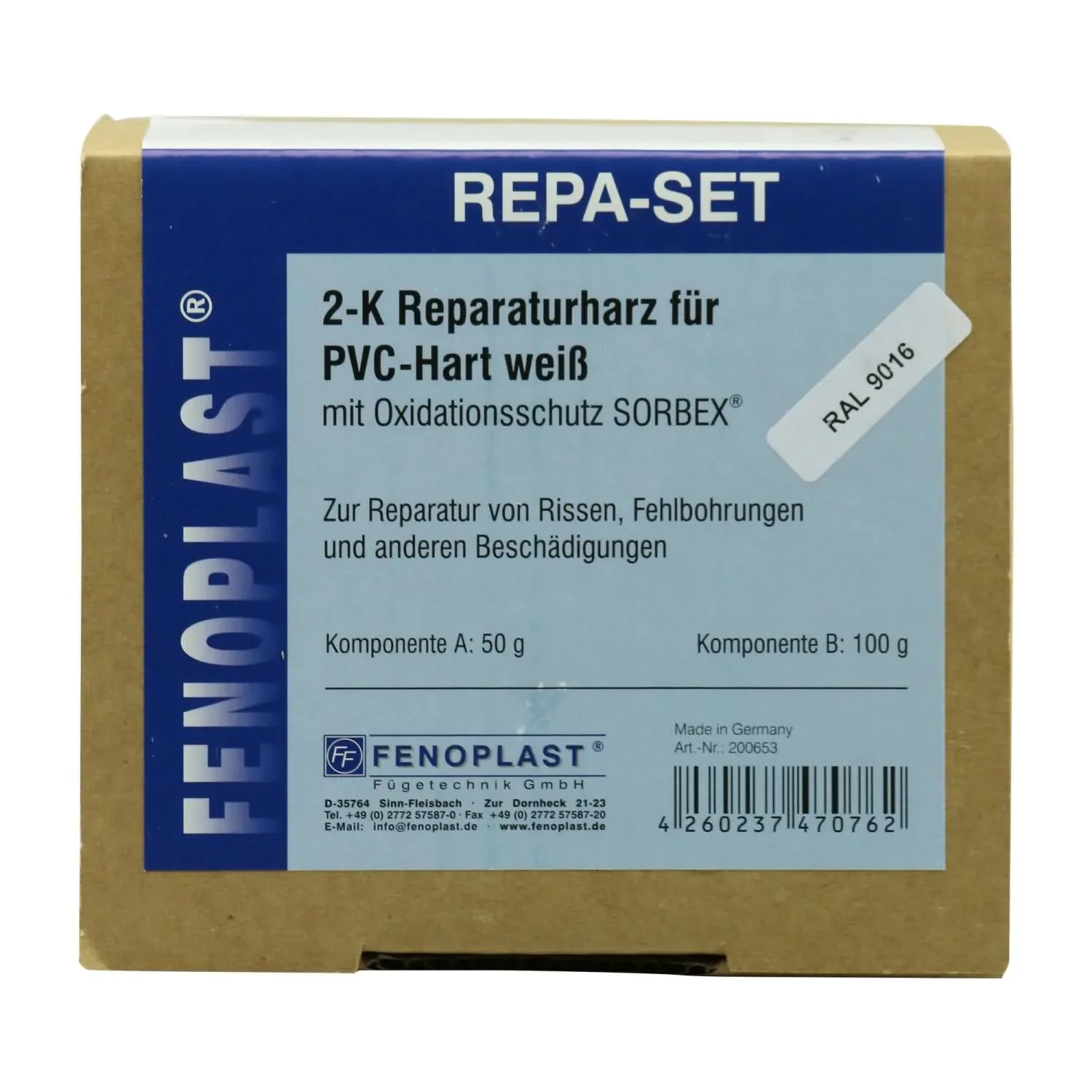
Forget simple filler compounds from the hardware store that become cracked or yellow after a short time. If you want a durable, hard-wearing and visually flawless repair, there is no getting around a high-quality two-component system. The is designed specifically for this purpose. It provides everything you need for a professional-quality repair.
What is 2K repair resin and how does it work?
The abbreviation "2K" stands for two components. Unlike 1K products, which cure when they come into contact with moisture in the air, 2K resin is based on a chemical reaction. The system always consists of two separate components:
- Component A: The resin - This is the base material, often epoxy-, polyurethane- or acrylate-based. It gives the filler its structure and color.
- Component B: The hardener - This component is the catalyst. Only when you mix it with the resin does an exothermic reaction begin, causing the material to cure.
Precisely mixing both components in a special mixing nozzle creates a homogeneous compound. This compound reacts and cross-links at the molecular level. The result is not simple drying, but a genuine chemical transformation. A new, extremely hard and durable plastic is created that bonds inseparably with the material of your window frame.
Cross-linking in a 2K system results in shrinkage of less than 1%. With air-drying 1K fillers, the solvent evaporates, causing significant material loss and sunken repair areas. That will not happen with 2K resin.
Why is 2K repair resin the superior choice for uPVC windows?
uPVC windows are constantly exposed to stress. Sun, rain, frost and mechanical strain from opening and closing take their toll on the material. A window filler must withstand these conditions. This is where 2K resin shows its strengths.
Extreme durability and strength
Once fully cured, 2K resin is as hard as the surrounding plastic. It does not become brittle, crack or lose its ability to withstand impacts and vibrations. The repaired area responds identically to the rest of the frame during temperature fluctuations, preventing stress cracks.
Weather and UV resistance
High-quality 2K resins like FENOPLAST are UV-stabilized. This means the repaired area will not yellow due to sunlight and will retain its color for years. It is also completely waterproof and unaffected by acid rain or aggressive urban air.
Chemical resistance
You can continue cleaning your windows with standard household cleaning products. The cured resin is resistant to most household chemicals, oils and fats.
Which damage can you repair with FENOPLAST?
Not every minor imperfection needs immediate repair. However, for certain types of damage, you should act to prevent consequential damage. The FENOPLAST kit is ideal for:
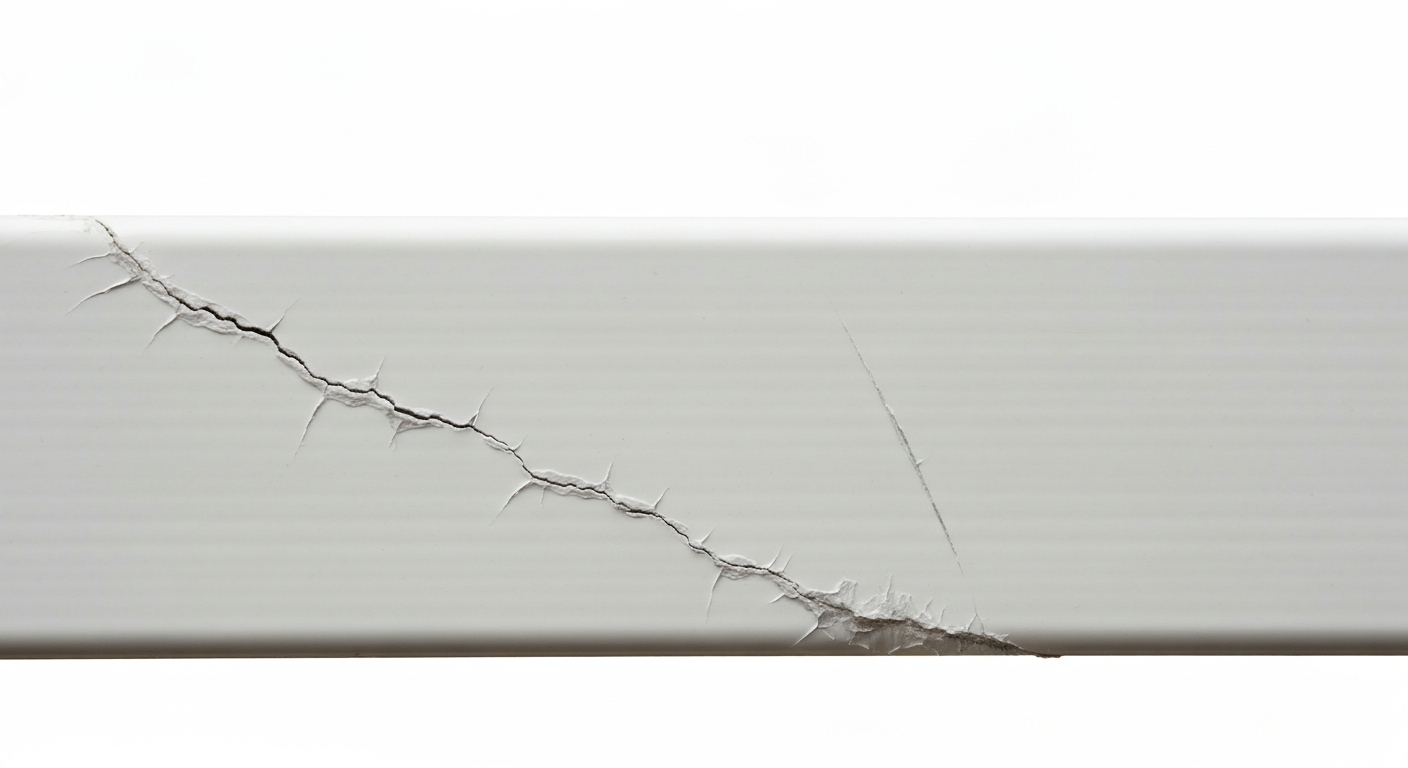
- Deep scratches: Surface scratches can often be polished. Deep scratches that catch your fingernail can be filled perfectly with 2K resin.
- Chipped corners and edges: One careless moment while moving furniture and a corner of the frame is damaged. With the resin, you can accurately recreate the original shape.
- Drill holes: Permanently and invisibly close old drill holes from blinds or decorations.
- Cracks in the profile: Smaller hairline cracks or even cracks all the way through (not in the glass!) can be stabilized and sealed to stop moisture from entering.
- Damage from attempted break-ins: Tool pry marks can be completely removed.
A quick repair is especially important when there are small children in the home, to eliminate the risk of injury. Safety at home is the top priority, from choosing the right complete kids' room set to maintaining the building's structural elements.
Step-by-step guide: How to use the FENOPLAST repair kit
With the right tools and good instructions, even beginners can carry out the repair successfully. The FENOPLAST kit is a well-designed system, similar to good organizers + sets in the workshop, where everything has its place.
Step 1: Perfect preparation
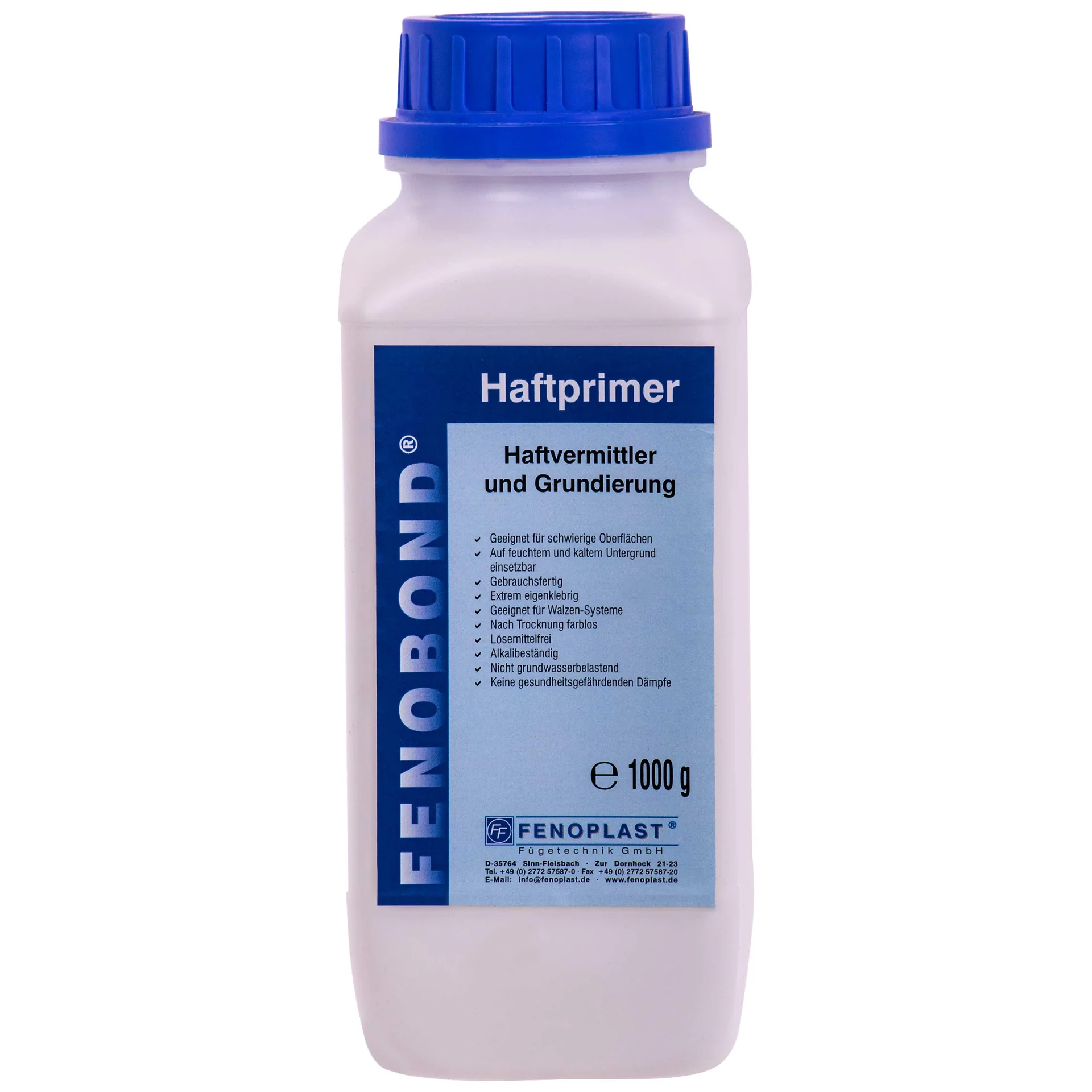
Thoroughly clean the damaged area to remove dirt, grease and loose particles. A special PVC cleaner and a lint-free cloth are ideal for this. Lightly roughen the repair area and its immediate surroundings with fine sandpaper (240 grit). This creates better mechanical adhesion. Then remove all dust. For maximum adhesion on difficult surfaces, a primer such as the .
Important note
Wear protective gloves and safety glasses throughout the entire process. The chemical components must not come into contact with your skin or eyes. Ensure good ventilation in the work area.
Step 2: Mix and apply the resin
Open the 2K cartridge and attach the supplied mixing nozzle. Place the cartridge in a standard caulking gun. Dispense the first few centimeters of material onto a piece of cardboard and discard it. This ensures that the resin and hardener come out of the nozzle mixed in the correct ratio. Now apply the material directly to the damaged area. Fill it slightly above the surface, as you will sand the material down later.
Step 3: Shape and cure
You can now roughly shape the resin using a small putty knife or scraper blade. For corners or edges, you can use adhesive tape to create a small "form". Allow the resin to cure according to the instructions. The curing time depends on the temperature.
Pro tip
At cooler temperatures, you can speed up curing by carefully warming the repaired area with a hair dryer. Keep a sufficient distance, however, to avoid damaging the plastic.
Step 4: Finishing for a perfect result
Once the resin has fully cured and hardened, you can begin fine-tuning the surface. First sand the excess filler with coarser sandpaper (e.g. 180-grit), then use increasingly finer sandpaper (up to 400-grit or finer) until the surface is perfectly even and smooth. Finally, you can polish the area to a high gloss using a suitable polish. The repair is now invisible.
The big comparison: 2K repair resin vs. other window fillers
There are various products on the market for repairs. However, a comparison quickly shows the superiority of the 2K system.
1K acrylic or dispersion filler: These products are inexpensive and easy to use. However, they only harden in contact with air, shrink considerably and are not particularly weather-resistant or durable. They are unsuitable for outdoor use.
Silicone or acrylic sealant: These materials are flexible and are designed to seal joints, not fill gaps or missing sections. They are too soft, cannot be sanded and often cannot be painted over. Trying to fill a drilled hole with them leaves an unattractive, rubbery surface.
Basic superglue or multipurpose adhesive: These adhesives are not designed to fill volume. They quickly become brittle, yellow under UV light and provide no structural strength.
Additional advice
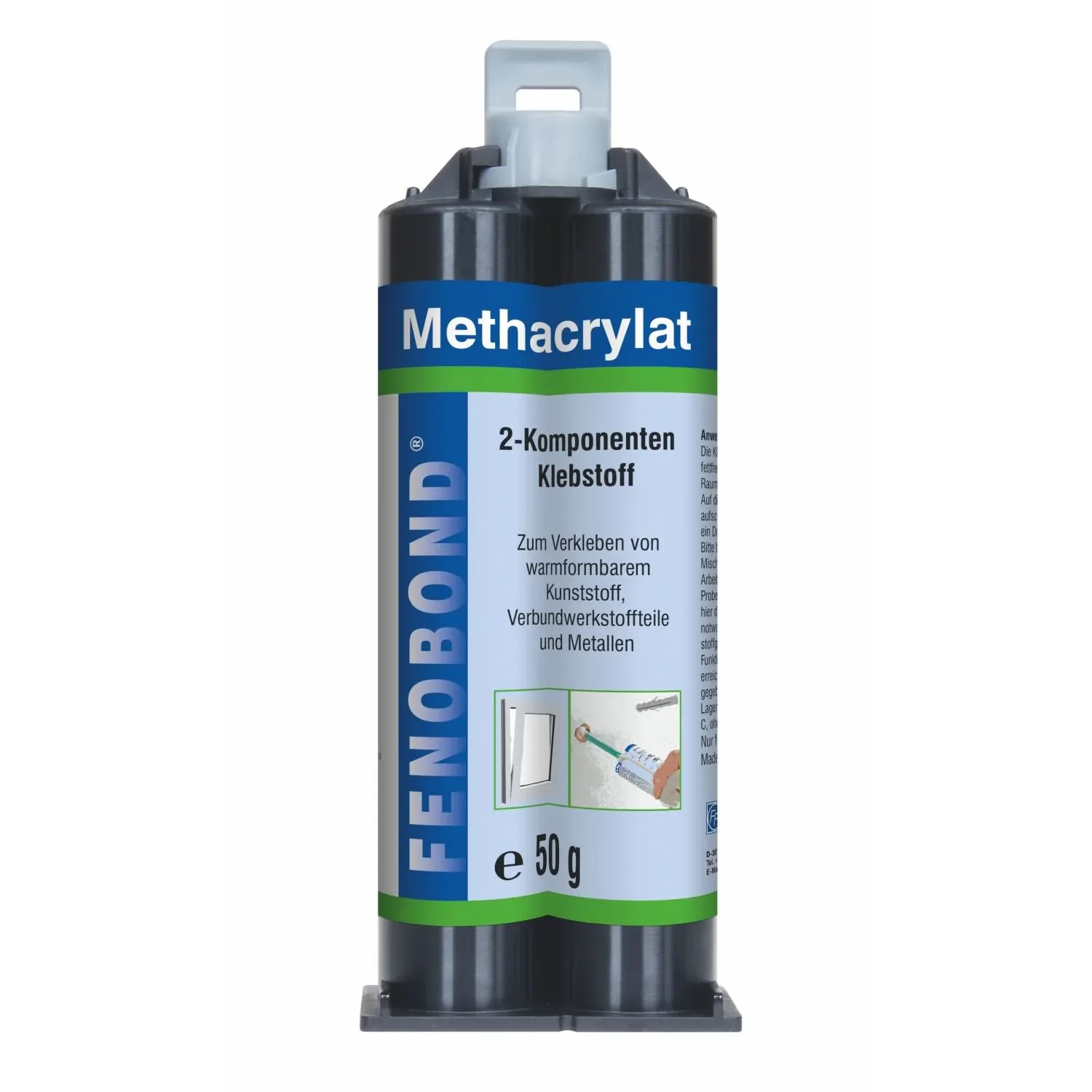
For structural bonds where two parts need to be joined securely, special 2K adhesives such as the are ideal. It offers even higher lap shear strength than repair resin.
Only 2K repair resin offers the combination of hardness, weather resistance, zero shrinkage and excellent finishing properties required for a professional window repair.
Which color is right? RAL 9016 vs. RAL 9010
Choosing the correct shade is crucial for an invisible repair. Most modern vinyl windows in Germany are finished in RAL 9016 (Traffic White). It is a very pure, neutral white without any colored undertone. The main product, the FENOPLAST Repair SET , is matched exactly to this shade.
Some, often somewhat older windows are finished in RAL 9010 (Pure White). This shade has a slight creamy, warm undertone. If you need this color, the is the right choice.
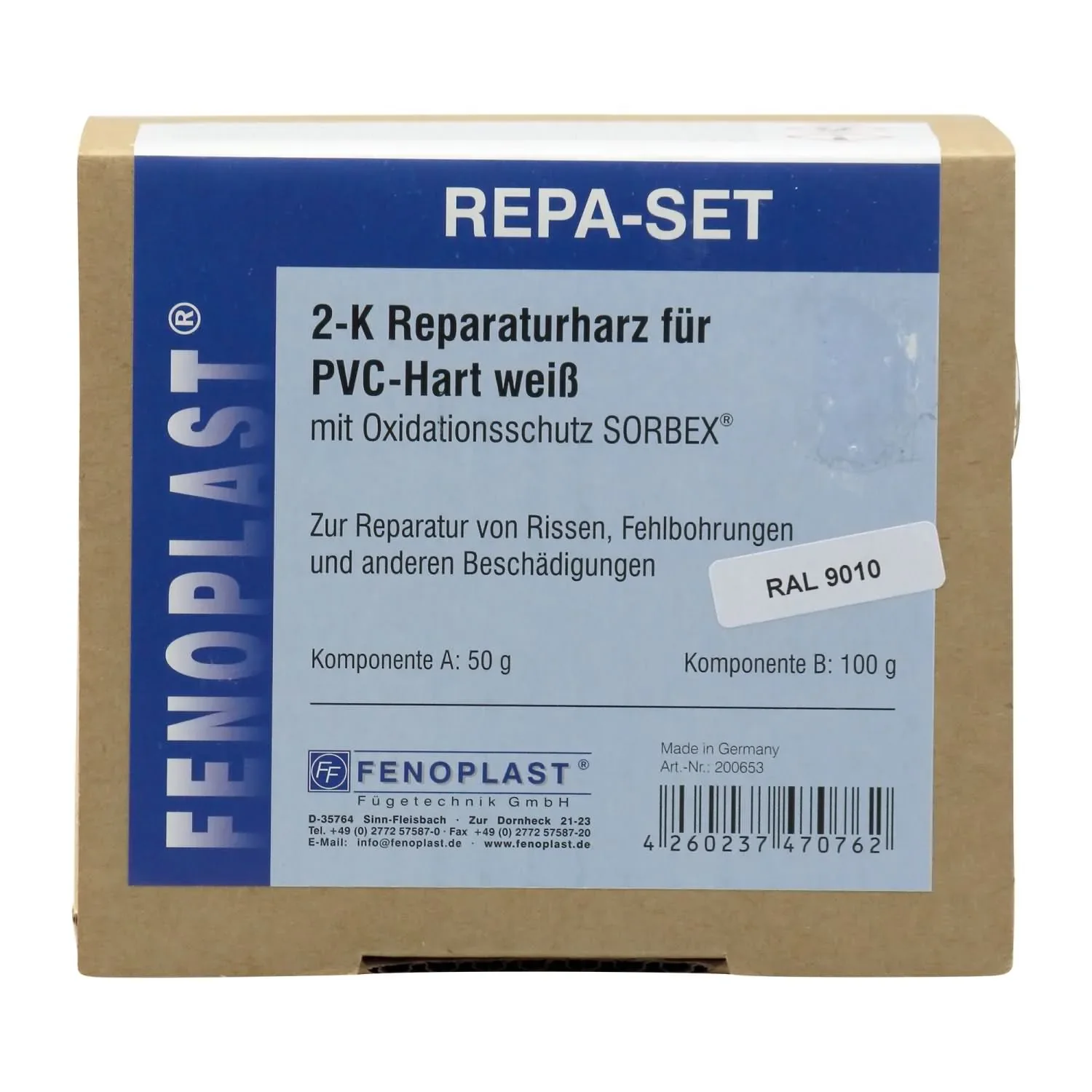
If in doubt, compare the color in daylight with a RAL color chart or a white sheet of paper. Choosing the right color is the final step toward a repair that even a professional cannot recognize at first glance. Taking care at this stage pays off, ensuring a result as perfect as a new set of baby security blankets in a crib.
A high-quality repair is more than just a cosmetic correction. It restores the window frame's full functionality, prevents moisture from entering and protects the value of your property for many years.
Invest in the right solution. With FENOPLAST 2K repair resin, you are choosing a long-lasting, durable and professional method for restoring your vinyl windows to like-new condition.
Frequently Asked Questions
- How long does it take for 2K repair resin to fully cure?
- The curing time depends on the ambient temperature. At room temperature, the resin can be sanded after about 15-30 minutes. The repaired area reaches full mechanical and chemical resistance after approximately 24 hours. Always check the manufacturer's instructions for precise curing times.
- Can I use FENOPLAST repair resin for other materials?
- Yes, FENOPLAST repair resin is ideal for rigid PVC, as used in vinyl windows. It also adheres to many other plastics and even aluminum. For unknown materials, always perform a small adhesion test in an inconspicuous area.
- Do I need to paint the repaired area after sanding?
- FENOPLAST repair resin is available in common window colors such as RAL 9016 (Traffic White). If you choose the right color, painting is often unnecessary. However, for a perfect finish or in case of slight color differences, you can paint over the area with a suitable paint.
- What is the difference between RAL 9016 and RAL 9010?
- RAL 9016, Traffic White, is a neutral, bright white and the most common color for modern vinyl windows. RAL 9010, Pure White, has a slight cream-colored undertone. Check the color of your windows before purchasing to ensure an invisible repair.
- How should I store opened cartridges of 2K repair resin?
- Immediately reseal the cartridge with the original cap after use. Remove the mixing nozzle, as the resin will cure inside it. Store the cartridge upright in a cool, dry, frost-free place. This keeps the product ready for the next repair.
You may also be interested in
- Repairing Vinyl Windows: Instructions for the FENOPLAST Kit
- Damage to Vinyl Windows: Repair or Replace?
- Synthetic Resin for DIY: Properties and Applications
- Liquid Vinyl or Repair Kit: Repairing Vinyl Flooring
- FENOSOL vs. WD-40: Which Spray Really Protects Your Window Hardware?
- Making Laminate Repairs Last: How to Keep the Filler in Place