
In brief: The best floodlight for you depends on how you plan to use it. For construction sites or large areas, high-output LED floodlights with high light output are ideal. For flexible use in the garden or during repairs, rechargeable floodlights with a power bank function offer major benefits. Pay particular attention to the ingress protection rating, colour temperature and mounting options.
Floodlight Test & Comparison 2026: Best Models Reviewed
Floodlights are versatile sources of light for outdoor areas, construction sites or large indoor spaces. In 2026, the trend towards efficient, durable and smart LED solutions continues. We compare the most important models and show you which floodlight is right for your project.
Contents
What types of floodlights are available?
There is a wide range of floodlights to choose from. In general, you can distinguish between models by their power supply, design and primary application.
Mains-powered floodlights
These classic models draw their power directly from a socket or a fixed installation. They generally offer the highest output and consistent brightness. They are the first choice for permanent installations on buildings, car parks or in warehouses. The range of lighting for mains operation is particularly extensive.
Rechargeable floodlights
Rechargeable floodlights are becoming increasingly popular. They offer maximum flexibility and independence. Modern lithium-ion batteries last a long time and charge quickly. A top model such as the
goes even further and includes a power bank, allowing you to charge other devices too. Ideal for tradespeople or use without a power connection in the garden.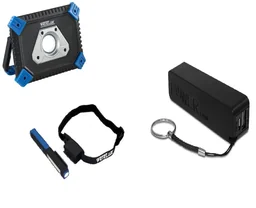
High-output floodlights
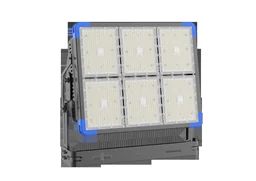
High-output floodlights are indispensable for commercial applications, large construction sites or sports grounds. They produce extremely high luminous fluxes, often over 50,000 lumens, and evenly illuminate areas covering several hundred square metres. One example is the powerful
.
Buying criteria compared
When buying, you should compare several technical features directly. They determine the output, service life and suitability of a floodlight.
Light output and efficiency
Brightness is measured in lumens (lm). The higher the value, the brighter the floodlight. Efficiency describes how many lumens are produced per watt of electrical power. Modern LED floodlights are very efficient in this respect. 2000-3000 lumens are often sufficient for a garage, while a construction site can quickly require more than 50,000 lumens.
Ingress protection rating (IP)
The IP rating indicates how well the housing is protected against foreign bodies and water. For outdoor use, IP54 is the absolute minimum. IP65 is recommended for permanent installations because it provides dust-tight protection and protection against water jets. All the models we compared for outdoor use meet these requirements.
Colour temperature
Colour temperature, measured in Kelvin, determines the colour of the light. Warm white (below 3300K) creates a cosy atmosphere, while neutral to cool white (4000K-6500K) is practical and promotes concentration. Cooler light is often beneficial in work areas.
Tip: Combine different floodlights. Use cool white light for the work area on the patio and warm white light for the seating area. This creates functional and pleasant lighting zones.
Comparison of the best floodlights 2026
To make your decision easier, we have compared the most important models. The following table summarises the key features.
The highest-rated floodlights in our range compared directly:
| Model | Customer rating | Availability |
|---|---|---|
| COB-LED rechargeable floodlight with power bank + work light and headlamp + power bank | – | Currently unavailable |
| ECO floodlight with 20 watts, 4000 Kelvin, IP65 | – | Currently unavailable |
| Energyline XL 1080W LED high-output floodlight 151.200 lumens, 25m cable | – | Currently unavailable |
| Energyline XL 540W LED high-output floodlight 75.600 lumens, 10m cable | – | Currently unavailable |
| Floodlight with alarm siren and remote control | – | Currently unavailable |
The table shows the range of available floodlights. From compact rechargeable models to professional high-output floodlights, there is a suitable product for every requirement.
Selected top models in detail
In addition to the products mentioned above, other models deserve particular attention. The
with an integrated alarm siren and remote control offers a high level of security and convenience. You can switch it on from a distance or trigger an audible alarm in an emergency.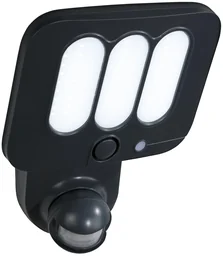
Important: When installing mains-powered floodlights, always ensure that you comply with local electrical regulations. Work on fixed wiring should only be carried out by a qualified electrician.
Detailed Areas of Use
Choosing the right floodlight depends largely on where you plan to use it.
Garden and Patio
Here, aesthetics and functionality are the main priorities. Floodlights with a warm light colour create an inviting atmosphere. Choose models with precise beam control to highlight trees or façades without disturbing your neighbours. A good IP rating (IP65) is essential.
Construction Sites and Commercial Use
Durability, high light output and reliability are crucial. Large-area floodlights like the or its smaller counterpart
can fully illuminate large areas. Long cables or battery-powered operation are major advantages here.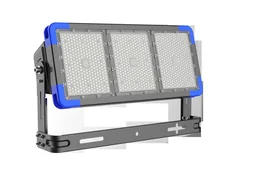
Garage and Workshop
In indoor spaces, even, bright white illumination without shadows is the priority. Floodlights with a wide beam angle and a colour temperature of 4000-5000 Kelvin are ideal. They reduce eye strain and improve workplace safety.
Installation and Connection
The installation method has a major impact on how the light can be used. Most floodlights offer several options.
- Wall mounting: The most common option. Make sure the brackets are sturdy and use suitable, rust-resistant fixings.
- Pole or post mounting: Ideal for illuminating the centre of a property. You will need a stable pole.
- Ground spike: Practical for temporary garden use, but offers less stability in windy conditions.
When connecting mains-powered devices, a residual-current device (RCD) is essential for safety, especially outdoors.
Note: Plan the cabling for mains-powered floodlights before installation. Install conduits to keep your options open later. This makes it easy to replace or extend cables if you expand your lighting setup.
Care and Maintenance
LED floodlights require very little maintenance. Nevertheless, a few simple measures can extend their service life.
Regularly clean the cover with a soft, damp cloth to remove dust, bird droppings or insects. Do not use aggressive cleaning products. For battery-powered models, occasionally check that the contacts are clean. For mains-powered devices, inspect the mounting and seals at regular intervals.
The entire world of technology offers many reliable solutions, and floodlights are an essential part of it.
Conclusion and Buying Recommendation
The floodlight market offers the right solution for every application in 2026. Your choice depends on your budget, the level of convenience you want and the primary purpose.
For maximum flexibility and modern features, the is an excellent choice thanks to its battery-powered operation and power bank function. For professional use on construction sites or illuminating very large areas, there is no getting around a powerful large-area floodlight such as the . Anyone who also values safety features will find a convincing package in the with alarm siren.
Think carefully about where and how often you will use the floodlight. Invest in quality, the right IP rating and suitable light output. This will give you years of reliable service from a dependable helper that always lights your way.
Frequently Asked Questions
- What IP rating does a floodlight need for outdoor use?
- For permanent outdoor use, at least IP54 is recommended, as it protects against splashing water and dust. For areas exposed to more intense watering or direct weather, choose IP65. This rating provides full protection against water jets and is ideal for most garden and façade applications.
- Is a higher colour temperature always better for floodlights?
- No, the right colour temperature depends on how the light will be used. Cool white light (from 4000 Kelvin) has a functional appearance and improves contrast, making it ideal for work areas. Warm white light (below 3000 Kelvin) creates a cosy atmosphere and is better suited to residential areas. Choose according to the mood and function you want.
- Can I use a battery-powered floodlight as permanent lighting?
- Yes, many modern battery-powered floodlights such as PRODUCT_115751 offer a mains adapter option or can be charged continuously. This gives you maximum flexibility: use the light on the move and place it in a fixed location when needed. Make sure the battery life is sufficient and that the charging options suit your needs.
- How do I calculate the light output I need for my area?
- As a general guide, allow 100 to 150 lumens per square metre for good general illumination. Work surfaces or particularly bright areas may require 200 lumens or more. Multiply the area by this value to estimate the approximate light requirement. A floodlight with a higher lumen rating gives you more headroom.
- What are the advantages of LED floodlights over halogen models?
- LED floodlights use significantly less energy while providing the same or greater brightness, have an extremely long service life and produce very little heat. They reach full brightness instantly, can be dimmed and offer better colour rendering. The higher purchase price is quickly offset by lower running costs.