
In brief: Choosing the right fly trap depends on where it will be used and how severe the infestation is. For outdoor agricultural areas, robust large-capacity traps with attractants are suitable, while compact sticky traps or UV light traps are useful in stables or homes. Our test shows that combining an attractant with mechanical capture delivers the highest success rate.
Flies are more than an annoying buzz. They transmit diseases, put animals under strain and can cause financial losses in agriculture. The right fly trap can make a decisive difference. Our 2026 test and comparison shows you which models are genuinely effective and what to look for when buying.
We examined various systems, from simple sticky traps and bait systems to electronic options. The results will help you find the right solution for your needs, whether in an agricultural business, a stable or a private home.
Table of contents
What types of fly traps are available?
Fly traps work according to different principles. The type you choose has a major impact on how successful it will be.
Sticky traps and fly ribbons
These classic traps use a sticky surface that flies become attached to. They are inexpensive and do not use chemicals. One disadvantage is the visible result, which not everyone considers aesthetically pleasing. They are well suited to areas with low fly activity or as an additional measure.
Bait traps with attractant
These traps attract flies with a special scent. The insects crawl or fly into a container from which they cannot escape. Their effectiveness depends heavily on the quality of the bait. They are particularly suitable for outdoor use, for example in pest control around stables.
One example of this type of system is the "Easy Cup" fly trap.
It works according to this principle and is designed for use in agricultural environments.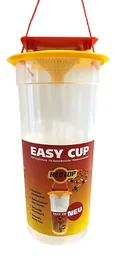
UV light traps
Electronic traps use ultraviolet light to attract flying insects. The insects are then killed by an electric shock or caught on a sticky board. These devices require power but are very hygienic, as they usually eliminate the insects completely. They are ideal for food businesses or enclosed spaces.
Fly killers with attractant
Here, an attractant is purchased separately and used in a suitable trap. This gives you flexibility. One such attractant is, for example, the
. Please note that you need a suitable trap for use.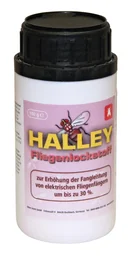
Tip: Combine different types of traps! Use bait traps outdoors as your "first line of defence" and use discreet sticky traps or UV devices indoors to deal with flies that get through.
Buying advice: What should you look for?
Before buying a fly trap, you should clarify a few key points.
Location and size: Measure the area you want to protect. A large patio or stable requires a different trap size and number of traps than a small garden shed.
Severity of infestation: Is it an occasional problem or a serious infestation? Heavy infestations require large-capacity traps with effective attractants.
Environment: Will the trap be exposed to rain? If so, it must be weatherproof. Are children or pets nearby? Traps with exposed sticky surfaces or poisonous baits are not suitable.
Maintenance: Consider how often you are prepared to empty the trap or refill the bait. Some models require virtually no maintenance for a season, while others need regular checks.
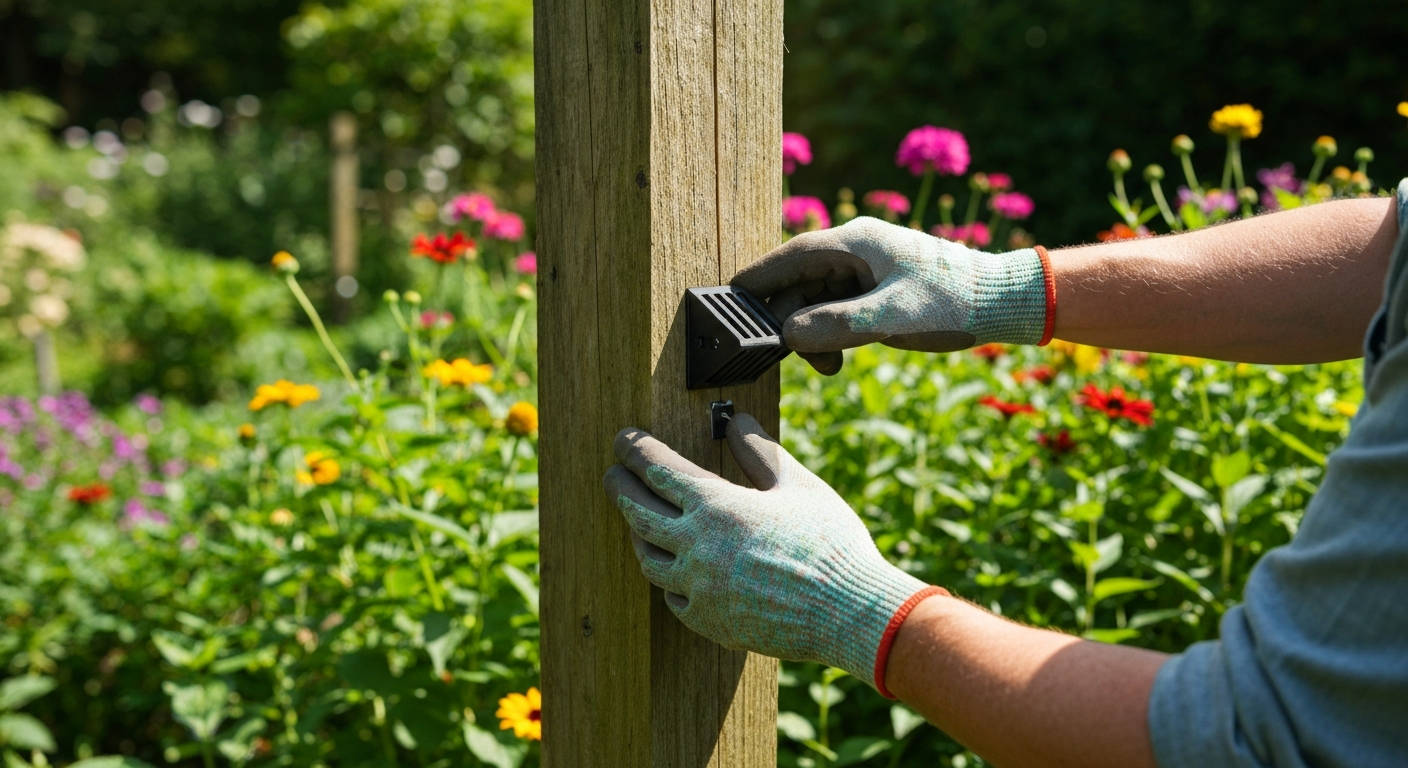
Test & Comparison of the Best Fly Traps
In our practical test, we examined various models for everyday suitability and catch rate.
The most highly rated fly traps in our range compared directly:
| Model | Customer rating | Availability |
|---|---|---|
| Fly Trap "Easy Cup" 🏆 Test winner | ★ 4,8 (19) | In stock |
| Attractant for Fly Killer, Halley, 100 g | – | Currently unavailable |
| AzametiFly Bait Granules 2000g | – | Currently unavailable |
| AzametiFly Bait Granules 400 g | – | Currently unavailable |
| Bait, twin pack for 974085 Fly Trap "Easy Cup" | – | Currently unavailable |
The table gives you a quick overview of the most important features. Below, we take a closer look at selected models.
Bait Traps in Practical Testing
Bait traps such as the aforementioned "Easy Cup" () impress with their easy handling and high catch rate outdoors. It is important to place them in sunny, sheltered locations in the flight path of the insects. Combining them with a strong attractant such as can further increase their effectiveness.
Warning: Never use bait traps in enclosed living spaces! The attractants are specially designed to lure flies over long distances and may therefore attract even more insects into your home. Always place them away from living and sleeping areas.
Specialist Traps for Horseflies and Biting Flies
For controlling horseflies, which are particularly troublesome for grazing animals, there are specialist traps such as the "Taon-X Mini" horsefly trap
. These mimic the silhouette and movement of a host animal and offer an effective, targeted solution.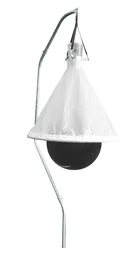
Using and Placing Fly Traps in Everyday Situations
The best place for a fly trap is not always the most obvious one.
Outdoors: Hang or place bait traps at some distance (5-10 metres) from the areas you want to protect. Flies are attracted by the bait and do not get close to your patio or stable in the first place. South-facing locations with morning sun are ideal.
Stables: Place traps along entry routes, such as in front of windows, doors and ventilation openings. Make sure that animals cannot reach or knock them over.
Indoors: Place glue traps or UV fly traps directly by windows or other light sources, as flies are drawn to them. Avoid placing them above dining tables or near food.
Note: A trap does not take effect immediately. It may take several days for the attractant to reach its full range and for the fly population to recognise the trap as a target. Be patient before assessing its effectiveness.
Maintaining and Disposing of Fly Traps
A well-maintained trap is an effective trap.
Empty traps regularly before they are full. An overfilled trap loses its appeal and effectiveness. Wear gloves when disposing of them. Closed trap containers can be disposed of in household waste.
At the end of the season, clean reusable traps thoroughly with water and soap to remove attractant residue and odours. This helps prevent birds or other animals from tampering with the trap the following year.
Alternatives and Combination Options
Fly traps are one part of fly control. For lasting results, combine them with other measures.
Maintain good hygiene. Remove breeding sites such as rotting organic material, manure heaps or stagnant water nearby. This is the most effective form of prevention.
Use physical barriers such as fly screens on doors and windows. In stables, air curtains or special fly strips can help.
Consistent use of fly traps as part of an overall strategy leads to lasting success.
Conclusion: Choosing the Best Option
There is no single ideal fly trap for every situation. For agricultural outdoor areas, robust bait traps such as are the first choice. For a specific infestation involving biting insects, a specialist trap such as may be useful. For indoor areas or sensitive zones, hygienic UV fly traps or discreet glue systems are preferable.
Choose based on your specific needs, the location and the maintenance required. A well-planned strategy with the right trap in the right place will reliably free you from a fly infestation while protecting your animals, crops and quality of life.
Frequently Asked Questions
- Which fly trap is best for a horse stable?
- For horse stables, robust large-capacity traps with a special attractant are ideal. They catch many flies at once and are suitable for continuous use in damp environments. Make sure they are hung securely and out of the animals' reach.
- Are UV fly traps suitable for the food industry?
- Yes, specialist UV fly traps with catch bags are approved for sensitive areas such as food processing. They work without chemicals and are hygienic. Choose industrial models with the relevant certifications.
- How often do I need to change the bait in a fly trap?
- The replacement interval depends on the type of bait. Liquid baits often last 2-4 weeks, while granules last longer. Replace the bait when the catch rate decreases or it becomes dirty. Follow the manufacturer's instructions.
- Can I use a fly trap indoors?
- For indoor areas, discreet glue traps or small UV devices without bait odour are suitable. Place them by windows or light sources. Avoid strongly scented baits in living spaces.
- What should I do with a full fly trap?
- Dispose of closed trap containers in household waste. Fold up glue traps and throw them away. Clean reusable traps with gloves and soapy water. Avoid skin contact.
You may also be interested in
- Electric Insect Killer Test & Comparison 2026
- Buy a Fly Killer: The Ultimate Guide for 2024
- Fan Test & Comparison 2026
- Electric Fly Killer vs. Glue Trap: The Ultimate Comparison
- Compact Loader Test & Comparison 2026: The Best Models Reviewed
- How to Get Rid of Fruit Flies Effectively: Home Remedies and Traps