
In brief: Foam glass is a mineral insulation material made from recycled glass. At high temperatures, crushed glass expands into a lightweight, highly insulating granulate. It is noncombustible, pressure-resistant, rot-proof and resistant to pests. It is suitable for foundation insulation, roof assemblies and loose-fill applications.
Foam Glass: An Innovative Insulation Material for Building Projects
Planning a renovation or new build? Choosing the right insulation material affects energy efficiency, comfort and sustainability. Foam glass is a versatile, durable option. This article explains what foam glass is, where you can use it and what benefits it offers.
What exactly is foam glass?
Foam glass is a mineral insulation material made from recycled glass, usually from bottles or window panes. The glass is crushed, cleaned and put through a special foaming process.
In a rotary kiln heated to around 900 degrees Celsius, the glass granules expand. This creates a stable, porous granulate with a closed-cell structure. The granulate is sold as loose fill or made into rigid boards or molded components.
Making foam glass gives recycled glass a new use. The result is a durable building material with outstanding properties.
“Foam glass brings sustainability and performance together. Waste becomes a high-quality, durable insulation material that protects buildings for generations.”
What are the benefits of foam glass insulation?
Its material properties make foam glass a good fit for many applications. It is versatile and long-lasting.
High compressive strength and dimensional stability
Foam glass boards can withstand heavy loads without settling. This makes them ideal for insulating beneath ground slabs, patios or flat roofs. Even beneath driveways and other paved surfaces, they maintain their insulating performance.
Completely resistant to moisture
The material repels water and breaks capillary action, so it does not absorb water. As a result, it retains its insulating performance in wet soil and during driving rain. You can install it directly in the ground.
Noncombustible and resistant to pests
Foam glass is mineral-based and therefore noncombustible (building material class A1). It does not provide a breeding ground for mold, algae or pests. Mice and rats cannot gnaw through it. This helps maintain a hygienic, safe environment.
Expert tip
When installing foundation insulation, pair foam glass boards with a professionally installed plastic waterproofing membrane. This gives your foundation added protection against moisture and cold. Make sure all joints are continuously sealed.
Where can I use foam glass in and around my home?
Foam glass can be used from the foundation to the roof. Its two main forms—loose fill and boards—determine where it works best.
Building envelope insulation: foundation and ground slab
Boards are used for foundation insulation. They insulate the exterior of below-grade basement walls and are installed beneath the ground slab. This helps prevent thermal bridging and protects against rising damp. For all your plumbing and insulation needs, you will find suitable accessories in our selection.
Roof insulation and flat-roof construction
Foam glass works well as a load-distributing layer beneath green roofs or gravel. It provides insulation and drainage, and resists root penetration. On pitched roofs, the granulate can be used as loose fill in cavities or between rafters.
Loose fill for cavities and beneath floor screed
Pour the granulate into cavity ceilings or into the floor assembly beneath the screed. It provides excellent insulation against impact noise and heat loss. It is easy to install and produces little dust.
“Foam glass is especially effective in existing buildings. It can be blown into existing cavities, works with older building materials and provides long-lasting retrofit insulation without major construction work.”
How sustainable is foam glass?
Foam glass has several environmental benefits. It helps address the problem of construction and glass waste.
Its high recycled content conserves natural resources such as sand and crude oil. The building material itself is 100% recyclable. After removal, it can be melted down and processed into new insulation granulate.
With a service life of over 50 years and no loss of performance, foam glass can save resources by reducing the need for replacement. Its resistance to moisture also helps prevent building damage and costly repairs.
Important note
When installing loose-fill foam glass, always use a sheet or tarp as a separating layer. This keeps fine dust out of living areas and prevents the granulate from mixing with other layers.
Foam glass for gardening and landscaping
You can also put its benefits to work outdoors. In the garden, foam glass can serve several purposes at once.
As a drainage layer beneath patio pavers, it channels water away and helps prevent frost damage. In raised beds, it provides mineral, rot-proof drainage. For gardening, our selection has all the tools you need.
You can also use it as a lightweight filler for gabions or as a growing medium for extensive green roofs. Its neutral properties are safe for plants.
How much does foam glass cost compared with other insulation?
Foam glass is in the mid-to-high price range for insulation materials. Its material costs are higher than those of conventional EPS (polystyrene).
However, you are investing in an exceptionally durable, maintenance-free solution. Lower heating bills and fewer repair costs can make the investment pay off over time. Consider the total cost over the building’s service life.
Additional advice
Always ask your building materials supplier for the technical data sheets. Compare thermal conductivity (lambda value), compressive strength and building material class. This will help you make an informed decision for your project.
Conclusion: Who is foam glass suitable for?
Foam glass is a good choice for builders who value durability and sustainability. It is especially suitable for building components in contact with the ground, areas exposed to moisture and locations subject to heavy mechanical loads.
If you’re looking for a durable, damage-resistant and environmentally friendly building material, foam glass is an excellent option. It reliably protects your home from cold and moisture while helping maintain a healthy indoor climate.
For practical work on the jobsite, our building tools range has everything you need. Our products support you from planning through to completion.
Products for your insulation project
Flexible pipe insulation is ideal for insulating heating and water pipes. It minimises heat loss and prevents condensation.
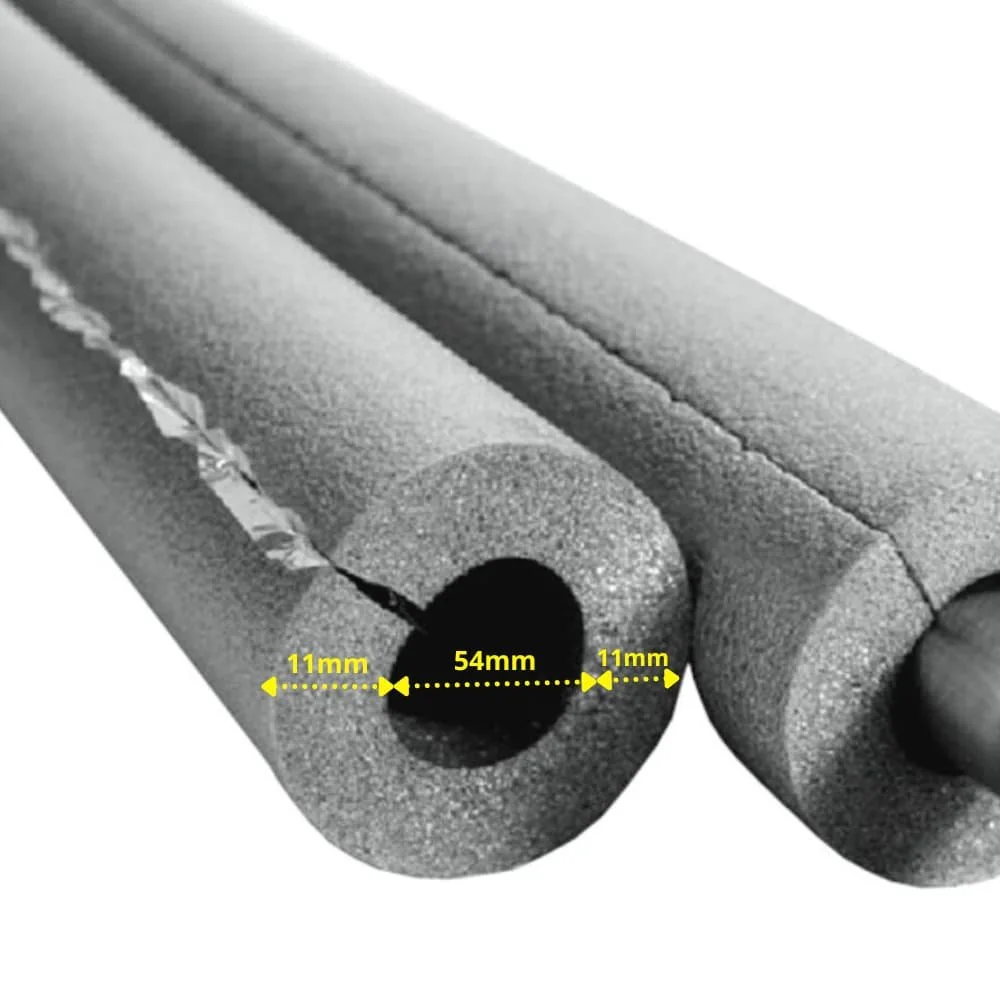
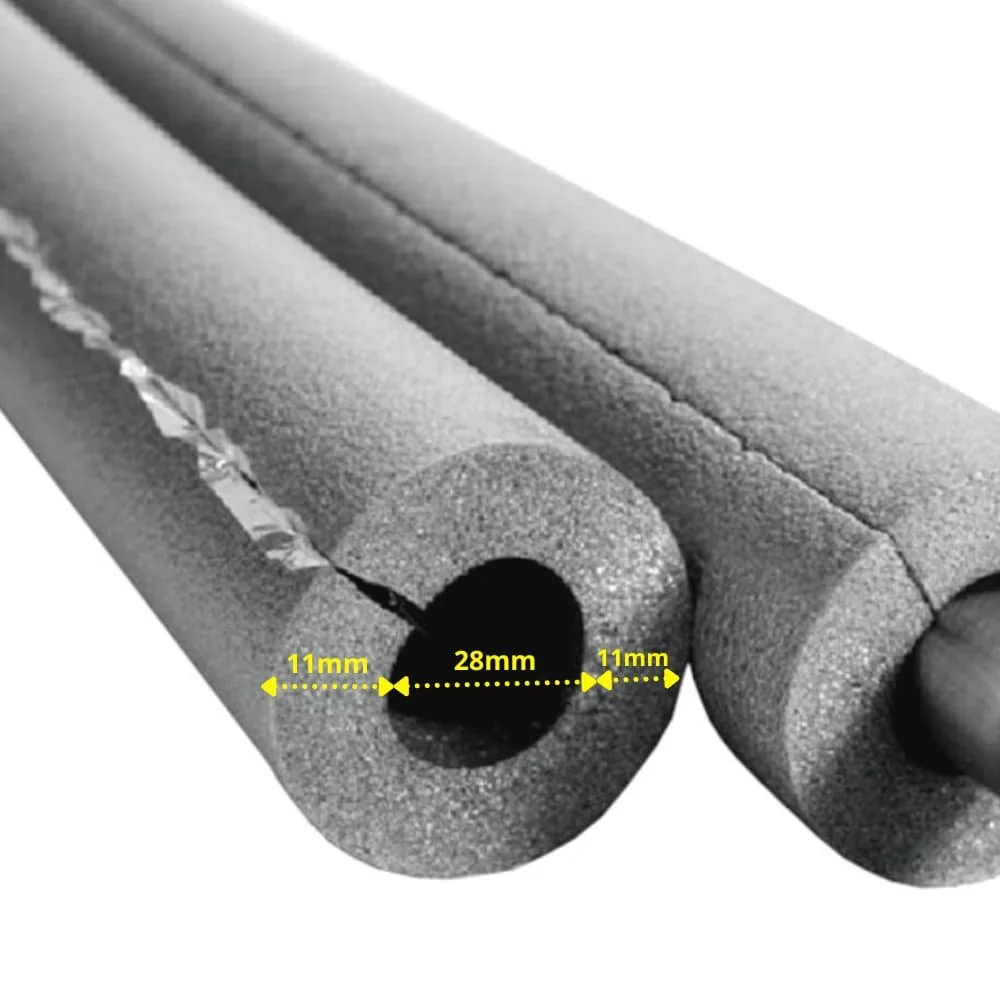
For all other materials for professional pipe insulation, visit our pipe insulation category.
Frequently asked questions
- Is foam glass sustainable?
- Yes, foam glass is considered highly sustainable. It is made from more than 80% recycled waste glass, often sourced from the Green Dot recycling system. Manufacturing requires energy, but foam glass’s long service life, reusability and contribution to a circular material cycle make it an environmentally friendly building material.
- Where can I use foam glass in home construction?
- Foam glass granules are often used as loose-fill insulation in cavities in floor slabs, beneath screeds or in roof structures. In board form, foam glass is suitable for perimeter insulation around foundations. It can also be used as insulation in timber-frame walls or on green roofs.
- How effective is foam glass as insulation?
- The thermal conductivity (lambda value) of foam glass is between 0.065 and 0.085 W/(mK). This gives it good insulating properties, comparable to other mineral insulation materials. However, for very high efficiency standards such as passive houses, you will often need thicker layers than with high-performance insulation materials.
- Can I install foam glass myself?
- You can install loose-fill foam glass granules yourself for small projects. Make sure they are spread evenly and that you use the recommended fill depth. Because proper installation and sealing are essential, foam glass boards for perimeter insulation should be installed by a professional.
- Is foam glass suitable for gardens?
- Yes, foam glass granules are excellent for garden use. You can use them as a drainage layer beneath patio slabs or paths. They prevent waterlogging, help suppress weeds and are frost-resistant. They are also used as a mineral substrate in raised garden beds or on green roofs.
You may also be interested in
- Insulation materials at a glance: Efficient building and renovation
- Which insulation material is best for insulating a house?
- Building materials at a glance: Choosing the right option for your project
- Glass-glass solar modules: A robust solution for your solar installation
- How to insulate your attic: Costs and best methods
- How to choose and use expanding foam: A guide