
Kurz erklärt: Der Test zeigt, dass die Wahl des richtigen Forstwirtschaftsgeräts von Ihrer konkreten Aufgabe abhängt. Für schwere Zug- und Rückschlarbeiten sind robuste 2-Strang Ketten wie die PRODUCT_132086 unverzichtbar. Bei der Holzbearbeitung punkten Werkzeuge wie die PRODUCT_119365 mit ergonomischer Kraftübertragung. Für sicheres Spalten sind Keile wie der PRODUCT_103245 erste Wahl. Wir vergleichen die besten Produkte und zeigen Ihnen, worauf Sie achten müssen.
Für sichere und effiziente Waldarbeit benötigen Sie das richtige Werkzeug. Ob Sie Holz rücken, spalten oder entasten: Jede Aufgabe stellt spezifische Anforderungen an Ihre Ausrüstung. Unser Test und Vergleich für 2026 zeigt Ihnen, welche Forstwirtschaftsgeräte aktuell überzeugen und worauf Sie beim Kauf achten sollten. Wir stellen Produkte wie Zugketten, Keile und Handwerkzeuge auf den Prüfstand und geben Ihnen eine fundierte Kaufberatung an die Hand.
Inhaltsverzeichnis
Welche Forstkette ist die richtige?
Forstketten sind das Rückgrat beim Holzrücken. Sie verbinden den Schlepper mit dem Stamm und müssen enorme Kräfte aushalten. Die wichtigsten Unterscheidungsmerkmale sind die Nenndicke, die Länge und die Art der Endverbindung.
2-Strang Ketten im Detail
2-Strang Ketten bieten eine stabile und sichere Verbindung. Sie liegen besser am Stamm an und verhindern ein Verrutschen. Die Nenndicke, beispielsweise 8 mm (GK8), gibt Aufschluss über die Zugfestigkeit. Eine dickere Kette hält höheren Belastungen stand.
Vorteile einer 2-Strang Kette:
- Hohe Stabilität: Zwei Stränge verteilen die Last gleichmäßig.
- Besseres Liegen am Holz: Reduziert die Gefahr des Abrutschens.
- Längere Haltbarkeit: Durch robuste Konstruktion.
Die Länge ist entscheidend für den Arbeitskomfort. Eine 4-Meter-Kette wie die bietet mehr Flexibilität bei der Positionierung des Schleppers. Kürzere Ketten sind handlicher und leichter. Achten Sie auf einen sicheren Gabelkopfhaken, der ein einfaches und sicheres Einhaken ermöglicht.
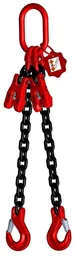
Tipp: Prüfen Sie vor dem Kauf, ob Ihre Zugmaschine über die passenden Anschlüsse für den Gabelkopfhaken verfügt. Die Kette sollte stets zur Leistungsklasse Ihres Schleppers passen.
Keile für sicheres und effizientes Spalten
Keile sind unverzichtbar, um einen Schnitt zu öffnen oder einen Stamm zu spalten. Sie verhindern, dass sich die Motorsägenkette im Holz verkantet und entlasten so die Säge.
Massivkeil vs. Nachsetzkeil
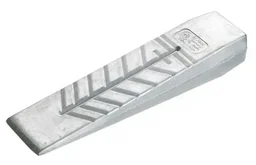
Ein Alu-Massivkeil wie der ist das kraftvolle Werkzeug zum Spalten. Sein Gewicht von 550 Gramm überträgt die Schlagenergie optimal auf das Holz. Die massive Bauweise macht ihn extrem robust und langlebig. Er eignet sich perfekt für hartes Holz und große Stammdurchmesser.
Nachsetzkeile aus Polyamid sind leichter und werden primär zum Lenken des Sägeschnitts eingesetzt. Sie schonen die Sägekette, da sie aus weicherem Material bestehen. Für reine Spaltarbeiten sind sie weniger geeignet.
Wichtig: Schlagen Sie niemals mit der Axt auf einen Stahlkeil. Nutzen Sie immer einen speziellen Schlagkopf oder einen Fällhammer. Das verhindert gefährliche Absprengungen.
Axt und Beil im Vergleich
Handwerkzeuge wie Axt und Beil ergänzen die motorbetriebenen Geräte. Sie sind leise, zuverlässig und erfordern kein Betriebsmittel.
Die richtige Axt für kraftvolle Schläge
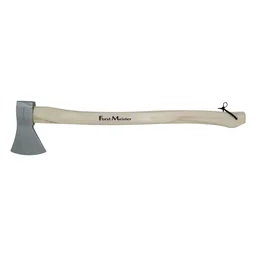
Eine Forstaxt nach DIN 7294, wie die , ist für schwere Arbeiten konzipiert. Der lange Eschegriff ermöglicht eine kraftvolle Schwungbewegung. Die Schneide ist für das Durchtrennen von Holzfasern optimiert. Sie ist das ideale Werkzeug zum Fällen kleiner Bäume, zum Entasten und zum groben Spalten.
Das Beil für präzise Arbeiten
Ein Beil ist kürzer und damit besser kontrollierbar. Es eignet sich hervorragend für Feinarbeiten, das Entfernen von Ästen oder das Zerkleinern von Anmachholz. Ein ergonomischer Griff, wie er bei Qualitätsbeilen Standard ist, beugt Ermüdung vor.
Hinweis: Schärfen Sie Schneidwerkzeuge regelmäßig. Eine scharfe Axt oder ein scharfes Beil ist nicht nur effizienter, sondern auch sicherer, da es weniger Kraftaufwand erfordert und kontrollierbarer ist.
Praxishelfer für die Holzarbeit
Neben den Kerngeräten gibt es hilfreiches Zubehör, das Ihre Arbeit erleichtert.
Ein Sägebock, beispielsweise, hält Stämme in einer sicheren und ergonomischen Arbeitshöhe. Das entlastet Ihren Rücken und ermöglicht präzise Schnitte. Er ist eine sinnvolle Investition, wenn Sie regelmäßig Holz von Hand sägen.
Denken Sie auch an Schutzausrüstung wie Schnittschutzhose, Sicherheitsschuhe, Helm mit Gehör- und Gesichtsschutz und Handschuhe. Diese finden Sie im umfangreichen Sortiment für die Landwirtschaft.
Kaufberatung: Worauf Sie wirklich achten müssen
Die Auswahl des richtigen Geräts hängt von Ihren konkreten Anforderungen ab. Stellen Sie sich diese Fragen vor dem Kauf:
- Welche Hauptaufgabe hat das Werkzeug? (Rücken, Spalten, Entasten)
- Mit welchen Holzarten und -dimensionen arbeite ich?
- Welche Leistung hat meine Zugmaschine? (bei Ketten)
- Wie oft werde ich das Gerät einsetzen?
Für gelegentliche Arbeiten im Privatwald können Sie zu preisgünstigeren Einsteigermodellen greifen. Bei professioneller oder häufiger Nutzung lohnt sich die Investition in hochwertige Markengeräte aus dem Fachhandel. Sie bieten bessere Materialien, sorgfältigere Verarbeitung und eine längere Lebensdauer.
Pflege und Wartung Ihrer Forstgeräte
Gepflegtes Werkzeug arbeitet besser und hält länger. Reinigen Sie Ketzen, Keile und Äxte nach jedem Einsatz von Schmutz und Feuchtigkeit. Lagern Sie sie trocken.
Überprüfen Sie bei Ketten regelmäßig die Vernietungen und den Zustand der Haken. Bei Schneidwerkzeugen ist die Schärfe der kritische Faktor. Ein stumpfes Werkzeug ist gefährlich. Nutzen Sie passende Schleifwerkzeuge, um die richtige Schärfe und den korrekten Winkel zu erhalten.
Fazit: Die besten Geräte für Ihren Forst
Die optimale Ausrüstung macht Ihre Waldarbeit sicherer, schneller und weniger anstrengend. Setzen Sie auf Qualität und wählen Sie das Werkzeug, das zu Ihrer typischen Aufgabe passt.
Für schweres Rücken ist eine stabile 2-Strang Kette wie die eine solide Basis. Beim Spalten überzeugt der kraftvolle Alu-Massivkeil . Für traditionelle Handarbeit bleibt eine hochwertige Axt wie die unschlagbar.
Stöbern Sie in unserem Sortiment im Bereich Forstwirtschaft und finden Sie die passenden Helfer für Ihren Wald.
Die meistbewerteten Forstwirtschaft aus unserem Sortiment im direkten Vergleich:
| Modell | Kundenbewertung | Verfügbarkeit |
|---|---|---|
| 2-Strang Kette GK8, mit Gabelkopfhaken 8 mm, 4 m lang | – | Derzeit nicht verfügbar |
| 2-Strang Kette GK8, mit Gabelkopfhaken und Verkürzung 8 mm, 2 m lang | – | Derzeit nicht verfügbar |
| 2-Strang Kette GK8, mit Gabelkopfhaken und Verkürzung 8 mm, 4 m lang | – | Derzeit nicht verfügbar |
| Nachsetzkeil, Polyamid | – | Derzeit nicht verfügbar |
| Alu Massivkeil 550 g | – | Derzeit nicht verfügbar |
Häufige Fragen
- Worauf muss ich bei einer Forstkette achten?
- Achten Sie auf die Nenndicke der Kette, angegeben in Millimetern. Sie bestimmt die Zugfestigkeit. Die Länge muss zu Ihrem Schlepper und der geplanten Arbeit passen. Ein Gabelkopfhaken erleichtert das Anschlagen. Die Produktqualität erkennen Sie an der gleichmäßigen Vernietung und der Beschichtung gegen Korrosion.
- Was ist der Vorteil eines Massivkeils gegenüber einem Nachsetzkeil?
- Ein Alu-Massivkeil wie der PRODUCT_103245 bietet durch sein höheres Gewicht mehr Schlagkraft und trennt das Holz zuverlässiger. Er eignet sich für hartes Holz und grobe Stämme. Nachsetzkeile aus Kunststoff sind leichter und schonen die Kette Ihrer Motorsäge, wenn Sie sie zum Lenken des Schnitts einsetzen.
- Brauche ich für meinen Privatwald professionelle Forstgeräte?
- Ja, Sicherheit und Effizienz sind auch im Kleinwald wichtig. Professionelle Geräte sind für dauerhafte Belastungen konstruiert, brechen seltener und sorgen für einen kontrollierbaren Arbeitsablauf. Das beugt Unfällen vor. Investieren Sie in qualitativ hochwertiges Werkzeug aus dem Bereich Forstwirtschaft.
- Axt oder Beil – was ist besser für die Waldarbeit?
- Eine Axt wie die PRODUCT_119365 ist mit ihrem langen Stiel und dem schweren Kopf ideal zum Fällen und Spalten von Holz. Ein Beil ist kürzer und leichter, daher besser für präzise Arbeiten wie das Entasten oder Zerkleinern von Kleinholz geeignet. Die Wahl hängt von der Hauptaufgabe ab.
- Wie lagere ich meine Forstwerkzeuge richtig?
- Lagern Sie Werkzeuge trocken und geschützt vor Witterung. Reinigen Sie sie nach der Arbeit von Schmutz und Feuchtigkeit. Scharfe Kanten und Schneiden sollten Sie abdecken. Für lange Ketten eignet sich eine Aufhängung oder das Aufwickeln auf eine Trommel, um Beschädigungen zu vermeiden.