
In short: Choose the right door by considering three things: material, function and installation. Pick a front door for security and weather resistance, such as steel or aluminum. Choose interior doors based on the room and the sound insulation you need. Proper installation ensures a good fit.
Front & Interior Doors: How to Choose the Right Ones
A door does more than open and close. It protects your home, separates rooms, lets in light and makes a first impression. Choosing the right doors affects your home's security, comfort and style. This guide covers the key things to consider.
How do I choose the right door material?
The material affects a door's durability, maintenance and appearance. Each option has benefits for different uses.
Wood: A warm classic
Solid wood doors are sturdy and provide natural sound insulation. You can sand and repaint or restain them. For wood front doors, look for a weather-resistant finish. For interior doors, engineered wood is a lighter, stable alternative.
Steel and aluminum: Security and modern style
Steel is a popular choice for highly secure front doors. Steel doors resist forced entry and are built to last. Aluminum doors are lightweight and corrosion-resistant. Both materials need very little maintenance. Modern powder-coated finishes come in a wide range of colors.
Plastic and glass: Easy to care for and bright
Plastic doors resist moisture, making them a good choice for bathrooms and basements. Glass doors or doors with glass panels bring light into hallways and help separate living spaces while keeping them bright. Safety glass is standard.
Pro tip
Check the thermal insulation rating when choosing a front door. A low U-factor can help save energy. Ask about a blower door test to check how airtight the whole installation is.
What types of interior doors do I need?
Different rooms call for different doors. Let the room's function guide your choice.
Interior and hinged doors
Standard interior doors provide privacy. Decide which way you want the door to swing. Sound insulation depends on the door's weight and seals. A soundproof door for a home office or child's room can make everyday life more comfortable.
Sliding and folding doors
Sliding doors save space in small hallways and open-plan kitchens. They run along a track. Folding or accordion doors work well for wide openings, such as between a living room and dining room. Both types need a sturdy top track.
“The door frame is the foundation. A poorly installed frame can undermine even the best door. It needs to be perfectly plumb and level in the wall opening.”
Special doors for bathrooms and basements
Bathroom doors need to resist moisture. Choose painted wood with an aluminum core or plastic. Basement doors should also be protected from moisture. A ventilation grille may be useful. For all your interior door needs, browse our door options to find the right configuration, including for cupboards.
What should I consider when buying a front door?
Your front door makes a first impression and is one of your home's most important security features. Take a systematic approach.
Put security first
Check the door's resistance to forced entry. RC 2 or RC 3 resistance classes are recommended. Look for a sturdy strike plate, a multipoint lock and a high-quality cylinder with protection against picking and drilling. The door should also resist being pried open from the inside.
Weather and energy efficiency
Your front door needs to withstand rain, wind and sun. Multiple continuous seals are essential. An integrated front door canopy such as the
also shields the door from the elements and helps extend its life. Good insulation in the door slab and a thermally broken frame help minimize energy loss.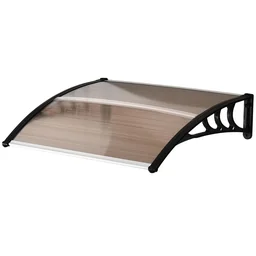
Important note
Keep the emergency exit in mind. In an emergency, you must be able to open any front door quickly from the inside without a key. Check this before accepting the installation. A panic lock or interior door handle is essential.
Custom or standard size?
Older homes often have nonstandard door openings. A custom door costs more but can provide a precise fit and the look you want. Standard sizes can help keep costs down. Either way, have a professional measure the clear opening and wall dimensions before you order.
How can I ensure a perfect installation?
Installation affects a door's performance and lifespan. Plan this step carefully.
Preparation is key
Gather the right tools. Along with a cordless screwdriver and level, you may need a jigsaw to make adjustments. For precise connections involving door frames or other frames, a
(a replacement set for greenhouse doors) is one example of a precisely fitted accessory. Clear the work area before you begin.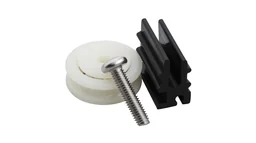
“Rushing is the biggest cause of mistakes. Take your time getting everything aligned. Even a millimeter of misalignment in the frame can cause the door to stick or let in drafts.”
Work step by step
First, remove the old door and frame carefully. Clean the wall opening. Set the new frame in place and align it precisely with shims and a level. Secure it without twisting it. After installation, seal all the joints properly.
More tips
Keep up with maintenance after installation. Treat wood regularly. Check the seals and hardware once a year. A drop of oil in the lock can help stop the door from squeaking.
What accessories complete a door?
Accessories can make your entrance more convenient and functional. Consider the finishing touches.
Protection from the elements
A porch canopy protects the door and lock from rain. An indoor doormat helps keep dirt out. For outdoor spaces, explore durable options in our garden equipment range. You can also protect your furniture with a patio furniture cover.
Lighting and communication
An outdoor light by the entrance or on the porch canopy helps improve safety. Choose a doorbell and mailbox that complement your door. Plan the wiring for the doorbell and light well in advance, ideally before installing the door.
Keep the entryway organized
A slim shoe cabinet or coat hooks beside the door help keep the entryway tidy. A workshop cart makes it easier to move tools and garden supplies through the front door.
Choosing the right doors means balancing practical needs with personal style. Take time to plan the materials, security features and installation. The result will protect your home and look great for years to come.
Frequently asked questions
- What is the safest front door?
- Steel and security doors with multipoint locking provide the highest level of protection. Key features include a solid core, sturdy hinges and a cylinder with anti-drill protection. Check resistance classes such as RC 2 or RC 3. A robust construction offers more effective protection than purely decorative design.
- Can I install an interior door myself?
- Yes, with careful preparation. You will need suitable tools such as a jigsaw and a cordless drill. Measure the frame opening precisely. The most challenging step is fitting the door frame so it is perfectly plumb. For heavy doors or unusual wall types, we recommend getting professional help.
- How much does a new front door cost?
- Prices start at around 500 euros for basic models. Custom-made doors from premium woods or with specialty glazing cost several thousand euros. Allow an additional 200 to 500 euros for professional installation and any necessary masonry adjustments.
- What type of door is best for a bathroom?
- Use a water-resistant interior door, for example made from plastic or painted wood with an aluminum threshold strip. Choose a good ventilation option such as a ventilation grille in the lower section. Glass elements provide light without completely compromising privacy.
- Does a front door need to be thermally insulated?
- Absolutely. A well-insulated front door with a low Uw value saves on heating costs and prevents drafts. Look for a thermally broken frame and a tight, continuous multi-point seal. This protects against cold and reduces condensation in winter.
You might also be interested in
- Installing a front door: step-by-step guide for DIYers
- Which air curtain is right for you?
- How to choose and safely use the right ladder
- New home selections: checklist for making the right choices
- How to choose the right tent: tips for outdoor adventures
- How to choose the right wood-burning stove: warmth and comfort