
In brief: Thin fruit after the June drop, as soon as the small fruits are about the size of a pea to a hazelnut. Remove weak, damaged and surplus fruit. For apples and pears, usually leave one strong fruit per cluster, with 10 to 15 centimetres between fruits. This encourages size, flavour, tree stability and a more regular yield.
When several small fruits appear on every fruit cluster in early summer, one of the most important fruit tree care tasks begins. By thinning fruit selectively, you make room for larger fruit, reduce the strain on branches and improve the tree's supply of nutrients. This task is part of fruit tree care and complements pruning, watering and suitable site maintenance.
The aim is not to carry as many fruits as possible through to harvest. For higher fruit tree yields, the usable crop matters: fewer fruits can produce more weight, flavour, colour and storage life. If you are looking for new varieties, you can find suitable plants and seeds in the Fruit category.
Why should you thin fruit?
After flowering, a fruit tree often sets more fruit than its leaves, roots and branches can supply until harvest. If all the fruitlets remain, apples, pears or plums stay small, branches bend and the following year's crop is often weaker. Fruit thinning reduces competition within the tree and directs its energy towards fewer, well-positioned fruits.
Fewer fruits, better nourishment
Every fruit needs water, minerals and assimilates from the leaves. When fruit is densely set, the tree distributes these resources among many fruitlets. Individual fruits grow more slowly, ripen unevenly and often fail to reach their typical variety size.
- Larger fruit: The remaining fruits receive more water and nutrients.
- Better quality: An open canopy lets more light reach the fruit and promotes colour and flavour.
- Stronger branches: A lighter crop reduces the risk of fruiting branches breaking under the load.
- More regular harvests: The tree becomes less exhausted and forms flowers more reliably the following year.
When increasing fruit tree yields, the goal is therefore not the highest fruit count, but a balanced relationship between leaf mass, branch strength and fruit quantity. Young trees, weak-growing varieties and trees carrying many small fruits benefit particularly from consistent thinning.
Fruit tree gardening tasks in early summer also follow a clear process: check the fruit set, remove damaged fruits, create adequate spacing, check soil moisture and monitor the tree regularly. Thinning is a targeted intervention, not drastic pruning.
Expert tip
On young trees, first mark branches carrying an especially heavy load. Thin them more heavily than strong main branches. This distributes the crop evenly and prevents individual branches from bending downwards during ripening.
When is the right time to thin fruit?
The best time is usually after the natural June drop. Depending on the region, variety and weather, this occurs between the end of May and the end of June. During this phase, the tree sheds some of the poorly supplied fruitlets itself.
Wait until the remaining fruitlets are clearly visible. A size between a pea and a hazelnut is suitable for hand thinning. On apples and pears, fruitlets are often about 1 to 2 centimetres across, while the size varies more among stone fruit.
Recognising the right development window
- Flowering is over: Bees and other pollinators are no longer working on the tree.
- Fruitlets are visible: You can distinguish healthy, weak and damaged fruits.
- The first natural drop is over: The tree has already regulated some of the excess crop itself.
- The weather is staying dry: You can work more cleanly and cause less damage to shoots and leaves.
Do not work only once. Check the tree again after seven to ten days. Small fruits may be hidden behind leaves, and some fruitlets only develop noticeably after the first pass.
Thinning too early increases the risk that you will lose too many fruitlets if a late frost occurs. Thinning too late means the tree has already used a great deal of energy. Once apples and pears are clearly larger than a walnut, thinning is more difficult and its effect on fruit size and regularity decreases.
“Thinning removes some of the young fruits. This leaves fewer fruits, which can then grow larger and receive better nourishment.”
How do you thin apples, pears and stone fruit correctly?
Prepare for the job with clean hands and a small harvesting container. For soft fruitlets, your thumb and index finger are enough. A small, sharp pair of scissors is useful for firm stalks or tightly packed fruit clusters. Suitable garden tools make clean cutting easier.
Five steps to the right crop load
- Inspect the tree: Start at the crown and work outwards, branch by branch. First assess the branch strength, amount of foliage and number of existing fruits.
- Remove weak fruitlets: Remove diseased, damaged, misshapen and very small fruits first.
- Thin fruit clusters: With pome fruit, it is usually best to leave one strong fruit per cluster.
- Create enough space: Leave approximately 10 to 15 cm between fruits on fruit-bearing branches.
- Plan a follow-up check: After one week, check whether more fruits are too close together or show signs of damage.
Apples and pears: one fruit per cluster
Apple and pear trees often produce fruit on short fruit spurs or in small clusters. Leave the strongest, well-lit and undamaged fruit. The central fruit in a cluster is often large and develops early, but its position alone is not decisive. If it is damaged, scabby or poorly positioned, choose a healthy side fruit instead.
A spacing of 10 to 15 cm is a good general guide. With small-fruited varieties or a very vigorous tree, two fruits per cluster may be sufficient. With young trees, weak branches and large-fruited varieties, it is better to leave only one fruit.
Peaches, nectarines and apricots
These stone-fruit trees often bear fruit on one-year-old shoots. The fruitlets are not always arranged in clear clusters. Remove weak and inward-growing fruits, leaving approximately 10 to 15 cm between fruits along the shoot.
Peaches and nectarines respond particularly well to early thinning. With sufficient foliage, their fruits grow larger and ripen more evenly. Still, pay attention to the shoot: a thin branch should carry fewer fruits than a strong fruiting branch.
Plums, damsons and cherries
Plums and damsons can set a very large crop in good years. Depending on the variety and fruit size, leave around 5 to 8 cm between fruits. Above all, remove tightly packed groups, damaged fruits and fruitlets at the tips of thin branches.
Sweet and sour cherries are generally not thinned systematically in home gardens. Remove damaged fruits and keep an eye on overhanging branches. With a very heavy crop, supporting the branch is usually more helpful than removing large quantities of healthy cherries.
How to remove fruit correctly
Strip individual fruitlets off with your thumb and index finger, or gently twist them to the side. Do not pull on the fruit cluster, as this can break off fruit spurs and young shoots. For firm stalks, position the scissors just above the point where the fruit is attached.
Do not leave the removed fruits under the tree. Diseased or badly damaged fruit belongs in household waste or the designated waste collection, not on the compost heap. You can collect healthy, still-small fruits on a surface and compost them later.
Important note
Never remove large amounts of foliage along with the fruit. The leaves provide the energy needed for further growth and fruit ripening. Only prune when a shoot is damaged or the fruit cannot be removed without making a clean cut.
Which mistakes put the tree and harvest at risk?
Most mistakes result from following a rigid formula. Every tree grows differently. The variety, rootstock, age, location, water supply and previous year's crop all influence how many fruits a branch can support.
Thinning too late and too cautiously
When the fruits are already large, the tree has invested a great deal of energy in them. A late correction can still reduce the load on the branches, but it does less to improve fruit size and flower formation the following year. If you remove only a few fruits from a heavily laden branch, the competition remains.
Treating every branch the same
A strong, well-leafed branch can carry more fruit than a thin shoot with few leaves. More fruits can remain on the sunny outer side than in a shaded, poorly developed crown. Young trees initially need a moderate crop load so that they can develop their roots and framework branches.
Leaving damaged fruit on the tree
Damaged fruit attracts pests and increases the risk of rot. Remove fruits with obvious pressure marks, fungal growth, cracks or feeding damage at an early stage. Also check fruits that are touching each other, as the friction can cause further damage.
Using thinning as a substitute for all other care
Fruit thinning does not replace proper formative pruning, adequate watering or checks for disease. A tree that has been neglected for years will remain dense and poorly lit even with fewer fruits. Plan the work throughout the year and intervene only as much as necessary each time.
“Early and moderate thinning reduces the load on fruiting branches, improves fruit quality and helps prevent alternating between heavy crops and poor harvests.”
How does ongoing fruit tree care support yields?
After thinning, care for the remaining fruit begins. The tree needs enough water, healthy foliage and a loose, well-aerated root zone. Check the area around the trunk regularly, especially when warm weeks follow flowering.
Provide water evenly
During dry periods, water thoroughly rather than only wetting the surface every day. The water should penetrate the root zone without creating waterlogging. A mulch layer made from mature compost, leaves or bark material keeps moisture in the soil for longer, but must not touch the trunk directly.
For larger trees and dry locations, a suitable solution from the garden irrigation category is worthwhile. After watering, check whether the water is actually reaching the area around the trunk. Grass growing directly beneath the tree also competes for moisture during dry weeks.
Check the soil and nutrient supply
A soil analysis shows whether the tree is lacking nutrients. Do not fertilise by guesswork, as too much nitrogen encourages long, soft shoots and can delay fruit ripening. You can find information and suitable products in the fertiliser category.
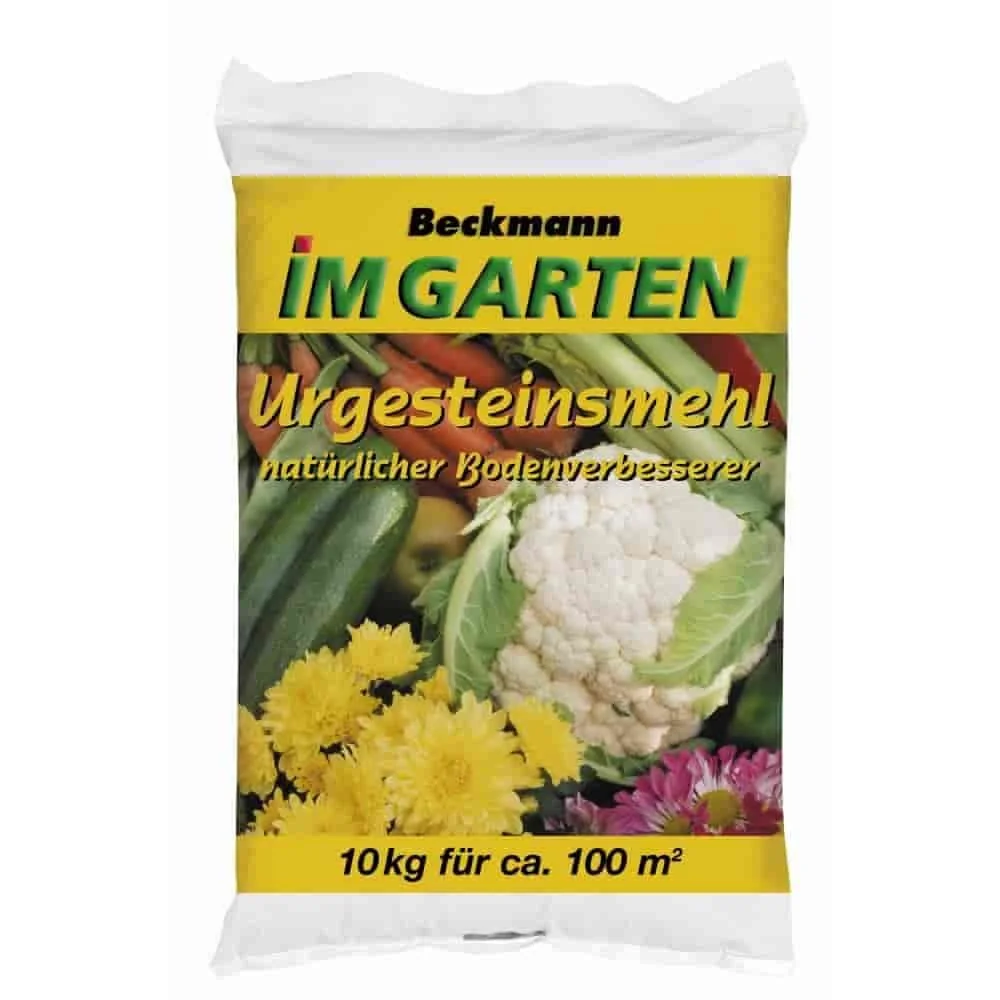
is a rock dust for improving the soil. Depending on the soil and application, it can be a useful addition, but it does not replace a nutrient analysis or targeted fertilisation. Follow the product's application recommendations and only work the material into the surface layer.
Monitor the canopy, leaves and fruit-bearing branches
Check the leaves for unusual spots, curled edges and signs of feeding damage. Also check whether individual branches are hanging heavily after rain or wind. An open, well-lit canopy makes inspection easier and reduces damp areas where diseases can spread.
For pruning, supporting and other tasks, you will find complementary garden and plant care accessories. Use clean tools and disinfect the cut surfaces before working on another tree.
Prepare for the harvest early
Thinning shifts the focus from fruit quantity to fruit quality. Regularly check the ripeness and harvest delicate varieties in several stages. Overripe fruit puts additional strain on branches and attracts wasps and birds.
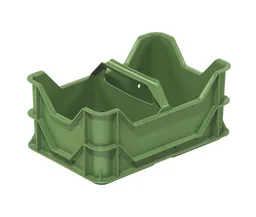
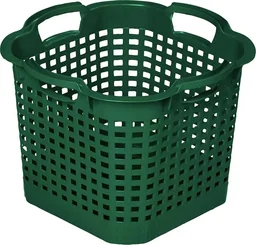
For collecting and sorting the harvest, , a harvest basket for hand-picking from the tree, is ideal. is a rotatable and stackable harvest and storage basket. Both products support the workflow after thinning, but do not replace careful sorting and storage checks.
Plan fruit tree tasks throughout the year
- Winter: Remove dead, diseased and poorly positioned branches. Do not cut the canopy back more than necessary.
- Spring: Monitor flowering, pollination and the first fruit set. Check whether young trees need protection from browsing wildlife.
- Early summer: Thin the fruit, check leaf health and ensure a reliable water supply.
- Summer: Monitor fruit size and the weight on the branches. Remove damaged fruit and harvest ripe varieties in good time.
- Autumn: Clear away fallen fruit, check the area around the trunk and note the yield, fruit size and any noticeable problems.
Additional advice
After harvesting, note which branches were particularly heavily laden and where the fruit remained small. This observation will help you with thinning and winter pruning next year. In this way, you can develop an individual, suitable benchmark for each tree.
Thinning fruit does not mean sacrificing yield. It allows you to manage the tree's energy, protect its branches and improve the quality of the remaining harvest. Observe the tree, work gradually and combine fruit thinning with reliable fruit tree care.
Frequently asked questions
- When is the best time to thin fruit trees?
- Thin apple and pear trees usually after the natural June drop, when the fruitlets are about the size of peas to hazelnuts. In many regions, the ideal window is between late May and mid-June. Check the tree again after seven to ten days, as additional excess fruit may become visible.
- How many apples should remain in a fruit cluster?
- With apples and pears, it is generally best to leave one vigorous, well-positioned fruit per cluster. There should be approximately 10 to 15 centimetres between fruitlets. Small-fruited varieties can carry two fruits if the tree is growing strongly and the branches are stable. Treat this as a guideline, not a strict rule.
- Which fruits should I remove when thinning?
- First remove damaged, diseased, very small or poorly positioned fruit. Also remove fruit that is growing too close together, fruitlets at the tips of thin shoots and excess fruit from a cluster. Keep the healthiest fruit with sufficient spacing and enough leaves around it in the canopy.
- Should I also thin plums, damsons and cherries?
- Plums and damsons often benefit from thinning, especially when fruit has set heavily. Depending on the variety, leave about 5 to 8 centimetres between fruits. Sweet and sour cherries are generally not thinned systematically in home gardens; instead, mainly remove damaged fruit and relieve branches that are weighed down.
- What does the fruit tree need after thinning?
- After thinning, the tree needs a consistent water supply, especially during dry weather and while the fruit is developing. Mulch around the base of the tree without covering the trunk, monitor leaf health and harvest in several stages. Moderate fertilisation cannot replace watering or good soil care.
You may also be interested in
- How to prune trees correctly: Promote healthy trees with the right cut
- How to prune tomato side shoots: Promote growth and yield
- Apple tree summer pruning: How to get the June prune right
- Pruning plants: When & how for healthy growth
- Pruning walnut trees: Timing & technique for a plentiful harvest
- Pruning lemon trees: How to make the perfect cut for a container-grown harvest