
In brief: Flexible plastic lawn edging is ideal for creative garden design. It allows you to create curved flower beds, neat path borders and decorative gravel patterns. It also makes lawn care easier as a mowing edge and helps clearly structure vegetable beds or tree islands.
A well-kept garden relies on clear lines and carefully planned structures. Ragged lawn edges, grass spreading into flower beds or bark mulch kicked onto the lawn can spoil the overall harmonious appearance. The solution is often simpler and more affordable than you think. Flexible lawn edging is an all-rounder for neat and creative garden design. It not only separates the lawn from flower beds but also opens up countless possibilities for individual designs.
Forget heavy concrete blocks or expensive metal edging. A lightweight, flexible and weather-resistant border is all you need to upgrade your garden. The best tool for the job is often the simplest one. The flexible black plastic lawn edging is exactly that kind of everyday hero. It is robust, discreet and can be bent into almost any shape. With it, you can bring your garden ideas to life in no time.
Table of contents
- 1. Curved flower bed edges for organic shapes
- 2. How do I neatly edge a garden path?
- 3. Creating a protective tree ring or planting island
- 4. Creating decorative patterns with gravel or mulch
- 5. Building a raised bed in a custom shape
- 6. What are the benefits of practical mowing edges?
- 7. Structuring a small vegetable garden perfectly
1. Curved flower bed edges for organic shapes
Rigid, rectangular beds often look severe and can make the garden appear smaller. Add movement and a natural feel to your outdoor space by using curved lines. Organic shapes soften the overall look and create interesting lines of sight. This is where flexible lawn edging really comes into its own.
Mark out the desired shape directly on the lawn. A garden hose or a long piece of string is ideal for finding the perfect curve. Once you are happy with the layout, cut along the outline with a spade. Dig a small trench deep enough to hold the lawn edging securely. Place the edging in the trench, bend it along your marked line and refill the trench with soil on both sides. Firmly compact the soil so that the edging stays in place.
The soft, flowing line is the line of beauty. It breaks the monotony of straight edges and makes the garden feel more vibrant and spacious.
The result is a clean, professional-looking flower bed border that blends harmoniously into its surroundings. Whether you choose a gentle wave or a tight curve, you decide the shape and create unique planting areas that showcase your perennials and flowers perfectly.
2. How do I neatly edge a garden path?
Garden paths made from gravel, chippings or bark mulch are practical and look great. Their biggest disadvantage is that loose material rarely stays where it should. It spreads onto the lawn, makes mowing more difficult and leaves the path looking untidy. A clear border is essential here. Flexible lawn edging is the ideal solution for garden path edging.
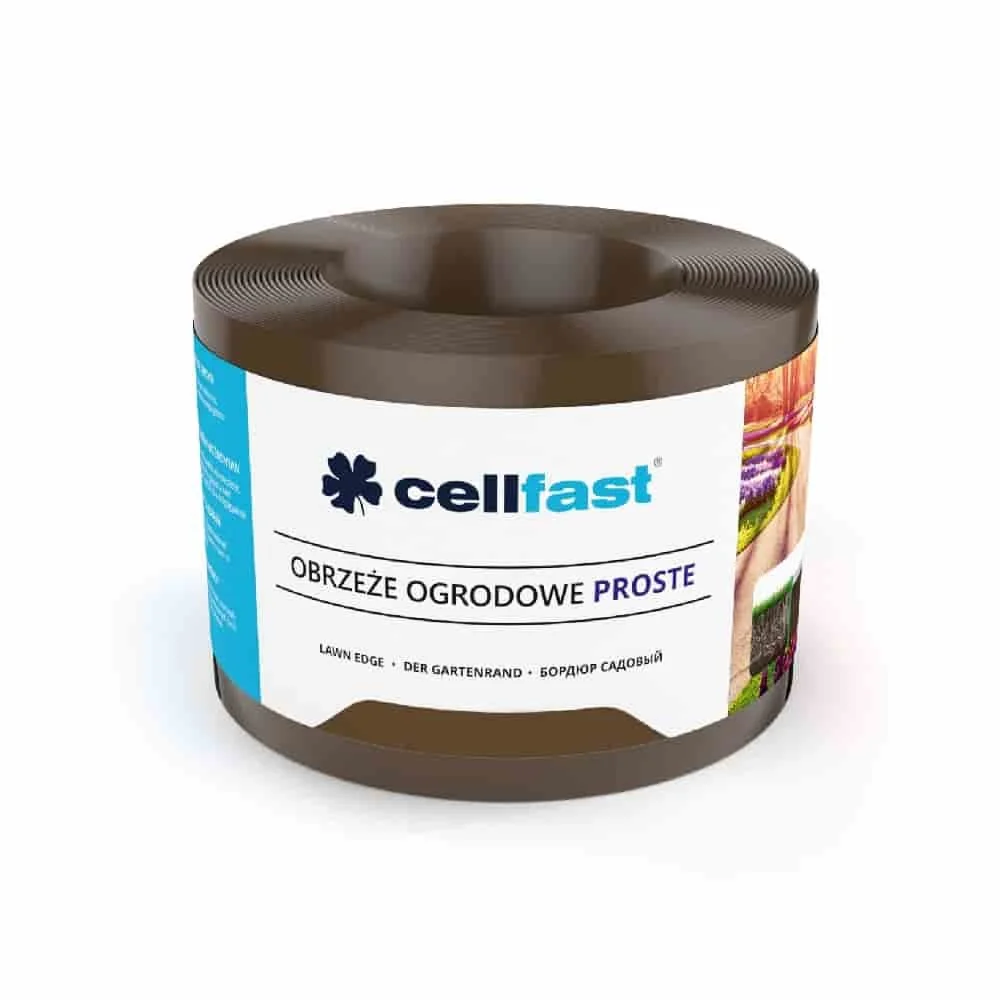
For paths where you need to contain a larger quantity of loose material, a taller option is particularly suitable. The brown lawn edging with a height of 15 cm provides enough stability to keep even coarse gravel or a thick layer of mulch securely in place. The brown colour also blends discreetly into earthy surroundings.
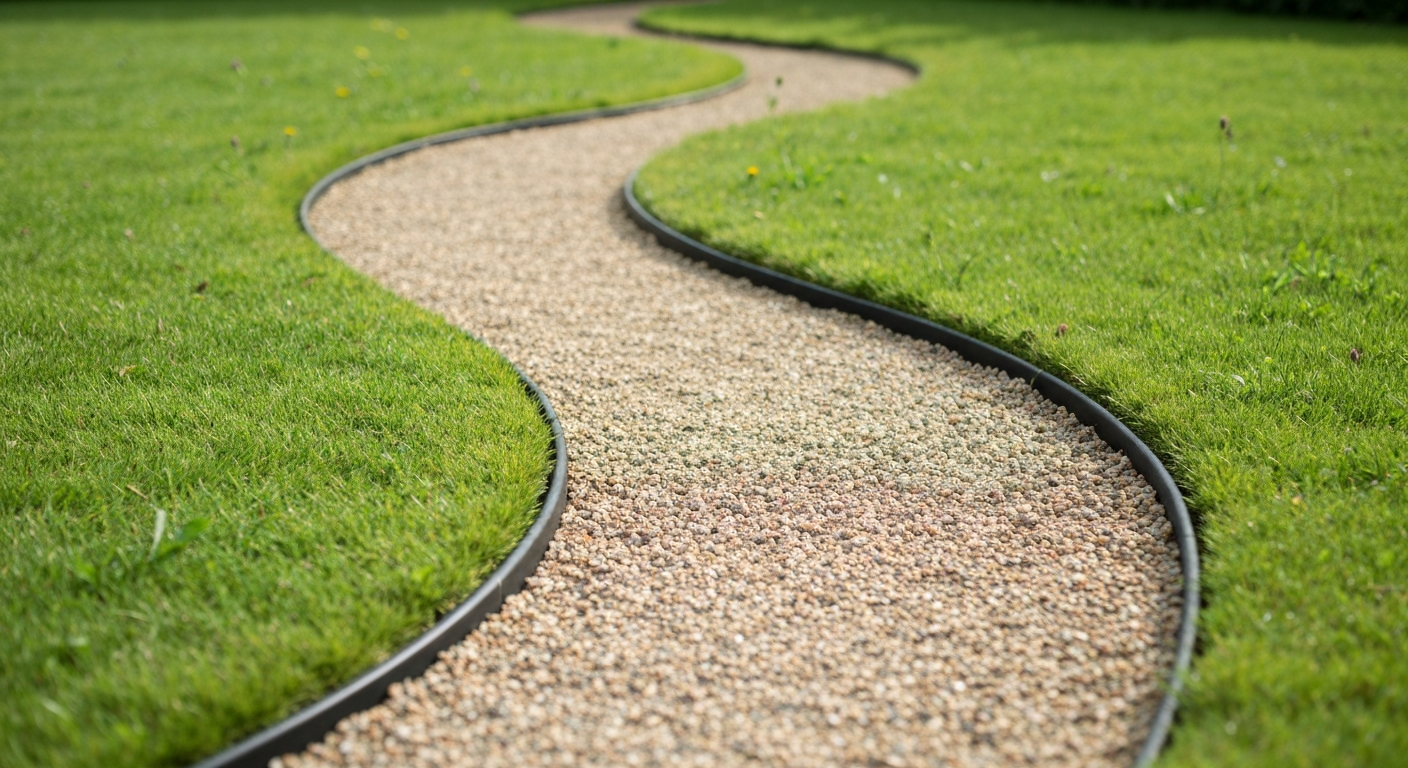
Installation could not be easier. Mark out the path and cut along both edges. Place the lawn edging in the resulting trenches and make sure the top edges are level and protrude slightly from the ground. Fill the trenches from the outside with soil and compact it. You can then add and spread the path material. The result is a permanently neat path with no material loss and a razor-sharp edge against the lawn.
3. Creating a protective tree ring or planting island
Mowing around tree trunks or individual shrubs is tedious and risks damaging the bark. A tree circle, meaning a clear area around the trunk, solves this problem. With flexible lawn edging, you can easily create perfect circles or ovals and establish a clearly defined protective zone.
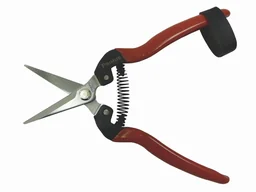
Measure the desired diameter and cut the lawn edging to the right length. A sturdy tool such as the "Garden shears" is ideal for cutting through the robust plastic cleanly. Shape the edging into a ring, join the ends and place the ring around the tree. Push it into the soil and fill the inside with bark mulch or compost. This not only protects the trunk but also suppresses weeds and retains moisture around the roots.
Pro tip
Do not fill the newly created tree circle with mulch right up to the trunk. Leave a small gap of 5-10 cm. This ensures good air circulation around the bark and prevents rot. The tree will thank you with healthy growth.
These planting islands are also ideal for showcasing special feature plants or small themed gardens, such as shade-loving hostas. They create a visual focal point on the lawn and make maintenance much easier.
4. Create Decorative Patterns with Gravel or Mulch
Who says an area covered with gravel or chippings has to be boring? Flexible lawn edging turns you into a garden artist. Create intricate patterns and combine different materials for a unique effect. Separate areas of white decorative gravel from sections filled with dark lava chippings, or create wave-shaped patterns within a large mulched area.
This technique is particularly well suited to modern gardens, front gardens or areas that should be easy to maintain. Plan your pattern on paper and then transfer it to the garden. The flexible lawn edging can easily be bent into tight curves, making spirals and intricate designs possible too. Once you have installed the edging as dividing lines, fill the resulting sections with the different materials. This transforms a plain area into a work of art and adds a personal touch to your garden equipment.
Additional tip
Lay weed-control fabric beneath the gravel or chippings. This prevents weeds from growing through from below and reduces maintenance to a minimum. The lawn edging helps to hold the fabric neatly in place at the edges.
The possibilities are endless. From geometric chequerboard patterns to flowing yin-yang symbols, you can let your creativity run free. You will create an eye-catching feature as well as a long-lasting, low-maintenance garden design.
5. Build a Raised Bed in a Bespoke Shape
Raised beds are practical, back-friendly and productive. However, they are usually limited to rectangular shapes. But what if you have an unused, rounded corner in your garden, or simply want a raised bed that blends organically into the landscape? This is another situation where flexible lawn edging can be used as a design element.
In this case, it serves as the lowest boundary and as a template for the rest of the construction. Lay out the desired shape with the lawn edging and secure it firmly in the ground. This frame now serves as the foundation. Inside, you can build the raised bed in the usual way, for example with natural stone, logs or bricks stacked along the predefined shape. The edging holds the lowest layer in place and creates a neat boundary between the bed and the lawn.
Form follows function – that has often been misunderstood. Form and function should be one, joined in a spiritual union.
A bespoke raised bed like this is not only functional but also a genuine design statement. It adapts perfectly to the conditions of your garden and becomes the centrepiece of your kitchen garden. The flexibility of the material allows you to shape it exactly as required for your project.
6. What Are the Benefits of Practical Mowing Edges?
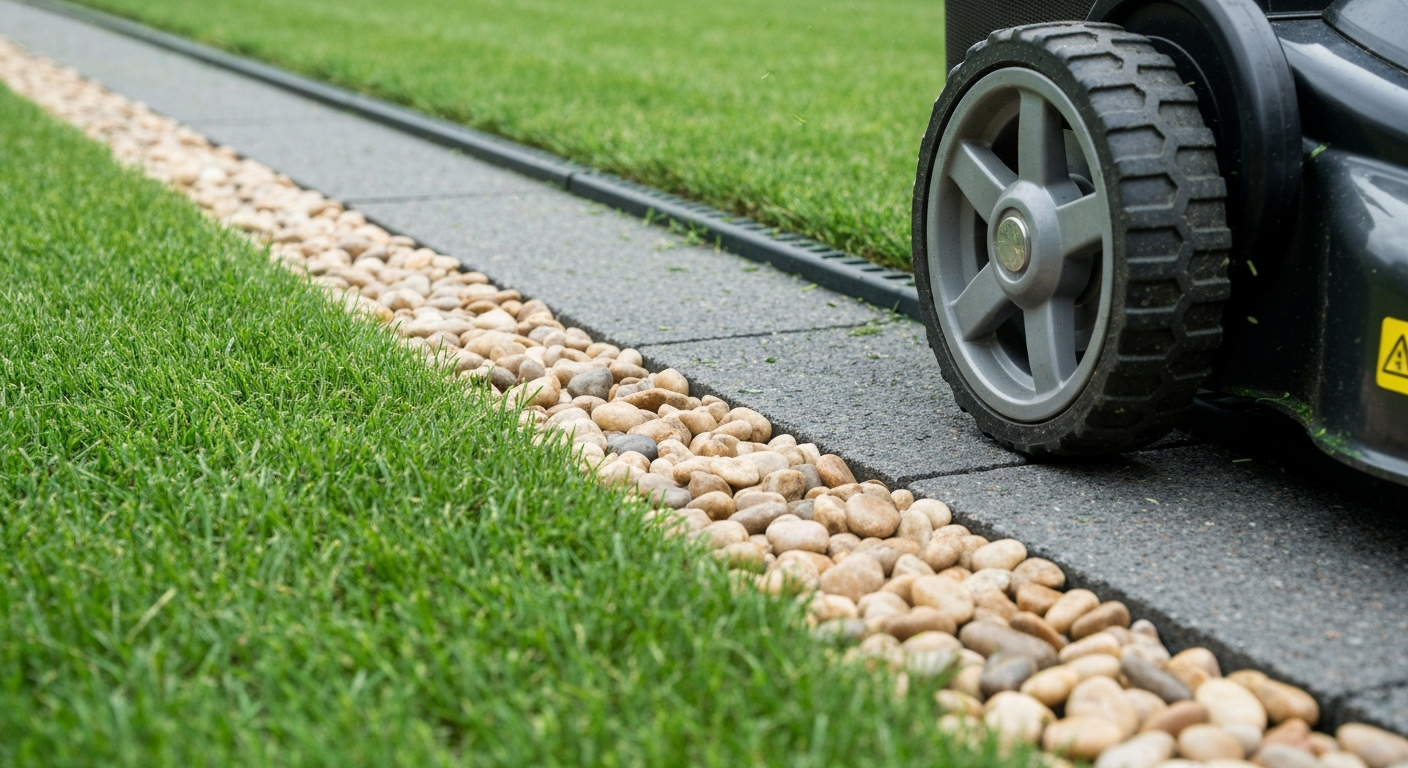
Having to repeatedly trim lawn edges along walls, fences or patios is one of the most annoying gardening jobs. A mowing edge, also known as a mowing strip, provides a lasting solution. It creates a drive-over strip between the lawn and an obstacle, allowing the lawn mower to cut the grass right up to the edge.
Installation is easy and the benefits are substantial. Position the flexible lawn edging parallel to the wall or patio, leaving a gap of around 10-15 cm. This distance should correspond to the width of a lawn mower wheel. Remove the grass from this strip and fill the area with flat pebbles or chippings, or lay flat mowing stones. The top edge of the lawn edging should be flush with the turf to prevent it from becoming a trip hazard.
Important note
When installing a mowing edge, make sure that it does not protrude from the ground. It should be level with the ground or even slightly below the turf. This allows the mower wheel to roll over it easily and prevents the edging itself from becoming a trip hazard or damaging the mower.
One of the mower's wheels can now run along this strip while the blade neatly cuts the lawn right up to the edge. The result: no more manual trimming and a permanently perfect edge. This is an investment that pays off every time you mow and gives you valuable time for the enjoyable things in the Garden + Outdoor area.
7. Structure a Small Vegetable Garden Perfectly
Order in a vegetable garden is not just a matter of appearance but also of functionality. Clear boundaries between individual beds make sowing, maintenance and harvesting easier. They prevent invasive plants such as mint from spreading uncontrollably and stop soil and compost from being washed away during heavy rain.
Use flexible lawn edging to clearly separate your vegetable and herb beds. You can create small, well-organised plots for different crops. This helps you keep track of everything, follow crop rotations and respond specifically to the needs of individual plants. Thanks to the simple installation, you can also rearrange the layout of your vegetable garden every year as needed.
The edging not only creates structure but also makes it easier to work with garden tools. You can rake right up to the edge without moving soil onto the path. At the same time, the borders provide a clear boundary when applying fertiliser or special garden + plant accessories. A well-structured vegetable garden is more productive and simply more enjoyable.
As you can see, a simple, flexible lawn edging is much more than just a dividing line. It is a versatile design tool that leaves your creativity almost unlimited. From gentle curves and neat paths to complex patterns, you can achieve a big impact with little effort and give your garden a professional, well-kept structure.
Frequently asked questions
- How deep should lawn edging be installed?
- Lawn edging should be installed deep enough to remain stable without becoming a trip hazard. As a rule, it is sufficient for two thirds of the edging to be in the ground, with one third visible above the surface. For mowing edges, the top should be flush with the ground.
- Can flexible plastic lawn edging be cut?
- Yes, plastic lawn edging can easily be cut to size. Use sturdy garden shears, side cutters or a small saw. This allows you to adjust the length precisely to your beds, paths or creative shapes and create clean ends.
- How do you join the ends of flexible lawn edging?
- Most flexible lawn edging has a plug-in system or can simply be overlapped. Slide the end of one piece slightly over or into the beginning of the next. For an extra-stable connection, you can secure the overlapping sections with a small screw.
- Does plastic lawn edging also stop grass roots?
- Yes, correctly installed plastic lawn edging forms an effective barrier against the spread of grass roots. It prevents grass from growing uncontrollably into flower beds, paths or mulched areas, ensuring neat, low-maintenance boundaries for the long term.
- What are the advantages of flexible lawn edging over metal or stone?
- Flexible plastic edging is significantly cheaper, lighter and easier to install than metal or stone alternatives. Its flexibility makes it easy to create curved shapes that are difficult to achieve with rigid materials. It is also weather-resistant and rust-free.
You may also be interested in
- 5 creative ideas for your lawn edging: More than just a boundary
- How to install flexible lawn edging: The professional guide for your garden
- Buy plastic lawn edging: The ultimate guide
- 7 creative ideas to enhance your garden
- No more weeds in your flower beds! How your lawn edging can help
- A firm hold in the garden: How to stabilise lawn edging & grids permanently