
In brief: Our test shows welded mesh panel fences to be versatile all-rounders for private gardens, while electric fencing systems are designed for keeping animals and decorative garden edging adds attractive accents. The right choice depends on your specific requirements for privacy, security and appearance. Our comparison will help you find the right system.
A garden fence defines your outdoor space. It provides privacy, protects against prying eyes and keeps unwanted visitors out. In our 2026 review and comparison, we look at various fencing systems side by side. You will learn which type of fence best suits your needs.
The selection ranges from classic welded mesh panels and practical electric fences to decorative elements. We assess materials, ease of installation and durability. Our buying guide will support you in making the right choice.
Table of contents
Which type of garden fence is right for my garden?
Garden fences serve different purposes. Some are primarily used to mark boundaries, while others provide privacy or keep animals safely enclosed. Our test highlights the clear strengths of each system.
Welded mesh panel fences as a classic solution
Welded mesh panel fences are among the most popular models. They combine stability with an attractive design. The grid-like structure provides partial privacy while allowing light and air to pass through. This is ideal for plant growth.
Welded mesh panels are available in various heights. For property boundaries, 1,25 m or 1,50 m are common choices. Lower versions such as 75 cm are suitable for defining flower beds. Sets such as the
make planning easier.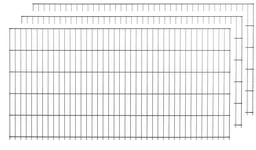
Key benefits:
- Durable construction made from powder-coated steel
- Easy installation with prefabricated elements
- Low-maintenance surface
- Good ventilation for plants
Electric fencing systems for keeping animals
Electric fences are specially designed for enclosing animals. They consist of conductive wires or tape connected to an electric fence energiser. This generates a short, harmless electrical pulse.
Systems such as the
with twin-pulse technology offer particularly reliable protection. They maintain the voltage even when vegetation or moisture is present. Their output is designed for medium to large areas.
Flexible wire such as the
complement the system perfectly. They adapt to uneven ground and are easy to tension. For battery-powered solutions in remote areas, the

Tip: Combine different types of fencing. For example, use welded mesh panels as a sturdy property boundary and flexible electric fencing inside the garden to divide growing areas.
Decorative garden edging
Not every fence needs to be tall. Low edging adds visual structure to your garden. It highlights flower beds and protects delicate plants. The
imitates a stone wall and gives the garden a Mediterranean feel.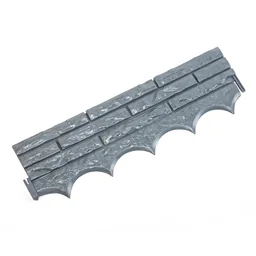
These elements are quick to install. They do not require a foundation. Simply push them into the ground or secure them with a small amount of gravel. Their visual impact is impressive nonetheless. They create clear boundaries between lawns and planted areas.
Materials and maintenance reviewed
The choice of material determines durability and maintenance requirements. In our comparison, modern coatings perform particularly well. They withstand the effects of the weather for many years.
Powder-coated metal fences
Powder-coated steel is the standard material for quality fences. The electrostatically applied coloured powder is baked on. The result is an even, durable coating. It protects against rust and UV radiation.
Anthracite is the most popular colour. It looks modern and neutral. The colour complements most garden styles. In our test, the coating showed good resistance to scratches and mechanical stress.
Plastic imitations with a stone effect
Plastic fences have come a long way. High-quality materials convincingly imitate natural stone. They are considerably lighter than real stone walls. This makes transport and installation easier.
Maintenance is minimal. An occasional wash with water is sufficient. Plastic does not rot and is resistant to moisture. Quality products are frost-resistant.
Warning: Cheap plastic fences can fade or become brittle over time. Look for UV-stabilised materials. They retain their colour and flexibility for longer.
Installation and planning: what you need to consider
Correct installation determines stability and longevity. Allow enough time for preparation and assembly. A detailed sketch is particularly worthwhile for large areas.
Foundations and fixing
Wire mesh fence panels require a secure foundation. Concrete-set posts guarantee stability. Make sure the holes are deep enough to extend below the frost line. This prevents frost heave in winter.
Ground spikes are sufficient for temporary fences or lightweight edging. They can be easily screwed into the ground. This solution is flexible and can be removed without leaving a trace. Ideal for rented gardens or beds that change every year.
Alignment and levelling
Correct alignment is particularly important on uneven ground. Work with a string line. This keeps all elements in a straight line. On slopes, arrange the fence elements in a stepped formation.
Modular systems such as wire mesh fence panel sets make the work easier. The prefabricated dimensions fit together exactly. You save time on cutting and can concentrate on the actual installation.
Note: Check the exact boundaries of your property before installation. An inaccurate land registry plan can lead to costly relocation work. If in doubt, consult a surveyor.
Safety and functionality compared
A garden fence should not just look good. It should also fulfil specific functions. Depending on your needs, security, privacy or keeping animals may be the priority.
Privacy and screening
For genuine privacy screening, you need solid surfaces. Wire mesh fence panels only provide partial privacy. The grid pattern still allows people to see through. For complete privacy, combine the fence with climbing plants.
Alternative: special privacy screening elements made from wood or plastic. These are opaque and create an intimate atmosphere. They are particularly suitable for patios or seating areas near neighbouring properties.
Animal safety with electric fencing
Electric fences provide a psychological barrier. After touching the fence once, animals learn to respect it. The systems are suitable for different animal species. For small animals such as chickens, versions with a closer mesh are necessary.
Regularly checking the voltage is essential. Modern devices such as display faults. This allows you to notice interruptions immediately. This ensures lasting protection for your animals.
Design and garden landscaping
A fence is a design feature. It should suit the style of your house and garden. Fortunately, the market now offers a wide range of options.
Colours and finishes
Anthracite is timeless and suits both modern and traditional homes. For a lighter look, choose silver grey or green. These shades blend naturally into the garden surroundings.
Plastic fences often offer realistic-looking finishes. Stone or wood effects imitate more expensive materials. This is particularly appealing when working with a limited budget. The result looks remarkably authentic.
Integrating the fence into your garden design
A fence does not have to be boring. Combine different elements. Add decorative gates such as
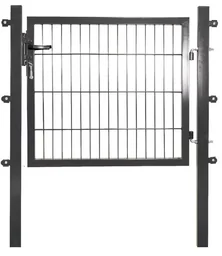
Green up your fences with climbing plants. Clematis, ivy or grapevines create living walls. This softens the strict lines and transforms the fence into a living garden feature. Make sure the plants do not damage the structure.
Buying guide: how to find the ideal fence
The wide selection can be overwhelming. These decision-making aids will help you make the right choice. Consider your individual circumstances.
Questions to ask before buying
Answer these questions before making your selection:
- What main function should the fence fulfil? (privacy screening, keeping animals, simple boundary marking)
- How long and high does the fence need to be?
- Is the ground level or sloping?
- How much maintenance are you prepared to undertake?
- What budget is available?
This information will significantly narrow down your options. You avoid poor purchases and save time when researching.
How to identify quality features
Look out for these details:
- Material thickness: More robust profiles last longer
- Coating: Powder coating is superior to painted surfaces
- Connections: Welded joints are more stable than glued ones
- Installation accessories: Complete set with all the required parts
Products such as the
offer good quality at reasonable prices. They are ideal for smaller projects or extending existing fences.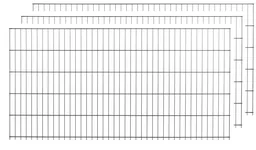
The most highly rated garden fences in our range compared directly:
| Model | Customer rating | Availability |
|---|---|---|
| Garden gate for single wire mesh fence panel, anthracite, single-leaf - 75 cm high - 100 cm wide | – | Currently unavailable |
| Anthracite wire mesh fence panel set, 10 pieces a 125cm x 200cm | – | Currently unavailable |
| Anthracite wire mesh fence panel set, 10 pieces a 75cm x 200cm | – | Currently unavailable |
| Anthracite wire mesh fence panel set, 5 pieces a 75cm x 200cm | – | Currently unavailable |
| BISON A 5000 12 Volt electric fence energiser: high-performance dual-pulse technology | – | Currently unavailable |
Test conclusion: The best garden fences 2026
In our comparison, welded mesh panel fences stand out for their versatility. They provide good basic protection with moderate maintenance requirements. Sets such as
make installation much easier.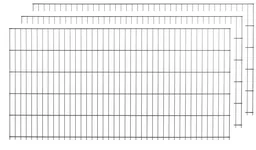
Electric fencing systems are essential for animal owners. The combination of a powerful energiser and flexible electric fence tape provides maximum safety. In particular, delivers excellent performance in testing.
Decorative elements such as are the perfect addition to the range. They add stylish accents without high costs. For a complete garden enclosure, we recommend browsing our garden fences category. There you will find all the options at a glance.
Plan your fence as part of your overall garden design. A harmonious overall concept increases the value of your outdoor living space. Investing in quality pays off through a long service life and low maintenance requirements.
Our final advice: Start with a precise analysis of your needs. Measure the required lengths carefully. Take local regulations into account. With this preparation, you are sure to find the right fence for your individual requirements in our extensive range.
Frequently Asked Questions
- What fence height is permitted for my garden?
- Fence heights are governed by local building regulations and neighbour law. Boundary distances and maximum heights vary. Check with your local authority before buying. For privacy screening, heights of 1,75 m to 2 m are often used, while lower fences simply provide a visual separation between properties.
- How do I maintain a metal fence properly?
- Powder-coated metal fences require little maintenance. Regularly remove coarse dirt. Check the coating for damage. If you find rust spots, sand them off immediately and touch them up with specialist paint. This will significantly extend the fence's service life.
- Can I install a garden fence myself?
- Many fencing systems, such as welded mesh panels, are designed for DIY installation. You will need basic knowledge of how to use tools. Plan the foundations and alignment carefully. For large areas or uneven terrain, we recommend professional assistance for a stable result.
- What are the advantages of an electric fence?
- Electric fences are flexible, easy to move and provide secure containment for animals. Electric systems such as PRODUCT_142120 act as a psychological barrier. They are ideal for temporarily enclosing pastures or separating areas of the garden.
- How long does a high-quality garden fence last?
- The service life depends on the material. Powder-coated steel lasts 20-30 years, while untreated wood needs to be replaced after 10-15 years. High-quality workmanship, correct installation and regular maintenance are crucial for the longevity of your fence.
You may also be interested in
- Fence tester review & comparison 2026
- Garden furniture review & comparison 2026
- Garden paths review & comparison 2026: The best paths tested
- Hedge plants review & comparison 2026: The best varieties tested
- Planting around a garden fence: Privacy & design ideas
- Fences and privacy screens in the garden: Design, materials and installation