
In brief: A garden gazebo provides structured shade and shelter, while a bench offers the perfect place to relax. Together, they create a clearly defined space to enjoy in the garden. Choosing the right location is key: out of the blazing sun or in partial shade, on solid ground and with a pleasant view. A harmonious choice of materials, such as wood or metal, gives the arrangement its style.
Your personal garden retreat: Why a gazebo and bench work so well together
A shady place to sit is the heart of an enjoyable garden. A garden gazebo provides a roof overhead, while the bench creates a dedicated place to relax. Together, they define an area that clearly invites you to sit back and linger.
This combination gives your garden structure. It creates a fixed focal point around which other elements can be arranged. It is more than the sum of its parts: a small living space of its own beneath the open sky.
The advantage is flexibility. You can use the gazebo for shelter from the sun or rain, or simply as an architectural feature. The bench beneath it is your movable seat, which you can also place elsewhere whenever needed.
How to find the perfect location for your shady spot
Placement determines how the area will be used. Even the most attractive combination can lose its appeal in the wrong location.
First, analyse the path of the sun through your garden. Where does the midday sun fall? Where is there natural shade from trees or the house? A spot that gets sun in the morning and shade in the afternoon is often ideal.
The ground must be firm and level. Gravelly or sandy ground can give way. A paved area or sturdy decking is ideal. A compacted gravel base or lawn fitted with special ground plates can also be suitable.
Do not forget the view. Position the bench to face an attractive planting area, pond or quiet corner of the garden. Avoid placing it directly next to the wheelie bins or driveway.
The location should not only be practical but also feel right. Try sitting on a chair in the intended spot and see how it feels: does this place make you feel relaxed?
The importance of space and access
Allow enough room to move around. At least 80 cm behind the bench and around the gazebo is necessary. This lets you sit down comfortably without anyone having to squeeze past.
A good path from the house is important. Also think about how you will use the space later: would you like to eat there? If so, the route from the kitchen to the gazebo should be short and easy to walk along while carrying trays.
Important note
Before installing a permanent gazebo, check any local building regulations that may apply. In some areas, larger permanent structures are subject to specific requirements. Contact your local building control office for information.
Choosing the right garden gazebo
Garden gazebos come in many shapes. The classic option is a rectangular gazebo with four posts. Octagonal or round models look more elegant and create a different sense of space.
The size depends on your needs. A 3x3 Meter gazebo can accommodate a table with four chairs or a generously sized bench set. For larger families or frequent gatherings, 3x4 Meter or 4x4 Meter models are better.
The frame material is crucial for stability and maintenance requirements. Steel is very sturdy and often more affordable, but it can rust if the coating is damaged. Aluminium is lighter and completely rust-free, but usually more expensive.
Wooden gazebos made from native timbers such as larch or durable tropical hardwood create a wonderfully natural garden look. However, they require regular treatment with oil or stain.
The roof: Protection and style
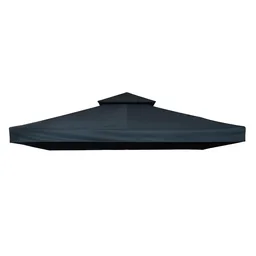
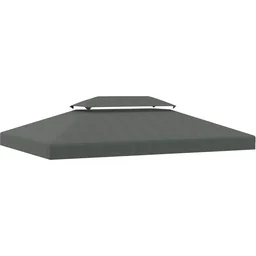
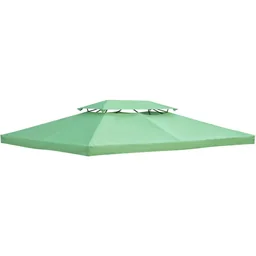
The roof material protects against UV radiation and rain. High-quality polyester fabric with an acrylic or PU coating is water-repellent and offers a high level of UV protection. The colour you choose influences the atmosphere underneath.
Dark roofs, such as charcoal grey or dark green, absorb light and create a high-contrast, sheltered interior. Light grey or beige roofs let in more light and create a more open feel.
If the original roof is worn or you would like to change the colour, you can find suitable replacement roofs for standard sizes in our range.
Expert tip
Always tension the roof firmly. A sagging roof collects rainwater and can be placed under considerable strain during storms. Many models have adjustable roof tensioners at the corners. Tighten the roof again after the initial setup and after a few days, as the material expands.
Garden Bench: Style, Function and Materials
A bench is more than just a seat. It invites you to linger, chat or quietly take in your surroundings. The length determines the capacity. A 140-cm bench comfortably seats two people, while a 180-cm bench seats three.
The backrest is essential for comfort. A slight backward angle and sufficient height provide support for your back. Cushions for garden benches significantly increase seating comfort, but should be moved somewhere dry quickly when it rains.
The seat height should be around 45-50 cm. This allows your feet to rest comfortably on the ground. Lower benches are more difficult to get up from.
Styles range from rustic log benches and wrought-iron models to modern, slim aluminium designs. Choose a style that complements your gazebo and the overall character of your garden.
Wood, Metal or Plastic?
Wooden benches made from locally sourced oak, robinia or chestnut are weather-resistant and develop a beautiful patina. Tropical woods such as teak or Bangkirai are naturally highly resistant to fungi and moisture. Depending on the type of wood, wooden benches need a new protective coating every 1-2 years.
Metal benches made from cast iron have a classic appearance and are extremely heavy and stable. Modern powder coatings protect against rust. Aluminium benches are lightweight, rustproof and often available in modern designs.
Plastic or rattan benches are easy to maintain, simple to clean and often affordable. High-quality plastic (polyethylene) is UV-stable and withstands frost. These benches often imitate the appearance of wood.
Discover a wide selection of seating and accessories in our garden equipment category.
A bench should not only look good; it should feel comfortable too. Be sure to test it before buying. The depth of the seat and the angle of the backrest are crucial for comfort.
Garden Design Ideas Around a Gazebo and Bench
Integrate your oasis into your garden design. A gravel surface beneath the gazebo is easy to maintain and dries quickly. Bark mulch or wood chips look natural, but retain moisture for longer.
Surround the gazebo with plants. Climbing plants such as clematis, honeysuckle or climbing roses can grow up the posts, providing natural privacy and a profusion of flowers. Make sure the roof remains clear.
Place flower pots or planters next to the bench. Fragrant plants such as lavender, rosemary or strongly scented pelargoniums enrich the sensory experience. Night-scented plants such as jasmine or four-o'clocks make evenings there especially enjoyable.
Lighting creates atmosphere. A solar-powered LED string light hung around the gazebo roof, or individual solar lights on the table, makes the area usable even after sunset.
Additional advice
A small side table next to the bench greatly increases comfort. It provides space for a cup of coffee, a book or a glass of water. Choose a lightweight, weather-resistant table that you can quickly move out of the way when needed.
Ground Cover and Edging
For a clean and durable solution, you can create a small patio area from concrete slabs or wooden decking. This provides a level surface and prevents soil or mulch from getting onto your shoes when it rains.
Low stone or metal bed edging visually separates the seating area from the surrounding garden. It adds structure and prevents soil from being washed onto the seating area.
Care and Maintenance for a Long Service Life
Regular maintenance preserves the value and beauty of your garden oasis. Clean the gazebo roof in spring and autumn with mild dish soap and a soft brush. This removes pollen, bird droppings and dirt that can damage the material.
Check the gazebo's screw connections for tightness at least once a year. They may need tightening after a few years.
Depending on the type of wood, wooden benches need regular treatment with special wood oil or a wood stain. Apply the protective coating when the wood is dry and clean. For metal benches, wiping them down with water is usually sufficient. At the first signs of rust, treat the area immediately with abrasive fleece and rust-protection paint.
In winter, the best way to protect your furniture is to store it in a dry shed or garage. If this is not possible, use suitable covers for garden furniture. They protect against moisture and UV radiation even during the cold season.
The Right Tools for Maintenance
Keep the right garden tools ready for maintenance. A soft brush for the roof, sandpaper or an abrasive fleece roll for wood, as well as suitable cleaning and care products, make the work more efficient.
Set a regular maintenance date, for example in spring before the gardening season and in autumn before winter storage. This way, nothing gets forgotten.
From an Idea to a Cosy Reality
Plan step by step. Start by sketching your garden and marking the desired location. Measure the available space carefully and compare it with the dimensions of the products you want.
Take delivery times and assembly requirements into account. Many gazebos require several hours and two people to assemble. Read the assembly instructions before buying to determine whether you have the necessary tools.
You could start with a sturdy bench and a patio umbrella. Later, you can add the gazebo as a permanent source of shade. This allows you to develop your oasis gradually.
Your personal garden oasis is waiting to be designed and enjoyed. With a well-chosen garden gazebo and the right bench, you can create a place where you will spend many wonderful hours.
Frequently Asked Questions
- What material should a garden gazebo be made from?
- The right choice depends on your needs. Steel gazebos are very stable and durable, while aluminium does not rust and is lighter. Wooden gazebos offer a natural look but require more maintenance. A stable frame and robust, water-repellent roofing material such as polyester with UV protection are essential.
- How do I find the best location for a gazebo and bench?
- Choose a level, firm surface. Consider the path of the sun: morning sun is pleasant, while the intense midday sun should be shaded. Position the bench with a view of attractive areas of the garden. Leave enough distance from trees (falling leaves) and allow plenty of space to move freely around the furniture.
- Can I set up a garden bench without a gazebo?
- Yes, absolutely. A bench beneath a large tree, against a sheltered house wall or alongside a path can become a peaceful place to relax. Comfort and how well it fits into its surroundings are key. A bench without a roof requires weather-resistant wood such as teak or more durable metal. Consider using a practical garden furniture cover for winter.
- Which bench goes well with a modern metal gazebo?
- Benches with clean, slim lines complement a modern metal gazebo. Choose models made from powder-coated steel or aluminium, often combined with wooden slats. Modern bench designs made from weatherproof plastic or straight-lined wooden benches such as eucalyptus also work well. The style should be clean and understated rather than overly ornate.
- How do I care for and protect my garden gazebo in winter?
- Remove dirt from the roof and frame before storing the gazebo away. Store removable roofs in a dry place. If the gazebo remains standing, clear heavy snowfall from it to remove the load. Use a suitable protective cover. Regularly checking the screw connections and repainting wooden models when necessary can significantly extend their lifespan.
You might also be interested in
- Creating garden seating: Ideas for your peaceful retreat
- Creating a wind-protected garden seating area: How to make your outdoor space cosy
- Garden projects for beginners: From planning to a green oasis
- Building a raised bed with a seat: Practical and attractive for the garden
- Garden fences and privacy screens: Design, materials and installation
- Building a fire pit in the garden: Your guide to cosy evenings