
In brief: Garden mulching protects the soil, retains moisture and suppresses weeds. Depending on the material, spread a layer two to eight centimetres thick over loose, weed-free soil. For vegetables, use partially dried grass clippings, straw and leaves; bark mulch is better suited to paths, ornamental shrubs and perennials.
Garden mulching means covering bare soil with organic or mineral material. The layer keeps water in the soil, protects against temperature fluctuations and makes it harder for weeds to germinate. The right mulch material, the correct layer depth and sufficient space around plant stems are essential.
You mulch differently in a vegetable garden than beneath ornamental shrubs. Vegetables generally benefit from a thin layer of grass clippings, straw or leaves. Coarse bark mulch is better suited to paths and shrubs. You can find an overview of suitable accessories in the garden and outdoor range.
What does garden mulching mean and why is it worthwhile?
When mulching, you cover the top layer of soil with a loose layer of material. This cover shields the soil from wind, direct sunlight and heavy rain. It does not completely replace weeding or watering, but it significantly reduces the amount of maintenance required.
Organic mulch gradually decomposes. As it does so, nutrients enter the soil and soil organisms build up humus. Mineral mulch stays in place for longer and has little effect on the supply of nutrients.
What are the benefits of a mulch layer?
- Less evaporation: The soil surface dries out more slowly. This reduces water requirements in warm weather.
- Protection from soil crusting: Rain does not hit the soil directly. The surface stays looser and absorbs water more effectively.
- Weed suppression: A sufficiently dense layer deprives many weed seeds of light. However, the mulch cover does not remove deep-rooted weeds such as ground elder or couch grass.
- Balanced soil climate: Mulch slows excessive warming in summer and protects the surface from cold and drying out.
- Soil care: Leaves, straw, grass clippings and wood chippings add organic matter as they decompose.
- Cleaner vegetables: Straw or dry grass keeps soil off strawberries, cucumbers, courgettes and lettuce leaves.
Which areas are suitable for mulch?
Mulch is suitable for vegetable beds, perennial borders, beneath berry bushes, between fruit trees and around many tree bases. Paths can also be covered with coarse bark mulch, wood chippings, stone chippings or gravel. Choose the material to suit the location and the plant.
For freshly sown rows, wait until the seedlings are visible. Otherwise, a thick layer will block light and warmth. Loosen compacted, very wet soil first and let it dry out before mulching.
„A mulch layer protects the soil from drying out, soil crusting and erosion.“
Which mulch materials are suitable for beds and paths?
Each material has different properties. Grass clippings provide nitrogen quickly, but only dry well when applied in thin layers. Bark mulch lasts a long time and suppresses weeds, but improves the soil much more slowly. Compost supplies plants with nutrients, but is not suitable as a permanent cover several centimetres thick.
Organic mulch materials compared
| Material | Suitable layer | Uses and special features |
|---|---|---|
| Grass clippings | 2 bis 3 cm | For vegetable beds and beneath shrubs. Use only partially dried clippings that are free from seeds and plant protection products. |
| Leaves | 3 bis 5 cm | Good for perennials, woody plants and berries. Shred coarse leaves first so they do not stick together. |
| Straw | 5 bis 7 cm | Suitable for strawberries, potatoes, pumpkins and other robust crops. Choose clean, dry straw. |
| Bark mulch | 5 bis 8 cm | Suitable for paths, ornamental shrubs and robust perennials. Do not place it directly around vegetables, herbs or trunks. |
| Wood chippings | 3 bis 5 cm | For paths and ornamental areas. Fine material can bind nitrogen and should not be worked into the soil. |
| 成熟 compost | 1 bis 2 cm | As a thin nutrient cover for vegetables and perennials. Compost does not replace a loose protective layer of straw or leaves. |
Grass clippings, leaves or bark mulch?
Use grass clippings as mulch mainly where quickly available nutrients are needed. The blades should be short, clean and slightly dried. Avoid clippings from areas that have recently been treated with weed killer or lawn herbicide.
Leaves are particularly suitable in autumn. Shredded leaves lie more evenly and decompose faster. You can use oak or walnut leaves if you mix them with other leaves and do not lay them on the bed as a thick, wet mat.
Bark mulch remains in place for several months or years. Coarse grades are suitable for paths, while fine grades work well in ornamental areas. If you regularly add organic material, occasionally move the mulch aside and check the soil.
You can find suitable materials and accessories for beds in the garden and plant accessories section.
Expert tip
Never spread mulch over bone-dry soil. Water the bed thoroughly first, wait a short while, then apply the protective layer. This keeps the existing moisture in the soil instead of trapping it beneath the mulch.
How do you mulch a vegetable garden correctly?
Timing is important in the vegetable garden. Wait until the soil has warmed up in spring and the young plants are growing vigorously before mulching. A dense layer applied too early keeps the soil cold and can provide slugs with a sheltered hiding place.
Step 1: Prepare the bed
- Remove perennial weeds completely. Do not just pull couch grass, ground elder and bindweed above ground.
- Loosen the top two to five centimetres with a hoe or cultivator. Do not turn the soil over deeper than necessary.
- Water if the soil is dry. Mulch spreads more evenly over slightly moist soil.
- Check the material for seeds, mould, slugs and diseased plant parts.
- Spread the layer evenly and keep it away from stems and leaves.
Step 2: Choose the right layer thickness
Two to three centimetres is usually enough for young vegetable plants. You can later increase this to three to five centimetres for tomatoes, cucumbers, squash and berries. Straw can be applied slightly deeper because it remains loose and allows air to pass through.
Initially, spread fresh grass clippings no more than two centimetres thick. Wait until the layer has dried slightly before adding more material. A compact, wet mat quickly rots and can develop an unpleasant smell.
Step 3: Protect vegetables appropriately
Straw keeps strawberries, courgettes and squash clean. Between rows of potatoes, it protects the tubers from light and prevents the soil from drying out as quickly. Under tomatoes and cucumbers, you can use partially dried grass clippings or finely shredded leaves.
For carrots, radishes and onions, wait until the rows have emerged well. Do not place mulch directly against the leaf rosette of lettuce. Herbs such as thyme, rosemary and sage often prefer dry, well-ventilated conditions and need little or no organic mulch.
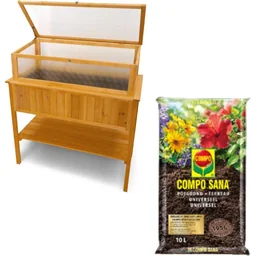
For small growing areas, the raised is also suitable. A vegetable garden table allows you to apply a thin layer of mulch in a controlled way. The raised surface also makes it easier to monitor moisture, weeds and slugs.
If you are planning new crops, you can find suitable vegetable seeds for additional beds.
Important note
Do not use clippings from diseased plants or material containing mature weed seeds. Also, never place mulch directly against plant stems, the crowns of perennials or tree trunks. A distance of five to ten centimetres keeps the base dry and reduces the risk of rot.
How do you use grass clippings and bark mulch?
Using grass clippings on beds
Grass clippings are a quick mulch material when used correctly. Let them dry slightly after mowing and spread them loosely. Fresh grass contains a lot of water and sticks together easily; a thick layer quickly becomes an oxygen-deprived, rotting mat.
Different rules apply when mulching with grass clippings on the lawn. A mulching mower chops the blades finely enough for them to fall between the grass. Mow regularly and remove only a small proportion of the blade length. Long, damp swathes do not belong on the lawn.
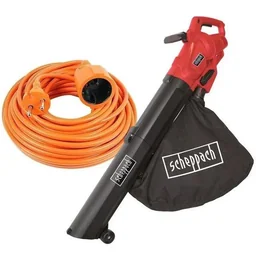
The combines blowing, vacuuming and mulching. You can use it to collect or shred leaves and light garden waste before spreading the material on beds. Before use, check that the material is dry, healthy and free from foreign objects.
How to apply bark mulch correctly
Bark mulch is suitable for paths, ornamental shrubs, robust perennials and larger tree pits. Remove existing weeds first, as the layer stops new seedlings from germinating but does not eliminate deep-rooted weeds. Level the surface and spread five to eight centimetres of coarse material.
Keep it away from trunks and stems. A mulch ring that touches the trunk holds moisture against the bark and encourages fungal growth. For sensitive plants and lime-loving species, check beforehand whether bark mulch is suitable for the location.
Bark mulch can temporarily bind nitrogen as it decomposes. This mainly affects the top layer of soil. Therefore, do not work the material into the soil, and feed heavy-feeding plants separately if necessary.
Using other mulch materials effectively
Straw is lightweight, clean and well suited to strawberries or squash. Chippings are suitable for paths and areas around woody plants, but should not be placed directly under annual vegetables. Gravel, grit and lava granules suit dry ornamental beds, but do not add humus.
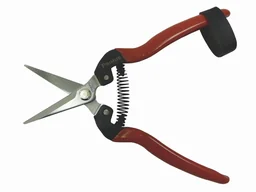
With the you can cut long stems, soft shoots and plant waste into manageable pieces. Short material is easier to distribute evenly and creates fewer large gaps. Clean the tool after use if you have removed diseased plant parts.
“Grass clippings should only be applied in a thin layer to prevent the mulch from sticking together or rotting.”
What mistakes should you avoid when mulching?
Mulch only works when the material, quantity and location are right. The most common problems are not caused by mulching itself, but by layers that are too thick, unsuitable materials or a lack of checks.
These mistakes reduce effectiveness
- Applying mulch too thickly: An excessively thick layer keeps oxygen and water away from the soil. It is better to apply several thin layers over time.
- Piling mulch against the trunk: Damp bark becomes susceptible to rot. Leave a clear ring around every trunk.
- Using wet grass clippings: They mat together, heat up and develop a smell of rot. Let them dry briefly before spreading them thinly.
- Putting bark mulch on every bed: Vegetables, herbs and lime-loving plants often need different materials. Choose straw, leaves or compost when nutrient supply and soil life are the priority.
- Working mulch into the soil: Woody material binds nitrogen as it decomposes. Leave it on the surface.
- Using diseased plant material: Pathogens can remain in the bed. Dispose of infected material with suitable garden waste.
- Ignoring slugs: Damp mulch provides hiding places. Check the bed after rainfall and loosen or reduce the layer if there is a serious infestation.
- Never checking the layer: Organic mulch settles and decomposes. Rake it apart occasionally and add only as much as is actually missing.
Mulching by season
| Season | Recommended action |
|---|---|
| Spring | Wait until the soil has warmed up. Remove weeds, loosen the soil, water and only then apply a thin layer of mulch. |
| Summer | Mulch after watering or substantial rainfall. Check dry layers regularly and top them up if necessary. |
| Autumn | Shred leaves and spread them under shrubs, on perennial beds or between fruit trees. Remove diseased leaves. |
| Winter | Keep the crowns of delicate perennials and woody plants clear. Loosen compacted, wet layers on frost-free days. |
Mulching is part of ongoing soil care. After heavy rainfall, check whether the layer has shifted. Also check whether slugs, voles or rotting areas are developing beneath the material.
Additional advice
Do not choose mulch based on price alone. First consider what the soil and plant need: moisture, nutrients, warmth, clean fruit or vegetable development, or a long-lasting path covering. If you are dealing with slugs, fungal diseases or heavy weed pressure, combine mulch with suitable measures from plant protection.
A quick guide to choosing mulch
- Vegetables: partially dried grass clippings, straw, leaves or a thin layer of compost.
- Strawberries and pumpkins: clean straw or dry wood chips.
- Perennials and shrubs: leaves, wood chips or bark mulch, keeping it away from the plants.
- Paths: coarse bark mulch, wood chips, chippings or gravel.
- Young seedlings: mulch only after they have emerged and keep the layer very thin.
Anyone who mulches correctly protects the soil surface and reduces maintenance. The best layer remains loose, dry enough and suited to the crop. Robust garden tools make everyday work easier.
Frequently Asked Questions
- How thick should a mulch layer be in the garden?
- Two to three centimetres is enough for grass clippings and fine leaves. Straw, coarse leaves and wood chips can be spread three to five centimetres thick. Bark mulch is usually applied at a depth of five to eight centimetres. Leave a few centimetres clear around stems, perennial crowns and woody plant trunks.
- Which mulch is suitable for vegetables?
- Partially dried grass clippings, straw, shredded leaves and mature compost are suitable as a thin covering for vegetable beds. Spread nitrogen-rich material sparingly and when dry. Bark mulch is not suitable directly around many annual vegetable plants because it can acidify the soil and bind nitrogen.
- Can I use fresh grass clippings as mulch?
- Yes, but only in a thin, partially dried layer. A thick layer of fresh grass clippings mats together, heats up and starts to rot. Initially spread no more than two centimetres, do not mix the material into the soil and only add more once it has dried.
- Is bark mulch suitable for all plants?
- No. Bark mulch is particularly suitable for paths, ornamental shrubs and robust perennials. Vegetables, herbs, lime-loving plants and newly planted young plants do not always tolerate it well. Check the required soil pH and keep it away from stems, trunks and plant crowns.
- What are the benefits of mulching in the garden?
- A mulch layer reduces evaporation, protects the soil surface from compaction and slows weed growth. Organic material also supports soil organisms and gradually forms humus. The effect depends on the material, layer thickness and maintenance; wet, rotting mulch can encourage slugs and diseases.
You may also be interested in
- Mulching in an organic garden: Benefits for soil and plants
- How to use bark mulch correctly
- Mulching mowers: The sustainable alternative for your lawn
- Autumn leaves in the vegetable garden: From waste to garden gold
- How to fertilise your garden properly: Your guide to healthy plants
- No-dig gardening: Gardening without digging