
In brief: The ideal garden path depends on its purpose, style and ground conditions. For frequent use, paving slabs or pavers are good choices. For natural-style gardens, bark mulch or gravel work well. A stable sub-base and sufficient width are essential. Our comparison table will help you choose.
A garden path is more than a practical way to get from A to B. It adds structure to your outdoor space, guides the eye and creates atmosphere. With so many materials and systems available, it can be hard to know where to start. Our 2026 comparison looks at how the most popular garden path options measure up for stability, appearance and ease of maintenance, so you can find the right fit for your property.
Contents
Materials compared
Each path material has its own advantages and drawbacks. The table below gives you a quick overview of the most common options.
Our top-rated garden path products, compared:
| Model | Customer rating | Availability |
|---|---|---|
| Algae and moss remover concentrate 1 Liter 🏆 Test winner | ★ 4,9 (19) | In stock |
| Garden slabs, roll-out path - 30 x 126 cm | ★ 4,5 (19) | In stock |
| Set of 10 patio tiles 25mm Green artificial turf | – | Currently unavailable |
| Garden bed edging "GARTENMAUER" stone effect, 5-piece, 290 cm | – | Currently unavailable |
| Garden bed edging "slate stone effect" | – | Currently unavailable |
Natural materials: gravel, bark mulch & chippings
Natural paths blend in beautifully with their surroundings. The materials are usually inexpensive and easy to lay. You’ll need a stable sub-base and edging to keep them in place.
Gravel creates a firm surface and comes in a range of sizes. Finer gravel is more comfortable to walk on. Bark mulch is soft underfoot and ideal for play areas, but it breaks down over time and needs topping up. Chippings have sharper edges and pack together to create a very stable surface.
Ready-made systems: slabs, roll-out paths & pavers
Ready-made systems save time and create a consistent look. They’re a great choice for busy paths that need to handle regular, heavy use, such as routes to the garage or front door.
Concrete and natural stone garden slabs are durable and easy to maintain. Pre-assembled roll-out paths such as the
are especially convenient: simply roll them out and secure them in place. Pavers let you create a range of patterns and are extremely durable.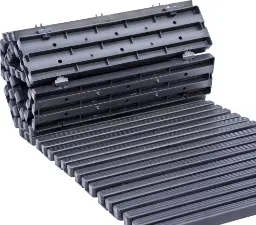
Modern alternatives: timber, grass pavers & composite paving
Wood blocks or grids add a warm, modern look, but need regular treatment to protect them from the weather. Grass pavers are a good option for driveways or parking areas you want to seed with grass. Composite pavers mimic natural stone convincingly and are often easier to install.
Tip: Mix materials to give your garden path network more character. Use solid slabs for main paths, then link flower beds with narrower gravel or bark paths.
Which path is right for my garden?
The right choice depends on three things: how you’ll use the path, the look you want and how much you want to spend on installation and maintenance.
For frequently used paths
For paths to the front door, garage or trash cans, stability and all-weather performance are key. Choose concrete slabs, natural stone pavers or high-quality composite pavers. Make sure the surface is slip-resistant.
For decorative garden paths
Is the path winding through perennial borders or leading to a garden bench? In that case, appearance matters most. Materials such as colored gravel, wood or irregular natural stone slabs make eye-catching features. The path can be narrower, too.
For natural-style gardens
Loose materials look right at home in a cottage-style or natural garden. Bark mulch, wood chippings or woodland gravel are great choices and blend well with perennials and shrubs. Garden edging such as the
or helps keep the material in place.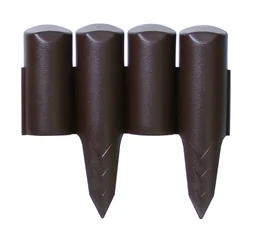
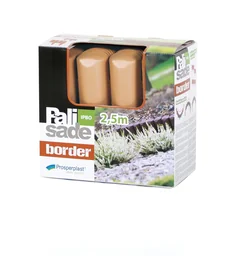
Warning: Loose materials such as gravel and bark can shift over time, so stable edging is essential. Set edging stones deep or use sturdy garden borders to stop the path spreading into flower beds.
The most important buying criteria
Keep these points in mind before choosing a material.
Load-bearing capacity and soil conditions
What is your soil like? Soft, clay-heavy soil needs a particularly stable foundation. A thick layer of crushed stone is essential for heavy loads, while light paths in ornamental areas need less of a sub-base.
Year-round maintenance
Think about how much time you want to spend on upkeep. Paving stones may need regular weeding. Gravel paths need occasional leveling, and wooden paths need a protective coating. A product such as
can help with cleaning.
Appearance and how it fits your overall design
Your path should complement the style of your home and garden. A modern home pairs well with a modern path, while a country-style home suits a more natural look. Try different colors and shapes. Straight lines look neat, while curved paths feel romantic and can make a garden appear larger.
How to Lay the Perfect Garden Path
A beautiful, long-lasting path starts with careful preparation. These steps work for most types of garden path.
1. Mark out the path: Mark the route with string and wooden stakes. A garden hose can help you map out curves.
2. Excavate the ground: Dig out the soil to a depth of around 25-30 cm. The exact depth depends on the planned sub-base.
3. Add the sub-base: Fill the trench with a 15-20 cm layer of crushed stone or gravel. Compact it thoroughly with a plate compactor or hand tamper.
4. Lay the surface: Add your path material on top of the compacted sub-base: sand for pavers, the paving slabs themselves, or a layer of gravel.
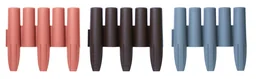
5. Install the edging: Secure edging stones or a garden border such as the
Garden Path Maintenance and Upkeep
With a little care, your garden path will stay attractive and functional for years.
Regular basic maintenance
Sweep hard-surface paths regularly. Remove leaves and moss, which can make the surface slippery. Use a joint scraper or hot-air weed remover to tackle weeds between pavers. For stubborn green buildup, try a suitable cleaning concentrate.
Repairs when damaged
Reset any loose pavers and refill the joints. For gravel paths, add more gravel after a few years to keep the surface level. Replace damaged garden edging to keep the material from spreading.
Winter care
When surfaces are icy, use traction materials such as grit or sand. Avoid rock salt, which can damage many materials and harm plants. Clear snow promptly so the paving does not stay wet for long periods.
Note: A professionally built foundation can significantly extend the life of your path. Don’t skimp on the sub-base. Careful installation upfront saves time and money on repairs in the long run.
Garden Path Design Ideas
Creative details can turn a functional path into a design feature.
Lighting along the path
Solar-powered in-ground lights or low lanterns along the path add safety and create a magical atmosphere in the evening. Space lights evenly or place them at key points, such as bends.
Planting along the edges
Soften hard edges with perennials and grasses. Low-growing plants such as aubrieta or creeping thyme add a charming touch. Taller grasses bring movement and a lighter feel. Find inspiration for your garden beds in our Garden category.
Combining materials and patterns
Add a distinctive touch! Set natural stone stepping stones into a gravel path. Frame a paved path with a row of small fieldstones. Or create a simple pattern with pavers in different colors.
Our verdict
Choosing the right garden path means balancing practicality, appearance, and maintenance. For main paths, durable hard surfaces such as slabs or pavers are a smart investment. In ornamental areas, natural materials such as gravel stand out for their relaxed look. Whatever material you choose, properly preparing the ground is the key to a path that lasts.
Think about the whole garden: a path is part of your overall garden path design. It connects different areas and brings together the design elements within them. With the products and tips featured here, you can find a path that suits your garden and your ideas.
Frequently Asked Questions
- How wide should a garden path be?
- For comfortable single-file walking, plan for a width of 60 to 80 centimeters. If you want the path to fit two people walking side by side or a wheelbarrow, make it at least 1.20 meters wide. Be sure to leave enough room.
- What is the best material for a barefoot path?
- Soft, warm materials that feel good underfoot are ideal for barefoot paths. Finely screened gravel, bark mulch, or special wooden stepping stones make for a pleasant walk. Avoid sharp-edged stone chips or coarse paving.
- Do I need landscape fabric under a garden path?
- Landscape fabric is recommended for almost all paths, especially those made of gravel, bark, or stone chips. It helps prevent weeds and keeps the sub-base clean. You can leave it out under permeable paving if you fill the joints with sand.
- Can I build a garden path myself?
- Yes, many garden paths are suitable for DIY installation. The key is to prepare the ground carefully and build a stable foundation. Simple options such as grass pavers or pre-fabricated path rolls like PRODUCT_131429 are especially easy to install.
- How do I maintain a gravel path?
- Rake the gravel regularly to smooth out uneven areas. Remove leaves and other organic material promptly to help prevent moss. If weeds take over, a specialty algae and green growth remover such as PRODUCT_121417 can help.
You may also be interested in
- Garden Furniture Test & Comparison 2026
- Weed Killer Test & Comparison 2026: The Best Products Reviewed
- Lawn Edger Test & Comparison 2026: The Best Models Reviewed
- How Do I Build a Garden Path? Practical Design Tips
- Bike Accessories Test & Comparison 2026: The Best Products Reviewed
- Fitness Equipment Test & Comparison 2026: The Best Equipment for Your Workout