
Kurz erklärt: Einen Garten mieten Sie am besten, indem Sie sich direkt an Kleingartenvereine in Ihrer Nähe wenden. Viele führen Wartelisten. Alternativ bieten Online-Portale und lokale Anzeigen Möglichkeiten. Es handelt sich meist um einen Pachtvertrag, der Ihnen erlaubt, Obst und Gemüse zu ernten. Achten Sie bei der Übernahme auf die Ablösesumme und die Vereinssatzung.
Der Wunsch nach einem eigenen Stück Grün wächst, besonders in der Stadt. Ein Ort zum Entspannen, um eigenes Gemüse anzubauen und die Natur zu genießen. Ein Garten muss aber nicht gekauft sein. Einen Garten zu pachten ist eine flexible und erschwingliche Möglichkeit, diesen Traum zu verwirklichen. Ob Schrebergarten, Kleingarten oder eine saisonale Mietparzelle, die Optionen sind vielfältig.
Dieser Ratgeber führt Sie durch den gesamten Prozess: von der Suche über die Kosten bis zu den ersten Handgriffen in Ihrem neuen grünen Reich. Entdecken Sie alles, was Sie für Ihr nächstes Garten + Outdoor Abenteuer benötigen.
Was ist der Unterschied zwischen Mieten und Pachten?
Im Alltag werden die Begriffe „Garten mieten“ und „Garten pachten“ oft synonym verwendet. Rechtlich gibt es jedoch einen wichtigen Unterschied. Ein Mietvertrag gestattet Ihnen die Nutzung einer Sache, zum Beispiel einer Wohnung. Ein Pachtvertrag geht einen Schritt weiter: Er erlaubt Ihnen nicht nur die Nutzung, sondern auch die „Fruchtziehung“.
Für einen Garten bedeutet das: Sie dürfen Obst, Gemüse und Kräuter anbauen und diese auch ernten. Genau aus diesem Grund schließen Sie für einen Kleingarten in der Regel einen Pachtvertrag ab. Grundlage für die meisten Verträge in Kleingartenanlagen ist das Bundeskleingartengesetz (BKleingG), das Rechte und Pflichten für Pächter und Verpächter regelt.
Wie finden Sie den richtigen Kleingarten zur Pacht?
Der Weg zur eigenen Parzelle erfordert etwas Initiative und Geduld. Die Nachfrage ist besonders in Großstädten hoch. Mit der richtigen Strategie kommen Sie Ihrem Ziel jedoch schnell näher.
Die Suche beginnt: Anlaufstellen und Plattformen
Die erste und wichtigste Anlaufstelle ist der örtliche Kleingartenverein oder der übergeordnete Stadt- bzw. Kreisverband. Rufen Sie dort an oder schreiben Sie eine E-Mail und fragen Sie nach freien Parzellen oder der Möglichkeit, sich auf eine Warteliste setzen zu lassen. Besuchen Sie die Anlagen persönlich, um sich einen Eindruck zu verschaffen.
Behalten Sie auch Online-Portale wie eBay Kleinanzeigen im Auge. Manchmal suchen Pächter privat nach Nachfolgern. Auch klassische Methoden wie ein Blick auf das Schwarze Brett im Supermarkt oder in lokalen Zeitungen können zum Erfolg führen.
Kleingärten sind mehr als nur ein Stück Grün. Sie sind soziale Treffpunkte, Lernorte für Kinder und leisten einen wichtigen Beitrag zur städtischen Biodiversität und zum Klimaschutz.
Die Besichtigung: Worauf Sie achten müssen
Haben Sie einen potenziellen Garten gefunden, steht die Besichtigung an. Nehmen Sie sich Zeit und prüfen Sie alles gründlich. Kontrollieren Sie den Zustand der Gartenlaube: Ist das Dach dicht? Wie solide ist das Fundament? Gibt es Strom- und Wasseranschlüsse und sind diese funktionstüchtig?
Werfen Sie einen genauen Blick auf den Garten selbst. Wie ist die Bodenqualität? Welche Pflanzen sind vorhanden und in welchem Zustand sind sie? Ein stark verunkrauteter Garten bedeutet viel Arbeit zu Beginn. Erkundigen Sie sich auch nach der Infrastruktur der Anlage, zum Beispiel nach Gemeinschaftstoiletten oder Parkmöglichkeiten.
Mit welchen Kosten müssen Sie beim Garten pachten rechnen?
Die Pacht eines Kleingartens ist im Vergleich zum Kauf eines Grundstücks günstig. Dennoch sollten Sie die Kosten nicht unterschätzen. Diese setzen sich aus einmaligen und laufenden Posten zusammen.
Einmalige Kosten bei der Übernahme
Der größte Posten ist die Ablösesumme für den Vorpächter. Sie zahlen für die vorhandene Laube, fest verbaute Einrichtungen, Anpflanzungen wie Obstbäume oder Beerensträucher und manchmal auch für übernommene Geräte. Die Höhe dieser Summe wird nicht willkürlich festgelegt, sondern durch einen offiziellen Wertermittler des Vereins oder Verbandes bestimmt. Zusätzlich fällt eine einmalige Aufnahmegebühr für den Verein an.
Wichtiger Hinweis
Bestehen Sie immer auf ein offizielles Wertermittlungsprotokoll. Es schützt Sie davor, eine überhöhte Ablösesumme zu zahlen. Private Absprachen über den Schätzwert hinaus sind in Kleingartenanlagen unzulässig.
Laufende jährliche Kosten
Jedes Jahr fallen verschiedene Gebühren an. Dazu gehört der Pachtzins für das Grundstück, der Mitgliedsbeitrag für den Verein und die Kosten für Versicherungen, insbesondere eine Laubenversicherung gegen Feuer und Einbruch. Hinzu kommen verbrauchsabhängige Kosten für Wasser und Strom. Insgesamt belaufen sich die laufenden Kosten je nach Region und Verein auf etwa 300 bis 600 Euro pro Jahr.
Die Regeln im Schrebergarten: Was ist erlaubt und was nicht?
Ein Kleingarten bietet Freiheiten, ist aber kein rechtsfreier Raum. Das Zusammenleben in einer Anlage wird durch die Vereinssatzung und das Bundeskleingartengesetz geregelt. Machen Sie sich vor Vertragsabschluss mit den Regeln vertraut.
Anbau und Gestaltung
Eine zentrale Vorgabe ist die kleingärtnerische Nutzung. Oft gilt die sogenannte Drittel-Regelung: Ein Drittel der Fläche soll für den Anbau von Obst und Gemüse genutzt werden, ein Drittel dient als Ziergarten mit Rasen und Blumen, und das letzte Drittel entfällt auf die Laube, Wege und den Sitzplatz. Die genauen Vorschriften zur Höhe von Hecken oder zur Art der erlaubten Bäume finden Sie in der Gartenordnung.
Um sofort für Privatsphäre zu sorgen, während die neue Hecke noch wächst, eignet sich eine praktische Sichtschutzlösung. Die
Bauzaunblende lässt sich einfach an Zäunen befestigen und schirmt Sie vor neugierigen Blicken ab.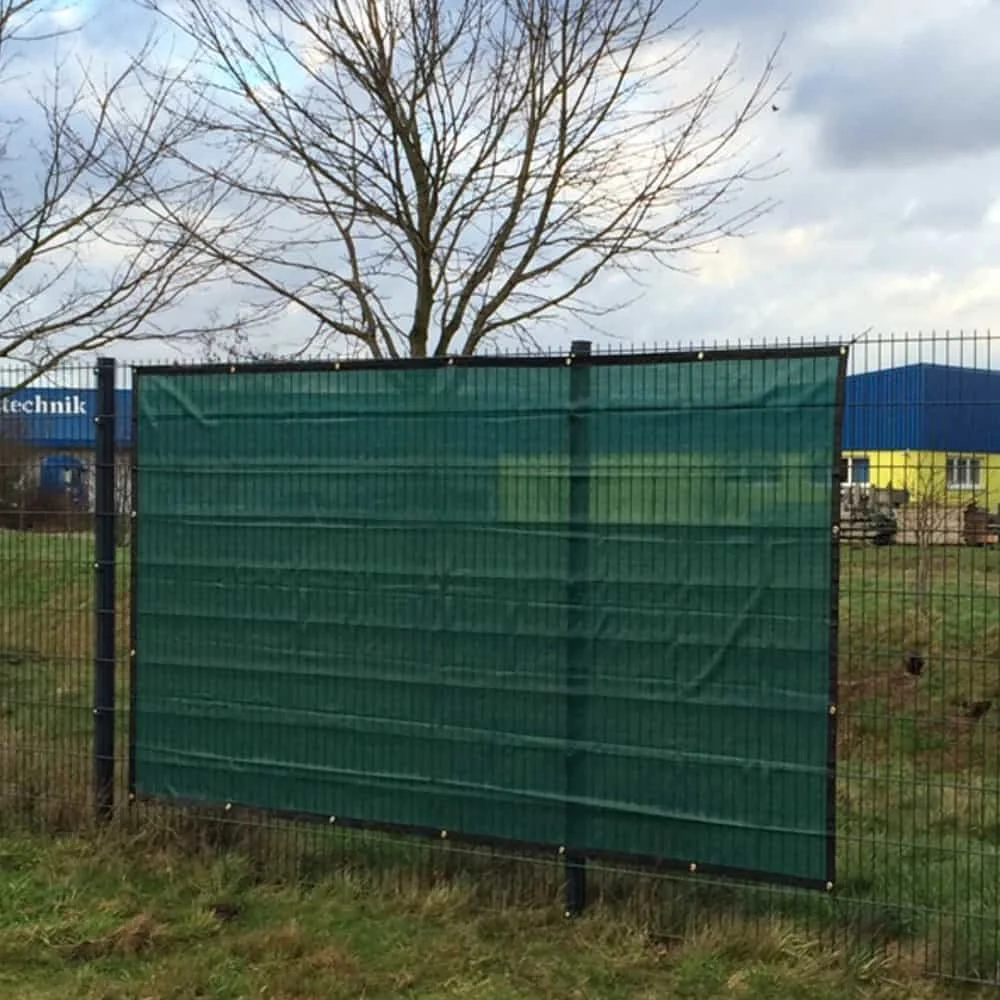
Laube, Bauen und Wohnen
Die Größe der Gartenlaube ist gesetzlich auf maximal 24 Quadratmeter inklusive überdachtem Freisitz begrenzt. Größere Bauten sind nicht gestattet. Wichtig: Dauerhaftes Wohnen im Kleingarten ist verboten. Die Parzelle dient der Erholung, nicht als Hauptwohnsitz.
Profi-Tipp
Stellen Sie sich frühzeitig beim Vereinsvorstand und den direkten Gartennachbarn vor. Ein gutes Verhältnis erleichtert das Ankommen und hilft bei Fragen. Oft erhalten Sie von erfahrenen Gärtnern wertvolle Ratschläge und vielleicht sogar die eine oder andere Pflanze.
Gemeinschaft und Pflichten
Das Leben im Verein bringt auch Pflichten mit sich. Dazu gehört die Einhaltung von Ruhezeiten, meist mittags sowie an Sonn- und Feiertagen. Ein wichtiger Bestandteil ist die Gemeinschaftsarbeit. Jeder Pächter muss eine bestimmte Anzahl von Stunden pro Jahr bei der Pflege der Gemeinschaftsflächen (Wege, Vereinsheim, Spielplatz) mithelfen.
Die ersten Schritte in Ihrem neuen Gartenparadies
Sie haben den Pachtvertrag unterschrieben – herzlichen Glückwunsch! Jetzt beginnt der schönste Teil: die Gestaltung Ihres eigenen grünen Reichs. Gehen Sie dabei schrittweise vor.
Bestandsaufnahme und Planung
Machen Sie zuerst eine gründliche Bestandsaufnahme. Welche Pflanzen sind vorhanden? Welche möchten Sie behalten? Prüfen Sie den Zustand des Bodens. Eine einfache Bodenanalyse gibt Aufschluss über Nährstoffgehalt und pH-Wert. Erstellen Sie anschließend einen groben Plan für die erste Saison: Wo sollen Gemüsebeete entstehen, wo die Blumenrabatte und wo der Spielbereich für die Kinder?
Die Grundausstattung: Was Sie wirklich brauchen
Für den Start benötigen Sie eine solide Grundausstattung an Gartenwerkzeugen. Unverzichtbar sind Spaten, Grabegabel, Harke, eine kleine Hacke und eine gute Gartenschere. Die
"Wunderschere" ist ein vielseitiger Helfer für kleinere Schnittarbeiten an Stauden und Sträuchern. Denken Sie auch an die Gartenbewässerung: Eine Gießkanne und ein langer Gartenschlauch sind essenziell.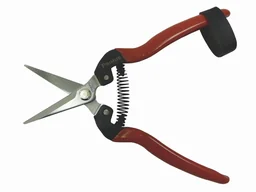
Zusätzlicher Rat
Überfordern Sie sich im ersten Jahr nicht. Konzentrieren Sie sich auf wenige Projekte. Es ist besser, ein Beet perfekt zu pflegen, als fünf nur halbherzig. Der Garten ist ein Marathon, kein Sprint. Genießen Sie den Prozess und lernen Sie Ihr Grundstück kennen.
Rasenpflege und Bodenverbesserung
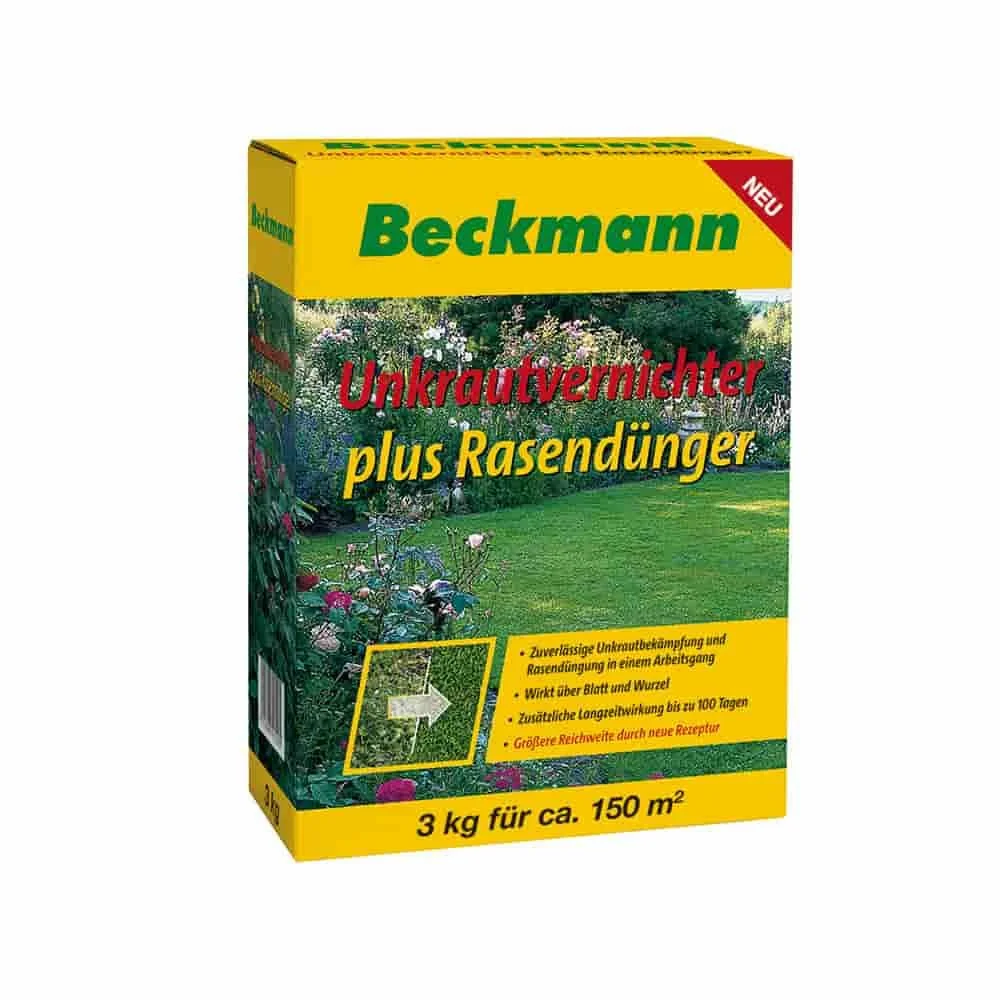
Ein oft vernachlässigter Rasen ist eine der ersten Baustellen. Mähen, vertikutieren und düngen Sie ihn, um ihm neues Leben einzuhauchen. Ein Dünger mit Langzeitwirkung versorgt das Gras über Wochen mit allen wichtigen Nährstoffen. Für große Flächen eignet sich der
Rasendünger im 25-kg-Sack. Bei kleineren Parzellen mit Unkrautproblemen ist der Rasendünger mit Unkrautvernichter eine gute Wahl. Legen Sie außerdem einen Komposthaufen an. Er liefert Ihnen kostenlosen, wertvollen Dünger und verbessert nachhaltig die Bodenstruktur.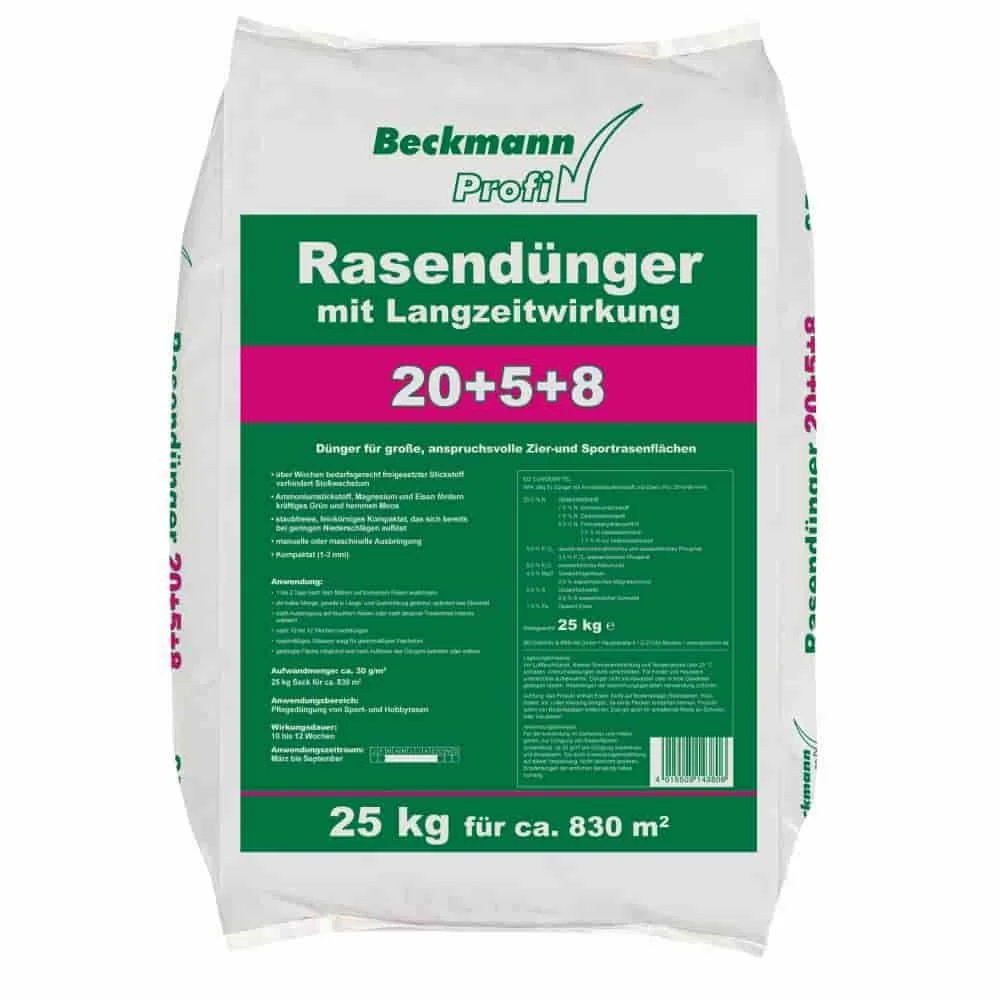
Alternativen zum klassischen Schrebergarten
Wenn die Wartelisten zu lang sind oder Sie sich nicht langfristig binden möchten, gibt es interessante Alternativen. Sogenannte Mietgärten oder Ackerparzellen werden oft von Landwirten für eine Saison angeboten. Die Flächen sind bereits vorbereitet und teilweise sogar bepflanzt. Sie übernehmen die Pflege und ernten.
Urban-Gardening-Projekte und Gemeinschaftsgärten sind eine weitere Möglichkeit. Hier gärtnern Sie gemeinsam mit anderen auf öffentlichen oder bereitgestellten Flächen. Der Fokus liegt auf dem gemeinschaftlichen Erlebnis und dem Wissensaustausch. Auch die private Gartenteilung, bei der Besitzer großer Gärten einen Teil an andere abgeben, wird immer populärer.
Gemeinschaftsgärten verwandeln anonyme städtische Flächen in lebendige Nachbarschaftsorte, an denen Menschen gemeinsam säen, ernten und voneinander lernen.
Einen Garten zu pachten, ist eine wunderbare Möglichkeit, sich den Traum vom eigenen Grün zu erfüllen. Es bedeutet Arbeit, aber auch unbezahlbare Momente der Entspannung, die Freude an der eigenen Ernte und ein intensives Naturerlebnis. Mit der richtigen Vorbereitung und der passenden Gartenausstattung steht Ihrem persönlichen Paradies auf Zeit nichts mehr im Wege.
Häufige Fragen
- Wie viel kostet es, einen Schrebergarten zu pachten?
- Die Kosten variieren stark. Rechnen Sie mit einer einmaligen Ablösesumme für Laube und Inventar (mehrere tausend Euro), einer Aufnahmegebühr für den Verein sowie jährlichen Kosten für Pacht, Mitgliedsbeitrag, Versicherung und Nebenkosten wie Wasser und Strom, die sich oft auf 300 bis 600 Euro belaufen.
- Darf man im Kleingarten dauerhaft wohnen?
- Nein, dauerhaftes Wohnen im Kleingarten ist durch das Bundeskleingartengesetz (BKleingG) verboten. Die Laube dient der Erholung und der Aufbewahrung von Geräten, aber nicht als Hauptwohnsitz. Gelegentliche Übernachtungen am Wochenende sind meist erlaubt.
- Was ist der Unterschied zwischen Miete und Pacht bei einem Garten?
- Beim Mieten überlässt man Ihnen eine Sache zum Gebrauch. Beim Pachten dürfen Sie nicht nur die Sache nutzen, sondern auch die „Früchte“ daraus ziehen. Für einen Garten, in dem Sie Obst und Gemüse anbauen und ernten, ist daher ein Pachtvertrag die rechtlich korrekte Form.
- Wie lange sind die Wartelisten für einen Kleingarten?
- In Ballungsgebieten und beliebten Städten können die Wartelisten für einen Schrebergarten mehrere Jahre lang sein. In ländlicheren Regionen oder weniger gefragten Anlagen finden Sie oft schneller eine freie Parzelle. Eine direkte Anfrage beim örtlichen Verein gibt Ihnen die beste Auskunft.
- Welche Pflichten habe ich als Kleingärtner?
- Neben der Pflege der eigenen Parzelle müssen Sie sich an die Vereinssatzung halten. Dazu gehören Ruhezeiten, die Teilnahme an Gemeinschaftsarbeitsstunden zur Pflege der Vereinsanlagen und die Einhaltung von Bau- und Anbauvorschriften, wie der Drittel-Regelung für den Anbau.
Das könnte Sie auch interessieren
- Wie Sie einen Kleingarten finden und pachten
- Gärten gestalten: Ideen für Ihr grünes Paradies
- Stadtgrün gestalten: Ihr kleiner Garten in der City
- Wohnen im Garten: So verwirklichen Sie Ihren Traum vom Mini-Zuhause
- Selbstversorger werden: Schritt für Schritt zum eigenen Gartenparadies
- Gartentour: Inspirationen und Ideen für Ihren Traumgarten