
In short: A large garden thermometer is essential for protecting plants from frost, managing water requirements in hot weather, and choosing the right time for sowing and harvesting. Its excellent readability enables quick decisions, especially during critical periods such as spring and autumn, helping to keep your garden healthy.
The temperature in your garden determines growth, flowering and harvest. Ignoring it means leaving your success to chance. A precise thermometer is therefore not a nice accessory but an essential tool. It provides the data you need to make informed decisions. When should you plant sensitive tomatoes? When do potted plants need to be moved into winter storage? The answer is on the scale.
A quick glance is all it takes, but that glance needs to be reliable. Especially in large gardens, or when you want to check conditions quickly from the kitchen window, readability becomes crucial. This is where a large, clear display shows its strengths.
The is designed specifically for this purpose. Thanks to its impressive size and switchable LED lighting, you can read the temperature effortlessly day and night. It is robust, weatherproof and provides the precise information you need to care for your garden. A tool that combines style and function.

Why is a large garden thermometer more than just decoration?
An XXL thermometer serves one primary purpose: providing immediate, unambiguous information. You do not need to step closer or squint. A quick glance through the patio door is enough to tell whether the temperature is falling into the critical range. This quick overview saves time and enables proactive action before plants are damaged.
Imagine a cool spring night. The weather app forecasts 4 °C, but in your sheltered garden, still air and proximity to the ground may already be bringing temperatures close to freezing. A large, well-positioned thermometer shows you the reality on site. This local accuracy cannot be replaced by any weather forecast. Based on the facts, you can decide whether to cover young vegetable plants or move citrus trees to safety.
As well as being functional, a high-quality thermometer also fits stylishly into your garden equipment. It signals a thoughtful and careful approach to garden care. It is a statement that shows you take your plants’ needs seriously and understand and respect their natural cycles.
A gardener who does not know the local temperature is like a captain without a compass. They rely on rough maps when a precise needle could show the way.
When exactly do you need to know the garden temperature? The critical moments throughout the year
The garden goes through different phases during the year in which temperature plays a leading role. Focusing your attention on these critical moments is the key to a flourishing garden.
Spring: The risk of late frost
Spring is a time of hope and new beginnings. But it also brings the greatest danger: late frost. Once the first tender shoots and blossoms have appeared, a single cold night can cause devastating damage. The Ice Saints period in May is particularly notorious. A thermometer warns you in good time when the temperature falls into the critical range around 0 °C.
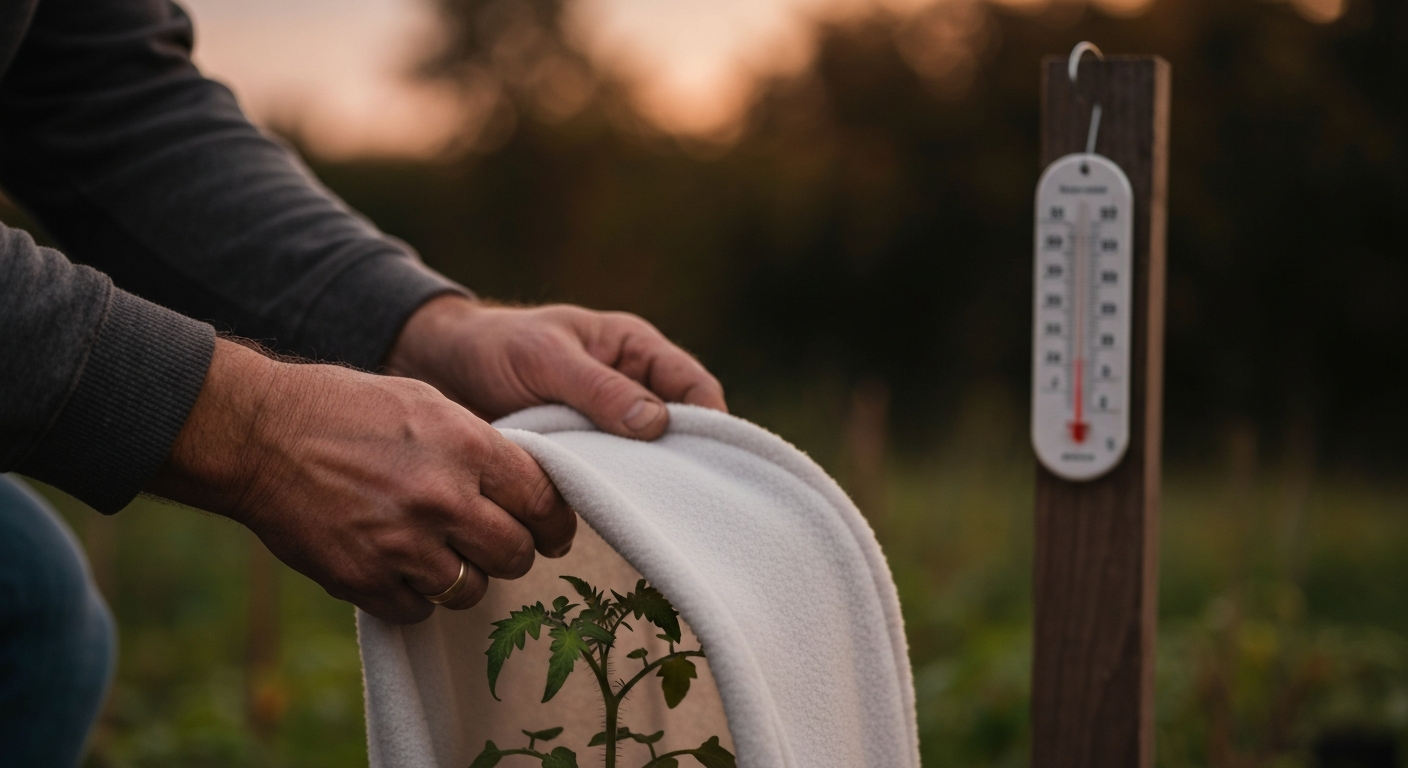
Young vegetable plants such as tomatoes, cucumbers and courgettes are extremely sensitive to frost. You should not plant them out until after the last frosts. A thermometer helps you determine the exact time instead of relying solely on calendar dates. Fruit blossoms, which form the basis of a plentiful harvest, can also be destroyed by late frost. With accurate temperature readings, you can take protective measures such as covering plants with fleece in good time.
Important note
Remember that temperatures close to the ground are often a few degrees colder than at a height of two metres, where thermometers usually measure them. If the displayed temperature falls to 2-3 °C, frost may already be present at ground level.
Summer: Heat stress and water requirements
In summer, the challenge is reversed. Extreme heat above 30 °C puts many plants under stress. Evaporation increases exponentially and water requirements rise sharply. A thermometer shows you when the hottest hours of the day have arrived. During this period, you should avoid strenuous gardening work and, above all, avoid watering, as the water will evaporate too quickly and droplets on leaves can act like magnifying glasses.
Temperature readings help you optimise your watering strategy. Water in the cool morning or evening hours, once the temperature has fallen. This allows the water to penetrate deep into the soil and reach the roots instead of evaporating unused. Lawns and thirsty plants such as hydrangeas benefit particularly from this temperature-based approach. Good garden watering is essential.
Autumn: Preparing for the cold
Autumn is a time of transition. The days grow shorter and the nights colder. The thermometer now becomes a signal for important preparations for winter. The first overnight frost marks a decisive turning point. It ends the season for many summer flowers and signals that it is time to harvest the last frost-sensitive vegetables, such as peppers and aubergines.
Potted plants such as oleanders, citrus trees and geraniums need to be moved into winter storage in good time. Keeping a regular eye on overnight temperatures prevents you from being caught out by a sudden cold snap. At the same time, autumn is the ideal planting season for spring bulbs. Soil temperature, which closely correlates with air temperature, is crucial for successful rooting before winter.
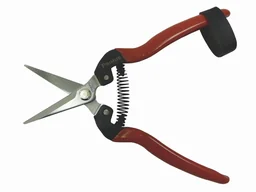
For pruning perennials and shrubs, it is best to use sharp, reliable tools. The is a versatile helper that enables precise cuts and prepares plants for their dormant phase.
Pro tip
Use your thermometer data to keep a garden journal. Note the temperatures at the first frost, during sowing and during unusual weather events. Over the years, you will build invaluable knowledge about the specific climate in your garden.
How do you choose the right winterproof garden thermometer?
A garden thermometer is exposed to the elements. Rain, snow, UV radiation and extreme temperature fluctuations place high demands on the materials and workmanship. A model labelled “winterproof” is therefore not an option but a necessity for year-round use.
Look for high-quality materials such as stainless steel, powder-coated metal or UV-resistant plastic. These materials do not rust, become brittle or lose their appearance over many years. The scale should be clearly and permanently printed so that it remains easy to read even after several winters. For digital models, a well-sealed housing is essential to protect the electronics from moisture.
The measuring liquid in analogue thermometers should be designed for low temperatures. Traditional mercury thermometers are now rarely used for environmental reasons. Instead, most use a coloured alcohol filling that continues to work reliably even in severe frost. Check the manufacturer's stated measuring range to ensure that the thermometer covers the sub-zero temperatures typical in your region.
The perfect location: Where should you place your garden thermometer for accurate readings?
Even the best thermometer is of little use if it is hung in the wrong place. Its location is crucial for accurate readings. A poorly positioned thermometer can lead you to draw the wrong conclusions and take inappropriate steps to care for your garden.
The most common mistake is installing it in full sun. Direct sunlight heats the housing and the measuring liquid, resulting in absurdly high and completely unusable readings. You are measuring the temperature of the device, not the surrounding air. Directly mounting it on a south-facing house wall is just as unsuitable, as the wall stores and radiates heat.
The ideal location is shady, well ventilated and representative of most of your garden. A north-facing shed wall or a position under a porch roof is often suitable. Hang the thermometer at a height of around 1.5 to 2 metres. This avoids the direct radiant heat from the ground and measures the air temperature that is relevant to most plants. This location should be part of your general Garden + Outdoor area, which you keep an eye on regularly.
Additional advice
If you have a very large or structured garden with different zones, such as a sunny stone patio and a shady woodland garden corner, it may be useful to install two thermometers. This gives you a better understanding of the different microclimates on your property.
More than just temperature: What your thermometer reveals about microclimates
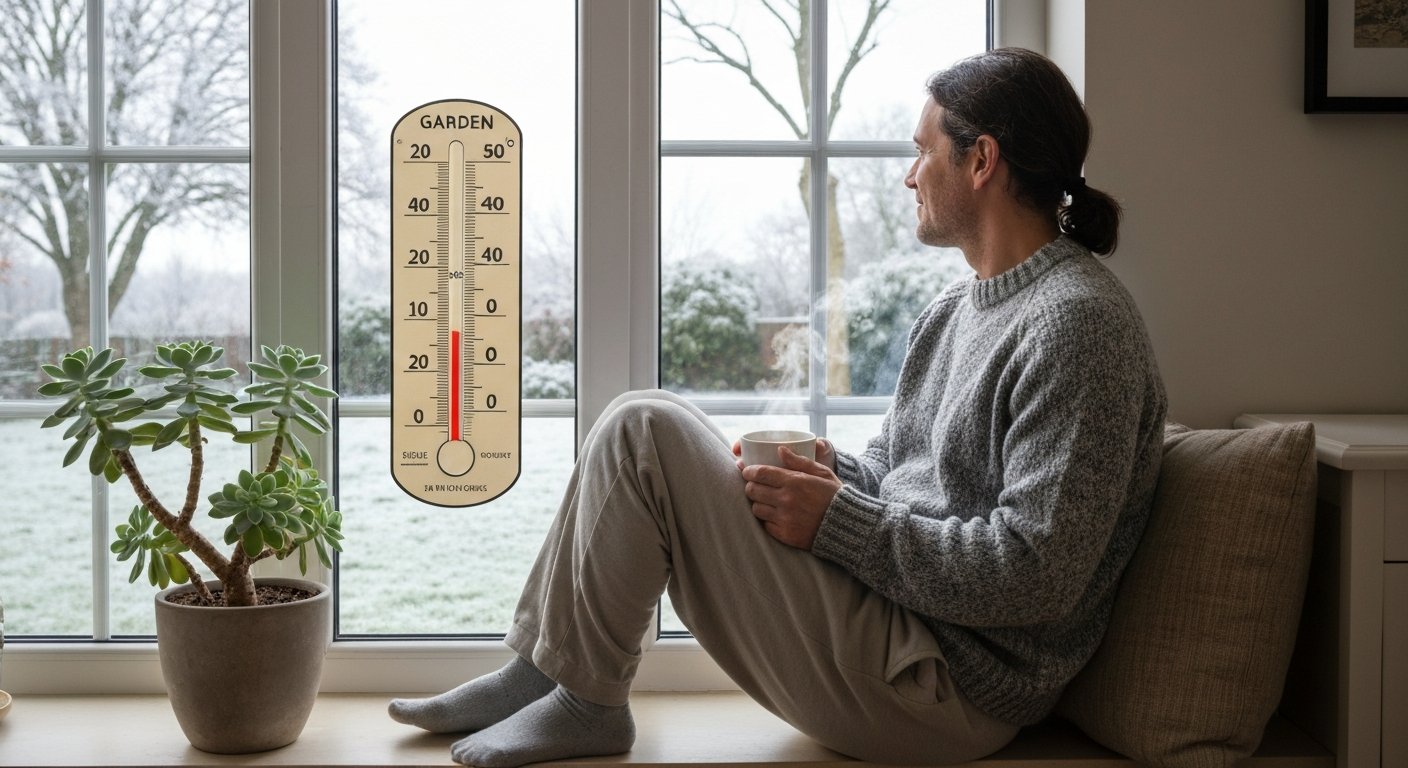
Your garden is not a homogeneous space with a single temperature. It is a landscape made up of different microclimates. A sheltered corner beside a south-facing wall can be several degrees warmer than an open lawn. An area beneath tall trees stays cooler in summer and slightly milder in winter. A thermometer helps you discover and understand these subtle but significant differences.
This knowledge is pure gold when planning your plants. Heat-loving herbs such as rosemary and thyme thrive in the warmest spot in the garden. Plants that are sensitive to winter cold have a better chance of survival in a sheltered niche. By measuring the temperature in different locations, you can find the perfect spots for your garden and plant accessories investments.
A thermometer therefore becomes more than a simple measuring instrument: it becomes a research tool. You get to know your garden on a deeper level. You understand why certain plants flourish in one location but struggle in another. This ability to observe is one of the most important skills for any gardener. Precise data supports your intuition and helps you make informed decisions.
The art of gardening begins with understanding your own piece of land. A thermometer is the simplest yet most powerful tool for learning the language of your local climate.
A large, easy-to-read garden thermometer is an investment that pays off many times over. It protects your plants from extreme weather, helps you use resources such as water more efficiently and gives you a better understanding of your garden. It is one of the most important garden tools and makes the difference between guessing and knowing. With precise temperature data, you can transform your garden into a place where your plants do not merely survive but thrive.
Frequently Asked Questions
- Where should a garden thermometer be hung?
- Hang it in a shady, well-ventilated location, ideally on a north-facing wall, around 1.5 to 2 metres above the ground. Avoid direct sunlight and proximity to house walls to prevent distorted readings and measure the actual air temperature.
- Why is an XXL garden thermometer better?
- An XXL thermometer offers superior readability, even from a distance. You can quickly check the temperature from the window without going outside. This is particularly useful when the weather changes suddenly and makes it easier to decide quickly whether your plants need protection.
- What does 'winterproof' mean for a garden thermometer?
- A winterproof thermometer is made from weather-resistant materials such as stainless steel or robust plastic and is sealed against moisture. It withstands sub-zero temperatures, snow and ice without breaking or providing inaccurate readings, ensuring long-lasting use in the garden.
- Can I rely on a weather app?
- Weather apps provide a good general forecast, but they do not measure the specific microclimate in your garden. A thermometer of your own records the exact temperature among your plants, which can differ significantly from the app's forecast due to walls, hedges or proximity to the ground.
- At what temperature do I need to protect my plants?
- You should protect sensitive plants as soon as temperatures drop below 5 °C, as ground frost can occur earlier. Conditions become critical at 0 °C. An accurate thermometer warns you in time to use fleece, plant covers or other garden fleece to protect your plants.
You might also be interested in
- XXL Garden Thermometer: More Than Just Garden Décor?
- XXL LED Garden Thermometer: How to Care for It Properly
- Garden Planning with a Weather Station: Data for Optimal Growing
- The Start of Spring: When the Gardening Season Really Begins
- When Are Garden Nails Useful? The Seasonal Guide
- The Seasonal Garden Calendar: The Right Care All Year Round