
In brief: You can control your garden irrigation smartly by relying on automation and precision. An irrigation controller switches the water supply on according to a schedule. Moisture sensors measure soil moisture and release water only when needed. Drip irrigation systems or micro-irrigation deliver water directly to the roots, where it is needed. This prevents waste caused by evaporation or overwatering.
Smart Garden Irrigation: Efficiency & Save Water
Your garden needs water. But does it have to come from a watering can or sprinkler at midday? Smart systems take care of the work for you and dispense water precisely. You save time and reduce your consumption by up to 70 percent. The technology ranges from a simple timer to a connected complete system.
The right component for your needs is crucial. A large lawn requires different technology from a vegetable bed. We show you the options.
Why traditional watering wastes water
You water by hand or set up the sprinkler. These methods are inefficient. A lot of water evaporates before it reaches the soil. Wind carries it away. The surface becomes wet, while the roots often remain dry.
Overwatering is a common mistake. It encourages fungal growth and washes nutrients out of the soil. Automatic systems eliminate this trial and error. They deliver measurable results.
Up to 50 percent of the water used in gardens is lost through evaporation or inaccurate distribution. Precise control is the key to sustainability.
The foundation: Build a reliable irrigation system
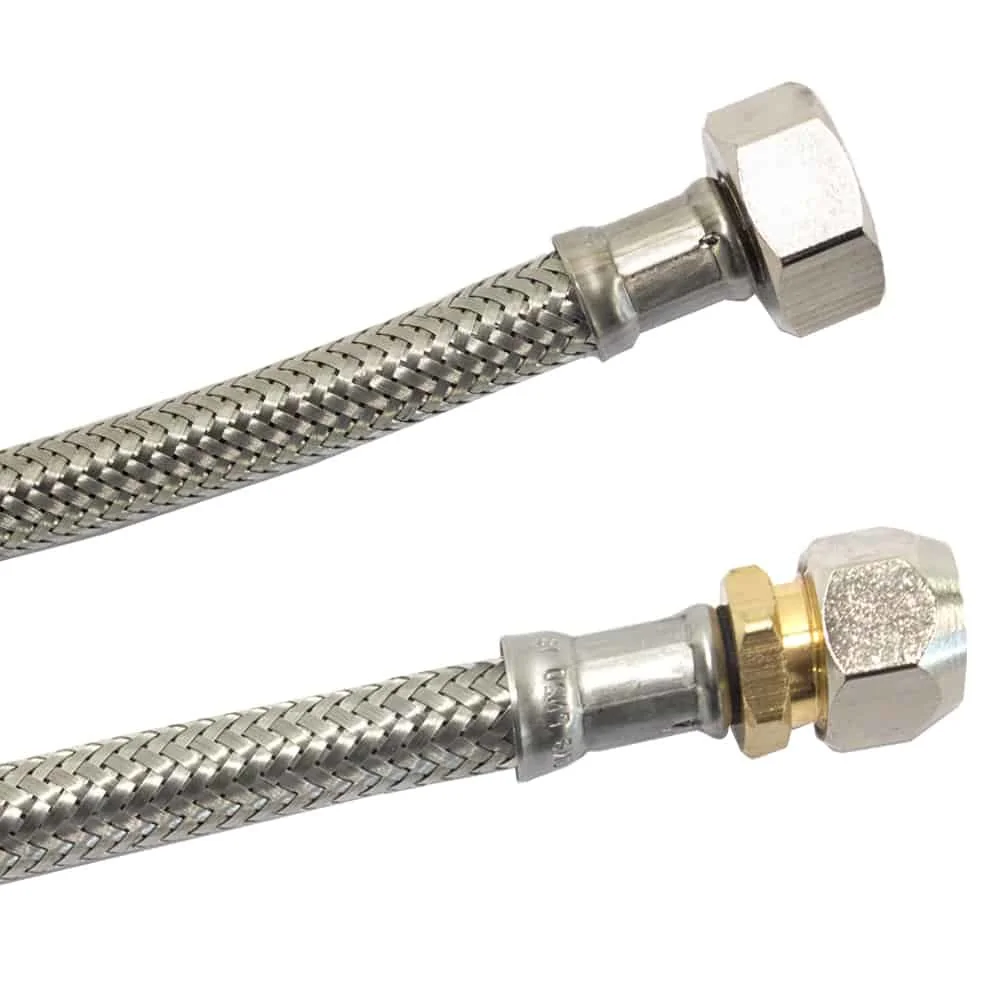
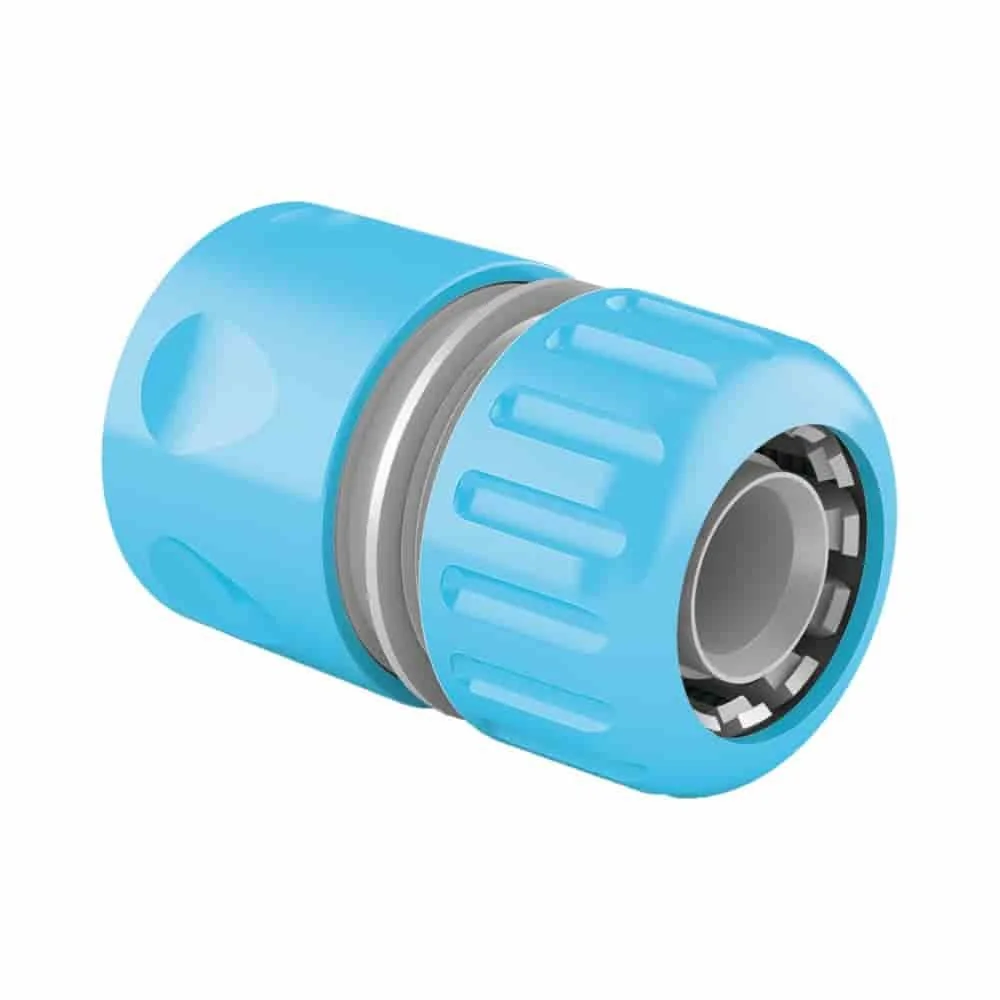
Before making it smart, you need to get the foundations right. A robust pipe system distributes the water. High-quality connections are essential. They prevent leaks and pressure loss.
PE pipes are suitable for permanently installed lines. They are frost-resistant and UV-resistant. Use braided hoses for flexible connections. The
Expert tip
Plan your system in autumn or winter. You can then see exactly where your beds and lawn areas are located. Draw a plan showing the water connection, paths and plants. This allows you to size pipes and valves correctly and find all the necessary parts in our Plumbing + Irrigation category.
Divide your garden into zones for maximum efficiency
Not every plant has the same thirst. Divide your garden into irrigation zones. Each zone supplies plants with similar needs. Typical zones include lawns, perennial beds, vegetable gardens and container plants.
Each zone has its own valve. This lets you control the water supply individually. A lawn needs infrequent but thorough watering. A bed with tomatoes needs regular but moderate moisture.
How does smart control work?
Smart control means that the system makes decisions. It responds to data. The simplest form is time-based control. An irrigation controller switches on according to the time.
The next level integrates sensors. A soil moisture sensor measures the current moisture level. If the soil is still moist, it interrupts the programme. A rain sensor stops irrigation when it rains.
Modern systems analyse weather data. They download the local forecast and adjust run times. They water for less time on cool, overcast days. Before a heatwave, they increase the amount of water.
Important note
Install electronic controllers and sensors in a frost-free location. Even devices labelled "outdoor" often cannot withstand freezing in wet conditions. Remove the irrigation controller in autumn or protect it in a weatherproof housing. The valves in the ground, on the other hand, must be frost-resistant.
Product example: Irrigation controller for 4 zones
The
is a solid foundation for automation. It controls up to four different irrigation circuits independently. You can programme the start time, duration and frequency for each zone.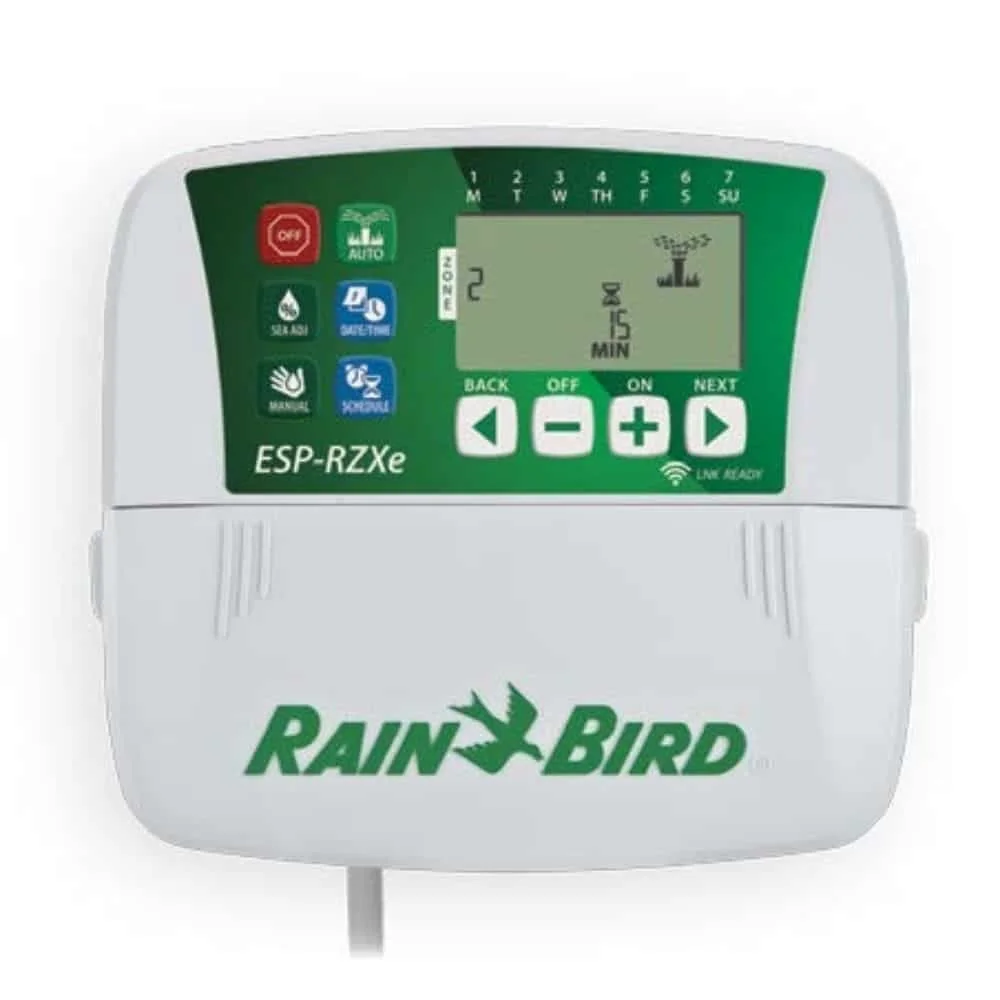
This means Zone 1 (lawn) is watered every two days for 20 minutes early in the morning. Zone 2 (bed) receives 10 minutes of drip irrigation every day. The controller handles this task reliably, even when you are on holiday.
Choose the Right Irrigation Method
The controller determines when. The irrigation method determines how. The three main methods are sprinklers, drip irrigation and micro irrigation. Each has its strengths.
Sprinklers are suitable for large, even areas such as lawns. An impact sprinkler like the
distributes water in a circle or segment. It operates at high pressure and covers large areas.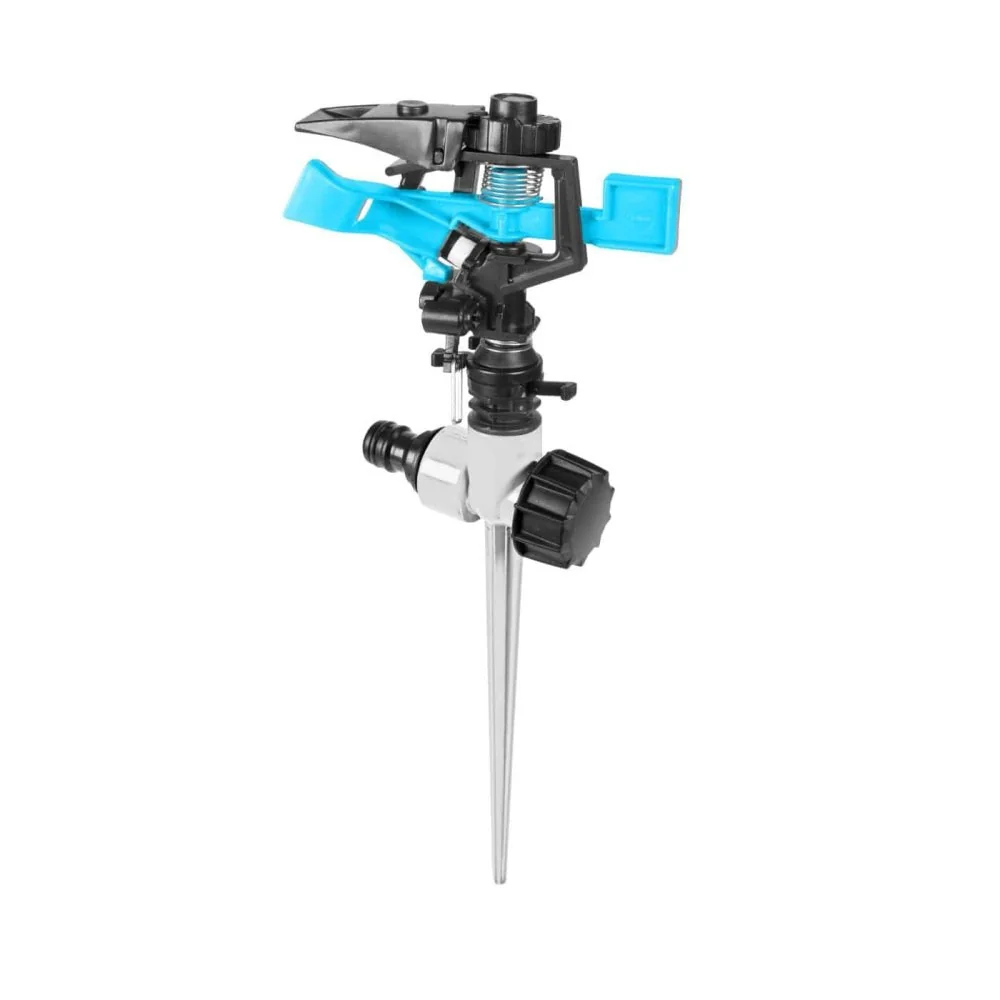
Drip irrigation is the most efficient method for flower beds and woody plants. More than 95 percent of the water reaches the root zone directly. That is unbeatable compared with mobile sprinklers.
Drip Irrigation for Precise Watering
Drip systems operate at low pressure. They direct water through hoses straight to the root area. There, it slowly drips or seeps out. This prevents evaporation, wet leaves and weed growth between the rows.
A set like the
provides everything you need to get started. It includes 50 metres of hose, connectors and drippers. Lay the lines on the surface or slightly underground along the rows of plants.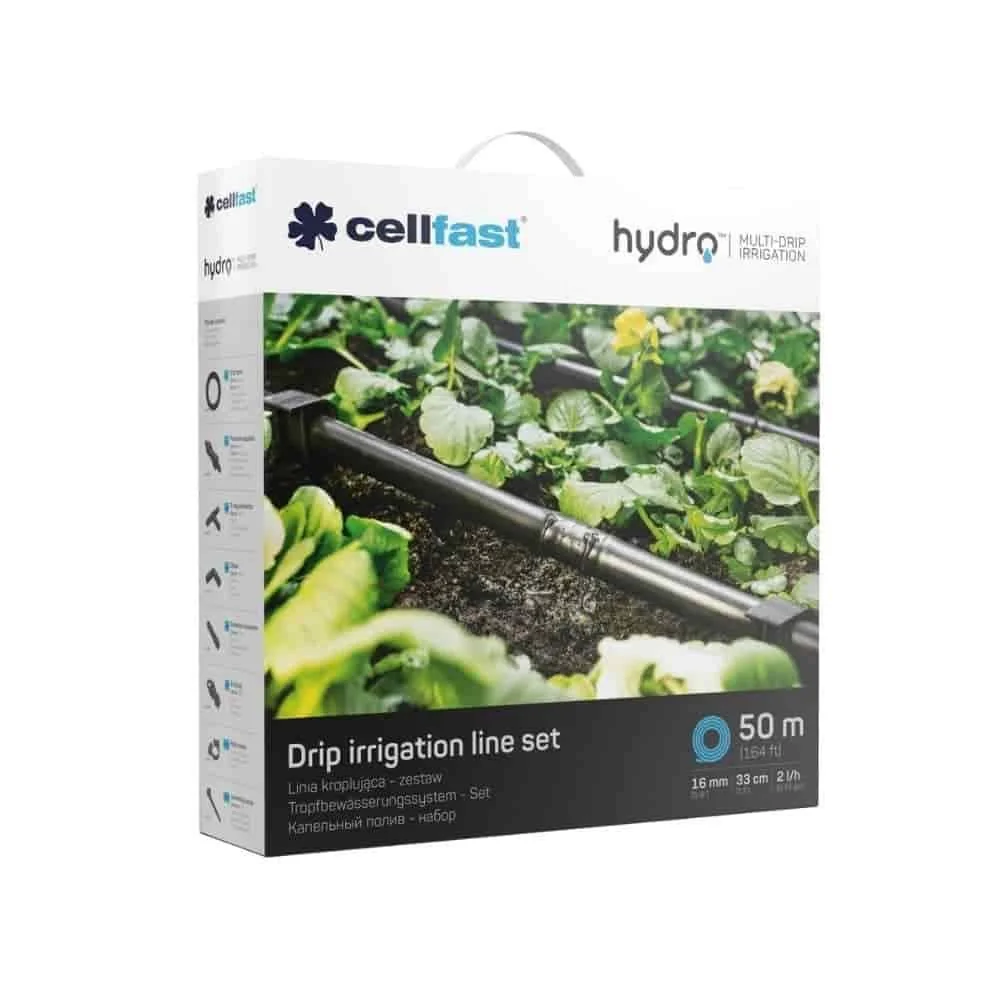
Additional advice
Combine methods. Use a sprinkler for the lawn and drip systems for beds and hedges. This allows you to maximise efficiency for every area. You can find the right components for all methods in our garden irrigation overview.
Practical Integration into Your Garden
Planning is crucial. Start at the tap or mains water connection. Install a filter there to protect hoses and drippers from blockages. The pressure reducer comes next, especially for drip systems.
Distribute the water through a main line. From there, branch off to the zone valves. For underground installation, use the robust ducting system. It protects the lines from damage.
Regular Maintenance Keeps Your System Efficient
A smart system needs care. Flush the lines in spring before starting the system. Check all drippers and sprinklers for blockages. Clean the filters regularly.
In autumn, drain the entire system. Open the drainage valves. Blow air through the lines to remove any remaining water. This prevents frost damage. Store the controller and sensors indoors.
Costs and Savings Compared with Manual Watering
The initial cost may seem high. Weigh it against the savings. A manually watered garden often uses twice as much water. At a consumption of 100 cubic metres per season and a water price of 5 Euro per cubic metre, that amounts to 500 Euro.
A smart system can save 40 percent, or 200 Euro per year. An entry-level set costing 200-300 Euro will therefore pay for itself in two summers. You also save time and benefit from healthier plant growth.
Start with one zone. Automate the thirstiest bed or the lawn first. Expand the system step by step. Take advantage of special offers in the clearance section.
Conclusion: More Enjoyment, Less Effort
Smart irrigation is not a luxury but a smart investment. It conserves water and saves your back. Your plants receive the optimum amount at the right time.
Start with an irrigation controller and a drip irrigation set for one bed. Experience the difference. Step by step, you can build a system that keeps your garden perfectly watered – completely automatically.
Frequently Asked Questions
- What is the biggest advantage of smart irrigation control?
- The biggest advantage is significant water savings. The controller waters only when and as much as the plants need. It responds to weather data or soil moisture and pauses irrigation when it rains. This saves money on your water bill and conserves valuable resources.
- Can I retrofit my existing irrigation system?
- Yes, in most cases retrofitting is straightforward. Install an irrigation controller on the tap. For multiple zones, use a multi-way valve. Simple sensors can be inserted into the soil. This makes any system smarter. Discover suitable components in our Automatic Irrigation category.
- Is drip irrigation suitable for flower beds too?
- Absolutely. Drip irrigation is ideal for beds, hedges and row planting. Lay a drip hose or install individual drippers. The water slowly seeps into the root area. This keeps leaves dry and helps prevent fungal diseases. Precise dosing is more efficient than watering with a sprinkler.
- How much does a basic smart irrigation system cost?
- You can get started for under 100 Euro. A basic irrigation controller costs around 30-50 Euro. A Micro Irrigation set for one bed costs 40-80 Euro. The investment often pays for itself within a few summers through water savings. High-quality hose connectors such as PRODUCT_12576 ensure long-lasting performance.
- Do Wi-Fi irrigation controllers work without an internet connection?
- It depends on the model. Some devices store the schedule locally and continue working without an internet connection. However, remote control via the app and weather data updates will not be available. Check the product specifications before buying. For simple time-based control, basic digital controllers are often the more reliable choice.
You may also be interested in
- Garden Irrigation: Effective Systems for Your Green Oasis
- Watering the Garden: Tips for Saving Water
- Garden Hose Systems: How to Choose and Maintain Them for Efficient Watering
- Automatic Garden Irrigation – Easier Than You Think!
- Getting Garden Irrigation Started: Preparing Your Hose Reel for the Season
- Choosing a Garden Pump: The Ultimate Guide 2024