
Kurz erklärt: Die Wahl des richtigen Gartenhauses hängt von Ihrem Platzbedarf, Budget und Materialwunsch ab. Für Werkzeug und Geräte sind kompakte Holz- oder Metallhäuser ideal. Für größere Geräte oder als multifunktionaler Raum eignen sich massive Blockbohlensysteme oder großzügige Pavillons. Unser Vergleich hilft Ihnen, die Stärken jedes Typs zu erkennen.
Ihr Garten braucht Ordnung und Ihre Geräte Schutz. Ein Gartenhaus oder Gerätehaus ist die perfekte Lösung. Doch welches Modell passt zu Ihren Anforderungen? Unser Test und Vergleich 2026 analysiert die verschiedenen Typen, Materialien und Features. Sie erhalten eine klare Kaufberatung, um die optimale Wahl für Ihren Stauraum zu treffen.
Welche Arten von Gartenhäusern gibt es?
Nicht jedes Gartenhaus ist gleich. Die Wahl des Typs bestimmt maßgeblich die mögliche Nutzung.
Das klassische Gerätehaus
Dies ist die kompakte Lösung für Gartengeräte, Fahrräder oder Poolzubehör. Es ist meist schmal und tief, mit einfacher Tür und oft ohne Fenster. Die Priorität liegt auf robustem Schutz und platzsparender Bauweise.
Das Gartenhaus als Stauraum und Werkstatt
Hier steht mehr Platz im Vordergrund. Diese Häuser bieten oft Raum für Werkbank, Regale und größere Geräte wie Rasenmäher. Fenster sorgen für Licht, stabile Verriegelungen für Sicherheit. Sie sind die Allrounder unter den Gartenhäusern.
Der Gartenpavillon oder das Partyzelt
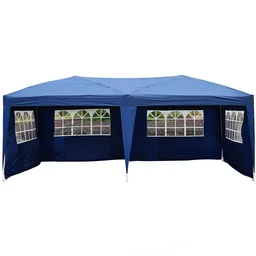
Diese Modelle sind nicht dauerhaft geschlossen, sondern bieten temporären Schatten und Regenschutz. Sie eignen sich perfekt für gesellige Zusammenkünfte. Hochwertige Varianten wie der
oder der sind schnell auf- und abbaubar und bieten mit Seitenteilen einen fast vollständigen Schutz.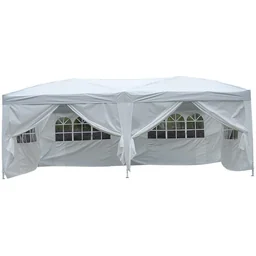
Das richtige Material: Worauf müssen Sie achten?
Das Material entscheidet über Lebensdauer, Pflegeaufwand und Optik.
Holz: Der Klassiker mit Charme
Holzgartenhäuser, besonders aus kesseldruckimprägnierter Kiefer, sind beliebt. Sie sind atmungsaktiv, robust und lassen sich individuell gestalten. Nachteile: Sie benötigen regelmäßige Pflege (Lasur) und sind anfälliger für Feuchtigkeit bei mangelhaftem Schutz.
Metall: Langlebig und pflegeleicht
Häuser aus beschichtetem Stahl oder Aluminium sind sehr witterungsbeständig. Sie rosten nicht, sind stabil gegen Wind und benötigen kaum Wartung. Die Optik ist oft modern-sachlich. Achten Sie auf eine hochwertige Pulverbeschichtung.
Kunststoff (PVC/Resin): Wartungsfrei und leicht
Kunststoffhäuser sind leicht aufzubauen, resistent gegen Feuchtigkeit und Rost. Sie verziehen sich nicht. Die Farben können jedoch unter starker Sonneneinstrahlung mit der Zeit ausbleichen. Die Stabilität bei Sturm sollte geprüft werden.
Größe und Grundfläche: So planen Sie richtig
Die häufigste Enttäuschung: Das Haus ist zu klein. Planen Sie mit Weitsicht.
Messen Sie Ihren verfügbaren Platz genau. Berücksichtigen Sie nicht nur die Grundfläche des Hauses, sondern auch den benötigten Zugangsbereich für Türen und den gesetzlich vorgeschriebenen Abstand zum Nachbargrundstück.
Denken Sie an die Höhe. Möchten Sie Regale einbauen oder hohe Geräte unterbringen? Eine innere Stehhöhe von mindestens 1,90 m ist für Werkstattnutzung empfehlenswert.
Rechnen Sie mit Zuwachs. Gartengeräte sammeln sich an. Planen Sie lieber 20-30% mehr Grundfläche ein, als Sie aktuell für nötig halten. Ein Blick in unsere Kategorie Gartenhäuser, Gerätehäuser zeigt die Bandbreite an verfügbaren Größen.
Aufbau und Stabilität: Kaufkriterien im Test
Ein Gartenhaus muss Wind und Wetter standhalten. Diese Punkte sind in unserem Vergleich entscheidend.
Fundament: Die Basis jedes stabilen Hauses
Ohne solides Fundament sinkt ein Holzhaus ein, ein Metallhaus verzieht sich. Geeignet sind:
- Punktfundamente: Geeignet für viele mittelschwere Häuser, einfach zu installieren.
- Betonplatte: Die dauerhafteste und stabilste Lösung, besonders für schwere Blockhäuser.
- Bodenanker: Oft bei Metallhäusern mitgeliefert, für leichte bis mittelschwere Modelle.
Dachkonstruktion und Wandstärke
Ein steiles Dach lässt Regenwasser und Schnee besser ablaufen. Die Wandstärke bei Holzhäusern (z.B. 28mm vs. 44mm) gibt Auskunft über Stabilität und Isolierung. Bei Pavillons ist die Qualität des Stangengestells und der Verbinder kritisch, wie bei den Modellen
oder .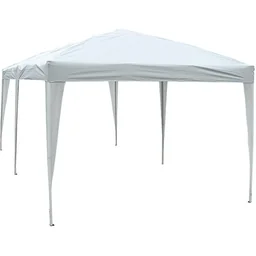
Türen und Verriegelung
Die Tür sollte sich auch bei Feuchtigkeit nicht verziehen und leichtgängig sein. Ein qualitativ hochwertiges Schloss schützt Ihre Geräte. Bei Pavillons sind stabile Reißverschlüsse an den Seitenteilen wichtig, wie sie das Zubehör
bietet.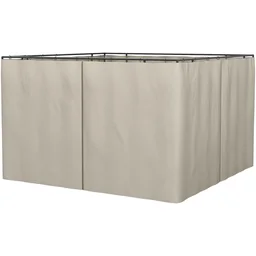
Sonderfunktionen und Mehrwert
Manche Features erhöhen den Komfort erheblich.
Fenster: Sorgen für Tageslicht und Belüftung. Doppelverglasung ist für eine etwaige Hobbyraum-Nutzung von Vorteil.
Isolierung: Spezielle Dämmplatten oder eine doppelwandige Bauweise machen das Haus ganzjahrestauglicher.
Integrierte Regale oder Werkbänke: Spart zusätzlichen Kauf und individuellen Einbau.
Vorbereitung für Elektro: Einige Häuser haben bereits eine geführte Kabeldurchführung für eine spätere Beleuchtung.
Pavillons und Partyzelte als flexible Alternative
Für temporären Schutz bei Festen oder als sommerlicher Sitzplatz sind Pavillons unschlagbar. Unser Test zeigt: Hochwertige Faltpavillons sind in Minuten aufgebaut.
Der große Vorteil ist die Flexibilität. Mit vollständigem Seitenteil-Set wird aus einem offenen Pavillon ein fast geschlossener Raum. Vergleichen Sie hier Modelle wie den (3x6m mit 6 Seitenteilen) mit kompakteren 3x3m Varianten. Achten Sie auf:
- Stabilität des Gestänges: Dicke, pulverbeschichtete Stahlrohre sind ideal.
- Dachmaterial: PE-Gewebe ist robust, Polyester ist oft leichter und knittert weniger.
- Transport: Ein gutes Tragesystem macht den Transport einfach.
Diese Produkte ergänzen das Sortiment klassischer Gartenhäuser perfekt. Entdecken Sie weitere praktische Helfer für Ihren Garten.
Die meistbewerteten Gartenhäuser, Gerätehäuser aus unserem Sortiment im direkten Vergleich:
| Modell | Kundenbewertung | Verfügbarkeit |
|---|---|---|
| Pergola "Diana" | – | Derzeit nicht verfügbar |
| Pergola "Romantica" | – | Derzeit nicht verfügbar |
| 2x Seitenwand-Faltpavillon Capri rot 3x3m | – | Derzeit nicht verfügbar |
| 2x Seitenwand Faltpavillon Capri grün 3x3m | – | Derzeit nicht verfügbar |
| 3x6 m Faltpavillon Pavillon Partyzelt Gartenzelt inkl. 6 Seitenteile Weiß | – | Derzeit nicht verfügbar |
Unser Test-Fazit und Kaufempfehlung
Die optimale Wahl hängt von Ihrem persönlichen Use-Case ab.
Für dauerhaften, sicheren Stauraum: Ein kesseldruckimprägniertes Holzhaus oder ein Metallgerätehaus auf einem festen Fundament ist die beste Investition. Es bietet langfristigen Schutz und Wertbeständigkeit.
Für flexible, saisonale Nutzung: Ein hochwertiger Großpavillon wie der ist unschlagbar. Er bietet viel Platz für Veranstaltungen und kann bei Bedarf mit Seitenwänden komplett geschlossen werden.
Für die einfache Lagerung von Saisonartikeln: Kompakte Kunststoff- oder Metallhäuser sind eine pflegeleichte und oft günstigere Lösung. Auch ein Pavillon mit Seitenteilen wie das kann hier als temporärer geschlossener Raum dienen.
Egal für welche Lösung Sie sich entscheiden: Investieren Sie in Qualität bei Fundament und Material. Ein minderwertiges Gartenhaus bedeutet Ärger und oft Mehrkosten durch Reparatur oder vorzeitigen Ersatz. Mit den Erkenntnissen aus unserem Test und Vergleich 2026 treffen Sie eine fundierte Entscheidung für mehr Ordnung und Schutz in Ihrem Garten.
Häufige Fragen
- Welches Material für ein Gartenhaus ist am langlebigsten?
- Massivholz, insbesondere kesseldruckimprägnierte Kiefer oder Fichte, bietet die höchste Langlebigkeit. Metallhäuser aus Aluminium oder beschichtetem Stahl sind sehr witterungsbeständig und pflegeleicht. Kunststoffmodelle rosten nicht, können aber bei starkem UV-Licht ausbleichen.
- Benötige ich eine Baugenehmigung für ein Gartenhaus?
- Das hängt von Größe und Fundament ab. In vielen Gemeinden sind genehmigungsfreie Größen (z.B. bis 10-20 m³ umbauter Raum) festgelegt. Ein festes Fundament erhöht oft die Genehmigungspflicht. Klären Sie dies immer vor dem Kauf bei Ihrer örtlichen Bauaufsicht.
- Wie schütze ich mein Gartenhaus vor Feuchtigkeit?
- Ein kiesbettgefülltes Punktfundament oder eine Betonplatte verhindert aufsteigende Feuchtigkeit. Achten Sie auf eine ausreichende Dachüberstände und eine funktionierende Dachabdichtung. Bei Holzhäusern ist ein regelmäßiger Anstrich mit wetterfester Lasur oder Farbe essentiell.
- Kann ich ein Gartenhaus auch als Hobbyraum nutzen?
- Ja, dafür eignen sich besonders größere Modelle mit Fenstern und einer soliden Isolierung. Achten Sie auf eine stabile Tür und eine Belüftungsmöglichkeit. Für ganzjährige Nutzung sollten Sie über eine elektrische Installation und eventuell eine Heizmöglichkeit nachdenken.
- Was ist der Unterschied zwischen einem Gartenhaus und einem Pavillon?
- Ein Gartenhaus ist ein geschlossener, oft isolierter Stauraum oder Aufenthaltsraum. Ein Pavillon oder Partyzelt ist eine temporäre, offene oder mit Seitenwänden versehene Konstruktion für Veranstaltungen. Pavillons sind meist nicht dauerhaft witterungsbeständig aufgebaut.