
Kurz erklärt: Im Test zeigen sich Stabmattenzäune als vielseitige Allrounder für Privatgärten, während Weidezaunsysteme für Tierhaltung optimiert sind und dekorative Beet-Einfassungen Akzente setzen. Die Wahl hängt von Ihren konkreten Anforderungen an Sichtschutz, Sicherheit und Ästhetik ab. Unser Vergleich hilft Ihnen, das passende System zu finden.
Ein Gartenzaun definiert Ihren Außenbereich. Er bietet Privatsphäre, schützt vor neugierigen Blicken und hält unerwünschte Besucher fern. Im Test und Vergleich 2026 stellen wir verschiedene Zaunsysteme gegenüber. Sie erfahren, welcher Zauntyp zu Ihren Anforderungen passt.
Die Auswahl reicht von klassischen Stabmatten über praktische Weidezäune bis zu dekorativen Elementen. Wir bewerten Materialien, Montagefreundlichkeit und Langlebigkeit. Unsere Kaufberatung unterstützt Sie bei der Entscheidung.
Inhaltsverzeichnis
Welche Zauntypen eignen sich für meinen Garten?
Gartenzäune erfüllen unterschiedliche Zwecke. Manche dienen primär der Abgrenzung, andere bieten Sichtschutz oder halten Tiere sicher im Gehege. Im Test zeigen sich klare Stärken der einzelnen Systeme.
Stabmattenzäune als klassische Lösung
Stabmattenzäune gehören zu den beliebtesten Modellen. Sie verbinden Stabilität mit ansprechendem Design. Die gitterartige Struktur bietet teilweisen Sichtschutz, lässt aber Licht und Luft durch. Das ist ideal für Pflanzenwachstum.
Stabmatten sind in verschiedenen Höhen erhältlich. Für Grundstücksgrenzen wählen Sie oft 1,25 m oder 1,50 m. Niedrigere Varianten wie 75 cm eignen sich zur Beetabgrenzung. Sets wie das
vereinfachen die Planung.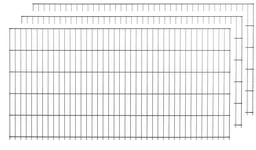
Vorteile im Überblick:
- Langlebige Konstruktion aus pulverbeschichtetem Stahl
- Einfache Montage durch vorgefertigte Elemente
- Wartungsarme Oberfläche
- Gute Belüftung für Pflanzen
Weidezaunsysteme für Tierhaltung
Weidezäune sind speziell für die Einfriedung von Tieren entwickelt. Sie bestehen aus leitfähigen Litzen oder Bändern, die mit einem Weidezaungerät verbunden sind. Das erzeugt einen kurzen, ungefährlichen Stromimpuls.
Systeme wie das
mit Doppelimpuls-Technologie bieten besonders zuverlässigen Schutz. Sie halten auch bei Bewuchs oder Feuchtigkeit die Spannung. Die Leistung ist für mittlere bis große Flächen ausgelegt.
Flexible Litzen wie
ergänzen das System optimal. Sie passen sich unebenen Geländen an und sind einfach zu spannen. Für batteriebetriebene Lösungen in entlegenen Bereichen eignet sich das .

Tipp: Kombinieren Sie verschiedene Zauntypen. Setzen Sie beispielsweise Stabmatten als feste Grundstücksgrenze ein und nutzen Sie im Garteninneren flexible Weidezäune zur Unterteilung von Nutzflächen.
Dekorative Beet-Einfassungen
Nicht jeder Zaun muss hoch sein. Niedrige Einfassungen strukturieren Ihren Garten optisch. Sie heben Beete hervor und schützen empfindliche Pflanzen. Das Produkt
imitiert eine Steinmauer und verleiht dem Garten mediterranes Flair.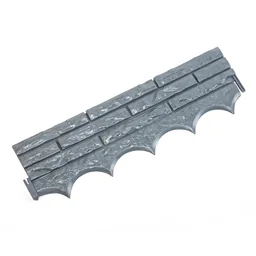
Solche Elemente sind schnell installiert. Sie benötigen kein Fundament. Einfach in den Boden stecken oder leicht einkieseln. Die Wirkung ist dennoch beeindruckend. Sie schaffen klare Grenzen zwischen Rasenflächen und Pflanzbereichen.
Materialien und Pflege im Test
Die Wahl des Materials bestimmt Haltbarkeit und Pflegeaufwand. Im Vergleich schneiden moderne Beschichtungen besonders gut ab. Sie widerstehen Witterungseinflüssen über viele Jahre.
Metallzäune mit Pulverbeschichtung
Pulverbeschichteter Stahl ist das Standardmaterial für Qualitätszäune. Der elektrostatisch aufgetragene Farbpulver wird eingebrannt. Das Ergebnis ist eine gleichmäßige, widerstandsfähige Schicht. Sie schützt vor Rost und UV-Strahlung.
Anthrazit ist die beliebteste Farbe. Sie wirkt modern und neutral. Die Farbe harmoniert mit den meisten Gartenstilen. Im Test zeigte die Beschichtung gute Beständigkeit gegen Kratzer und mechanische Belastung.
Kunststoffimitate mit Steinoptik
Kunststoffzäune haben sich weiterentwickelt. Hochwertige Materialien täuschen Naturstein täuschend echt vor. Sie sind deutlich leichter als echte Steinmauern. Das erleichtert Transport und Aufbau.
Die Pflege ist minimal. Ein gelegentlicher Abwasch mit Wasser genügt. Kunststoff verrottet nicht und ist unempfindlich gegen Feuchtigkeit. Frostsicherheit ist bei Qualitätsprodukten gegeben.
Achtung: Billige Kunststoffzäune können mit der Zeit ausbleichen oder spröde werden. Achten Sie auf UV-stabilisierte Materialien. Diese behalten ihre Farbe und Elastizität länger.
Montage und Planung: Worauf Sie achten müssen
Die korrekte Installation entscheidet über Stabilität und Langlebigkeit. Planen Sie ausreichend Zeit für Vorbereitung und Aufbau ein. Besonders bei großen Flächen lohnt sich eine detaillierte Skizze.
Fundament und Befestigung
Stabmattenzäune benötigen ein sicheres Fundament. Einbetonierte Pfosten garantieren Standfestigkeit. Achten Sie auf genügend tiefe Löcher, die unter der Frostgrenze liegen. Das verhindert Hebungen im Winter.
Für temporäre Zäune oder leichte Einfassungen reichen Erdspieße. Sie lassen sich einfach in den Boden drehen. Diese Lösung ist flexibel und rückstandsfrei entfernbar. Ideal für Mietgärten oder jährlich wechselnde Beete.
Ausrichtung und Nivellierung
Besonders auf unebenem Gelände ist die korrekte Ausrichtung wichtig. Arbeiten Sie mit einer Richtschnur. So halten Sie alle Elemente auf einer Linie. Bei Gefälle staffeln Sie die Zaunelemente treppenartig.
Modulare Systeme wie Stabmattensets vereinfachen die Arbeit. Die vorgefertigten Maße passen exakt zusammen. Sie sparen Zeit beim Zuschnitt und können sich auf die eigentliche Montage konzentrieren.
Hinweis: Prüfen Sie vor der Montage die genauen Grenzen Ihres Grundstücks. Ein ungenauer Katasterplan kann zu teuren Verlegungen führen. Im Zweifel ziehen Sie einen Vermesser hinzu.
Sicherheit und Funktion im Vergleich
Ein Gartenzaun muss nicht nur gut aussehen. Er soll auch bestimmte Funktionen erfüllen. Je nach Bedarf stehen Sicherheit, Sichtschutz oder Tierhaltung im Vordergrund.
Sichtschutz und Privatsphäre
Für echten Sichtschutz benötigen Sie geschlossene Flächen. Stabmatten bieten nur teilweise Privatsphäre. Durch die Gittermuster bleibt Einblick möglich. Für vollständigen Sichtschutz kombinieren Sie den Zaun mit Kletterpflanzen.
Alternative: Spezielle Sichtschutzelemente aus Holz oder Kunststoff. Diese sind blickdicht und schaffen eine intime Atmosphäre. Sie eignen sich besonders für Terrassen oder Sitzbereiche in der Nähe von Nachbargrundstücken.
Tiersicherheit mit Weidezaun
Elektrische Weidezäune bieten psychologischen Schutz. Tiere lernen nach einmaliger Berührung, den Zaun zu respektieren. Die Systeme sind für verschiedene Tierarten geeignet. Für kleine Tiere wie Hühner sind engmaschigere Varianten notwendig.
Die regelmäßige Kontrolle der Spannung ist essenziell. Moderne Geräte wie zeigen Störungen an. So bemerken Sie Unterbrechungen sofort. Das gewährleistet dauerhaften Schutz Ihrer Tiere.
Design und Gartengestaltung
Ein Zaun ist ein gestalterisches Element. Er sollte zum Stil Ihres Hauses und Gartens passen. Glücklicherweise bietet der Markt heute vielfältige Optionen.
Farben und Oberflächen
Anthrazit ist zeitlos und passt zu modernen wie traditionellen Häusern. Für einen helleren Look wählen Sie silbergrau oder grün. Diese Töne fügen sich natürlich in die Gartenumgebung ein.
Kunststoffzäune bieten oft naturgetreue Oberflächen. Stein- oder Holzoptiken täuschen teurere Materialien vor. Das ist besonders bei begrenztem Budget interessant. Die Wirkung ist täuschend echt.
Integration in die Gartengestaltung
Ein Zaun muss nicht langweilig sein. Kombinieren Sie verschiedene Elemente. Setzen Sie zwischen Stabmattenabschnitte dekorative Tore wie
. Das schafft interessante Durchblicke und strukturiert den Garten.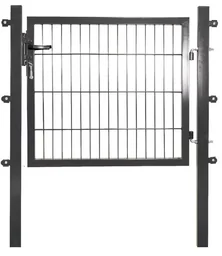
Begrünen Sie Zäune mit Kletterpflanzen. Clematis, Efeu oder Wein schaffen lebendige Wände. Das mildert die strenge Linienführung und verwandelt den Zaun in ein lebendiges Gartenelement. Achten Sie darauf, dass die Pflanzen die Konstruktion nicht beschädigen.
Kaufberatung: So finden Sie den optimalen Zaun
Die große Auswahl kann überwältigen. Mit diesen Entscheidungshilfen treffen Sie die richtige Wahl. Berücksichtigen Sie Ihre individuellen Rahmenbedingungen.
Fragen vor dem Kauf
Beantworten Sie diese Punkte vor der Auswahl:
- Welche Hauptfunktion soll der Zaun erfüllen? (Sichtschutz, Tierhaltung, reine Abgrenzung)
- Wie lang und hoch muss der Zaun sein?
- Steht das Grundstück eben oder geneigt?
- Wie viel Pflegeaufwand sind Sie bereit zu investieren?
- Welches Budget steht zur Verfügung?
Mit diesen Informationen eingrenzen Sie die Auswahl deutlich. Sie vermeiden Fehlkäufe und sparen Zeit bei der Recherche.
Qualitätsmerkmale erkennen
Achten Sie auf diese Details:
- Materialstärke: Robustere Profile halten länger
- Beschichtung: Pulverbeschichtung ist lackierten Oberflächen überlegen
- Verbindungen: Geschweißte Nähte sind stabiler als geklebt
- Montagezubehör: Komplettes Set mit allen benötigten Teilen
Produkte wie das
bieten gute Qualität zu vernünftigen Konditionen. Sie sind ideal für kleinere Projekte oder Ergänzungen bestehender Zäune.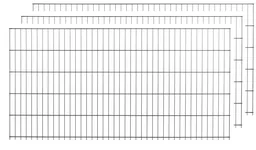
Die meistbewerteten Gartenzäune aus unserem Sortiment im direkten Vergleich:
| Modell | Kundenbewertung | Verfügbarkeit |
|---|---|---|
| Gartentor für Einstabmatte anthrazit, einflügelig - 75 cm hoch - 100 cm breit | – | Derzeit nicht verfügbar |
| Stabmattenset anthrazit 10 Stück a 125cm x 200cm | – | Derzeit nicht verfügbar |
| Stabmattenset anthrazit 10 Stück a 75cm x 200cm | – | Derzeit nicht verfügbar |
| Stabmattenset anthrazit 5 Stück a 75cm x 200cm | – | Derzeit nicht verfügbar |
| BISON A 5000 12 Volt Weidezaungerät: Hochleistungs-Doppelimpuls-Technologie | – | Derzeit nicht verfügbar |
Testfazit: Die besten Gartenzäune 2026
Im Vergleich überzeugen Stabmattenzäune durch ihre vielseitige Einsetzbarkeit. Sie bieten guten Grundschutz bei moderatem Pflegeaufwand. Die Sets wie
vereinfachen die Installation erheblich.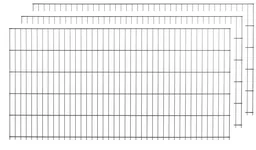
Für Tierhalter sind Weidezaunsysteme unverzichtbar. Die Kombination aus leistungsstarkem Gerät und flexibler Litze bietet maximale Sicherheit. Besonders das zeigt im Test hervorragende Leistungsdaten.
Dekorative Elemente wie ergänzen das Portfolio perfekt. Sie setzen Akzente ohne hohe Kosten. Für die vollständige Umzäunung eines Gartens empfehlen wir den Blick in unsere Kategorie Gartenzäune. Dort finden Sie alle Varianten im Überblick.
Planen Sie Ihren Zaun als Teil der gesamten Gartengestaltung. Ein harmonisches Gesamtkonzept steigert den Wohnwert Ihres Außenbereichs. Die Investition in Qualität zahlt sich durch lange Lebensdauer und geringen Wartungsaufwand aus.
Unser abschließender Rat: Beginnen Sie mit einer genauen Bedarfsanalyse. Messen Sie die benötigten Längen genau aus. Berücksichtigen Sie lokale Vorschriften. Mit dieser Vorarbeit finden Sie im umfangreichen Sortiment sicher den passenden Zaun für Ihre individuellen Anforderungen.
Häufige Fragen
- Welche Zaunhöhe ist für meinen Garten erlaubt?
- Zaunhöhen regeln lokale Bauvorschriften und Nachbarschaftsrecht. Grenzabstände und maximale Höhen variieren. Erkundigen Sie sich vor dem Kauf bei Ihrer Gemeinde. Für Sichtschutz sind oft 1,75 m bis 2 m üblich, während niedrigere Zäune Grundstücke nur optisch trennen.
- Wie pflege ich einen Metallzaun richtig?
- Pulverbeschichtete Metallzäune benötigen wenig Pflege. Entfernen Sie regelmäßig groben Schmutz. Kontrollieren Sie die Beschichtung auf Schäden. Bei Roststellen schleifen Sie diese sofort ab und touchieren sie mit spezieller Farbe. So verlängern Sie die Lebensdauer deutlich.
- Kann ich einen Gartenzaun selbst aufbauen?
- Viele Systemzäune wie Stabmatten sind für den Selbstbau konzipiert. Sie benötigen Grundkenntnisse im Umgang mit Werkzeug. Planen Sie Fundament und Ausrichtung sorgfältig. Bei großen Flächen oder unebenem Gelände empfehlen wir professionelle Unterstützung für ein stabiles Ergebnis.
- Was ist der Vorteil eines Weidezauns?
- Weidezäune sind flexibel, leicht zu versetzen und bieten sicheren Halt für Tiere. Elektrische Systeme wie das PRODUCT_142120 wirken als psychologische Barriere. Sie eignen sich optimal für die temporäre Einzäunung von Weiden oder die Trennung von Gartenbereichen.
- Wie lange hält ein qualitativ hochwertiger Gartenzaun?
- Die Lebensdauer hängt vom Material ab. Pulverbeschichteter Stahl hält 20-30 Jahre, während unbehandeltes Holz nach 10-15 Jahren erneuert werden muss. Hochwertige Verarbeitung, korrekte Installation und regelmäßige Wartung sind entscheidend für die Langlebigkeit Ihres Zauns.
Das könnte Sie auch interessieren
- Zaunprüfer Test & Vergleich 2026
- Gartenmöbel Test & Vergleich 2026
- Gartenwege Test & Vergleich 2026: Die besten Wege im Check
- Heckenpflanzen Test & Vergleich 2026: Die besten Sorten im Check
- Gartenzaun bepflanzen: Sichtschutz & Design-Ideen
- Zäune und Sichtschutz im Garten: Gestaltung, Material und Aufbau