
Kurz erklärt: Eine fachgerechte Gebäudedämmung ist der effektivste Schritt zur Senkung Ihrer Heizkosten. Sie reduziert Wärmeverluste durch Außenwände, Dach und Kellerdecke um bis zu 80 Prozent. Die Investition amortisiert sich oft innerhalb weniger Jahre durch die eingesparten Energiekosten. Ein Wärmedämmverbundsystem (WDVS) für die Fassade ist dabei eine besonders wirksame und verbreitete Lösung.
Inhaltsverzeichnis
- Warum lohnt sich Gebäudedämmung wirklich?
- Wo entweicht die Wärme? Die Schwachstellen Ihres Hauses
- Wie funktioniert eine Fassadendämmung mit WDVS?
- Dach und Keller: Oben und unten dicht machen
- Welcher Dämmstoff ist der richtige für Sie?
- Was kostet die Dämmung und welche Förderung gibt es?
Warum lohnt sich Gebäudedämmung wirklich?
Die Heizkostenrechnung ist der direkteste Beweis. Bis zu 80 Prozent Ihrer Heizenergie können ungenutzt entweichen, wenn Ihr Haus nicht oder schlecht gedämmt ist. Diese Verluste bezahlen Sie Jahr für Jahr. Eine Gebäudedämmung stoppt diesen Geldfluss.
Sie senkt nicht nur die Kosten. Sie steigert auch den Wohnkomfort. Zugige Fensterlaibungen und kalte Wandflächen gehören der Vergangenheit an. Die Oberflächentemperaturen der Wände steigen. Das bedeutet weniger Zugluft und ein behaglicheres Raumklima.
Zudem schützt die Dämmung Ihre Bausubstanz. Sie hält die Wärme im Haus und damit die Wandkonstruktion trockener. Das reduziert das Risiko von Frostschäden und Schimmelbildung erheblich. Sie investieren also in die Langlebigkeit Ihres Eigentums.
Eine energetische Sanierung mit Fokus auf die Gebäudehülle ist die effizienteste Maßnahme zur CO2-Einsparung im Gebäudesektor. Jede eingesparte Kilowattstunde muss erst gar nicht erzeugt werden.
Wo entweicht die Wärme? Die Schwachstellen Ihres Hauses
Bevor Sie planen, müssen Sie die Schwachstellen kennen. Die größten Wärmeverluste entstehen meist über die Außenwände. Bei einem ungedämmten Altbau sind es bis zu 35 Prozent der Gesamtverluste. Die Fassade ist daher der erste Angriffspunkt.
Das Dach folgt mit etwa 25 Prozent der Verluste. Besonders bei ausgebauten Dachgeschossen ist eine gute Dämmung entscheidend. Die Kellerdecke oder die Außenwände des Kellers sind für bis zu 15 Prozent der Verluste verantwortlich. Auch hier lohnt sich die Investition.
Fenster und Türen sind weitere kritische Punkte. Oft sind sie aber nur die halbe Miete. Eine neue Fassadendämmung macht undichte Fensteranschlüsse erst richtig sichtbar. Planen Sie die Maßnahmen daher idealerweise im Verbund.
Profi-Tipp
Lassen Sie vor der Sanierung einen Energieberater eine Thermografie durchführen. Die Wärmebildkamera zeigt Ihnen genau, wo Ihr Haus die meiste Energie verliert. Diese Analyse ist die Grundlage für eine effiziente Sanierungsplanung.
Wie funktioniert eine Fassadendämmung mit WDVS?
Das Wärmedämmverbundsystem, kurz WDVS, ist der Standard für die Außendämmung. Es besteht aus drei Hauptkomponenten: dem Dämmstoff, der Armierung und dem Oberputz. Das System wird direkt auf die bestehende Außenwand geklebt und gedübelt.
Der Vorteil liegt in der lückenlosen Hülle. Das WDVS umschließt das Haus wie eine zweite Haut und überdeckt Wärmebrücken wie Stürze oder Balkone. Die Dämmplatten werden dabei fugenversetzt verlegt. Anschließend kommt eine Armierungsschicht aus Gewebe und Putz darüber.
Die Wahl des Oberputzes ist nicht nur ästhetisch. Er schützt die Dämmung vor Witterungseinflüssen. Diffusionsoffene Putze lassen Feuchtigkeit aus der Konstruktion nach außen entweichen. Das ist für das Raumklima wichtig.
Die Schritte einer WDVS-Montage im Überblick
Die Montage folgt einem klaren Ablauf. Zuerst prüfen und reinigen Sie den Untergrund. Lose Putzteile müssen ab. Dann bringen Sie den Klebemörtel auf die Dämmplatten auf, entweder randvoll oder in Punkten.
Sie setzen die Platten an und drücken sie fest. Nach dem Aushärten des Klebers sichern Sie die Platten zusätzlich mit Tellerdübeln. Dann folgt der Armierungsmörtel, in den Sie ein Glasfasergewebe einlegt. Diese Schicht verhindert Risse.
Den abschließenden Oberputz tragen Sie nach ausreichender Trocknungszeit auf. Er ist in vielen Farben und Strukturen erhältlich. Achten Sie auf eine professionelle Ausführung jedes Schrittes. Fehler in der Dampfbremse oder der Armierung können teure Folgeschäden verursachen.
Die Qualität der Verarbeitung entscheidet über die Langlebigkeit eines WDVS. Ein sorgfältig verlegtes System hält problemlos mehrere Jahrzehnte. Mängel bei der Detailausbildung, etwa an Anschlüssen, sind die häufigste Ursache für spätere Probleme.
Dach und Keller: Oben und unten dicht machen
Die Fassade ist wichtig, aber nicht alles. Das Dach ist die Grenze zur kalten Außenluft. Eine Dachdämmung können Sie auf unterschiedliche Weise umsetzen. Bei einem nicht ausgebauten Dachboden dämmen Sie einfach die oberste Geschossdecke.
Verwenden Sie hierfür Dämmmatten oder Einblasdämmung. Diese Maßnahme ist kostengünstig und sehr effektiv. Bei einem ausgebauten Dachgeschoss dämmen Sie zwischen, unter oder über den Sparren. Eine Aufsparrendämmung von außen ist die beste, aber auch aufwendigste Lösung.
Die Kellerdämmung wird oft vernachlässigt. Ist der Keller unbeheizt, dämmen Sie die Kellerdecke zur beheizten Etage darüber. Das verhindert kalte Füße und spart Energie. Ist der Keller beheizt oder soll er genutzt werden, kommt eine Außendämmung der Kellerwände in Betracht.
Für alle diese Arbeiten finden Sie passendes Zubehör wie Kanalrohrsysteme für die Entwässerung oder spezielle Dichtungsmaterialien in unserem Sortiment.
Wichtiger Hinweis
Bei der Dachdämmung müssen Sie unbedingt auf die richtige Dampfbremse achten. Sie liegt auf der warmen, innenliegenden Seite der Dämmung. Eine falsch verlegte oder undichte Dampfbremse kann zu massiver Feuchtigkeit in der Konstruktion und zu Schimmel führen.
Welcher Dämmstoff ist der richtige für Sie?
Expandiertes Polystyrol, bekannt als EPS oder Styropor, ist der Klassiker. Es ist preiswert, leicht und einfach zu verarbeiten. Seine Wärmeleitfähigkeit ist gut. Für die meisten WDVS-Anwendungen an der Fassade ist EPS die erste Wahl.
Mineralwolle aus Glas oder Stein hat andere Vorteile. Sie ist nicht brennbar und bietet einen hervorragenden Schallschutz. Mineralwolle ist etwas teurer und erfordert beim Einbau Schutzausrüstung gegen die Fasern. Sie eignet sich besonders für Holzständerwände oder brandschutzrelevante Bereiche.
Nachwachsende Dämmstoffe gewinnen an Bedeutung. Holzfaserdämmplatten, Hanf oder Zellulose sind diffusionsoffen und sorgen für ein angenehmes Raumklima. Sie sind oft teurer, punkten aber mit ihrer ökologischen Bilanz. Ihre Verarbeitung erfordert spezielles Know-how.
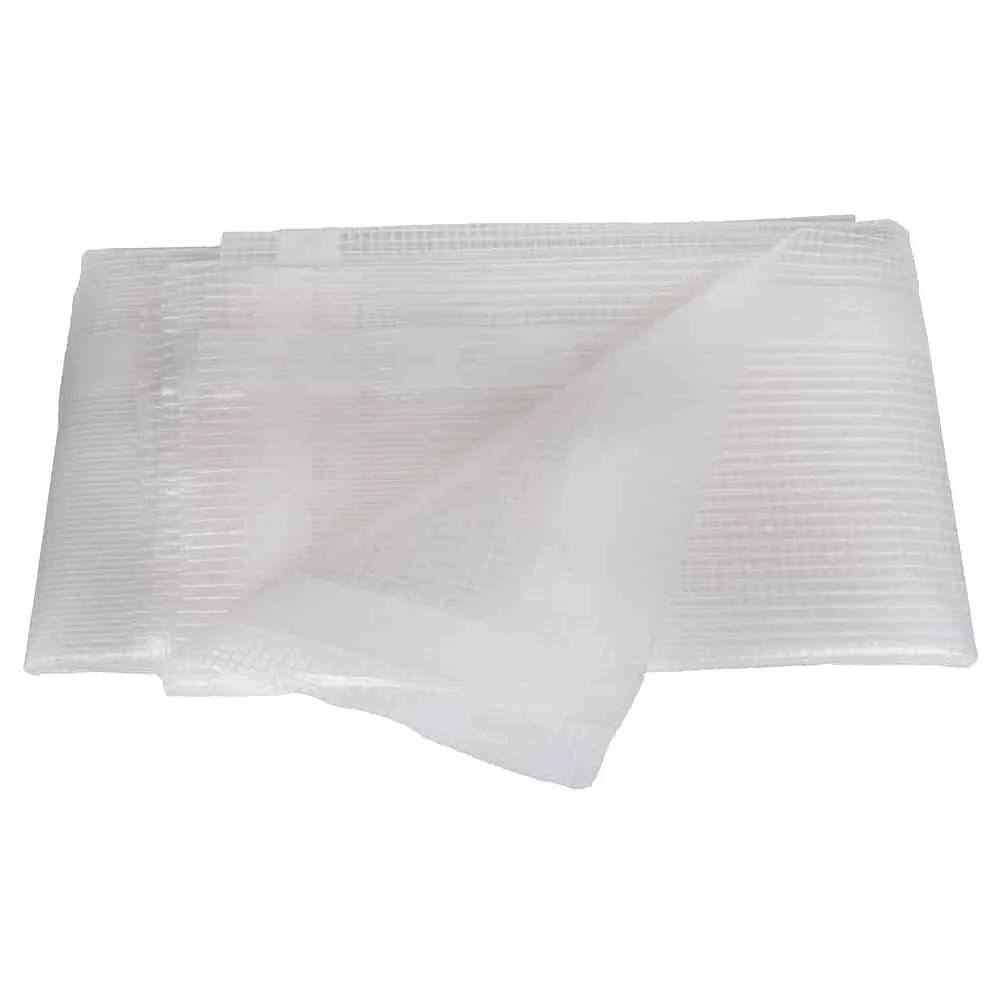
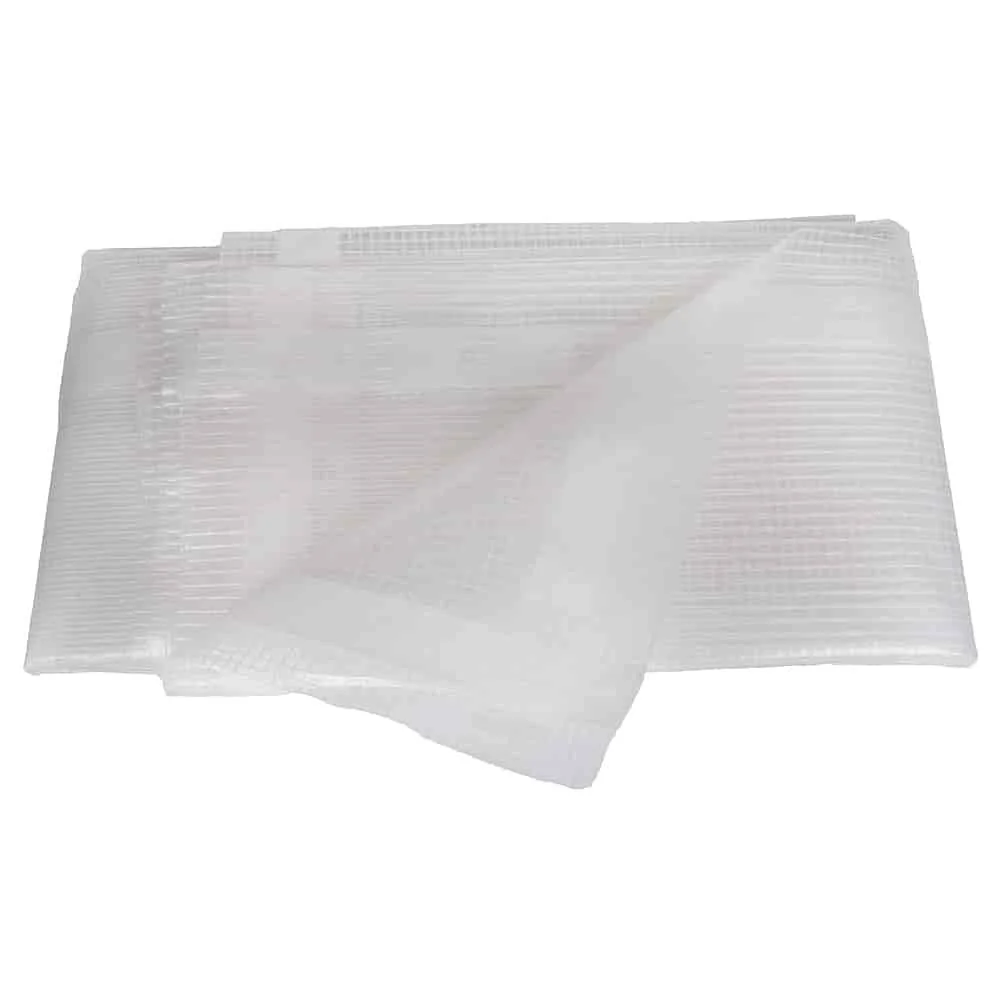
Für den Schutz Ihrer Materialien auf der Baustelle oder für provisorische Abdeckungen eignen sich stabile Planen. Hochwertige, transparente Gitterfolien wie unsere
oder schützen vor Regen, lassen aber noch Licht durch. Für kleinere Flächen ist die eine praktische Lösung.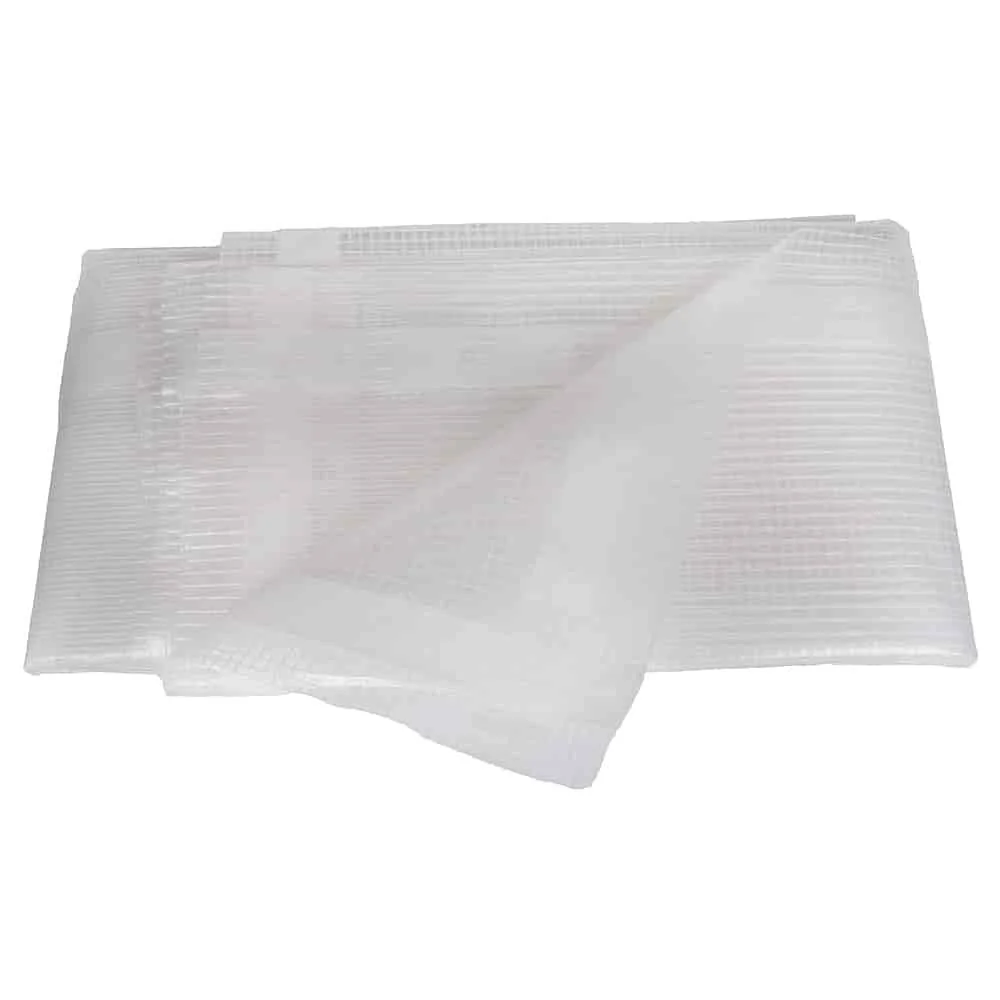
Kriterien für die Wahl des Dämmstoffs
Entscheiden Sie nicht nur nach dem Preis. Die Wärmeleitfähigkeit, der Lambda-Wert, ist entscheidend. Je niedriger dieser Wert, desto besser dämmt das Material. Für die gleiche Dämmwirkung benötigen Sie dann eine dünnere Schicht.
Berücksichtigen Sie den Brandschutz. EPS ist normalentflammbar, während Mineralwolle nicht brennbar ist. Die Bauordnung schreibt für bestimmte Gebäudeklassen und Höhen nicht brennbare Materialien vor. Fragen Sie Ihren Planer.
Denken Sie an die spätere Entsorgung. Mineralwolle ist Sondermüll. EPS kann recycelt werden. Die ökologische Gesamtbetrachtung über den Lebenszyklus ist komplex. Ein Energieberater kann Sie hier neutral beraten.
Zusätzlicher Rat
Vergleichen Sie immer die Gesamtkosten der Konstruktion, nicht nur den Materialpreis pro Quadratmeter. Ein teurerer Dämmstoff mit besserer Leistung kann dünner aufgebracht werden. Das spart möglicherweise Kosten bei den angrenzenden Bauteilen wie dem Gerüst oder den Anschlussdetails.
Was kostet die Dämmung und welche Förderung gibt es?
Die Kosten für eine Fassadendämmung mit WDVS liegen, wie eingangs erwähnt, zwischen 120 und 180 Euro pro Quadratmeter. Diese Spanne ergibt sich aus dem Dämmstoff, der Putzart und den örtlichen Gegebenheiten. Ein Gerüst, das Sie für mehrere Wochen benötigen, ist ein wesentlicher Kostenfaktor.
Für die Dachdämmung der obersten Geschossdecke müssen Sie mit 50 bis 100 Euro pro Quadratmeter rechnen. Eine aufwendige Aufsparrendämmung kann deutlich teurer werden. Die Kellerdeckendämmung liegt bei 80 bis 120 Euro pro Quadratmeter.
Der Staat unterstützt Sie dabei. Die Bundesförderung für effiziente Gebäude (BEG) bietet Zuschüsse und zinsgünstige Kredite für energetische Sanierungen. Sie können bis zu 40 Prozent der förderfähigen Kosten als Zuschuss erhalten. Voraussetzung ist die Beantragung vor Beginn der Maßnahme und die Begleitung durch einen Energieeffizienz-Experten.
Nutzen Sie auch lokale Förderprogramme Ihrer Kommune oder Ihres Energieversorgers. Oft gibt es hier zusätzliche Anreize. Eine seriöse Energieberatung ist die Grundlage für einen erfolgreichen Förderantrag. Planen Sie diese Kosten von Anfang an mit ein.
So gehen Sie bei der Planung vor
Starten Sie mit einer Energieberatung. Der Experte analysiert Ihr Haus und erstellt einen individuellen Sanierungsfahrplan. Dieser zeigt die sinnvollsten Maßnahmen in der richtigen Reihenfolge auf. Er ist oft förderfähig.
Lassen Sie sich mehrere Angebote von Fachbetrieben einholen. Achten Sie nicht nur auf den Preis, sondern auf die detaillierte Beschreibung der Leistung. Welcher Dämmstoff, welche Stärke, welche Putzsysteme sind enthalten? Die Angebote müssen vergleichbar sein.
Stellen Sie den Förderantrag, bevor Sie den Handwerker beauftragen. Beauftragen Sie nur Betriebe, die auf WDVS-Arbeiten spezialisiert sind und Referenzen vorweisen können. Fragen Sie nach Garantien für die Verarbeitung. Ein gut ausgeführtes System hält ein Hausleben lang.
Für die Organisation Ihrer Baustelle und den Schutz von Material und Möbeln finden Sie bei uns passende Produkte. Durchdachte transparente Abdeckungen oder robuste Gitterfolien sind unverzichtbare Helfer.
Eine umfassende Gebäudedämmung ist eine Investition in die Zukunft. Sie senkt Ihre monatlichen Betriebskosten, erhöht den Wohnwert und schützt das Klima. Mit einer sorgfältigen Planung, der Nutzung von Fördermitteln und der Wahl der richtigen Materialien und Partner machen Sie Ihr Haus fit für die nächsten Jahrzehnte. Beginnen Sie am besten heute mit der ersten Energieberatung.
Häufige Fragen
- Was kostet eine Fassadendämmung für ein Einfamilienhaus?
- Die Kosten für eine Fassadendämmung mit einem Wärmedämmverbundsystem (WDVS) liegen zwischen 120 und 180 Euro pro Quadratmeter. Für ein durchschnittliches Einfamilienhaus mit 150 m² Fassadenfläche bedeutet das eine Investition von etwa 18.000 bis 27.000 Euro. Staatliche Förderungen können einen Teil der Kosten übernehmen.
- Welche Dämmstoffe eignen sich für die Außendämmung?
- Für die Außendämmung eignen sich vor allem expandiertes Polystyrol (EPS, bekannt als Styropor), Mineralwolle und Holzfaserdämmplatten. EPS ist kostengünstig und leicht zu verarbeiten. Mineralwolle ist nicht brennbar und schallhemmend. Holzfaserdämmplatten sind diffusionsoffen und eignen sich besonders für Altbauten.
- Wie lange dauert die Amortisation einer Dämmmaßnahme?
- Die Amortisationszeit hängt von der Energieeinsparung und den Investitionskosten ab. Bei einer Fassadendämmung amortisiert sich die Investition in der Regel nach 8 bis 15 Jahren. Je höher die vorherigen Heizkosten und je besser die Dämmwirkung, desto schneller rechnet sich die Maßnahme.
- Kann ich mein Haus auch von innen dämmen?
- Eine Innendämmung ist möglich, wenn eine Außendämmung nicht in Frage kommt, etwa bei denkmalgeschützten Fassaden. Sie ist jedoch technisch anspruchsvoller, da sie das Risiko von Tauwasserbildung und Schimmel in der Konstruktion erhöht. Planen Sie eine Innendämmung immer mit einem Fachplaner.
- Muss ich bei einer Fassadendämmung auch die Fenster tauschen?
- Nicht zwingend, aber es ist sinnvoll. Alte Fenster sind oft die größten Wärmebrücken. Eine neue Fassadendämmung macht diesen Schwachpunkt noch deutlicher. Ein Fenstertausch im Zuge der Dämmarbeiten maximiert die Energieeinsparung und beugt Feuchtigkeitsproblemen an den Laibungen vor.
Das könnte Sie auch interessieren
- Hausdämmung: Wände richtig dämmen und Energie sparen
- Dach dämmen: So sparen Sie Heizkosten und steigern den Wohnkomfort
- Wärmedämmverbundsysteme (WDVS): Komplettleitfaden für Ihr Haus
- Energiekosten senken: Tipps zur Gebäudesanierung
- Energiesparen im Haushalt: Top-Tipps für weniger Verbrauch & Kosten
- Wärmedämmung richtig planen