
In brief: GEG-compliant pipe insulation that meets the “50% Cu” requirement must be at least half as thick as the internal diameter of the copper pipe being insulated. This is required in unheated areas and significantly reduces heat loss from heating and hot water pipes, helping you save energy and money.
With energy prices on the rise, every liter of heating oil and every cubic meter of gas counts. A lot of that expensive energy is lost before it reaches your radiators, as it travels through cold basements. That is why the German Building Energy Act (GEG) requires heating pipes to be insulated. It may sound like red tape, but insulating pipes is one of the easiest and most cost-effective ways to upgrade your home. You can start saving money right away while helping protect the climate.
The right energy-saving pipe insulation makes the job quick and straightforward. The CLIMAFLEX® 2m pipe insulation sleeve, 50% Cu insulation () is a good choice for many standard pipes. It meets the legal requirements and is easy to install.
Why is heating pipe insulation mandatory?
The German Building Energy Act (GEG) has a clear goal: to reduce energy use in buildings. One key part of that effort is preventing heat loss. Uninsulated heating and hot water pipes in unheated areas such as basements, attics, or garages act like small radiators. They continuously release valuable heat into the surrounding space, where it does no one any good. That wasted heat can drive up your heating bills.
The heating pipe insulation requirement is designed to minimize heat loss. Insulating your pipes helps hot water reach your radiators and faucets with as little heat loss as possible. Your heating system then has to work less to maintain the temperature you want. That saves money and reduces your home's CO2 emissions.
The requirement applies to all accessible heat-carrying pipes in unheated areas. Most owners of existing buildings must retrofit insulation. Failure to comply can even result in fines. Rather than treating this as an inconvenient obligation, think of it as a smart investment that can often pay for itself in the first winter.
Professional pipe insulation can reduce a pipe's heat loss by up to 80 percent. It is one of the most effective ways to start saving on heating costs right away and over the long term.
What does “50% Cu insulation” mean under the GEG?
Product specifications can be confusing. “50% Cu” refers to a specific GEG requirement. It sets the minimum insulation thickness in relation to the pipe's diameter: the insulation must be at least 50% as thick as the pipe's internal diameter.
“Cu” stands for copper, the most common material for heating pipes in Germany. The rule also generally applies to pipes made from other materials, such as steel or plastic. You may also see products labeled “100% insulation.” This stricter requirement applies to pipes that pass through building components (e.g. walls or ceilings), or when heating pipes are installed directly next to cold water pipes to prevent condensation.
A practical calculation example
Consider a typical copper pipe with an outer diameter of 22 mm. With a wall thickness of 1 mm, its internal diameter is 20 mm.
- Internal diameter: 20 mm
- GEG requirement (50%): 0.5 * 20 mm = 10 mm
- Required insulation thickness: at least 10 mm
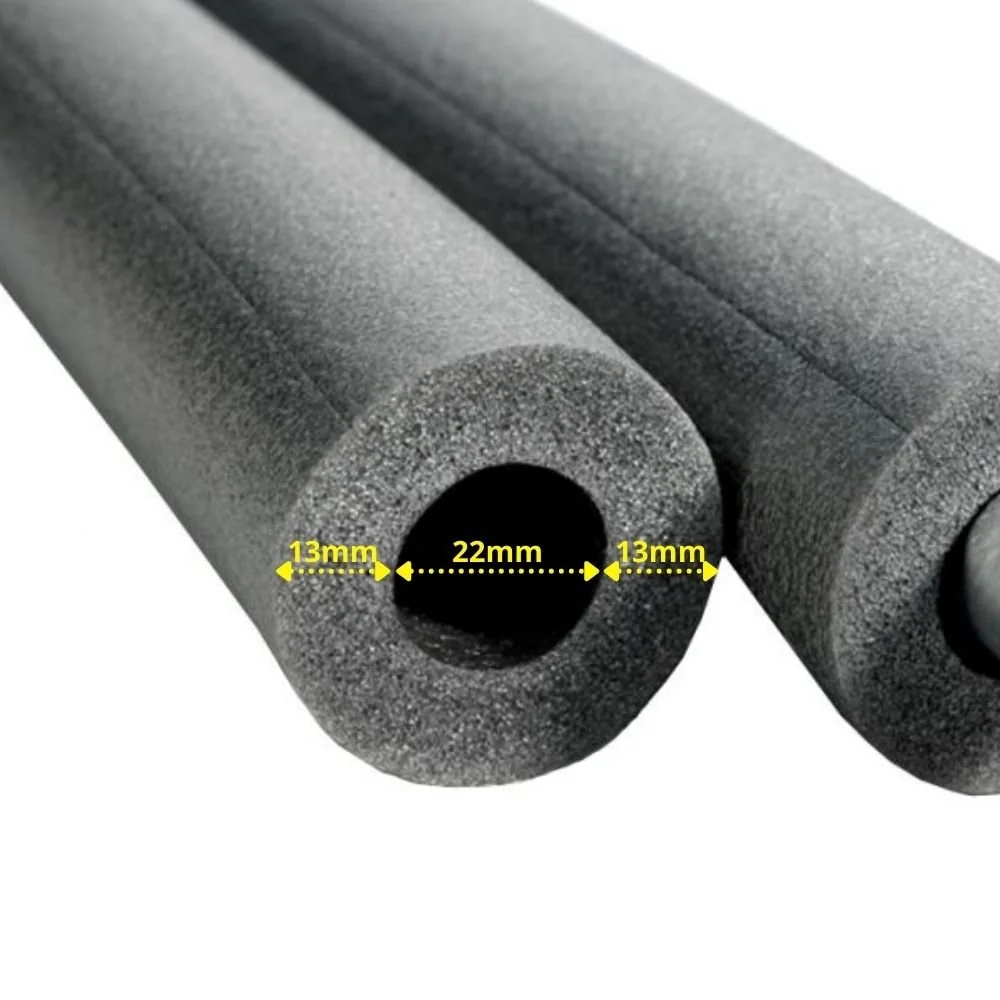
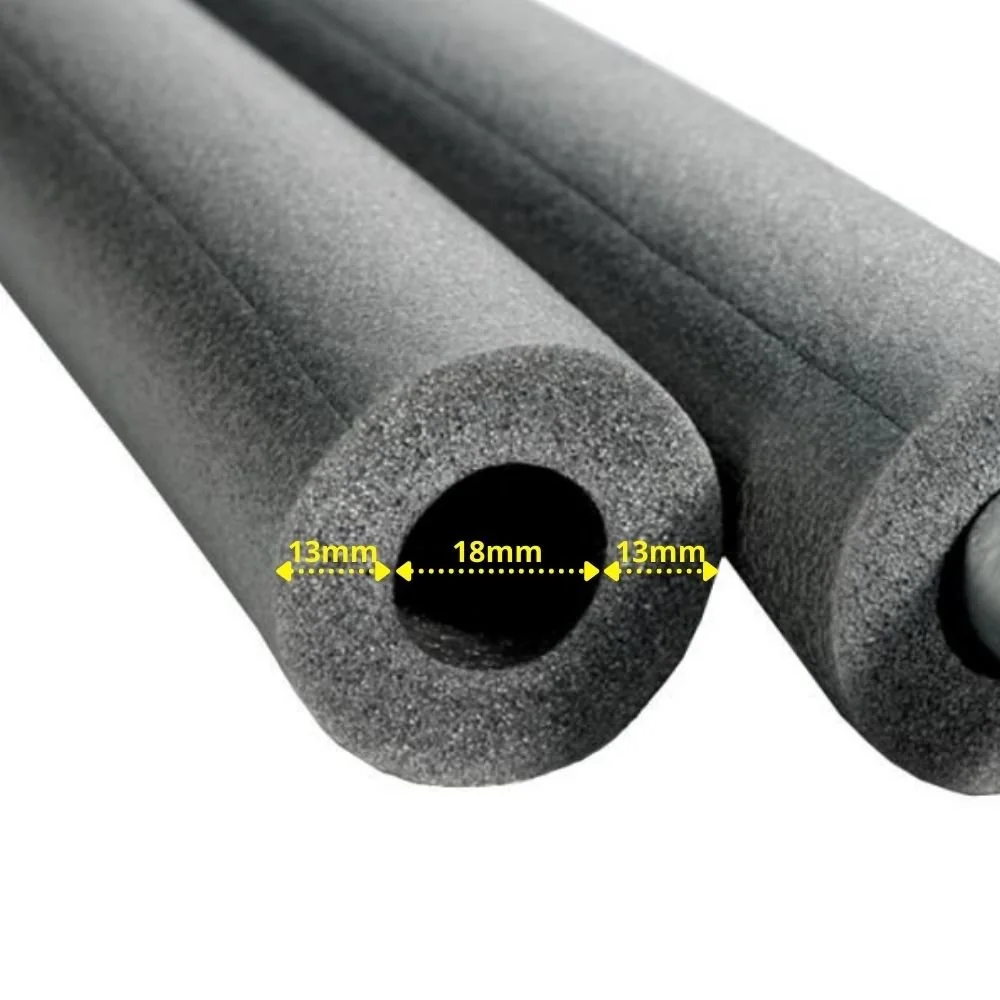
So you need insulation with a wall thickness of at least 10 mm. Products such as the CLIMAFLEX® pipe insulation sleeve Ø 22 mm x 13 mm () are a good fit, as their 13 mm insulation thickness exceeds the requirement. For smaller 18-mm pipes, try the CLIMAFLEX® pipe insulation sleeve Ø 18 mm x 13 mm ().
Extra tip
Always check the product description when choosing insulation. Products that meet GEG requirements are often labeled accordingly, making them easier to find. When in doubt, slightly thicker insulation is a good choice and can improve performance further.
How do I identify the right pipe insulation for my project?
Choosing the right pipe insulation is easier than you might think. Follow these steps to make the right choice and combat heat loss.
Step 1: Determine the pipe diameter
The most important measurement is the outside diameter of the pipe you want to insulate. Measure it with a vernier caliper or a flexible tape measure. The most common sizes for heating pipes in homes are 15 mm, 18 mm, 22 mm and 28 mm.
Step 2: Choose the material
For most applications in the boiler room, you can choose between two main materials:
- Polyethylene (PE) foam: This is the classic option. Products in the Climaflex insulation range are made from this lightweight grey foam. PE insulation is affordable, very easy to install and provides excellent insulation performance for standard heating and hot water pipes.
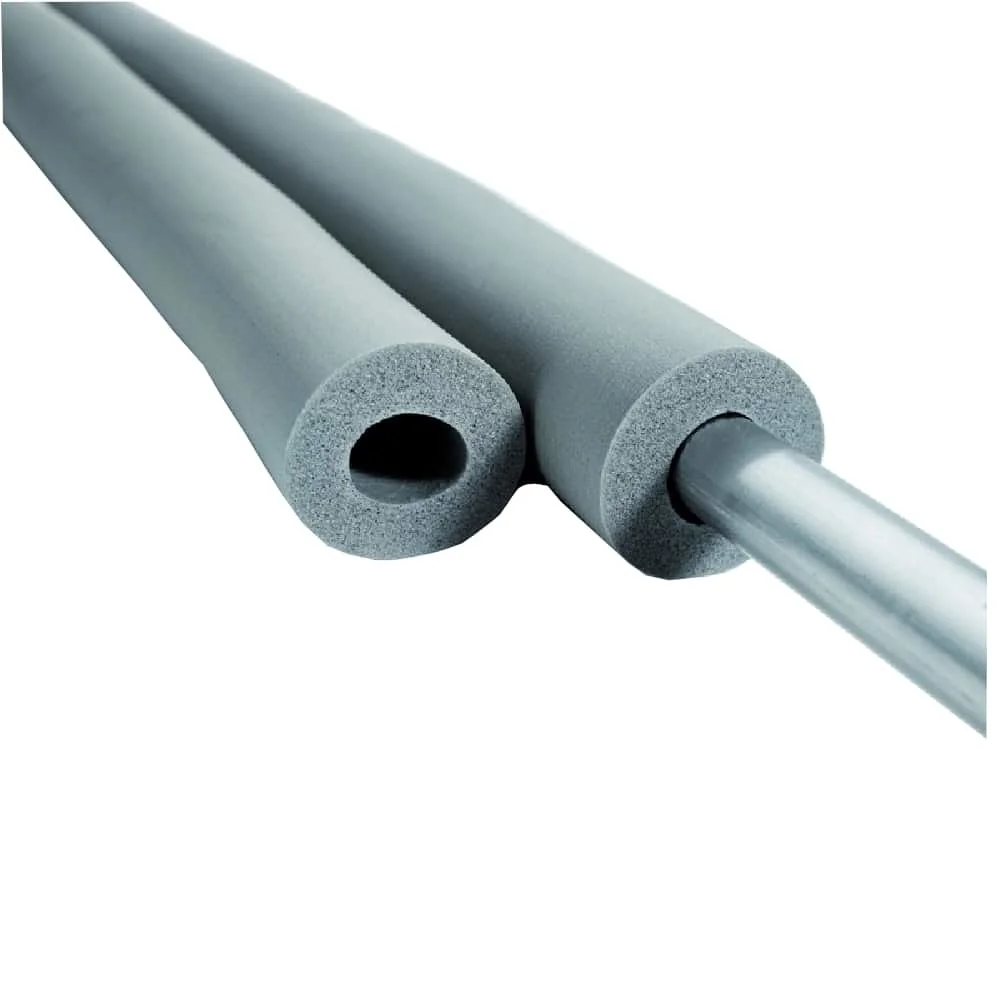
- Synthetic rubber (FEF): This material, often black, is more flexible and more resistant to high temperatures. Rubber pipe insulation such as the AEROFLEX® SH pipe insulation () is particularly suitable for solar thermal systems or pipes with higher operating temperatures. Thanks to its closed-cell structure, rubber is also vapour-tight and reliably prevents condensation from forming on cold water pipes.
Step 3: Find the right product
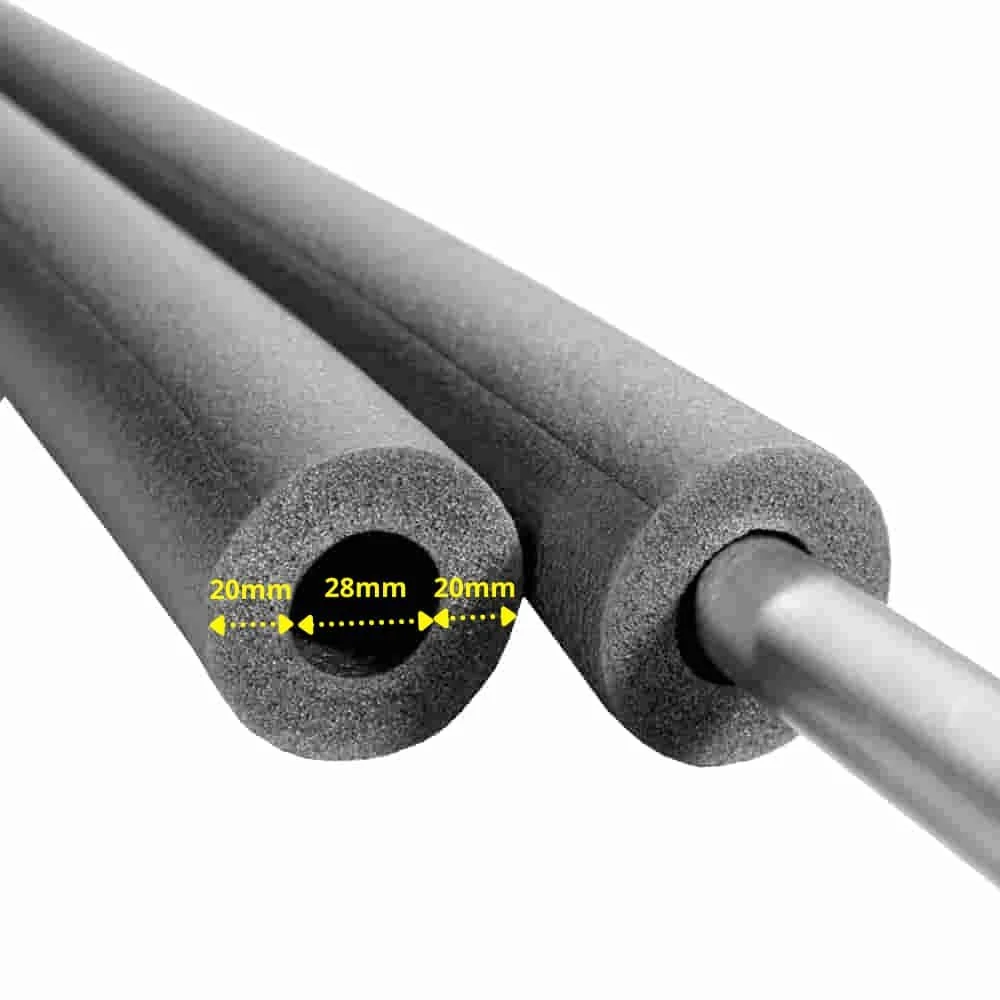
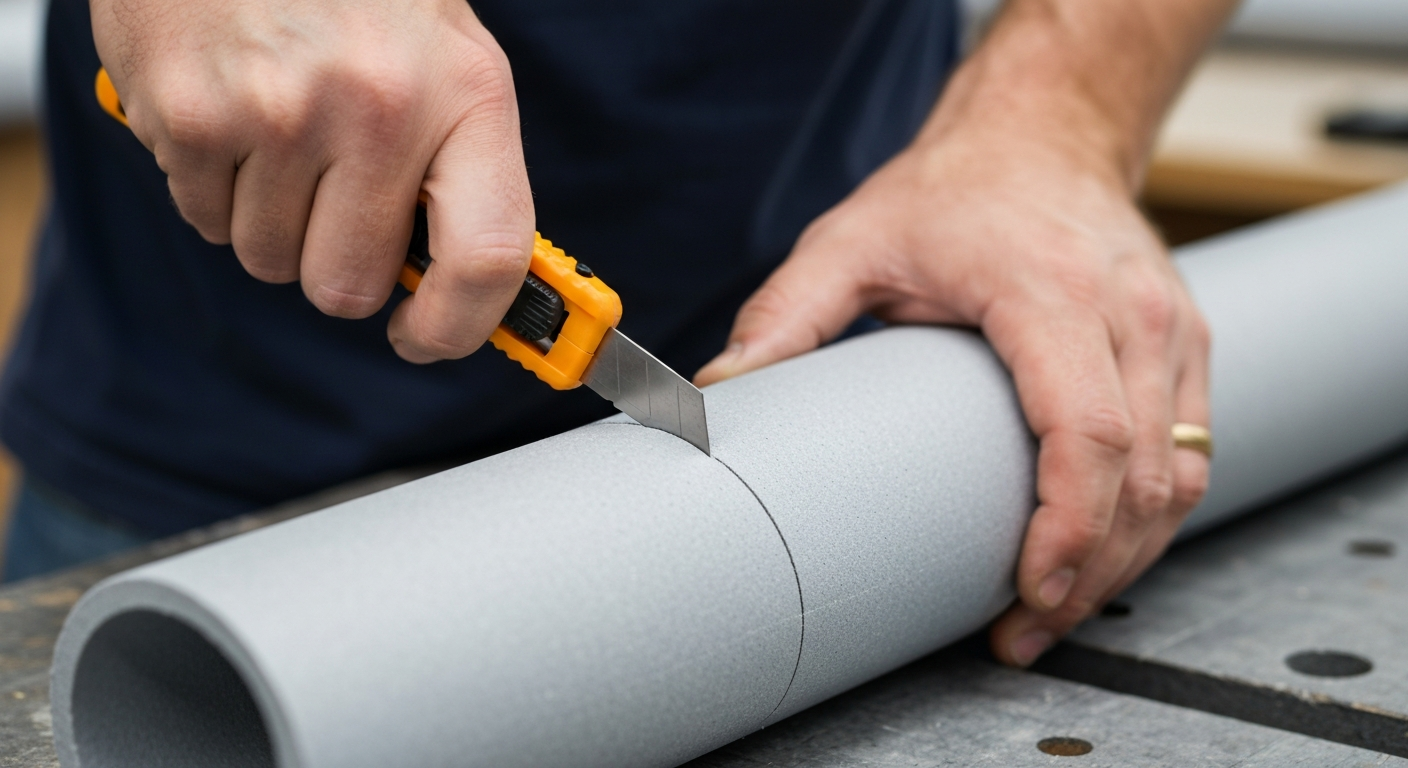
Once you know the diameter and material, you can find the right product. The product name usually tells you everything you need to know. For example, the CLIMAFLEX® insulation sleeve Ø 28 mm x 20 mm () is designed for a pipe with an outside diameter of 28 mm and has an insulation thickness of 20 mm. The addition “50% Cu GEG” confirms that it meets the legal requirements for this pipe.
How do I install Climaflex pipe insulation correctly?
Installing heating pipe insulation is a straightforward project that you can complete in an afternoon. Careful installation is essential for maximum insulation performance.
- Preparation: The pipes must be clean and dry. Remove dust and cobwebs with a brush. Make sure the heating is switched off for the duration of the work and that the pipes have cooled down.
- Cutting: Measure the straight sections of pipe and cut the insulation sleeves to the correct length with a sharp utility knife or mitre shears. A straight, clean cut is important for tight joints.
- Installing on straight sections: The Climaflex sleeves are pre-slit lengthwise. Open the sleeve along the slit and simply fit it over the pipe. The sleeve closes itself again.
- Sealing joints and seams: Carefully seal the longitudinal seams and the joints between two insulation sleeves with suitable PVC tape or special insulation adhesive. Only a completely sealed system delivers its full performance.
- Bends and branch connections: For 90-degree bends, cut the ends of two sleeves at a 45-degree angle each (mitre cut). This allows them to fit together perfectly. For T-joints, cut a wedge-shaped hole in the continuous sleeve and shape the end of the incoming sleeve to fit. In both cases, seal all cut edges carefully.
Pro tip
For perfect mitre cuts, use a mitre box, like the ones used for cutting mouldings. This guarantees precise angles, makes sealing the bends much easier and improves the effectiveness of the insulation.
Important note
Insulate cold water pipes as well as hot water pipes in warm, damp cellars. Here, the insulation is not intended to retain heat but to prevent condensation from forming. This “sweating” water can drip and cause moisture damage or corrosion.
What are the benefits of GEG-compliant pipe insulation beyond simply meeting legal requirements?
Complying with legal requirements is only one aspect. You will feel the real benefits of carefully installed pipe insulation in your everyday life and in your wallet.
Significant energy savings
The most obvious benefit is the direct reduction in energy consumption. Heat lost in the cellar has to be constantly generated again by the boiler. Insulation stops this process. Depending on the condition of the system and the length of the pipework, the savings can amount to 10 to 20 euros per metre of pipe per year. The investment in the material usually pays for itself within a single heating season.
Every euro invested in insulating pipework pays for itself several times over through the energy costs saved in a very short time. It is one of the most cost-effective renovation measures of all.
Greater comfort and faster hot water
When you turn on the hot water tap, the water arrives noticeably hot more quickly. The heat remains in the pipe and does not cool down as quickly. This not only saves energy, but also valuable water that would otherwise run down the drain unused.
Protection for the building and system
As mentioned above, insulating cold water pipes prevents condensation from forming. This protects not only the pipes themselves from corrosion, but also surrounding walls and ceilings from damp and mould. Insulation also provides a certain degree of protection against pipes freezing in unheated areas at risk of frost.
Increased property value
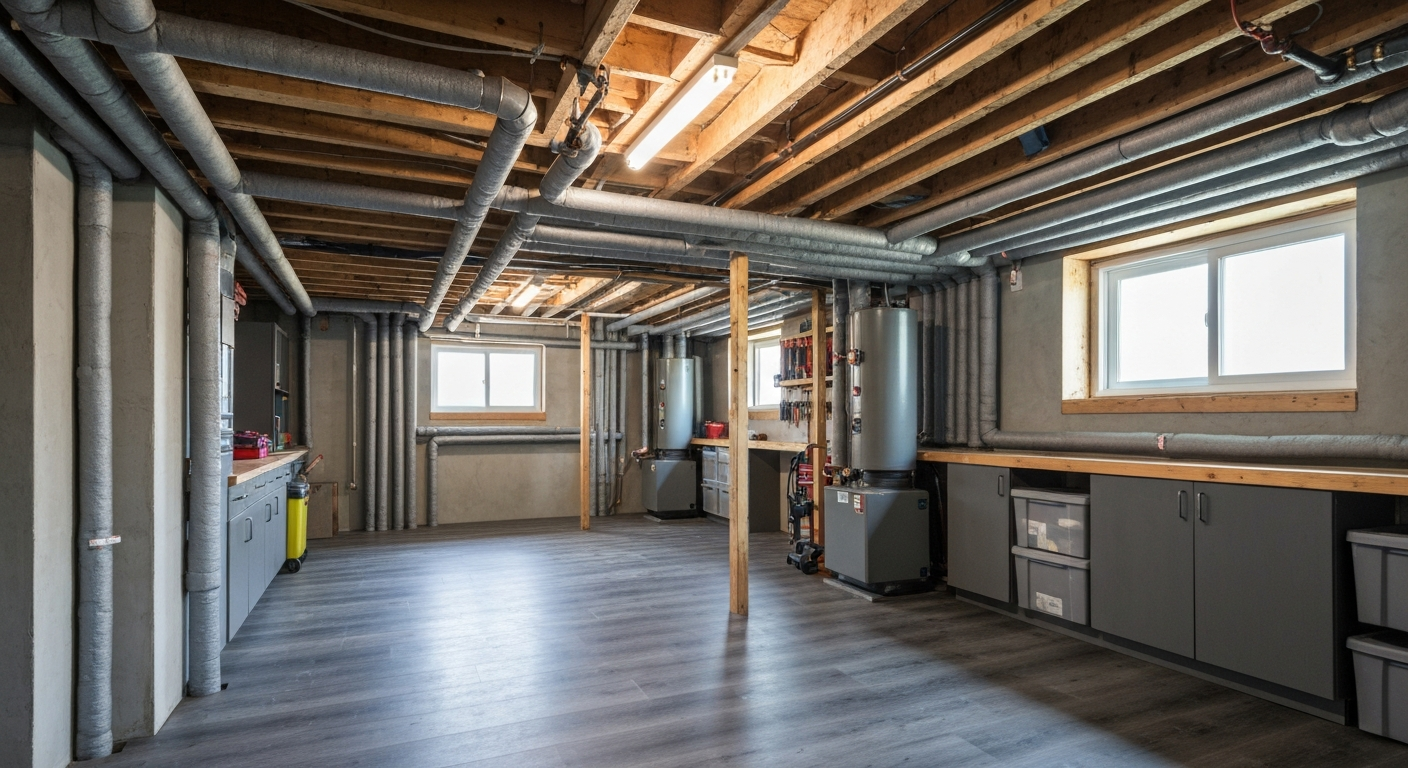
An energy-efficient home is worth more. Clearly visible, professionally installed pipe insulation signals a well-maintained property and low expected running costs when selling or letting. It is a small detail that has a major impact on the overall impression.
Insulating your heating pipes is more than a legal obligation. It is a simple, affordable and extremely effective way to save energy, reduce costs and improve living comfort. With the right products from Westfalia, you can complete this project in no time. Find the right pipe insulation for your home now and start saving today.
Frequently asked questions
- What does “50% Cu” mean for pipe insulation?
- “50% Cu” is a requirement under the German Building Energy Act (GEG). It states that the insulation thickness for copper pipes (Cu) must be at least 50% of the inner pipe diameter. This regulation ensures effective insulation and helps reduce energy consumption.
- Is insulating heating pipes in the basement mandatory?
- Yes, the German Building Energy Act (GEG) requires the insulation of hot-water pipes in unheated spaces such as basements, attics or unfinished storage rooms. This applies to almost all existing buildings and is an important energy-saving measure.
- What insulation thickness do I need for my heating pipes?
- The required insulation thickness depends on the pipe diameter and material. Under the GEG, the 50% rule usually applies: the insulation must be half as thick as the inner diameter of the pipe. For a 22-mm copper pipe, this means around 10 mm of insulation, for example. GEG-compliant products are already labelled accordingly.
- Can I insulate heating pipes myself?
- Yes, insulating heating pipes is an ideal DIY job. Modern insulation sleeves such as Climaflex are pre-slit and can easily be fitted over the pipes. With a sharp knife and some tape, you can install the insulation quickly and professionally.
- What is the difference between PE foam and rubber insulation?
- PE foam (e.g. Climaflex) is a cost-effective and highly effective solution for standard heating pipes. Rubber (e.g. Aeroflex) is more flexible, UV-resistant and suitable for higher temperatures, making it ideal for solar systems or more demanding installations. Rubber also effectively prevents condensation.
You might also be interested in
- CLIMAFLEX® vs. XPS/PE: The ultimate pipe insulation comparison
- Installing CLIMAFLEX® insulation sleeves: How to insulate heating pipes properly
- Pipe insulation comparison: CLIMAFLEX, rubber, mineral wool
- Save on heating costs & frost protection: Why you should insulate your pipes now
- 7 tips for optimal pipe insulation: How to use energy efficiently
- Installing insulation sleeves: The 5 most common mistakes